

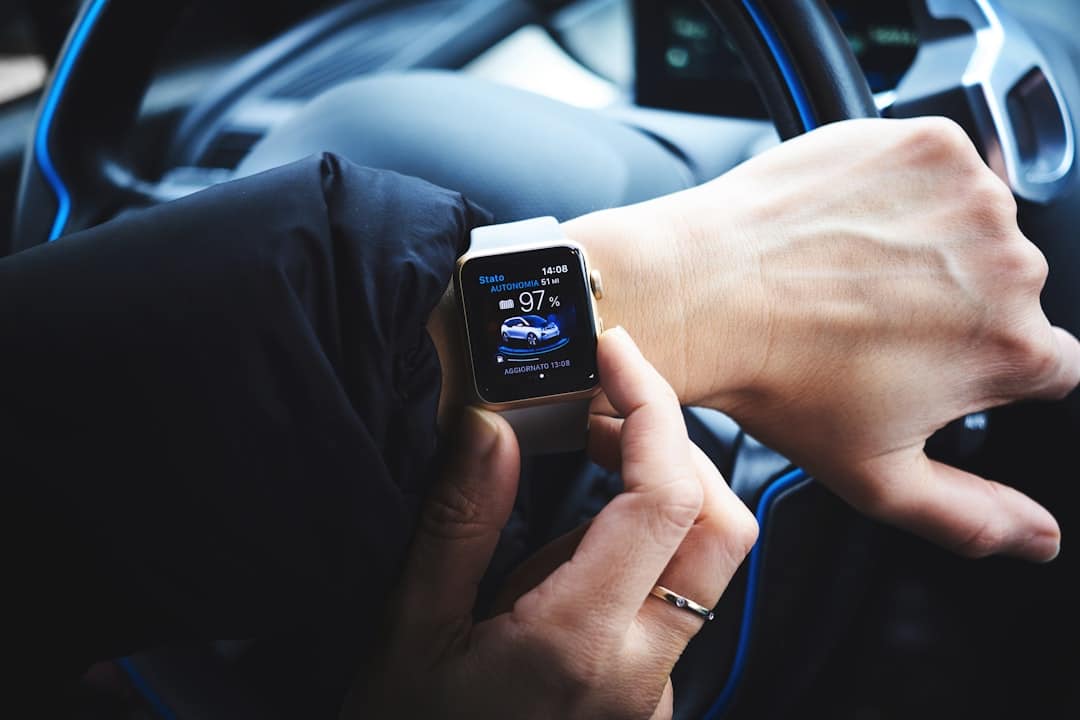
Remote Patient Monitoring (RPM) has emerged as a transformative approach in healthcare, leveraging technology to enhance patient care and streamline clinical workflows. This innovative method allows healthcare providers to monitor patients’ health data in real-time, regardless of their physical location. By utilizing various digital tools and devices, RPM facilitates continuous observation of vital signs, chronic conditions, and overall health metrics, enabling timely interventions and personalized care plans.
The rise of RPM has been particularly significant in the wake of the COVID-19 pandemic, which underscored the need for effective remote healthcare solutions to minimize hospital visits and reduce the risk of virus transmission. The integration of RPM into healthcare systems is not merely a response to immediate challenges; it represents a paradigm shift towards more patient-centered care. By empowering patients to take an active role in their health management, RPM fosters a collaborative relationship between patients and healthcare providers.
This shift is supported by advancements in technology, particularly wearable devices that collect and transmit health data seamlessly.
Key Takeaways
- Remote patient monitoring (RPM) leverages wearable technology to track health data outside traditional clinical settings.
- Wearable devices enhance patient engagement and compliance by providing real-time feedback and easy health tracking.
- Various wearable tech types include smartwatches, biosensors, and fitness trackers tailored for different health monitoring needs.
- Wearable tech plays a crucial role in managing chronic diseases by enabling continuous monitoring and timely interventions.
- Future innovations in wearable tech promise more personalized, accurate, and integrated healthcare solutions.
The Benefits of Wearable Tech in Remote Patient Monitoring
Wearable technology plays a pivotal role in the success of remote patient monitoring by providing continuous, real-time data that can significantly enhance patient outcomes. One of the primary benefits of wearable tech is its ability to facilitate early detection of potential health issues. For instance, devices such as smartwatches and fitness trackers can monitor heart rate, blood pressure, and even oxygen saturation levels.
If any readings fall outside of normal ranges, alerts can be sent to both the patient and their healthcare provider, allowing for prompt intervention before a condition escalates. Moreover, wearable technology enhances the overall efficiency of healthcare delivery. By automating data collection and transmission, healthcare providers can focus their time and resources on analyzing data and making informed decisions rather than spending hours on manual data entry.
This efficiency not only improves the quality of care but also reduces healthcare costs by minimizing unnecessary hospital visits and readmissions. Additionally, wearables can help in managing medication adherence by sending reminders to patients when it’s time to take their medications, thus improving compliance rates.
Types of Wearable Tech for Remote Patient Monitoring
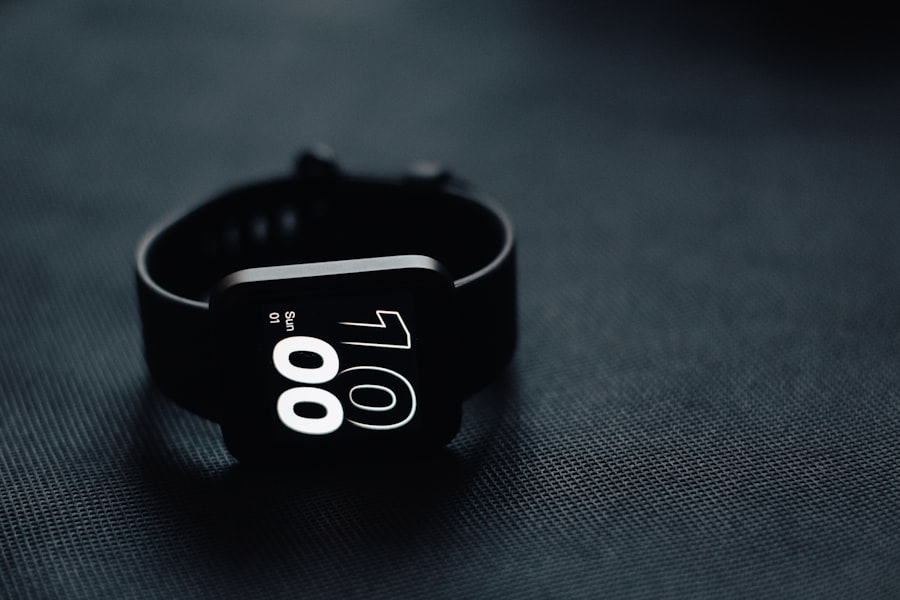
The landscape of wearable technology for remote patient monitoring is diverse, encompassing a wide range of devices designed to meet various health needs. Smartwatches are among the most popular wearables, equipped with sensors that track heart rate, activity levels, sleep patterns, and more. For example, the Apple Watch has integrated features that allow users to monitor their ECG (electrocardiogram) and detect irregular heart rhythms, providing valuable data that can be shared with healthcare providers.
In addition to smartwatches, other types of wearable devices include fitness trackers, smart clothing, and biosensors. Fitness trackers like Fitbit or Garmin focus primarily on physical activity and health metrics such as steps taken, calories burned, and sleep quality. Smart clothing incorporates sensors into fabrics to monitor physiological parameters like body temperature and muscle activity.
Biosensors are often used in clinical settings to track specific health conditions; for instance, continuous glucose monitors (CGMs) provide real-time glucose readings for individuals with diabetes, allowing for better management of their condition.
How Wearable Tech Improves Patient Engagement and Compliance
Wearable technology significantly enhances patient engagement by providing individuals with immediate access to their health data. This accessibility empowers patients to take charge of their health and make informed decisions regarding their lifestyle choices. For instance, when patients can see their daily activity levels or heart rate trends on a mobile app linked to their wearable device, they are more likely to set personal health goals and strive to achieve them.
This self-monitoring aspect fosters a sense of accountability and encourages proactive health management. Furthermore, wearables can facilitate communication between patients and healthcare providers, enhancing compliance with treatment plans. Many devices come equipped with features that allow for direct messaging or video consultations with healthcare professionals.
This capability not only makes it easier for patients to seek advice or report concerns but also helps providers monitor adherence to prescribed regimens. For example, if a patient is consistently missing medication doses or not meeting exercise goals, the provider can intervene with tailored support or adjustments to the treatment plan.
The Role of Wearable Tech in Chronic Disease Management
| Metric | Description | Impact on Remote Patient Monitoring |
|---|---|---|
| Continuous Data Collection | Wearable devices collect real-time health data such as heart rate, blood pressure, and oxygen levels continuously. | Enables timely detection of health anomalies and reduces hospital visits. |
| Patient Engagement | Wearables encourage patients to actively monitor their own health metrics. | Improves adherence to treatment plans and lifestyle changes. |
| Remote Accessibility | Data from wearables can be accessed by healthcare providers remotely. | Facilitates virtual consultations and reduces the need for in-person appointments. |
| Early Intervention | Wearables can alert both patients and doctors to early signs of health deterioration. | Leads to faster medical response and better patient outcomes. |
| Cost Efficiency | Reduces the need for frequent hospital stays and emergency visits. | Decreases overall healthcare costs for patients and providers. |
| Data Accuracy | Advanced sensors provide precise and reliable health measurements. | Supports accurate diagnosis and personalized treatment plans. |
| Chronic Disease Management | Wearables help monitor conditions like diabetes, hypertension, and COPD continuously. | Improves long-term disease control and quality of life. |
Chronic diseases such as diabetes, hypertension, and heart disease require ongoing management and monitoring to prevent complications. Wearable technology has become an invaluable tool in this regard, offering real-time insights that enable better disease management. For instance, individuals with diabetes can use continuous glucose monitors (CGMs) that provide real-time glucose readings directly to their smartphones.
This immediate feedback allows patients to make timely adjustments to their diet or insulin dosage based on their current glucose levels. In addition to diabetes management, wearable devices are also instrumental in monitoring cardiovascular health. Devices equipped with electrocardiogram (ECG) capabilities can detect arrhythmias or other heart-related issues early on.
For example, the AliveCor KardiaMobile device allows users to take medical-grade ECG readings at home and share them with their healthcare providers for analysis. Such proactive monitoring can lead to timely interventions that significantly improve patient outcomes and reduce the risk of severe complications.
Overcoming Challenges in Implementing Wearable Tech for Remote Patient Monitoring
Despite the numerous advantages of wearable technology in remote patient monitoring, several challenges must be addressed for successful implementation. One significant hurdle is ensuring data privacy and security. As wearables collect sensitive health information, there is a pressing need for robust cybersecurity measures to protect this data from breaches or unauthorized access.
Healthcare organizations must invest in secure platforms that comply with regulations such as HIPAA (Health Insurance Portability and Accountability Act) to safeguard patient information. Another challenge lies in the integration of wearable technology into existing healthcare systems. Many healthcare providers may lack the necessary infrastructure or training to effectively utilize data from wearables in clinical practice.
To overcome this barrier, organizations must prioritize training programs that educate healthcare professionals on how to interpret wearable data and incorporate it into patient care strategies. Additionally, interoperability between different devices and platforms is crucial; seamless data sharing across various systems ensures that healthcare providers have a comprehensive view of a patient’s health status.
Future Trends and Innovations in Wearable Tech for Remote Patient Monitoring
The future of wearable technology in remote patient monitoring is poised for significant advancements driven by ongoing research and innovation. One emerging trend is the integration of artificial intelligence (AI) into wearable devices. AI algorithms can analyze vast amounts of health data collected from wearables to identify patterns and predict potential health issues before they arise.
For instance, AI-powered wearables could alert users about irregular heart rhythms or changes in activity levels that may indicate an impending health crisis. Additionally, advancements in biosensor technology are expected to enhance the capabilities of wearables further. Future devices may incorporate advanced sensors capable of monitoring a wider range of physiological parameters beyond heart rate and activity levels.
For example, researchers are exploring the development of wearables that can detect biomarkers related to stress or inflammation through sweat analysis. Such innovations could provide deeper insights into an individual’s overall health status and enable more personalized care approaches.
The Importance of Wearable Tech in Shaping the Future of Healthcare
The integration of wearable technology into remote patient monitoring represents a significant leap forward in healthcare delivery. By providing real-time data collection and analysis, wearables empower patients to take control of their health while enabling healthcare providers to deliver more personalized care. As technology continues to evolve, the potential applications of wearables will expand further, offering new opportunities for improving patient outcomes across various health conditions.
The importance of wearable tech extends beyond individual patient care; it has the potential to reshape entire healthcare systems by promoting preventive care and reducing costs associated with chronic disease management. As stakeholders in the healthcare ecosystem recognize the value of RPM facilitated by wearables, we can expect a more connected and efficient approach to health management that prioritizes patient engagement and proactive care strategies. The future of healthcare is undoubtedly intertwined with advancements in wearable technology, paving the way for a healthier society overall.
For those interested in exploring the capabilities of wearable devices, a related article on smartwatches can be found at this link. This review delves into the features and benefits of Xiaomi smartwatches, highlighting their potential applications in health monitoring and fitness tracking, which are essential components of effective remote patient care.
FAQs
What is wearable technology in healthcare?
Wearable technology in healthcare refers to electronic devices worn on the body that monitor and collect health-related data, such as heart rate, blood pressure, glucose levels, and physical activity, to support medical care and wellness.
How does wearable tech support remote patient monitoring?
Wearable tech enables continuous, real-time monitoring of patients’ vital signs and health metrics outside of traditional clinical settings, allowing healthcare providers to track patient conditions remotely and intervene promptly if necessary.
What are the benefits of using wearable devices for remote patient monitoring?
Benefits include improved patient engagement, early detection of health issues, reduced hospital visits, personalized care, enhanced chronic disease management, and better overall health outcomes.
Are wearable devices accurate for medical monitoring?
Many wearable devices use clinically validated sensors and algorithms to provide accurate health data; however, accuracy can vary by device and condition monitored. It is important to use FDA-approved or clinically tested wearables for medical purposes.
Can wearable technology help manage chronic diseases?
Yes, wearable devices can continuously monitor key health indicators related to chronic diseases such as diabetes, hypertension, and heart conditions, enabling timely adjustments to treatment plans and better disease management.
Is wearable tech secure for patient data?
Reputable wearable devices and platforms implement encryption and data protection measures to secure patient information. However, users should ensure devices comply with healthcare privacy regulations like HIPAA.
What types of wearable devices are commonly used in remote patient monitoring?
Common devices include smartwatches, fitness trackers, glucose monitors, ECG monitors, blood pressure cuffs, and pulse oximeters designed for continuous or periodic health monitoring.
Do patients need technical skills to use wearable health devices?
Most wearable devices are designed to be user-friendly with simple interfaces, but some basic technical literacy may be required. Healthcare providers often offer guidance and support to patients using these devices.
How does wearable tech improve healthcare provider decision-making?
By providing continuous, real-time data, wearable tech allows healthcare providers to make informed decisions based on up-to-date patient information, leading to more personalized and timely interventions.
Are wearable devices covered by health insurance for remote monitoring?
Coverage varies by insurer and region. Some health insurance plans and healthcare programs may cover wearable devices if prescribed for medical monitoring, especially for chronic disease management.