


Wearable technology has emerged as a transformative force in various sectors, particularly in occupational safety. This innovative technology encompasses a range of devices that can be worn on the body, such as smart helmets, safety vests, and health-monitoring wristbands. These devices are designed to enhance worker safety, improve health monitoring, and facilitate real-time communication in hazardous environments.
The integration of wearable tech into occupational safety protocols is not merely a trend; it represents a significant shift towards data-driven decision-making and proactive risk management in workplaces. The adoption of wearable technology in occupational safety is driven by the need to mitigate risks associated with various industries, including construction, manufacturing, and healthcare. As organizations strive to create safer work environments, the use of wearables provides a means to monitor conditions and behaviors that could lead to accidents or health issues.
By leveraging real-time data, employers can make informed decisions that enhance worker safety and well-being. This article delves into the multifaceted benefits of wearable tech, explores different types of devices available, examines successful case studies, and discusses the challenges and future trends in this rapidly evolving field.
Key Takeaways
- Wearable technology enhances occupational safety by providing real-time monitoring and hazard detection.
- Various devices like smart helmets, wearable sensors, and GPS trackers are used to improve worker safety.
- Successful case studies demonstrate reduced accidents and improved emergency response times.
- Challenges include privacy concerns, device durability, and integration with existing safety systems.
- Future trends focus on AI integration, advanced sensors, and improved user comfort for broader adoption.
Benefits of Using Wearable Tech for Occupational Safety
The benefits of wearable technology in occupational safety are manifold, significantly impacting both employees and employers. One of the primary advantages is the enhancement of real-time monitoring capabilities. Wearable devices can track vital signs such as heart rate, body temperature, and even exposure to harmful substances.
For instance, smart helmets equipped with sensors can detect fatigue levels in workers, alerting them before they reach a point of exhaustion that could lead to accidents. This proactive approach not only protects workers but also reduces the likelihood of costly workplace incidents. Another critical benefit is the improvement in communication and collaboration among team members.
Many wearable devices come with integrated communication tools that allow workers to stay connected even in noisy or hazardous environments. For example, smart glasses can provide hands-free access to instructions or video calls with supervisors, ensuring that workers have the information they need at their fingertips. This seamless communication fosters a culture of safety where employees feel empowered to report hazards or seek assistance without delay.
Types of Wearable Tech for Occupational Safety
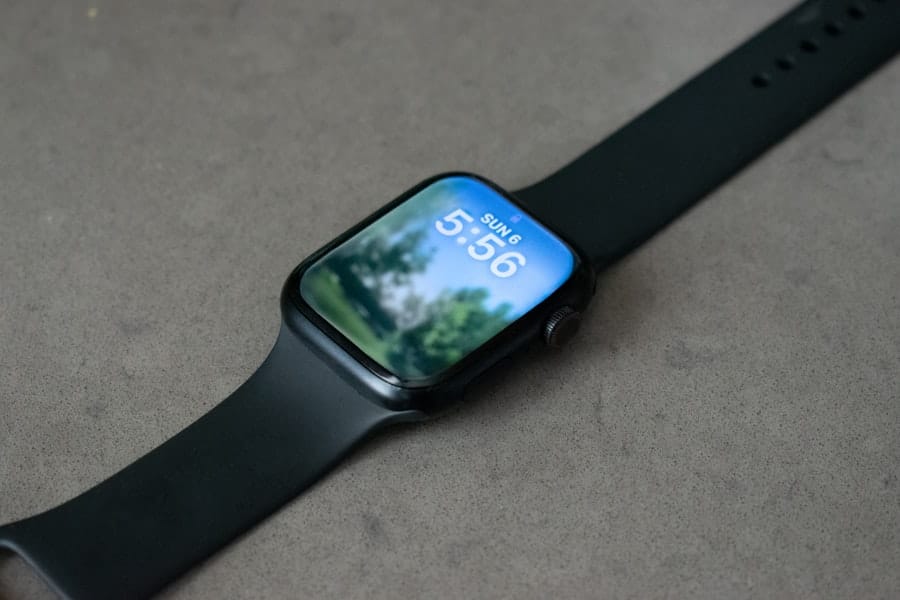
Wearable technology for occupational safety encompasses a diverse array of devices tailored to meet specific industry needs. Smart helmets are one of the most prominent examples; these helmets often feature augmented reality (AR) capabilities that provide workers with real-time data overlays while they perform tasks. In construction sites, for instance, workers can receive visual instructions directly in their line of sight, reducing the need for manual reference materials and minimizing distractions.
Another category includes health-monitoring wearables such as smart wristbands or fitness trackers. These devices can monitor physiological parameters like heart rate variability and stress levels, providing insights into an employee’s physical state throughout their shift. In high-stress environments like emergency response or healthcare, this data can be invaluable for ensuring that workers are fit for duty and can respond effectively to emergencies.
Additionally, there are location-tracking wearables designed to enhance safety in environments where workers may be at risk of accidents or getting lost. These devices utilize GPS technology to monitor the whereabouts of employees in real time, allowing supervisors to quickly locate individuals in case of an emergency. This capability is particularly beneficial in large industrial sites or remote locations where traditional communication methods may fail.
Case Studies of Successful Implementation of Wearable Tech in Occupational Safety
Several organizations have successfully integrated wearable technology into their occupational safety programs, yielding impressive results. One notable case is that of a major construction firm that implemented smart helmets equipped with AR technology on its job sites. By providing workers with real-time data overlays and remote assistance capabilities, the company reported a significant reduction in accidents and near-misses.
Workers were able to visualize potential hazards before they encountered them, leading to a more proactive approach to safety. Another compelling example comes from the manufacturing sector, where a leading automotive manufacturer adopted health-monitoring wristbands for its assembly line workers. These wristbands tracked vital signs and provided alerts when workers exhibited signs of fatigue or stress.
The implementation led to a marked decrease in workplace injuries related to overexertion and fatigue-related incidents. Furthermore, the data collected allowed management to identify patterns and implement changes in work schedules that better aligned with employee health needs. In the healthcare industry, a hospital system introduced wearable devices for its nursing staff to monitor their physical well-being during long shifts.
The initiative not only improved staff morale but also enhanced patient care by ensuring that nurses were physically capable of performing their duties without compromising their health.
Challenges and Limitations of Wearable Tech in Occupational Safety
| Metric | Description | Impact on Occupational Safety |
|---|---|---|
| Real-time Health Monitoring | Wearables track vital signs such as heart rate, body temperature, and oxygen levels continuously. | Enables early detection of health issues, preventing accidents caused by fatigue or medical emergencies. |
| Environmental Hazard Detection | Devices can sense harmful gases, temperature extremes, and noise levels in the workplace. | Alerts workers to dangerous conditions, reducing exposure to toxic or hazardous environments. |
| Fall Detection and Alerts | Wearables detect sudden falls or impacts and automatically send alerts to emergency responders. | Speeds up response time to accidents, minimizing injury severity and improving survival rates. |
| Location Tracking | GPS and indoor positioning systems track worker locations in real-time. | Enhances safety in hazardous zones and facilitates quick rescue operations if needed. |
| Fatigue and Stress Monitoring | Wearables analyze physiological data to assess worker fatigue and stress levels. | Helps manage workloads and prevent accidents caused by reduced alertness or mental strain. |
| Compliance and Reporting | Automated data collection for safety compliance and incident reporting. | Improves accuracy of safety records and helps organizations meet regulatory requirements. |
Despite the numerous advantages associated with wearable technology in occupational safety, several challenges and limitations must be addressed for successful implementation. One significant concern is data privacy and security. As wearables collect sensitive health information and location data, organizations must ensure robust cybersecurity measures are in place to protect this information from unauthorized access or breaches.
Employees may be hesitant to adopt wearables if they fear their personal data could be misused or inadequately protected. Another challenge lies in the potential for device fatigue among workers. With the increasing number of devices being introduced into workplaces, employees may feel overwhelmed by the constant monitoring and data collection.
This phenomenon can lead to resistance against adopting new technologies or even decreased productivity if workers feel distracted by their wearables rather than focused on their tasks.
Additionally, there is the issue of integration with existing systems and processes.
Many organizations may struggle to incorporate wearable technology into their current safety protocols seamlessly. This challenge requires careful planning and training to ensure that employees understand how to use the devices effectively and that the data collected is utilized meaningfully within the organization’s safety framework.
Future Trends and Innovations in Wearable Tech for Occupational Safety

The future of wearable technology in occupational safety is poised for exciting developments as advancements continue to emerge at a rapid pace. One notable trend is the integration of artificial intelligence (AI) with wearable devices. AI algorithms can analyze data collected from wearables to identify patterns and predict potential safety risks before they occur.
For instance, AI could analyze heart rate variability data from health-monitoring wearables to predict when an employee might be at risk of burnout or fatigue, allowing for timely interventions. Moreover, advancements in materials science are leading to the development of more comfortable and durable wearables that can withstand harsh working conditions while remaining lightweight and unobtrusive. Innovations such as flexible electronics could enable the creation of smart clothing that monitors vital signs without compromising comfort or mobility.
This evolution will likely enhance user acceptance and encourage broader adoption across various industries. Another promising direction is the expansion of interoperability among different wearable devices and systems. As organizations increasingly adopt multiple types of wearables, ensuring that these devices can communicate with each other will be crucial for maximizing their effectiveness.
Future innovations may focus on creating standardized protocols that allow different wearables to share data seamlessly, providing a comprehensive view of worker safety across various platforms.
Best Practices for Implementing Wearable Tech in Occupational Safety Programs
To maximize the benefits of wearable technology in occupational safety programs, organizations should adhere to several best practices during implementation. First and foremost, involving employees in the decision-making process is essential. Engaging workers early on helps ensure that their concerns are addressed and that they feel ownership over the technology being introduced.
Conducting surveys or focus groups can provide valuable insights into what features employees find most beneficial or concerning. Training is another critical component of successful implementation. Organizations must invest time and resources into educating employees about how to use wearable devices effectively and understand the data generated by these technologies.
Comprehensive training programs should cover not only technical aspects but also emphasize the importance of safety culture and how wearables contribute to overall well-being. Furthermore, organizations should establish clear policies regarding data privacy and usage. Transparency about how data will be collected, stored, and utilized can alleviate employee concerns about privacy violations.
Providing assurances that data will only be used for safety purposes can foster trust between employers and employees. Lastly, continuous evaluation and feedback mechanisms should be established to assess the effectiveness of wearable technology in enhancing occupational safety. Regularly reviewing data collected from wearables can help identify trends and areas for improvement while allowing organizations to adapt their safety protocols based on real-time insights.
The Importance of Embracing Wearable Tech for Occupational Safety
The integration of wearable technology into occupational safety represents a significant advancement in how organizations approach worker well-being and risk management. By harnessing real-time data collection capabilities, enhancing communication channels, and fostering a culture of proactive safety measures, businesses can create safer work environments that prioritize employee health. As industries continue to evolve, embracing wearable tech will not only help mitigate risks but also empower workers by providing them with tools that enhance their ability to perform safely and effectively.
The journey towards widespread adoption may come with challenges; however, the potential benefits far outweigh these obstacles. Organizations that invest in wearable technology today are positioning themselves at the forefront of innovation in occupational safety, ultimately leading to improved outcomes for both employees and employers alike. As we look ahead, it is clear that wearable tech will play an increasingly vital role in shaping the future landscape of workplace safety.
Wearable technology has become increasingly important in enhancing occupational safety by providing real-time data and monitoring capabilities. For a deeper understanding of how technology can improve various aspects of work, you might find the article on the best software for literature review insightful. It discusses tools that can streamline research processes, which is essential for professionals looking to stay informed about safety innovations. You can read more about it here.
FAQs
What is wearable technology in occupational safety?
Wearable technology in occupational safety refers to devices worn by workers that monitor health, environmental conditions, or location to enhance safety and prevent accidents. Examples include smart helmets, wearable sensors, and GPS trackers.
How does wearable tech improve workplace safety?
Wearable tech improves workplace safety by providing real-time data on workers’ health metrics, detecting hazardous environmental conditions, enabling quick emergency response, and reducing the risk of accidents through continuous monitoring.
What types of wearable devices are commonly used in occupational safety?
Common wearable devices include smart helmets, safety vests with sensors, heart rate monitors, gas detectors, fall detection devices, and GPS trackers that help monitor worker location and safety status.
Can wearable technology help in emergency situations at work?
Yes, wearable technology can detect emergencies such as falls, exposure to toxic gases, or sudden health issues and automatically alert supervisors or emergency responders, enabling faster assistance.
Are wearable safety devices suitable for all industries?
Wearable safety devices are adaptable to many industries, including construction, manufacturing, mining, healthcare, and logistics, where monitoring worker safety and environmental hazards is critical.
What are the benefits of using wearable tech for employers?
Employers benefit from reduced workplace accidents, improved compliance with safety regulations, enhanced worker productivity, and lower insurance costs due to proactive safety management.
Is wearable technology expensive to implement in occupational safety?
The cost varies depending on the type and scale of devices used, but many wearable safety solutions are becoming more affordable and offer a strong return on investment through accident prevention and improved safety outcomes.
How is worker privacy protected when using wearable safety devices?
Employers must ensure data collected from wearable devices is used solely for safety purposes, comply with privacy laws, and maintain transparency with workers about what data is collected and how it is used.
Do wearable safety devices require special training for workers?
Some training may be necessary to ensure workers understand how to use the devices properly, interpret alerts, and maintain the equipment, but most devices are designed to be user-friendly.
What future developments are expected in wearable technology for occupational safety?
Future developments may include more advanced sensors, AI integration for predictive safety analytics, improved battery life, enhanced comfort, and greater connectivity with other workplace safety systems.