

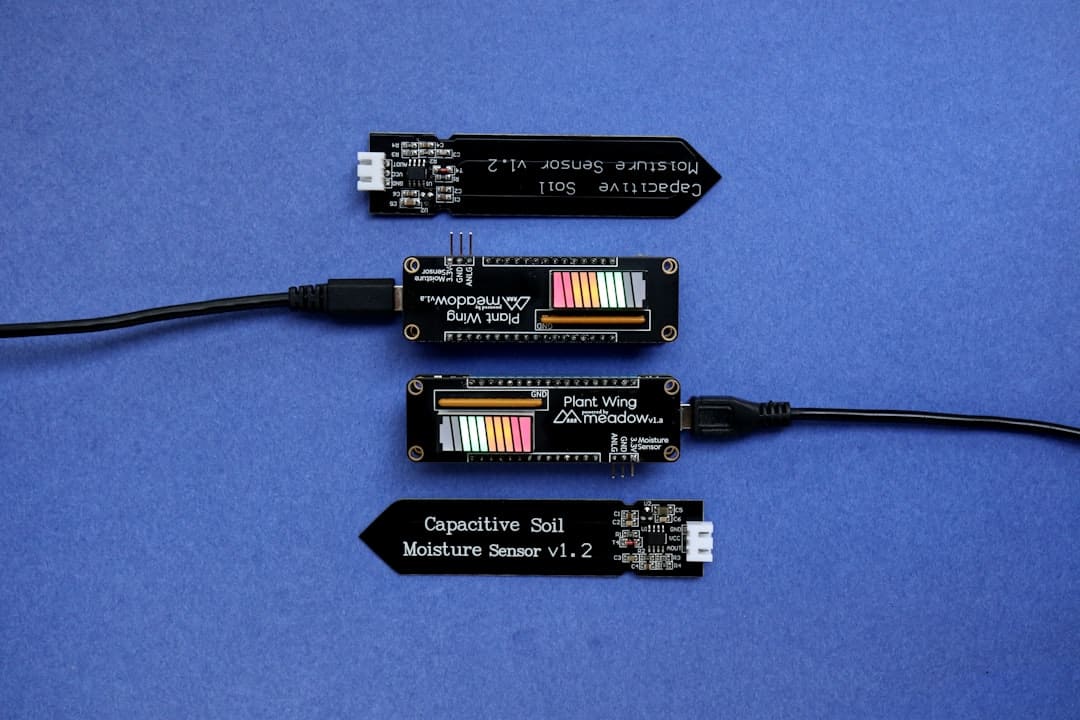
Wearable sensors have emerged as a transformative technology in the realm of health and fitness, revolutionizing how individuals monitor their well-being. These devices, which can be worn on the body like wristbands, smartwatches, or even clothing, are equipped with advanced sensors that collect a variety of physiological data. From tracking heart rates and sleep patterns to monitoring physical activity levels and even blood glucose, wearable sensors provide real-time insights into an individual’s health status.
The integration of these devices into daily life has not only made health monitoring more accessible but has also empowered users to take charge of their health in unprecedented ways. The rise of wearable sensors can be attributed to advancements in technology, including miniaturization of components, improvements in battery life, and the proliferation of mobile applications. As a result, these devices have become more user-friendly and affordable, appealing to a broad audience beyond just fitness enthusiasts.
The data collected by wearable sensors can be synced with smartphones and other devices, allowing users to visualize their health metrics and trends over time. This seamless integration into everyday life has paved the way for a new era of proactive health management, where individuals can make informed decisions based on real-time data.
Key Takeaways
- Wearable sensors enable continuous, real-time health monitoring outside clinical settings.
- Proactive health monitoring helps detect potential health issues early, improving outcomes.
- These sensors use technologies like biosensors and motion detectors to track vital signs and activity.
- Wearable devices support preventative medicine by encouraging timely interventions and lifestyle changes.
- Despite challenges like data accuracy and privacy, advancements promise more effective and accessible health monitoring.
The Importance of Proactive Health Monitoring
Proactive health monitoring is essential in today’s fast-paced world, where lifestyle-related diseases are on the rise. Traditional healthcare models often focus on reactive measures—treating illnesses after they occur—rather than preventing them from developing in the first place. This shift towards proactive health monitoring emphasizes the importance of early detection and intervention, which can significantly reduce the burden of chronic diseases such as diabetes, hypertension, and cardiovascular conditions.
By leveraging wearable sensors, individuals can gain insights into their health that were previously only available through clinical assessments. The significance of proactive health monitoring extends beyond individual health; it also has implications for public health systems. By encouraging individuals to monitor their health regularly, wearable sensors can contribute to a more informed population that is better equipped to manage their well-being.
This proactive approach can lead to reduced healthcare costs, as early detection often results in less intensive treatment and fewer hospitalizations. Furthermore, data collected from wearable sensors can be aggregated and analyzed to identify trends within populations, enabling healthcare providers and policymakers to address public health challenges more effectively.
How Wearable Sensors Work

Wearable sensors operate through a combination of hardware and software components designed to capture and analyze physiological data. At the core of these devices are various types of sensors that measure specific metrics. For instance, accelerometers track movement and physical activity levels, while photoplethysmography (PPG) sensors measure heart rate by detecting changes in blood volume through the skin.
Other sensors may monitor temperature, blood oxygen levels, or even electrocardiograms (ECGs) for more advanced heart monitoring. Once the data is collected by these sensors, it is processed by onboard algorithms that interpret the raw information into meaningful metrics. This processing often occurs in real-time, allowing users to receive immediate feedback on their health status.
The processed data is then transmitted to a paired smartphone or computer application via Bluetooth or Wi-Fi, where users can visualize their metrics through user-friendly interfaces. Many applications also offer features such as goal setting, reminders for physical activity, and personalized health insights based on the collected data.
Benefits of Wearable Sensors for Health Monitoring
The benefits of wearable sensors for health monitoring are manifold and extend across various aspects of personal health management. One of the most significant advantages is the ability to track health metrics continuously and in real-time. This constant monitoring allows users to identify patterns and trends in their health that may not be apparent through sporadic check-ups or assessments.
For example, an individual may notice fluctuations in their heart rate during periods of stress or changes in sleep quality that correlate with lifestyle choices such as diet or exercise. Moreover, wearable sensors foster a sense of accountability among users. By providing tangible data about their health behaviors, individuals are more likely to adhere to fitness goals and make healthier choices.
For instance, a person who tracks their daily step count may be motivated to increase their activity level after seeing how few steps they take on average. Additionally, many wearable devices incorporate social features that allow users to share their progress with friends or family members, further enhancing motivation through social support.
The Role of Wearable Sensors in Preventative Medicine
| Metric | Description | Relevance to Proactive Health Monitoring |
|---|---|---|
| Continuous Data Collection | Wearable sensors collect health data 24/7 without interruption. | Enables early detection of anomalies and trends in health status. |
| Real-time Monitoring | Instant feedback on vital signs such as heart rate, oxygen levels, and activity. | Allows immediate response to potential health issues before they escalate. |
| Personalized Health Insights | Data tailored to individual baseline and lifestyle patterns. | Supports customized health recommendations and interventions. |
| Remote Patient Monitoring | Enables healthcare providers to track patients outside clinical settings. | Reduces hospital visits and facilitates timely medical support. |
| Early Disease Detection | Identification of subtle physiological changes indicating disease onset. | Improves prognosis through timely treatment and management. |
| Improved Patient Engagement | Users actively participate in managing their health via wearable feedback. | Encourages healthier behaviors and adherence to treatment plans. |
| Data Integration with AI | Combining sensor data with AI algorithms for predictive analytics. | Enhances accuracy of health risk assessments and personalized care. |
Wearable sensors play a crucial role in the field of preventative medicine by facilitating early detection of potential health issues before they escalate into serious conditions. For instance, continuous heart rate monitoring can alert users to irregularities that may indicate arrhythmias or other cardiovascular problems. Similarly, glucose monitors can help individuals with diabetes manage their blood sugar levels more effectively by providing real-time feedback on how food intake and physical activity impact their glucose levels.
The integration of wearable sensors into preventative medicine also enhances patient engagement in their own healthcare journey. When individuals are actively involved in monitoring their health metrics, they are more likely to seek medical advice when necessary and adhere to treatment plans prescribed by healthcare professionals. This proactive engagement can lead to improved health outcomes and a reduction in the prevalence of chronic diseases within populations.
Challenges and Limitations of Wearable Sensors

Despite the numerous advantages offered by wearable sensors, several challenges and limitations must be addressed for these devices to reach their full potential in health monitoring. One significant concern is the accuracy and reliability of the data collected by these devices. While many wearable sensors provide valuable insights, they are not always as precise as clinical-grade equipment used in medical settings.
Variability in sensor performance can lead to discrepancies in readings, which may mislead users about their health status. Another challenge lies in user compliance and engagement over time. While initial enthusiasm for wearable technology may drive individuals to use these devices regularly, maintaining long-term engagement can be difficult.
Factors such as battery life, device comfort, and perceived value can influence whether users continue to wear their sensors consistently. Additionally, privacy concerns regarding the collection and sharing of personal health data pose significant barriers for some individuals who may be hesitant to adopt wearable technology.
Future Developments in Wearable Sensor Technology
The future of wearable sensor technology holds immense promise as advancements continue to emerge at a rapid pace. One area poised for significant growth is the integration of artificial intelligence (AI) and machine learning algorithms into wearable devices. These technologies can enhance data analysis capabilities, allowing for more personalized insights based on individual health patterns.
For example, AI could predict potential health issues based on historical data trends and provide users with tailored recommendations for lifestyle changes. Moreover, the development of new sensor technologies is likely to expand the range of metrics that can be monitored through wearables. Innovations such as non-invasive blood glucose monitoring or advanced hydration sensors could provide users with even more comprehensive insights into their health status.
Additionally, as telemedicine continues to gain traction, wearable sensors may play an integral role in remote patient monitoring, enabling healthcare providers to track patients’ health metrics from afar and intervene when necessary.
The Future of Proactive Health Monitoring
As we look ahead, it is clear that wearable sensors will play an increasingly vital role in proactive health monitoring and preventative medicine. The ability to collect real-time data empowers individuals to take charge of their health like never before while also providing healthcare professionals with valuable insights into patient well-being. While challenges remain regarding accuracy, user engagement, and privacy concerns, ongoing advancements in technology promise to address these issues over time.
The future landscape of healthcare will likely be characterized by a collaborative approach between patients and providers facilitated by wearable technology.
Ultimately, the integration of wearable sensors into everyday life represents a significant step toward a healthier society where proactive health management becomes the norm rather than the exception.
Wearable sensors are revolutionizing the way we approach health monitoring, allowing for proactive management of our well-being. For those interested in enhancing their health journey through technology, exploring the latest applications can be beneficial. Check out this article on com/the-best-android-apps-for-2023/’>the best Android apps for 2023, which highlights various applications that can complement wearable technology and help users track their health metrics more effectively.
FAQs
What are wearable sensors?
Wearable sensors are electronic devices that can be worn on the body to continuously monitor various physiological and environmental parameters such as heart rate, body temperature, movement, and more.
How do wearable sensors contribute to proactive health monitoring?
Wearable sensors enable continuous, real-time tracking of health metrics, allowing for early detection of potential health issues and timely intervention before conditions worsen.
What types of health data can wearable sensors track?
Wearable sensors can track a wide range of data including heart rate, blood pressure, oxygen saturation, sleep patterns, physical activity, glucose levels, and even stress indicators.
Are wearable sensors accurate for medical use?
Many wearable sensors have been validated for accuracy and reliability, but their precision can vary depending on the device and the parameter being measured. They are often used as complementary tools alongside traditional medical assessments.
Can wearable sensors help in managing chronic diseases?
Yes, wearable sensors can assist in managing chronic diseases by providing continuous monitoring, enabling patients and healthcare providers to track symptoms, medication adherence, and lifestyle factors in real time.
What are the benefits of using wearable sensors for health monitoring?
Benefits include early detection of health issues, personalized health insights, improved patient engagement, remote monitoring capabilities, and potentially reduced healthcare costs through preventive care.
Are wearable sensors safe to use?
Wearable sensors are generally safe to use. They are designed to be non-invasive and comfortable for long-term wear. However, users should follow manufacturer guidelines and consult healthcare professionals if they have concerns.
How do wearable sensors communicate health data?
Wearable sensors typically use wireless technologies such as Bluetooth or Wi-Fi to transmit data to smartphones, computers, or cloud-based platforms for analysis and monitoring.
Can wearable sensors replace regular doctor visits?
Wearable sensors are tools to supplement healthcare but do not replace professional medical evaluations. They provide valuable data that can enhance clinical decision-making but should be used in conjunction with regular medical care.
What advancements are expected in wearable sensor technology?
Future advancements may include improved sensor accuracy, integration with artificial intelligence for predictive analytics, enhanced battery life, miniaturization, and expanded capabilities to monitor a broader range of health indicators.