

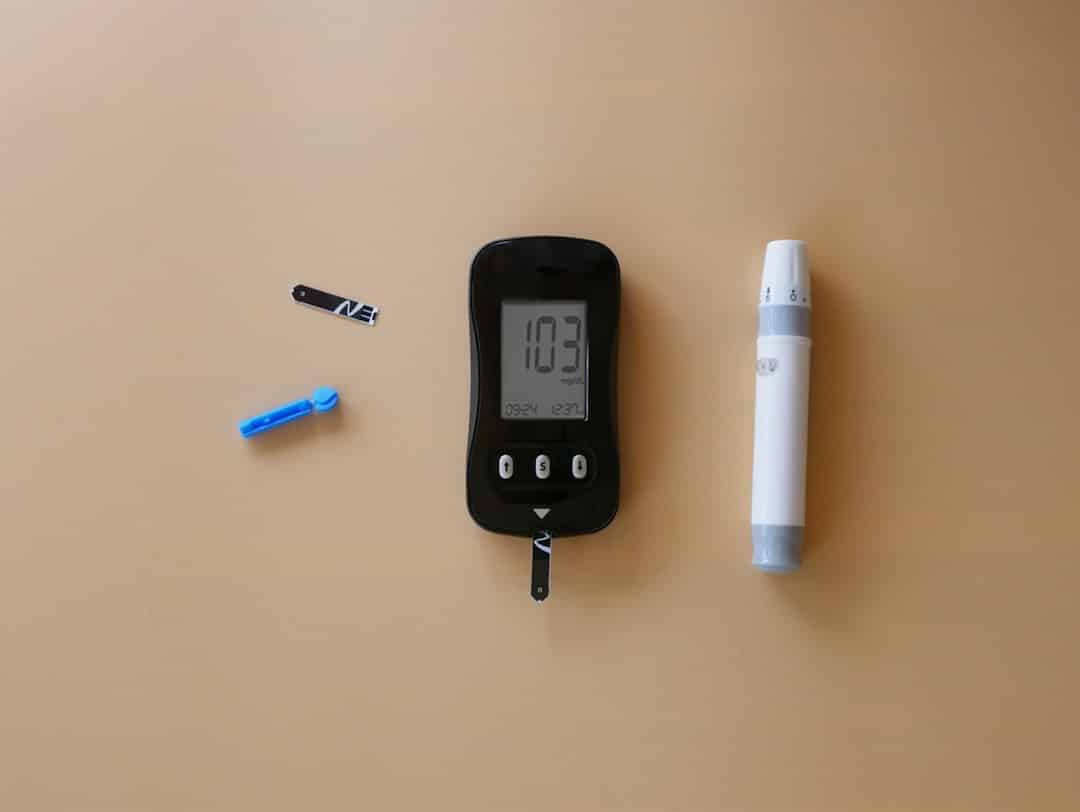
Wearable sensors have emerged as a transformative technology in the realm of health monitoring and disease diagnosis. These devices, which can be worn on the body like clothing or accessories, are equipped with advanced sensors that collect a variety of physiological data. From heart rate and temperature to more complex metrics like blood oxygen levels and electrocardiograms, wearable sensors provide real-time insights into an individual’s health status.
The proliferation of these devices has been fueled by advancements in microelectronics, materials science, and data analytics, making them more accessible and user-friendly than ever before. The rise of wearable sensors is not merely a trend; it represents a paradigm shift in how healthcare is approached. Traditionally, disease diagnosis relied heavily on clinical visits and laboratory tests, often leading to delays in treatment.
In contrast, wearable sensors facilitate continuous monitoring, allowing for the collection of data over time. This capability enables healthcare providers to identify potential health issues earlier than conventional methods would allow. As a result, wearable sensors are becoming integral to preventive healthcare strategies, empowering individuals to take charge of their health while also providing clinicians with valuable data to inform their decisions.
Key Takeaways
- Wearable sensors continuously monitor health metrics, enabling early disease detection.
- They operate by collecting physiological data through embedded technologies like biosensors.
- Early diagnosis through wearables can improve treatment outcomes and reduce healthcare costs.
- Challenges include data accuracy, device reliability, and user privacy concerns.
- Future advancements may expand their diagnostic capabilities while raising ethical and privacy issues.
How Wearable Sensors Work
Wearable sensors operate through a combination of hardware and software components designed to capture and analyze physiological signals. At the core of these devices are various types of sensors, such as accelerometers, gyroscopes, photoplethysmography (PPG sensors), and electrocardiogram (ECG) sensors. Each type of sensor serves a specific purpose; for instance, accelerometers measure movement and activity levels, while PPG sensors assess blood flow and heart rate by using light to detect changes in blood volume.
Once the sensors collect data, it is transmitted to a processing unit, often integrated within the device or connected to a smartphone or computer. This processing unit analyzes the raw data using algorithms that can detect patterns or anomalies indicative of health conditions. For example, an ECG sensor can identify irregular heart rhythms by comparing the recorded electrical activity of the heart against established norms.
The processed information is then presented to the user through an app or interface, providing insights that can be easily understood and acted upon.
The Importance of Early Disease Diagnosis
Early disease diagnosis is crucial for effective treatment and improved patient outcomes. Many chronic diseases, such as diabetes, hypertension, and certain cancers, can progress silently without noticeable symptoms until they reach advanced stages.
Early detection allows for timely intervention, which can lead to better management of the disease and a higher quality of life for patients. Moreover, early diagnosis can reduce healthcare costs significantly. When diseases are detected early, they often require less intensive treatment and fewer hospitalizations.
For instance, catching diabetes in its prediabetic stage can lead to lifestyle changes that prevent its progression, thereby avoiding the need for medication or more invasive treatments later on.
Advantages of Wearable Sensors for Early Disease Diagnosis
The advantages of wearable sensors in the context of early disease diagnosis are manifold. One of the most significant benefits is their ability to provide continuous monitoring without requiring active participation from the user. Unlike traditional health assessments that may occur only during periodic doctor visits, wearable sensors can track vital signs and other health metrics around the clock.
This continuous data stream allows for a more comprehensive understanding of an individual’s health status over time. Additionally, wearable sensors promote patient engagement and empowerment. By providing users with immediate access to their health data, these devices encourage individuals to take an active role in managing their health.
For example, a person who receives real-time feedback about their heart rate during exercise may be more motivated to maintain a healthy lifestyle or seek medical advice if they notice irregularities. This shift towards proactive health management can lead to better adherence to treatment plans and lifestyle modifications.
Challenges and Limitations of Wearable Sensors
| Metric | Description | Impact on Early Disease Diagnosis |
|---|---|---|
| Continuous Monitoring | Wearable sensors provide real-time, 24/7 tracking of vital signs such as heart rate, blood pressure, and glucose levels. | Enables early detection of abnormal patterns before symptoms appear, facilitating timely intervention. |
| Data Accuracy | Advanced sensors offer high precision measurements with minimal error rates. | Improves reliability of health data, reducing false positives and negatives in diagnosis. |
| Patient Compliance | Wearables are non-invasive and user-friendly, encouraging consistent use. | Higher compliance leads to more comprehensive data collection, enhancing diagnostic insights. |
| Early Biomarker Detection | Sensors can detect subtle physiological changes and biomarkers linked to diseases. | Facilitates identification of diseases at a molecular or cellular level before clinical symptoms manifest. |
| Remote Health Monitoring | Data can be transmitted to healthcare providers remotely for continuous assessment. | Allows for early intervention without the need for frequent hospital visits, improving patient outcomes. |
| Cost Efficiency | Reduces the need for expensive diagnostic tests and hospital stays through early detection. | Enables healthcare systems to allocate resources more effectively and reduce overall costs. |
Despite their numerous advantages, wearable sensors also face several challenges and limitations that must be addressed for their full potential to be realized. One significant issue is the accuracy and reliability of the data collected by these devices. While many wearable sensors are designed to provide precise measurements, factors such as skin type, placement on the body, and environmental conditions can affect their performance.
For instance, PPG sensors may struggle to provide accurate readings in individuals with darker skin tones due to differences in light absorption. Another challenge is the integration of wearable sensor data into existing healthcare systems. While these devices generate vast amounts of data, there is often a lack of standardized protocols for interpreting this information within clinical settings.
Healthcare providers may find it difficult to incorporate data from multiple sources into their decision-making processes without clear guidelines on how to interpret and act upon this information. Furthermore, there is a risk that an overload of data could lead to confusion rather than clarity if not managed properly.
Current Applications of Wearable Sensors in Disease Diagnosis
Wearable sensors are currently being utilized in various applications across different medical fields, showcasing their versatility and potential impact on disease diagnosis. In cardiology, devices like smartwatches equipped with ECG capabilities allow users to monitor their heart rhythms in real time. These devices can detect arrhythmias such as atrial fibrillation, which is a significant risk factor for stroke.
By alerting users to irregularities, these wearables enable timely medical consultations that could prevent serious complications. In addition to cardiology, wearable sensors are making strides in diabetes management. Continuous glucose monitors (CGMs) are now widely used by individuals with diabetes to track their blood sugar levels throughout the day.
These devices provide real-time feedback on glucose levels and can alert users when their levels are too high or too low. This immediate feedback allows for prompt adjustments in diet or medication, significantly improving glycemic control and reducing the risk of diabetes-related complications.
Future Potential of Wearable Sensors in Disease Diagnosis
The future potential of wearable sensors in disease diagnosis is vast and promising. As technology continues to advance, we can expect improvements in sensor accuracy, miniaturization, and battery life, making these devices even more effective and user-friendly. Innovations such as flexible electronics and bio-integrated sensors could lead to wearables that are not only more comfortable but also capable of monitoring a wider range of physiological parameters.
Moreover, the integration of artificial intelligence (AI) into wearable sensor technology holds great promise for enhancing disease diagnosis. AI algorithms can analyze complex datasets generated by wearables to identify patterns that may not be immediately apparent to human observers. This capability could lead to earlier detection of diseases based on subtle changes in physiological metrics over time.
For instance, AI could help predict the onset of conditions like heart failure or chronic obstructive pulmonary disease (COPD) by analyzing trends in heart rate variability or respiratory patterns.
Ethical and Privacy Considerations with Wearable Sensors
As wearable sensors become increasingly integrated into healthcare systems, ethical and privacy considerations must be carefully addressed. One primary concern revolves around data security; wearable devices collect sensitive health information that could be vulnerable to breaches or unauthorized access. Ensuring robust encryption methods and secure data storage practices is essential to protect users’ privacy.
Additionally, there are ethical implications related to informed consent and data ownership. Users must be fully aware of how their data will be used and who will have access to it. Transparency from manufacturers regarding data sharing practices is crucial in building trust with consumers.
Furthermore, there is a risk that reliance on wearable sensor data could lead to overdiagnosis or unnecessary anxiety among users who may misinterpret their health metrics without proper guidance from healthcare professionals. In conclusion, while wearable sensors offer significant advantages for early disease diagnosis and management, it is imperative that stakeholders address the associated challenges and ethical considerations as this technology continues to evolve. The future landscape of healthcare will likely be shaped by these innovations, but it must be navigated thoughtfully to ensure that patient safety and privacy remain paramount.
Wearable sensors are revolutionizing the field of early disease diagnosis by providing real-time health data that can lead to timely interventions. For those interested in the latest technology trends, a related article on smartwatches can provide insights into how these devices are evolving to include advanced health monitoring features. You can read more about this in the article Smartwatches: Fossil Review 2023.
FAQs
What are wearable sensors?
Wearable sensors are electronic devices that can be worn on the body to continuously monitor various physiological and biochemical parameters such as heart rate, temperature, blood oxygen levels, and movement.
How do wearable sensors contribute to early disease diagnosis?
Wearable sensors enable continuous and real-time monitoring of health indicators, allowing for the early detection of abnormal patterns or symptoms that may indicate the onset of a disease before clinical symptoms become apparent.
What types of diseases can wearable sensors help detect early?
Wearable sensors can assist in the early detection of cardiovascular diseases, diabetes, respiratory conditions, neurological disorders, and infectious diseases by monitoring relevant biomarkers and physiological signals.
Are wearable sensors accurate for medical diagnosis?
While wearable sensors provide valuable data, their accuracy can vary depending on the device and the parameter measured. They are typically used as supplementary tools alongside traditional diagnostic methods rather than standalone diagnostic devices.
What are the benefits of using wearable sensors for disease diagnosis?
Benefits include continuous health monitoring, early detection of health issues, personalized healthcare, reduced need for frequent hospital visits, and improved patient outcomes through timely intervention.
Can wearable sensors detect diseases without symptoms?
Yes, wearable sensors can identify subtle physiological changes or trends that may precede visible symptoms, enabling earlier diagnosis and treatment.
Are wearable sensors safe to use?
Most wearable sensors are designed to be safe and non-invasive. However, users should follow manufacturer guidelines and consult healthcare professionals if they have concerns.
How is the data from wearable sensors used by healthcare providers?
Data collected by wearable sensors can be transmitted to healthcare providers for analysis, helping them monitor patient health remotely, adjust treatments, and make informed clinical decisions.
Do wearable sensors require special training to use?
Most wearable sensors are designed for ease of use by consumers without special training, though healthcare providers may require training to interpret the data effectively.
What are the limitations of wearable sensors in disease diagnosis?
Limitations include potential data inaccuracies, privacy concerns, limited battery life, and the need for integration with healthcare systems for effective use. They are not a replacement for professional medical evaluation.