

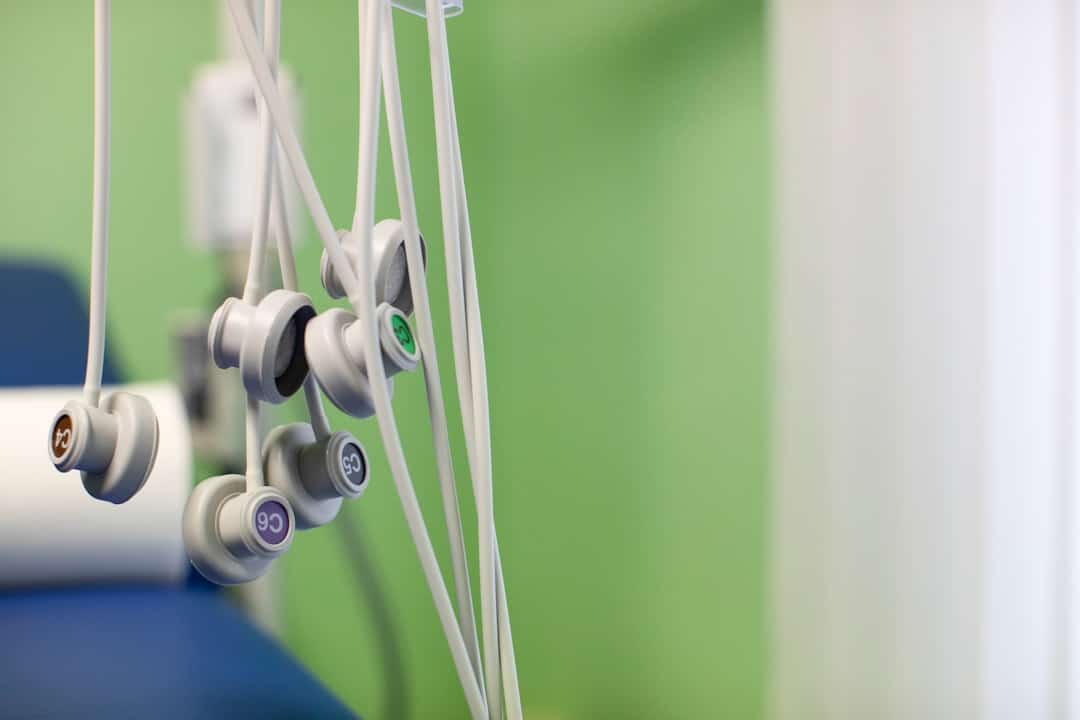
Wearable ECG monitors are portable devices that continuously record electrocardiogram readings to track heart rhythms outside of clinical settings. These devices are typically worn on the wrist or integrated into clothing, allowing users to monitor their cardiovascular health during daily activities. Unlike conventional ECG machines that require medical supervision and are confined to healthcare facilities, wearable monitors enable independent heart rhythm monitoring in various environments.
The development of wearable ECG technology has accelerated due to improvements in miniaturized sensors, signal processing algorithms, and wireless communication capabilities. These devices employ digital signal processing to detect irregular heart rhythms and potential cardiac abnormalities. The sensors capture electrical signals from the heart through skin contact, while embedded software analyzes the data to identify patterns that may indicate arrhythmias or other cardiovascular conditions.
Current wearable ECG monitors can detect atrial fibrillation, bradycardia, tachycardia, and other rhythm disorders. The devices store recorded data locally and transmit information to smartphones or cloud-based platforms for further analysis. Healthcare providers can access this continuous monitoring data to make more informed diagnostic and treatment decisions, particularly for patients with known cardiac conditions or those at risk for developing heart rhythm abnormalities.
Key Takeaways
- Wearable ECG monitors provide continuous heart monitoring, enhancing early detection of heart conditions.
- They offer convenience and accessibility, allowing users to track heart health anytime and anywhere.
- Understanding the data from these devices empowers users to make informed health decisions.
- Choosing the right wearable ECG monitor involves considering accuracy, features, and user needs.
- These devices play a crucial role in managing heart health and represent the future of cardiac care technology.
Benefits of Using Wearable ECG Monitors for Heart Health
The benefits of using wearable ECG monitors extend far beyond mere convenience; they encompass a range of health advantages that can significantly impact an individual’s quality of life. One of the primary benefits is the ability to monitor heart health continuously. Traditional ECG tests are often limited to brief snapshots of heart activity, typically conducted in a clinical setting.
In contrast, wearable devices can provide ongoing data, allowing users to observe trends and fluctuations in their heart rhythms over time. This continuous monitoring can lead to earlier detection of potential issues, enabling timely intervention and management. Moreover, wearable ECG monitors can enhance patient engagement in their own health management.
By providing users with immediate access to their heart data, these devices encourage individuals to take an active role in understanding their cardiovascular health. This empowerment can lead to healthier lifestyle choices, such as improved diet and increased physical activity, as users become more aware of how their behaviors impact their heart health. Additionally, many wearable ECG monitors come equipped with features that allow users to set alerts for abnormal heart rhythms or other concerning metrics, further promoting proactive health management.
How Wearable ECG Monitors Can Aid in Early Detection of Heart Conditions
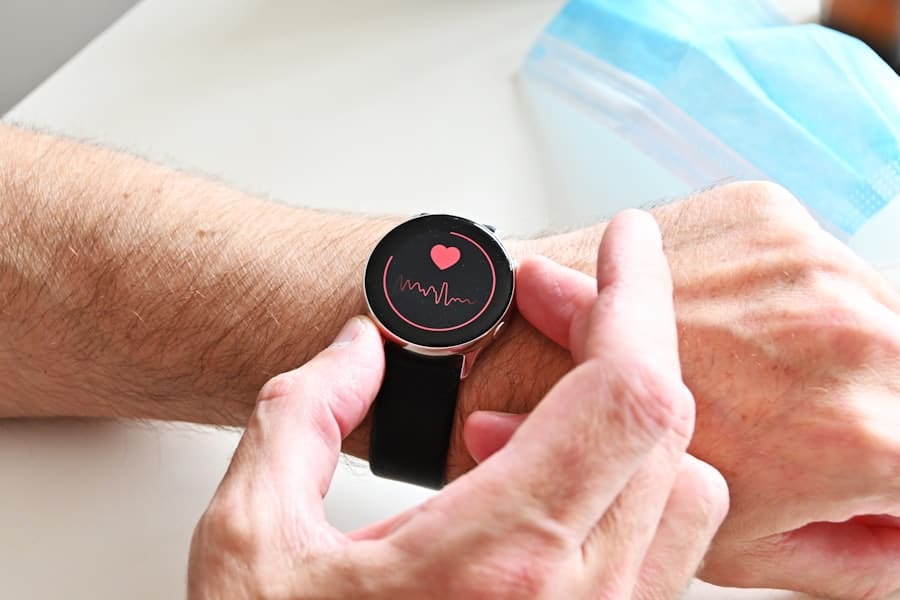
Early detection of heart conditions is crucial for effective treatment and management. Wearable ECG monitors play a pivotal role in this process by providing real-time data that can reveal irregularities in heart rhythms that may go unnoticed during routine check-ups. For instance, conditions such as atrial fibrillation (AFib), which can lead to serious complications like stroke if left untreated, can be detected through the continuous monitoring capabilities of these devices.
Studies have shown that wearable technology can identify AFib episodes with a high degree of accuracy, allowing for timely medical intervention. In addition to AFib, wearable ECG monitors can also help identify other cardiac issues such as bradycardia (abnormally slow heart rate) and tachycardia (abnormally fast heart rate). By alerting users to these irregularities, the devices facilitate early consultations with healthcare professionals who can conduct further assessments and recommend appropriate treatments.
This proactive approach not only improves individual outcomes but also reduces the burden on healthcare systems by potentially decreasing the number of emergency visits related to undiagnosed heart conditions.
The Convenience and Accessibility of Wearable ECG Monitors
One of the most compelling aspects of wearable ECG monitors is their convenience and accessibility. Unlike traditional ECG machines that require appointments and visits to healthcare facilities, wearable devices allow users to monitor their heart health anytime and anywhere. This level of accessibility is particularly beneficial for individuals living in remote areas or those with mobility challenges who may find it difficult to attend regular medical appointments.
With just a simple device on their wrist or integrated into their clothing, users can gain insights into their heart health without the need for extensive travel or time away from their daily routines. Furthermore, the user-friendly design of many wearable ECG monitors makes them suitable for a wide range of demographics, including older adults who may not be tech-savvy. Many devices feature intuitive interfaces and companion apps that simplify data interpretation and provide educational resources about heart health.
This ease of use encourages more individuals to engage with their cardiovascular health actively, fostering a culture of wellness that prioritizes prevention and early detection.
Understanding the Data Provided by Wearable ECG Monitors
| Metric | Description | Importance for Heart Health |
|---|---|---|
| Continuous Monitoring | Ability to track heart activity 24/7 | Detects irregularities that may be missed during short clinical visits |
| Early Detection of Arrhythmias | Identifies abnormal heart rhythms like atrial fibrillation | Prevents stroke and other complications by enabling timely treatment |
| Real-Time Alerts | Immediate notifications for abnormal heart events | Allows prompt medical intervention, reducing risk of severe outcomes |
| Data Accuracy | High-fidelity ECG signal capture | Ensures reliable diagnosis and monitoring of heart conditions |
| Patient Compliance | Ease of use and comfort encourage regular wear | Improves long-term monitoring and management of heart health |
| Remote Monitoring Capability | Data can be shared with healthcare providers remotely | Facilitates continuous care without frequent hospital visits |
| Reduction in Hospital Admissions | Early detection and management reduce emergency visits | Decreases healthcare costs and improves patient quality of life |
The data generated by wearable ECG monitors is rich and multifaceted, offering users valuable insights into their heart health. At its core, an ECG monitor records the electrical activity of the heart, producing a waveform that reflects how well the heart is functioning. Users can view metrics such as heart rate variability (HRV), which indicates how well the body responds to stress and recovery; this information can be crucial for understanding overall cardiovascular fitness.
In addition to basic metrics like heart rate and rhythm, many advanced wearable ECG monitors provide detailed analytics that can help users interpret their data more effectively. For example, some devices offer features that allow users to track changes over time, compare their readings against established norms, and even receive personalized feedback based on their unique health profiles. This level of detail not only enhances user understanding but also facilitates informed discussions with healthcare providers about potential concerns or necessary lifestyle adjustments.
Considerations for Choosing the Right Wearable ECG Monitor
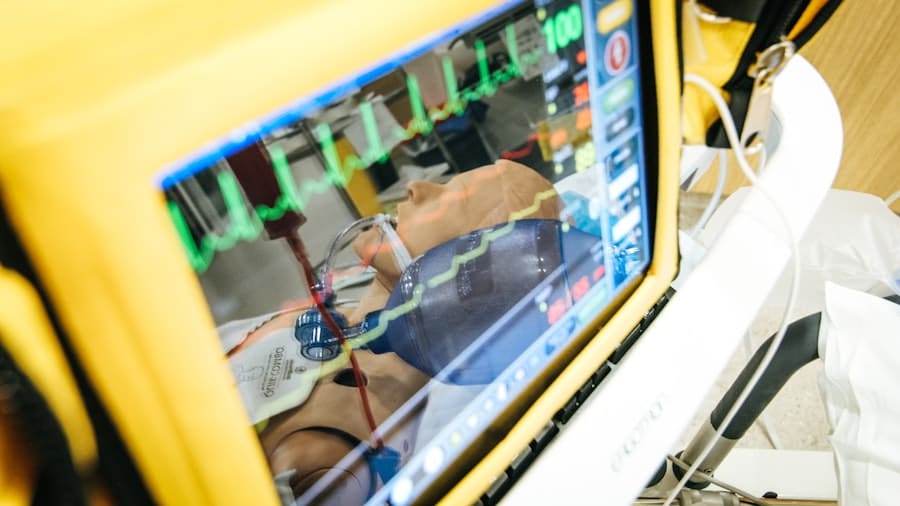
When selecting a wearable ECG monitor, several factors should be taken into account to ensure that the device meets individual needs effectively. First and foremost is accuracy; it is essential to choose a device that has been clinically validated for its performance in detecting arrhythmias and other cardiac conditions. Users should look for products that have undergone rigorous testing and have received endorsements from reputable medical organizations.
Another important consideration is compatibility with other health technologies. Many individuals use multiple devices to track various aspects of their health, such as fitness trackers or smartwatches. Choosing a wearable ECG monitor that seamlessly integrates with existing technology can enhance the overall user experience and provide a more comprehensive view of one’s health data.
Additionally, factors such as battery life, comfort during wear, and ease of use should also be evaluated to ensure that the device fits seamlessly into daily life.
The Role of Wearable ECG Monitors in Managing Heart Health
Wearable ECG monitors are not just tools for detection; they play a crucial role in ongoing management of heart health as well. For individuals diagnosed with existing heart conditions, these devices can serve as an essential part of a comprehensive care plan. By providing continuous monitoring capabilities, they allow patients and healthcare providers to track the effectiveness of treatments and make necessary adjustments based on real-time data.
Moreover, these devices can facilitate better communication between patients and healthcare professionals. Many wearable ECG monitors come equipped with features that allow users to share their data directly with their doctors or care teams. This capability fosters collaborative decision-making and ensures that patients receive personalized care tailored to their specific needs.
As healthcare continues to evolve towards more patient-centered models, wearable ECG monitors will undoubtedly play an integral role in enhancing the management of cardiovascular health.
The Future of Wearable ECG Monitors in Heart Health
The future of wearable ECG monitors appears promising as technology continues to advance at an unprecedented pace. With ongoing research into artificial intelligence and machine learning algorithms, we can expect even greater accuracy and predictive capabilities from these devices in the coming years. As they become more sophisticated, wearable ECG monitors will likely play an increasingly central role in preventive healthcare strategies aimed at reducing the incidence of cardiovascular diseases.
Furthermore, as public awareness about heart health grows and more individuals embrace proactive monitoring practices, the demand for wearable ECG technology will likely increase.
Ultimately, wearable ECG monitors are poised not only to transform individual approaches to heart health but also to reshape the landscape of cardiovascular care on a broader scale.
Wearable ECG monitors have become increasingly essential for maintaining heart health, as they provide real-time data and insights that can help individuals monitor their cardiovascular conditions effectively.
, while others can be worn continuously for weeks or months, depending on battery life and sensor type.</p>
<h3>Do wearable ECG monitors require a prescription?</h3>
<p>Some wearable ECG monitors are available over-the-counter for general wellness, while others, especially those intended for medical diagnosis, may require a prescription or recommendation from a healthcare provider.</p>
<h3>Is the data from wearable ECG monitors secure?</h3>
<p>Reputable manufacturers implement encryption and privacy measures to protect user data. However, users should review privacy policies and ensure devices comply with relevant health data protection regulations.</p>
<h3>Can wearable ECG monitors detect heart attacks?</h3>
<p>Wearable ECG monitors can detect abnormal heart rhythms and signs that may indicate a heart attack, but they are not definitive diagnostic tools for heart attacks. Immediate medical attention is necessary if heart attack symptoms occur.</p>
<h3>How do wearable ECG monitors differ from fitness trackers?</h3>
<p>While many fitness trackers monitor heart rate, wearable ECG monitors specifically record the heart’s electrical signals, providing detailed information about heart rhythm and function, which is critical for detecting cardiac abnormalities.</p>
<div class="clear"></div> </div>
<footer class="entry-meta">
<div class="entry-tax"><span>Tags: No tags</span></div>
<div class="aux-single-post-share">
<div class="aux-tooltip-socials aux-tooltip-dark aux-socials aux-icon-left aux-medium aux-tooltip-social-no-text" >
<span class="aux-icon auxicon-share" ></span>
</div>
</div>
</footer>
</div>
<nav class="aux-next-prev-posts nav-skin-thumb-arrow">
<section class="np-prev-section has-nav-thumb" >
<a href="https://enicomp.com/why-quantum-computing-is-essential-for-financial-modeling/">
<div class="np-arrow">
<div class="aux-hover-slide aux-arrow-nav aux-outline">
<span class="aux-svg-arrow aux-medium-left"></span>
<span class="aux-hover-arrow aux-svg-arrow aux-medium-left"></span>
</div>
<img width="80" height="80" src="https://enicomp.com/wp-content/uploads/2025/12/image-275-80x80.jpg" class="auxin-attachment auxin-featured-image attachment-80x80" alt="Photo Finance" /> </div>
<p class="np-nav-text">Previous Post</p>
<h4 class="np-title">Why Quantum Computing Is Essential for Financial Modeling</h4>
</a>
</section>
<section class="np-next-section has-nav-thumb" >
<a href="https://enicomp.com/why-ai-is-key-to-smart-city-infrastructure-management-2/">
<div class="np-arrow">
<div class="aux-arrow-nav aux-hover-slide aux-outline">
<span class="aux-svg-arrow aux-medium-right"></span>
<span class="aux-hover-arrow aux-svg-arrow aux-medium-right"></span>
</div>
<img width="80" height="80" src="https://enicomp.com/wp-content/uploads/2025/12/image-279-80x80.jpg" class="auxin-attachment auxin-featured-image attachment-80x80" alt="Photo Smartcity" /> </div>
<p class="np-nav-text">Next Post</p>
<h4 class="np-title">Why AI Is Key to Smart City Infrastructure Management</h4>
</a>
</section>
</nav>
</article>
</div><!-- end content -->
</div><!-- end primary -->
<aside class="aux-sidebar aux-sidebar-primary">
<div class="sidebar-inner">
<div class="sidebar-content">
<div class="aux-widget-area"><section id="block-4" class=" aux-open widget-container widget_block">
<h2 class="wp-block-heading">POPULAR</h2>
</section><section id="block-33" class=" aux-open widget-container widget_block">
<h2 class="wp-block-heading">CATEGORIES</h2>
</section><section id="categories-3" class=" aux-open widget-container widget_categories"><h3 class="widget-title">Categories</h3>
<ul>
<li class="cat-item cat-item-162"><a href="https://enicomp.com/category/5g-wireless-communication-technologies/">5G, Wireless & Communication Technologies</a> (178)
<ul class=)