

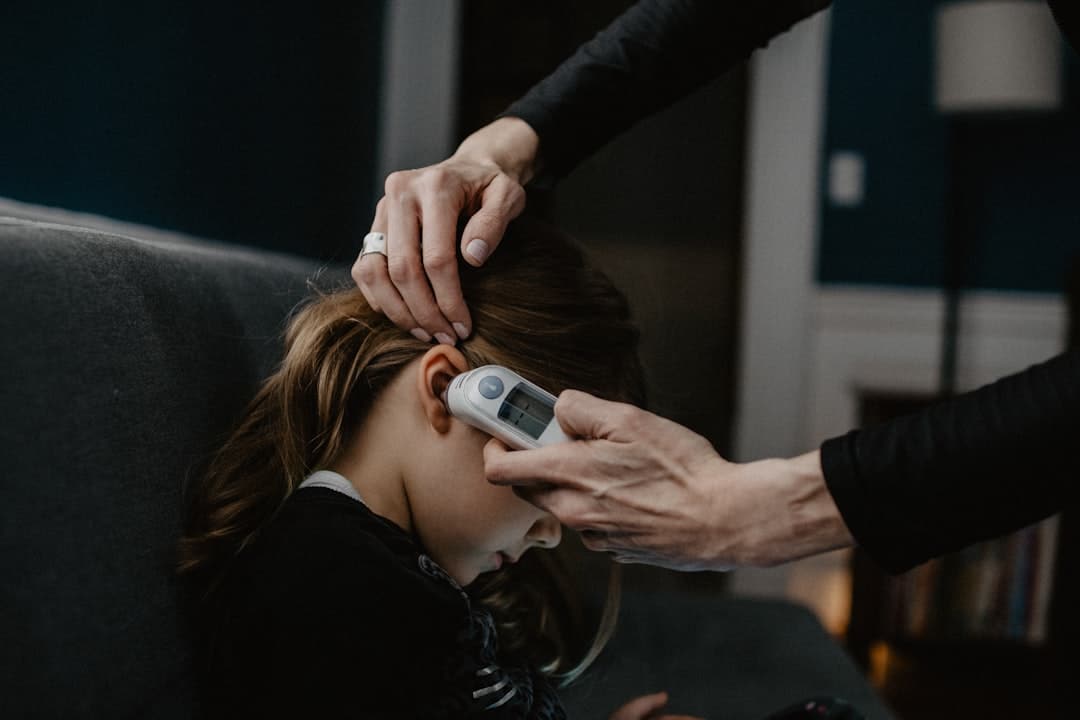
Early detection of illness is a cornerstone of effective healthcare, significantly influencing treatment outcomes and patient survival rates. Identifying health issues at their nascent stages allows for timely intervention, which can prevent the progression of diseases and reduce the burden on healthcare systems. For instance, conditions such as cancer, diabetes, and cardiovascular diseases often present subtle symptoms that can be easily overlooked.
However, with early detection through regular monitoring, patients can receive appropriate treatments that may lead to better prognoses and improved quality of life. Moreover, early illness detection is not solely beneficial for individual patients; it also has broader implications for public health. By identifying outbreaks of infectious diseases early, health authorities can implement containment measures to prevent widespread transmission.
This was notably observed during the COVID-19 pandemic, where early identification of cases through various monitoring methods played a crucial role in controlling the spread of the virus. As healthcare continues to evolve, the integration of technology into early detection methods is becoming increasingly vital, paving the way for innovative solutions that enhance patient care and public health initiatives.
Key Takeaways
- Early detection of illness through body temperature monitoring can improve treatment outcomes.
- Temperature-sensing wearables continuously track body temperature using advanced sensors.
- Changes in body temperature are key indicators for identifying potential illnesses.
- Wearables offer advantages like real-time monitoring, convenience, and early warning signs.
- Despite benefits, challenges include accuracy issues, data privacy, and user compliance.
How Temperature-Sensing Wearables Work
Temperature-sensing wearables are sophisticated devices designed to monitor body temperature continuously or at regular intervals. These devices typically utilize thermistors or infrared sensors to measure skin temperature, which can provide insights into an individual’s core body temperature. The data collected is then transmitted to a paired smartphone or computer application, where it can be analyzed in real-time.
Some advanced wearables also incorporate machine learning algorithms that can detect patterns and anomalies in temperature readings, alerting users to potential health issues. The technology behind these wearables has evolved significantly over the years. Early models were often bulky and limited in functionality, but modern iterations are sleek, lightweight, and equipped with a range of features beyond temperature monitoring.
For example, many wearables now include heart rate monitors, sleep trackers, and activity sensors, providing a comprehensive view of an individual’s health status. This multifaceted approach not only enhances the accuracy of illness detection but also encourages users to engage with their health proactively.
The Role of Body Temperature in Detecting Illness

Body temperature is a critical physiological parameter that reflects the body’s response to various internal and external stimuli. A normal body temperature typically ranges from 97°F (36.1°C) to 99°F (37.2°C), but deviations from this range can indicate underlying health issues. For instance, a fever—defined as a temporary increase in body temperature—often signals an infection or inflammation.
Conversely, hypothermia, characterized by abnormally low body temperature, can indicate severe health problems such as exposure to extreme cold or metabolic disorders. The relationship between body temperature and illness detection is particularly evident in infectious diseases. For example, during the early stages of viral infections like influenza or COVID-19, individuals may experience a rise in body temperature as their immune system responds to the invading pathogens.
By monitoring temperature trends over time, wearables can help identify these early signs of illness, prompting users to seek medical advice or take preventive measures before symptoms escalate. This proactive approach not only benefits individual health but also contributes to broader public health efforts by enabling quicker responses to potential outbreaks.
Advantages of Using Wearables for Illness Detection
The integration of wearables into health monitoring offers numerous advantages that enhance early illness detection capabilities. One significant benefit is the convenience and accessibility these devices provide. Unlike traditional methods of temperature measurement, which often require manual intervention and can be cumbersome, wearables allow for continuous monitoring without disrupting daily activities.
This ease of use encourages individuals to engage with their health more regularly, leading to better awareness and management of potential health issues.
By collecting and analyzing temperature data over time, these devices can identify individual baselines and detect deviations that may indicate illness.
This personalized approach enables users to understand their unique health patterns better and empowers them to make informed decisions regarding their well-being. Furthermore, many wearables are designed to integrate seamlessly with other health applications and devices, creating a holistic view of an individual’s health status that can be shared with healthcare providers for more informed clinical decisions.
The Impact of Temperature-Sensing Wearables on Public Health
| Metric | Description | Importance for Early Illness Detection | Example Data |
|---|---|---|---|
| Body Temperature Range | Normal human body temperature typically ranges from 36.1°C to 37.2°C (97°F to 99°F) | Detects deviations indicating fever or hypothermia, early signs of infection or illness | 37.8°C indicates possible fever onset |
| Temperature Variation Sensitivity | Ability to detect small changes in temperature (±0.1°C) | Enables early detection of subtle physiological changes before symptoms appear | 0.2°C rise over 2 hours |
| Continuous Monitoring Duration | Length of time wearable can monitor temperature continuously | Provides real-time data to identify trends and early warning signs | 24-72 hours of continuous data |
| Response Time | Time taken to detect and report temperature changes | Faster response allows quicker medical intervention | Less than 1 minute delay |
| Integration with Other Vital Signs | Capability to combine temperature data with heart rate, oxygen levels, etc. | Improves accuracy of illness detection and reduces false positives | Temperature + heart rate correlation |
| User Compliance Rate | Percentage of users consistently wearing the device as recommended | Higher compliance leads to more reliable early detection | 85% daily usage rate |
The proliferation of temperature-sensing wearables has the potential to significantly impact public health initiatives by enhancing disease surveillance and response strategies. With the ability to monitor large populations in real-time, these devices can serve as valuable tools for detecting outbreaks before they escalate into widespread public health crises. For instance, during flu season or in the event of an emerging infectious disease, aggregated data from wearables can help public health officials identify hotspots of elevated temperatures, allowing for targeted interventions such as vaccination campaigns or public awareness initiatives.
Moreover, the data collected from wearables can contribute to research efforts aimed at understanding disease patterns and trends within communities. By analyzing temperature data alongside other health metrics, researchers can gain insights into how environmental factors, lifestyle choices, and social determinants influence health outcomes. This information is crucial for developing effective public health policies and interventions tailored to specific populations’ needs.
Challenges and Limitations of Temperature-Sensing Wearables

Despite their numerous advantages, temperature-sensing wearables are not without challenges and limitations that must be addressed for optimal effectiveness. One significant concern is the accuracy and reliability of temperature measurements. Factors such as sensor placement, skin conditions, and external environmental influences can affect readings, leading to potential false positives or negatives in illness detection.
Ensuring that these devices provide consistent and accurate data is essential for building user trust and achieving meaningful health outcomes. Another challenge lies in user compliance and engagement. While wearables offer convenience, they require users to wear them consistently for accurate monitoring.
Factors such as battery life, comfort, and user interface design can influence whether individuals choose to use these devices regularly. Additionally, there may be privacy concerns regarding the collection and sharing of personal health data, which could deter some users from fully embracing wearable technology for health monitoring.
Future Developments in Temperature-Sensing Wearables
The future of temperature-sensing wearables holds exciting possibilities as technology continues to advance at a rapid pace. One area of development is the integration of artificial intelligence (AI) and machine learning algorithms into wearable devices. These technologies can enhance the ability of wearables to analyze complex data sets and identify patterns that may not be immediately apparent to users or healthcare providers.
For example, AI could help predict potential illness based on historical temperature trends combined with other biometric data. Additionally, future wearables may incorporate more advanced sensors capable of measuring additional physiological parameters beyond temperature. Innovations such as sweat analysis or non-invasive blood glucose monitoring could provide a more comprehensive view of an individual’s health status.
This multi-dimensional approach would enable earlier detection of various illnesses and improve overall health management strategies.
Recommendations for Using Temperature-Sensing Wearables for Early Illness Detection
To maximize the benefits of temperature-sensing wearables for early illness detection, users should consider several recommendations. First and foremost, it is essential to choose a device that has been validated for accuracy and reliability in clinical settings. Researching user reviews and consulting healthcare professionals can help individuals select a wearable that meets their specific needs.
Regularly reviewing and interpreting the data collected by the wearable is also crucial for effective illness detection. Users should familiarize themselves with their baseline temperature ranges and be vigilant about any significant deviations from these norms.
Lastly, individuals should maintain open communication with their healthcare providers regarding their wearable usage and any concerning trends observed in their data. Sharing this information can facilitate more informed discussions about health management strategies and ensure that any necessary interventions are implemented promptly. By adopting these practices, users can harness the full potential of temperature-sensing wearables as valuable tools for early illness detection and proactive health management.
Temperature-sensing wearables are becoming increasingly vital for early illness detection, as they can provide real-time data that helps in identifying potential health issues before they escalate. For a deeper understanding of how emerging technologies, including wearables, are shaping our health and wellness landscape, you can read the article on Wired.com’s focus on emerging technologies. This article explores various innovations that are revolutionizing the way we monitor and manage our health.
FAQs
What are temperature-sensing wearables?
Temperature-sensing wearables are electronic devices worn on the body that continuously monitor and record the wearer’s body temperature. They use sensors to detect temperature changes in real time.
How do temperature-sensing wearables help in early illness detection?
These wearables can identify subtle changes in body temperature that may indicate the onset of an illness, such as a fever. Early detection allows for timely medical intervention and can help prevent the spread of contagious diseases.
What types of illnesses can temperature-sensing wearables detect early?
They are particularly useful for detecting infections that cause fever, including viral illnesses like the flu and COVID-19, as well as bacterial infections and other inflammatory conditions.
Are temperature-sensing wearables accurate?
Modern temperature-sensing wearables use advanced sensors and algorithms to provide accurate and continuous temperature readings. However, accuracy can vary depending on the device and how it is worn.
Can temperature-sensing wearables replace traditional thermometers?
While they provide continuous monitoring and early alerts, temperature-sensing wearables are generally used as a supplement to traditional thermometers rather than a complete replacement.
Who can benefit most from using temperature-sensing wearables?
Individuals at higher risk of illness, such as the elderly, people with chronic conditions, healthcare workers, and those in close-contact environments, can benefit significantly from early temperature monitoring.
Do temperature-sensing wearables require special maintenance?
Most devices require regular charging and occasional cleaning. Users should follow manufacturer guidelines to ensure accurate readings and device longevity.
Are there privacy concerns with temperature-sensing wearables?
As with any wearable technology that collects personal health data, privacy and data security are important considerations. Users should choose devices from reputable manufacturers that comply with data protection regulations.
Can temperature-sensing wearables detect illnesses without symptoms?
Yes, by continuously monitoring temperature trends, these wearables can detect early signs of illness before noticeable symptoms like fever or chills develop.
How do temperature-sensing wearables integrate with other health monitoring tools?
Many temperature-sensing wearables can sync with smartphones or health apps, allowing users and healthcare providers to track temperature data alongside other vital signs for comprehensive health monitoring.