

Early detection of illness is a cornerstone of effective healthcare, significantly influencing treatment outcomes and patient survival rates. The ability to identify health issues at their nascent stages allows for timely intervention, which can prevent the progression of diseases and reduce the burden on healthcare systems. For instance, conditions such as cancer, diabetes, and cardiovascular diseases often present subtle symptoms that can be easily overlooked.
However, with early detection through regular monitoring, patients can receive appropriate treatments that may lead to better prognoses and improved quality of life. Moreover, early illness detection is not solely beneficial for individual patients; it also has broader implications for public health. By identifying outbreaks of infectious diseases at an early stage, health authorities can implement containment measures more effectively, thereby preventing widespread transmission.
This proactive approach is particularly crucial in the context of global health crises, such as the COVID-19 pandemic, where rapid identification of cases was essential in curbing the spread of the virus. Consequently, the integration of technology in health monitoring, particularly through wearables, has emerged as a vital tool in enhancing early illness detection.
Key Takeaways
- Early detection of illness through temperature monitoring can lead to timely treatment and better health outcomes.
- Temperature-sensing wearables continuously track body temperature to identify abnormal changes indicative of illness.
- Body temperature is a key vital sign that helps detect infections and other health issues early.
- Wearables offer advantages like real-time monitoring, convenience, and non-invasive data collection.
- Challenges include accuracy limitations, user compliance, and data privacy concerns.
How Temperature-Sensing Wearables Work
Temperature-sensing wearables are designed to continuously monitor an individual’s body temperature, providing real-time data that can indicate potential health issues. These devices typically utilize thermistors or infrared sensors to measure skin temperature accurately. When worn on the wrist, finger, or other parts of the body, they can detect minute changes in temperature that may signal the onset of illness.
The data collected is often transmitted to a paired smartphone or computer application, where it can be analyzed and interpreted. The technology behind these wearables has evolved significantly over the years. Modern devices often incorporate advanced algorithms that not only track temperature but also analyze patterns over time.
For example, a sudden spike in temperature could trigger alerts for the user or their healthcare provider, prompting further investigation. Some wearables even integrate additional sensors to monitor heart rate variability and other physiological parameters, providing a more comprehensive view of an individual’s health status. This multifaceted approach enhances the reliability of temperature readings and improves the overall effectiveness of illness detection.
The Role of Body Temperature in Detecting Illness
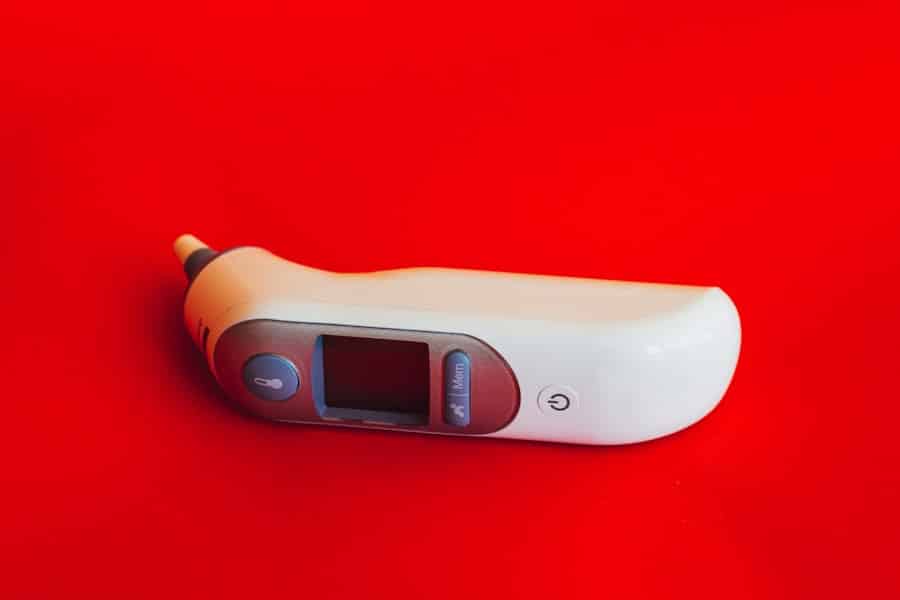
Body temperature is a critical physiological parameter that reflects the body’s response to various internal and external stimuli. Typically, a normal body temperature ranges from 97°F (36.1°C) to 99°F (37.2°C), with variations depending on factors such as time of day, activity level, and individual differences. When the body encounters an infection or other health issues, it often responds with a fever as part of its immune response.
This elevation in temperature serves as a defense mechanism aimed at creating an inhospitable environment for pathogens. Monitoring body temperature can thus provide valuable insights into an individual’s health status. For instance, a sustained increase in temperature may indicate an underlying infection, while a drop in temperature could signal other medical conditions such as sepsis or hypothermia.
In clinical settings, healthcare professionals often rely on temperature readings as part of their diagnostic toolkit. However, with the advent of wearable technology, individuals can now take a proactive role in monitoring their health by keeping track of their body temperature trends over time. This shift empowers users to recognize deviations from their baseline and seek medical advice when necessary.
Advantages of Using Wearables for Illness Detection
The integration of wearables into health monitoring offers numerous advantages that enhance early illness detection capabilities. One significant benefit is the convenience and accessibility these devices provide. Unlike traditional methods of temperature measurement that require manual intervention and can be cumbersome, wearables allow for continuous monitoring without disrupting daily activities.
This ease of use encourages individuals to engage more actively in their health management. Additionally, wearables can facilitate personalized health insights by analyzing individual data patterns over time.
This personalized approach not only fosters greater awareness but also enables users to make informed decisions about their health. Furthermore, many wearables are designed to sync with mobile applications that offer educational resources and tips for maintaining optimal health, thereby promoting preventive care.
Challenges and Limitations of Temperature-Sensing Wearables
| Metric | Description | Relevance to Early Illness Detection | Example Data |
|---|---|---|---|
| Body Temperature Range | Normal human body temperature typically ranges from 36.1°C to 37.2°C (97°F to 99°F) | Detects deviations indicating fever or hypothermia | 37.8°C indicates possible fever onset |
| Temperature Variation Sensitivity | Ability to detect changes as small as 0.1°C | Enables early detection of subtle temperature changes before symptoms appear | 0.2°C rise over 2 hours signals early infection |
| Continuous Monitoring Duration | Hours or days of uninterrupted temperature tracking | Captures temperature trends and patterns for early warning | 72 hours continuous data collection |
| Response Time | Time taken to detect and report temperature changes | Faster response enables quicker medical intervention | Real-time alerts within 5 minutes |
| Integration with Other Vital Signs | Combining temperature data with heart rate, oxygen levels, etc. | Improves accuracy of illness detection and reduces false positives | Temperature + elevated heart rate = higher illness probability |
| User Compliance Rate | Percentage of users consistently wearing the device | Higher compliance improves data reliability and early detection | 85% daily wear time |
Despite their potential benefits, temperature-sensing wearables are not without challenges and limitations. One primary concern is the accuracy and reliability of temperature readings. Factors such as sensor placement, environmental conditions, and individual physiological differences can all influence the accuracy of measurements.
For instance, skin temperature may not always correlate directly with core body temperature, leading to potential misinterpretations of health status. Another challenge lies in data privacy and security. As wearables collect sensitive health information, there is an inherent risk associated with data breaches and unauthorized access.
Users must be vigilant about the privacy policies of wearable manufacturers and ensure that their data is protected adequately. Additionally, the sheer volume of data generated by these devices can be overwhelming for users who may struggle to interpret the information meaningfully without proper guidance or support from healthcare professionals.
The Potential Impact on Public Health
The widespread adoption of temperature-sensing wearables has the potential to transform public health initiatives significantly. By enabling continuous monitoring of body temperature across diverse populations, these devices can facilitate early detection of infectious disease outbreaks and other public health threats. For example, during flu season or in the event of a pandemic, aggregated data from wearables could help public health officials identify hotspots and implement targeted interventions more effectively.
Moreover, wearables can play a crucial role in promoting preventive healthcare practices among individuals. By providing real-time feedback on health metrics such as body temperature and other vital signs, users are encouraged to adopt healthier lifestyles and seek medical attention when necessary. This shift towards proactive health management can lead to reduced healthcare costs and improved population health outcomes over time.
Future Developments in Temperature-Sensing Wearables
As technology continues to advance at a rapid pace, the future of temperature-sensing wearables holds exciting possibilities. Innovations in sensor technology are likely to enhance the accuracy and reliability of temperature measurements further. For instance, researchers are exploring the use of nanotechnology to develop ultra-sensitive sensors that can detect even minor fluctuations in body temperature with greater precision.
Additionally, the integration of artificial intelligence (AI) into wearable devices could revolutionize how health data is analyzed and interpreted. AI algorithms could identify patterns and correlations within large datasets that may not be immediately apparent to users or healthcare providers. This capability could lead to more accurate predictions regarding potential health issues and enable personalized recommendations tailored to individual users’ needs.
Considerations for Choosing the Right Wearable Device
When selecting a temperature-sensing wearable device, several factors should be taken into account to ensure it meets individual needs effectively. First and foremost is accuracy; prospective users should research devices known for reliable temperature measurements backed by clinical validation studies. Reading user reviews and expert opinions can provide valuable insights into real-world performance.
Another important consideration is compatibility with existing technology. Many wearables sync with smartphones or other devices via Bluetooth or Wi-Fi; therefore, ensuring compatibility with one’s preferred operating system is essential for seamless integration. Additionally, users should evaluate battery life and comfort; a device that requires frequent charging or is uncomfortable to wear may discourage regular use.
Finally, privacy features should not be overlooked when choosing a wearable device. Users should familiarize themselves with how their data will be stored and shared by manufacturers and ensure that robust security measures are in place to protect sensitive information. By carefully considering these factors, individuals can select a wearable device that not only enhances their ability to monitor their health but also aligns with their lifestyle and privacy preferences.
Temperature-sensing wearables are becoming increasingly vital for early illness detection, as they provide real-time health monitoring that can alert users to potential health issues before they escalate. For those interested in the broader implications of technology in health and wellness, a related article discussing the latest advancements in smartwatch applications can be found here: The Best Smartwatch Apps of 2023. This article highlights how innovative apps are enhancing the functionality of wearables, making them indispensable tools for health management.
FAQs
What are temperature-sensing wearables?
Temperature-sensing wearables are electronic devices worn on the body that continuously monitor and record the wearer’s body temperature. They use sensors to detect temperature changes and often sync data with smartphones or other devices for real-time tracking.
How do temperature-sensing wearables help in early illness detection?
These wearables can detect subtle changes in body temperature that may indicate the onset of an illness, such as a fever. Early detection allows users to seek medical advice sooner, potentially preventing the spread of contagious diseases and enabling timely treatment.
What types of illnesses can temperature-sensing wearables help detect early?
They are particularly useful for detecting infections that cause fever, including viral illnesses like the flu and COVID-19, as well as bacterial infections. They may also help monitor chronic conditions that affect body temperature regulation.
Are temperature-sensing wearables accurate?
Modern temperature-sensing wearables use advanced sensors and algorithms to provide accurate and continuous temperature readings. However, accuracy can vary depending on the device, placement on the body, and environmental factors.
Can temperature-sensing wearables replace traditional thermometers?
While they provide continuous monitoring and early alerts, temperature-sensing wearables are generally used as complementary tools rather than replacements for traditional thermometers, which are still needed for precise temperature measurement in clinical settings.
Who can benefit from using temperature-sensing wearables?
Individuals at higher risk of illness, such as the elderly, healthcare workers, and people with compromised immune systems, can benefit from early detection. Additionally, athletes and fitness enthusiasts may use them to monitor health and performance.
Do temperature-sensing wearables require special maintenance?
Most wearables require regular charging and occasional cleaning. Users should follow manufacturer guidelines to ensure sensor accuracy and device longevity.
Is the data from temperature-sensing wearables secure?
Reputable manufacturers implement data encryption and privacy measures to protect user information. Users should review privacy policies and use secure apps to manage their health data.
Can temperature-sensing wearables detect other health metrics?
Many temperature-sensing wearables also track additional health metrics such as heart rate, sleep patterns, and activity levels, providing a more comprehensive overview of the wearer’s health.
Where can I purchase temperature-sensing wearables?
They are available through electronics retailers, online marketplaces, and directly from manufacturers. It is important to choose devices from reputable brands with verified accuracy and good customer reviews.