

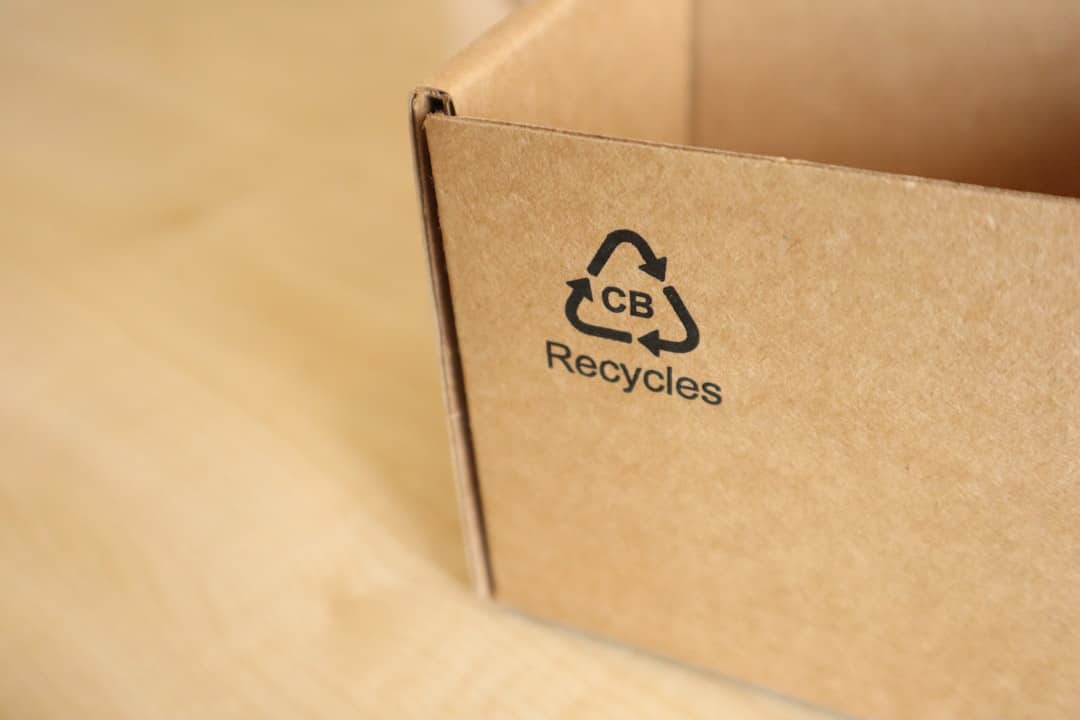
Packaging plays a crucial role in the modern economy, serving as a protective layer for products during transportation and storage. However, the environmental consequences of packaging materials, particularly single-use plastics, have become increasingly evident. The production and disposal of packaging contribute significantly to pollution, greenhouse gas emissions, and resource depletion. For instance, plastic waste often ends up in oceans and landfills, where it can take hundreds of years to decompose. This not only harms wildlife but also disrupts ecosystems, leading to long-term environmental degradation.
Moreover, the extraction of raw materials for packaging production, such as petroleum for plastics or trees for paper products, places additional strain on natural resources. Deforestation and habitat destruction are direct results of increased demand for packaging materials. As consumers become more aware of these issues, the call for sustainable alternatives has intensified. The environmental impact of packaging is not just a concern for manufacturers; it is a pressing issue that affects all stakeholders in the supply chain, from producers to consumers.
In the quest for sustainable business practices, understanding the role of innovative packaging solutions is crucial. A related article that delves deeper into the significance of sustainable approaches in various industries is available at Best Software for Literature Review. This resource provides valuable insights into how businesses can leverage technology and research to enhance their sustainability efforts, making it a perfect complement to the discussion on why sustainable packaging innovations are a business imperative.
Key Takeaways
- Packaging significantly affects the environment, prompting the need for sustainable solutions.
- Consumers increasingly prefer products with eco-friendly packaging.
- Governments are implementing regulations to promote sustainable packaging practices.
- Sustainable packaging can lead to cost savings and improved operational efficiency.
- Innovation drives the development of effective and attractive sustainable packaging options.
Consumer Demand for Sustainable Packaging
In recent years, there has been a notable shift in consumer preferences towards sustainable packaging solutions. This change is driven by a growing awareness of environmental issues and a desire to make responsible purchasing decisions. Consumers are increasingly seeking products that are packaged in eco-friendly materials, such as biodegradable plastics or recycled paper. This trend is particularly pronounced among younger demographics, who are more likely to prioritize sustainability when making purchasing choices.
As a result, companies are responding to this demand by innovating their packaging strategies. Many brands are now investing in research and development to create sustainable packaging options that meet consumer expectations while maintaining product integrity. This shift not only aligns with consumer values but also positions companies as leaders in sustainability, enhancing their market competitiveness. The demand for sustainable packaging is reshaping the industry landscape, prompting businesses to rethink their packaging practices and adopt more environmentally friendly solutions.
Government Regulations and Policies

Government regulations play a significant role in shaping the packaging landscape. Many countries have implemented policies aimed at reducing plastic waste and promoting sustainable packaging practices. These regulations often include bans on single-use plastics, mandates for recycling, and incentives for companies that adopt eco-friendly packaging solutions. Such policies are designed to mitigate the environmental impact of packaging and encourage businesses to transition towards more sustainable practices.
In addition to national regulations, local governments are also taking action by introducing initiatives that promote recycling and waste reduction. These efforts can create a more favorable environment for companies that prioritize sustainability in their packaging choices. Compliance with these regulations not only helps businesses avoid penalties but also enhances their reputation as responsible corporate citizens. As governments continue to prioritize environmental sustainability, companies will need to adapt their packaging strategies to align with evolving regulations and consumer expectations.
Cost Savings and Efficiency

Adopting sustainable packaging practices can lead to significant cost savings and operational efficiencies for businesses. While the initial investment in eco-friendly materials may be higher, companies often find that sustainable packaging solutions can reduce overall costs in the long run. For example, lightweight materials can lower shipping costs by reducing transportation expenses. Additionally, efficient packaging designs can minimize material usage, leading to lower production costs and waste.
Furthermore, companies that embrace sustainable practices may benefit from improved supply chain efficiency. By optimizing packaging processes and reducing waste, businesses can streamline operations and enhance productivity. This not only contributes to cost savings but also aligns with broader corporate sustainability goals. As organizations recognize the financial advantages of sustainable packaging, they are increasingly motivated to integrate these practices into their business models.
In the quest for more environmentally friendly practices, companies are increasingly recognizing the importance of sustainable packaging innovations as a business imperative. A related article discusses how technology, like the Samsung Galaxy S21, can play a crucial role in enhancing consumer engagement and promoting eco-friendly initiatives. By integrating advanced features that highlight sustainability, brands can effectively connect with eco-conscious consumers. For more insights on this topic, you can read the article com/unlock-the-power-of-the-galaxy-with-the-samsung-galaxy-s21/’>here.
Brand Reputation and Customer Loyalty
| Metric | Data/Value | Relevance to Business Imperative |
|---|---|---|
| Consumer Preference for Sustainable Packaging | 73% of global consumers willing to pay more for sustainable packaging | Drives demand and brand loyalty, impacting sales positively |
| Reduction in Packaging Waste | Packaging accounts for 30% of total waste in landfills | Innovations reduce environmental impact and regulatory risks |
| Cost Savings from Material Efficiency | Up to 20% reduction in packaging material usage | Decreases production costs and improves profit margins |
| Regulatory Compliance | Over 60 countries have packaging waste regulations | Ensures market access and avoids fines or sanctions |
| Brand Reputation Impact | 85% of consumers trust brands with sustainable practices | Enhances brand image and competitive advantage |
| Carbon Footprint Reduction | Innovative packaging can reduce emissions by up to 40% | Supports corporate sustainability goals and investor appeal |
The adoption of sustainable packaging can significantly enhance a brand’s reputation and foster customer loyalty. In an era where consumers are more informed and concerned about environmental issues, brands that prioritize sustainability are often viewed more favorably. Companies that invest in eco-friendly packaging demonstrate a commitment to social responsibility, which can resonate with consumers and strengthen brand loyalty.
Moreover, positive brand reputation can lead to increased customer retention and attract new customers who share similar values. Consumers are more likely to support brands that align with their beliefs about sustainability and environmental stewardship. As a result, businesses that prioritize sustainable packaging not only enhance their public image but also cultivate a loyal customer base that is willing to advocate for their products.
In the ongoing discussion about sustainable practices, the importance of innovative packaging solutions cannot be overstated, as highlighted in the article on why sustainable packaging innovations are a business imperative. For businesses looking to enhance their operational efficiency, understanding the role of technology in logistics is equally crucial. A related article explores the best software for freight forwarders in 2023, which can significantly streamline supply chain processes and support sustainability efforts. You can read more about it here.
Access to New Markets and Customers
Sustainable packaging can open doors to new markets and customer segments that prioritize eco-friendly practices. As global awareness of environmental issues grows, many consumers actively seek out brands that demonstrate a commitment to sustainability. This trend is particularly evident in markets where consumers are willing to pay a premium for products that are packaged sustainably.
Additionally, businesses that adopt sustainable packaging practices may find opportunities to collaborate with other organizations focused on environmental initiatives. Partnerships with non-profits or participation in sustainability-focused events can further enhance visibility and credibility within these markets.
By aligning with the values of environmentally conscious consumers, companies can expand their reach and tap into new revenue streams.
Attracting and Retaining Talent
The commitment to sustainability can also play a crucial role in attracting and retaining talent within organizations. Many employees today seek employers whose values align with their own, particularly regarding environmental responsibility. Companies that prioritize sustainable practices often find it easier to attract top talent who are passionate about making a positive impact on the world.
Moreover, fostering a culture of sustainability within an organization can enhance employee engagement and satisfaction. When employees feel that they are contributing to meaningful initiatives, such as reducing waste through sustainable packaging practices, they are more likely to be motivated and committed to their work. This alignment between personal values and corporate goals can lead to higher retention rates and a more dedicated workforce.
The Role of Innovation in Sustainable Packaging
Innovation is at the forefront of the transition towards sustainable packaging solutions. Companies are increasingly investing in research and development to create new materials and technologies that minimize environmental impact while maintaining functionality. Innovations such as plant-based plastics, compostable materials, and smart packaging solutions are emerging as viable alternatives to traditional packaging options.
Furthermore, advancements in technology enable companies to optimize their packaging processes for greater efficiency and sustainability. For instance, digital printing techniques allow for reduced waste during production, while data analytics can help businesses identify opportunities for improvement in their supply chains. As innovation continues to drive the evolution of sustainable packaging, companies that embrace these advancements will be better positioned to meet consumer demands and regulatory requirements while contributing positively to the environment.
In conclusion, the shift towards sustainable packaging is driven by various factors including environmental concerns, consumer demand, government regulations, cost efficiency, brand reputation, market access, talent attraction, and innovation. As businesses navigate this evolving landscape, those that prioritize sustainability in their packaging strategies will likely find themselves at a competitive advantage in an increasingly eco-conscious marketplace.
FAQs
What is sustainable packaging?
Sustainable packaging refers to the development and use of packaging solutions that have minimal environmental impact. This includes using materials that are recyclable, biodegradable, or made from renewable resources, as well as designing packaging to reduce waste and energy consumption.
Why are sustainable packaging innovations considered a business imperative?
Sustainable packaging innovations are a business imperative because they help companies meet increasing consumer demand for environmentally responsible products, comply with regulatory requirements, reduce costs through material efficiency, and enhance brand reputation. These factors contribute to long-term business viability and competitiveness.
What are some common materials used in sustainable packaging?
Common materials used in sustainable packaging include recycled paper and cardboard, bioplastics made from plant-based sources, compostable materials, and reusable containers. These materials are chosen for their ability to reduce environmental impact compared to traditional packaging options.
How does sustainable packaging benefit the environment?
Sustainable packaging benefits the environment by reducing waste sent to landfills, lowering greenhouse gas emissions through decreased production and transportation energy, conserving natural resources, and minimizing pollution. It supports a circular economy by promoting reuse and recycling.
What challenges do businesses face when adopting sustainable packaging?
Businesses may face challenges such as higher initial costs, supply chain adjustments, limited availability of sustainable materials, and the need to balance packaging functionality with environmental goals. However, many companies find that these challenges are outweighed by long-term benefits and consumer support.