

Stress-related health conditions have increased significantly in prevalence over the past decade, creating substantial challenges for both individuals and healthcare systems. Multiple factors contribute to this trend, including accelerated work environments, economic instability, and widespread social media usage. The American Psychological Association reports that approximately 75% of adults experience moderate to high stress levels, with documented connections to both physical and psychological health complications.
Medical research has established links between chronic stress exposure and cardiovascular disease, hypertension, anxiety disorders, and major depressive episodes. The World Health Organization has designated stress as a global health priority due to its extensive impact on population health outcomes. Stress-related health issues generate consequences that extend beyond individual patient care to encompass workplace efficiency and broader economic impacts.
Research indicates that employees experiencing elevated stress levels demonstrate measurable decreases in job performance, increased sick leave usage, and higher rates of employment termination. Corporate organizations have responded by developing employee wellness initiatives and expanding access to mental health services. Despite these institutional interventions, many individuals continue to experience difficulty with stress management, creating demand for evidence-based monitoring systems and intervention strategies that can effectively reduce stress-related health risks.
Key Takeaways
- Stress-related health issues are increasing globally, highlighting the need for effective management tools.
- Technology, especially stress-tracking wearables, plays a crucial role in monitoring and managing stress levels.
- Stress-tracking wearables use sensors to measure physiological indicators like heart rate variability to assess stress.
- These devices offer benefits such as real-time feedback, personalized insights, and improved mental health awareness.
- Choosing the right wearable and using it effectively are key to maximizing its impact on stress management.
The Role of Technology in Stress Management
As the understanding of stress and its effects has evolved, so too has the role of technology in managing it. The advent of smartphones and wearable devices has transformed how individuals approach their mental health. Mobile applications designed for mindfulness, meditation, and relaxation techniques have gained popularity, providing users with tools to combat stress on-the-go.
These applications often incorporate guided meditations, breathing exercises, and even virtual therapy sessions, making mental health resources more accessible than ever before. Wearable technology has taken this a step further by integrating stress management features directly into devices that people already use daily. Smartwatches and fitness trackers now come equipped with sensors that monitor physiological indicators of stress, such as heart rate variability and skin temperature.
This data can provide users with real-time feedback about their stress levels, enabling them to take proactive measures when they notice signs of heightened tension. The intersection of technology and mental health is creating a new paradigm in which individuals can take charge of their well-being through informed decision-making.
How Stress-Tracking Wearables Work
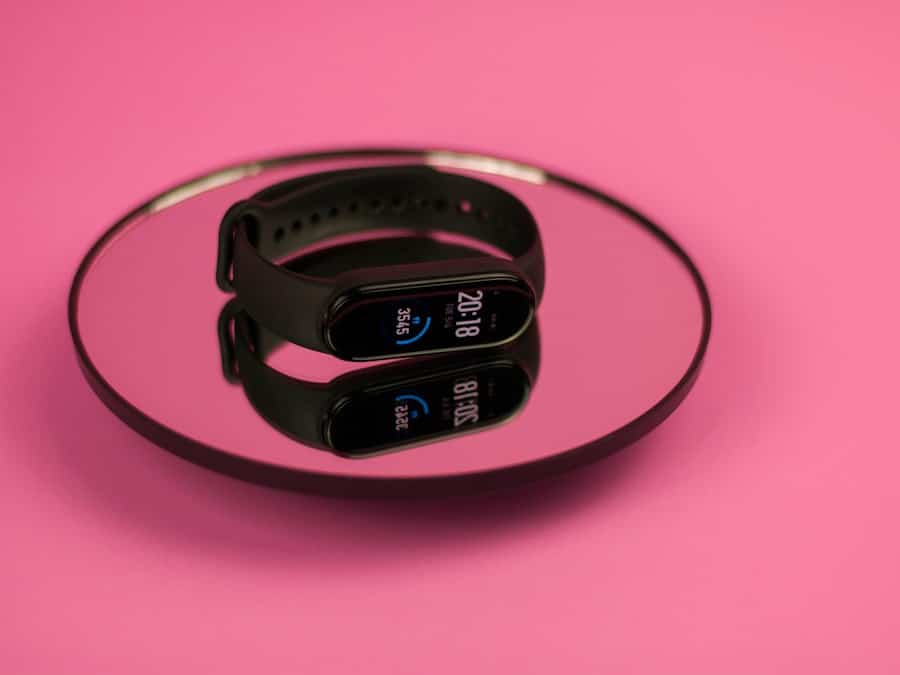
Stress-tracking wearables utilize a combination of sensors and algorithms to assess an individual’s physiological responses to stressors. At the core of these devices are sensors that measure heart rate, heart rate variability (HRV), skin conductance, and sometimes even respiratory patterns. Heart rate variability is particularly significant; it reflects the autonomic nervous system’s response to stress.
A higher HRV typically indicates a relaxed state, while a lower HRV suggests increased stress levels. Once the data is collected, sophisticated algorithms analyze the information to provide insights into the user’s stress levels. For instance, if a wearable detects an elevated heart rate coupled with reduced HRV during a specific time frame, it may indicate that the user is experiencing stress.
Many devices also incorporate machine learning techniques to improve their accuracy over time by learning from the user’s unique physiological patterns. This personalized approach allows wearables to offer tailored recommendations for stress management based on individual responses.
The Benefits of Using Stress-Tracking Wearables
The benefits of using stress-tracking wearables extend beyond mere data collection; they empower users to take actionable steps toward improving their mental health. One significant advantage is the ability to identify patterns in stress triggers. By tracking physiological responses over time, users can pinpoint specific situations or activities that lead to increased stress levels.
For example, someone may discover that their heart rate spikes during work meetings or while commuting, prompting them to develop strategies to mitigate these stressors. Additionally, these devices often provide users with real-time feedback and alerts when stress levels rise. This immediate awareness can encourage individuals to engage in calming activities such as deep breathing exercises or short walks to alleviate tension before it escalates further.
This holistic approach fosters a greater sense of control over one’s mental health.
The Impact of Stress-Tracking Wearables on Mental Health
| Metric | Description | Data/Value | Source/Year |
|---|---|---|---|
| Market Growth Rate | Annual growth rate of stress-tracking wearable market | 15% CAGR | Global Market Insights, 2023 |
| User Adoption | Percentage of wearable users utilizing stress-tracking features | 45% | Statista, 2023 |
| Stress Awareness Increase | Increase in public awareness about stress and mental health | 30% rise over 5 years | WHO, 2022 |
| Health Benefits Reported | Users reporting improved stress management using wearables | 60% | Journal of Medical Internet Research, 2023 |
| Integration with Health Apps | Percentage of wearables integrated with health and wellness apps | 75% | IDC, 2023 |
| Average Daily Usage | Average hours per day users wear stress-tracking devices | 12 hours | Wearable Tech Report, 2023 |
| Consumer Interest | Increase in online searches for stress-tracking wearables | 50% increase in 2 years | Google Trends, 2023 |
The integration of stress-tracking wearables into daily life has profound implications for mental health management. By providing users with tangible data about their stress levels, these devices can help demystify the experience of stress and reduce feelings of helplessness. When individuals can see concrete evidence of their physiological responses to stressors, they may feel more empowered to take action rather than succumbing to anxiety or overwhelm.
Moreover, the use of wearables can facilitate conversations about mental health among friends, family members, and colleagues. As users share their experiences with these devices, they contribute to a broader cultural shift toward openness about mental health challenges. This normalization can reduce stigma and encourage others to seek help or adopt similar strategies for managing stress.
In this way, stress-tracking wearables not only serve as personal tools but also as catalysts for community dialogue around mental well-being.
The Future of Stress-Tracking Wearables
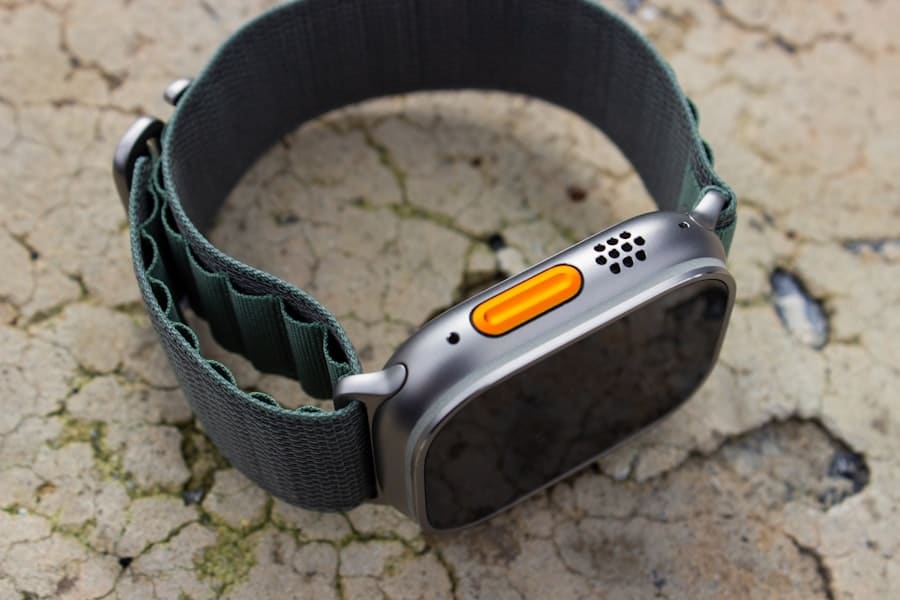
Looking ahead, the future of stress-tracking wearables appears promising as technology continues to advance at an unprecedented pace. Innovations in sensor technology may lead to even more accurate measurements of physiological responses associated with stress. For instance, researchers are exploring the potential of non-invasive sensors that could monitor biochemical markers related to stress, such as cortisol levels in sweat or saliva.
Such developments could provide deeper insights into the body’s response to stressors and enhance the effectiveness of wearables. Additionally, the integration of artificial intelligence (AI) into these devices holds great potential for personalized mental health support. AI algorithms could analyze vast amounts of data from users worldwide to identify trends and develop predictive models for stress management.
This could lead to more sophisticated recommendations tailored not only to individual users but also to specific populations based on demographic factors or lifestyle choices. As wearables become increasingly interconnected with other aspects of health monitoring—such as sleep tracking and physical activity—users may benefit from a comprehensive view of their overall well-being.
Considerations When Choosing a Stress-Tracking Wearable
When selecting a stress-tracking wearable, several factors should be taken into account to ensure that the device aligns with individual needs and preferences. First and foremost is accuracy; potential users should research how well different devices measure physiological indicators related to stress. Reviews from credible sources and user testimonials can provide valuable insights into the reliability of various models.
Another important consideration is usability and comfort. A wearable device should be easy to use and comfortable enough for daily wear without causing irritation or distraction. Features such as battery life, water resistance, and compatibility with smartphones or other devices are also crucial factors that can influence user experience.
Additionally, potential buyers should evaluate the accompanying app’s functionality—whether it offers useful insights, personalized recommendations, and an intuitive interface for tracking progress over time.
Tips for Using Stress-Tracking Wearables Effectively
To maximize the benefits of stress-tracking wearables, users should adopt certain practices that enhance their effectiveness in managing stress. First, consistency is key; regularly wearing the device will yield more accurate data over time and help users identify patterns in their stress levels. Setting aside specific times each day for reflection on the data collected can also foster greater self-awareness regarding triggers and coping strategies.
Engaging with the accompanying app is equally important; users should explore all available features and utilize any guided exercises or recommendations provided by the device. For instance, if a wearable suggests mindfulness exercises during periods of elevated stress, taking advantage of these prompts can lead to improved outcomes over time. Finally, sharing experiences with others—whether through social media or support groups—can create a sense of community and accountability that further encourages effective stress management practices.
In conclusion, as society grapples with rising levels of stress-related health issues, technology offers innovative solutions through stress-tracking wearables that empower individuals to take control of their mental well-being. By understanding how these devices work and leveraging their capabilities effectively, users can navigate the complexities of modern life with greater resilience and awareness.
As the demand for stress-tracking wearables continues to rise, many consumers are seeking innovative technology to help manage their mental well-being. This trend is highlighted in various articles, including one that explores the capabilities of the Samsung Galaxy S21, which features advanced health tracking options that can complement stress management efforts. For more information on this device and its potential benefits, you can read the article here:

<ul class=)