

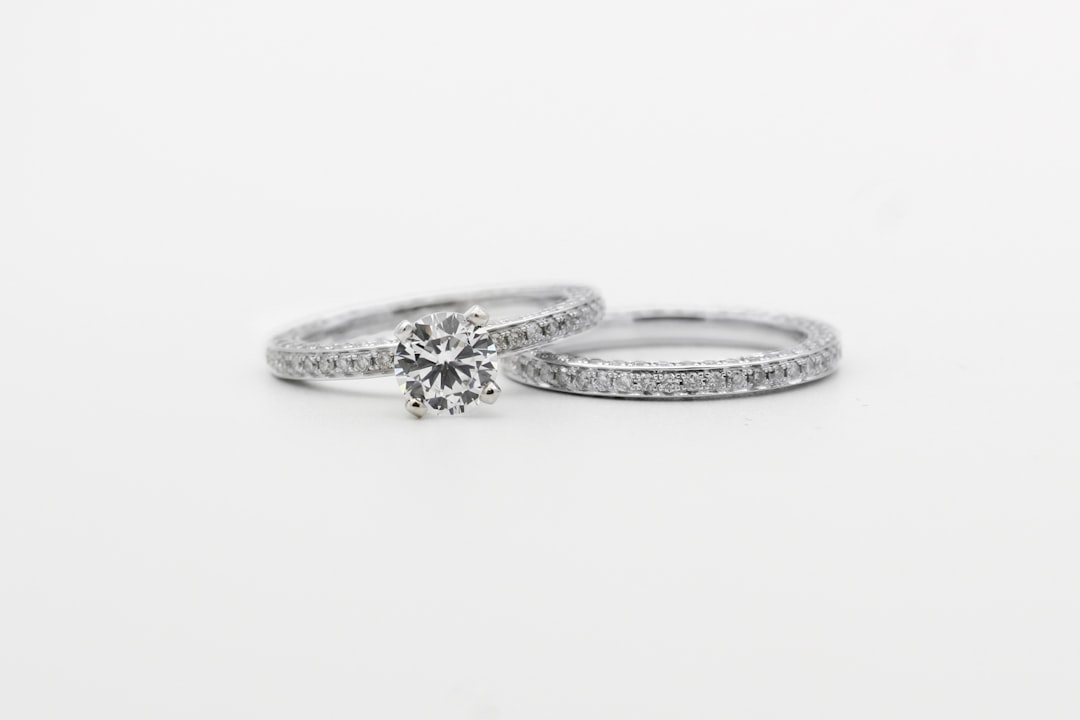
In recent years, the evolution of wearable technology has taken a fascinating turn with the introduction of smart rings.
Unlike their bulkier counterparts, such as smartwatches and fitness trackers, smart rings offer a discreet and stylish alternative for those looking to integrate technology into their daily lives without compromising on aesthetics.
As the demand for wearable technology continues to grow, smart rings have emerged as a popular choice for individuals seeking convenience, health monitoring, and connectivity. Smart rings are designed to cater to a wide range of users, from fitness enthusiasts to tech-savvy individuals who appreciate the blend of fashion and functionality. With their sleek designs and lightweight materials, these rings can be worn comfortably throughout the day and night.
The appeal of smart rings lies not only in their practicality but also in their ability to seamlessly integrate into various lifestyles. As more people become aware of the potential benefits of these devices, the market for smart rings is expected to expand significantly, paving the way for innovative features and designs that cater to diverse consumer needs.
Key Takeaways
- Smart rings are compact wearable devices that offer various health and connectivity features.
- They function through sensors that track biometric data and connect wirelessly to smartphones.
- Benefits include convenience, discreet notifications, and health monitoring capabilities.
- Smart rings combine technology with fashion, available in diverse styles to suit personal taste.
- Future developments promise enhanced features, better battery life, and improved security measures.
How Smart Rings Work
At the core of smart rings is a combination of sensors, microprocessors, and wireless communication technologies that enable them to perform various functions. Most smart rings are equipped with sensors that can track biometric data such as heart rate, body temperature, and sleep patterns. These sensors collect data in real-time, which is then processed by the ring’s internal microprocessor.
The processed information can be transmitted to a paired smartphone or other devices via Bluetooth or NFC (Near Field Communication), allowing users to access their health metrics and notifications through dedicated applications. The functionality of smart rings extends beyond health monitoring. Many models come with features such as contactless payment capabilities, customizable notifications for calls and messages, and even gesture control for smart home devices.
For instance, some smart rings allow users to control music playback or adjust smart lighting simply by tapping their fingers. This versatility is made possible by the integration of advanced technologies such as accelerometers and gyroscopes, which detect movement and orientation. As technology continues to advance, manufacturers are likely to incorporate even more sophisticated features into smart rings, enhancing their utility and appeal.
The Benefits of Smart Rings

One of the primary benefits of smart rings is their ability to provide continuous health monitoring without the bulkiness associated with other wearable devices. For individuals who prioritize fitness and wellness, smart rings can track vital signs such as heart rate variability, sleep quality, and activity levels throughout the day. This data can be invaluable for those looking to improve their overall health or manage specific conditions.
For example, athletes can use the insights gained from their smart ring to optimize their training regimens and recovery periods. In addition to health tracking, smart rings offer unparalleled convenience in terms of connectivity. Users can receive notifications for calls, messages, and app alerts directly on their fingers, allowing them to stay connected without constantly checking their phones.
This feature is particularly beneficial in situations where pulling out a smartphone may be impractical or disruptive, such as during meetings or social gatherings. Furthermore, many smart rings are designed with customizable settings, enabling users to prioritize which notifications they receive based on their preferences.
Fashion and Style with Smart Rings
The design of smart rings has evolved significantly since their inception, with many manufacturers focusing on aesthetics as much as functionality. Unlike traditional wearables that often prioritize utility over style, modern smart rings come in a variety of designs, materials, and finishes that cater to different tastes. From minimalist bands made of durable metals like titanium or stainless steel to elegant designs adorned with gemstones or intricate patterns, there is a smart ring to suit virtually every personal style.
This emphasis on fashion has made smart rings appealing not only to tech enthusiasts but also to individuals who value jewelry as a form of self-expression. Many brands collaborate with designers to create limited-edition collections that blend cutting-edge technology with high fashion. As a result, wearing a smart ring can be seen as a statement piece that reflects one’s personality while also serving practical purposes.
The ability to choose a ring that complements an outfit or matches an occasion adds an extra layer of versatility that traditional wearables often lack.
The Future of Smart Rings
| Metric | Details | Significance |
|---|---|---|
| Market Growth Rate | Projected CAGR of 15% from 2023 to 2028 | Indicates rapid adoption and increasing consumer interest |
| Battery Life | Average 3-7 days per charge | Longer usage time compared to many smartwatches |
| Health Monitoring Features | Heart rate, sleep tracking, SpO2, stress levels | Comprehensive health insights in a compact form |
| Form Factor | Lightweight, discreet, and stylish | Appeals to users seeking subtle wearable tech |
| Connectivity | Bluetooth 5.0 and NFC capabilities | Enables seamless syncing and contactless payments |
| User Base Growth | Estimated 2 million users worldwide in 2023 | Shows growing acceptance and market penetration |
| Compatibility | Works with both iOS and Android devices | Broadens potential user base |
| Price Range | Affordable options starting from mid-range | Accessible to a wide demographic |
As technology continues to advance at an unprecedented pace, the future of smart rings looks promising. Innovations in materials science may lead to even more comfortable and durable designs that can withstand daily wear and tear while maintaining their aesthetic appeal. Additionally, advancements in battery technology could result in longer-lasting power sources for these devices, reducing the need for frequent charging and enhancing user convenience.
Moreover, the integration of artificial intelligence (AI) into smart rings could revolutionize how users interact with these devices. AI algorithms could analyze collected data more effectively, providing personalized insights and recommendations based on individual habits and preferences. For instance, a smart ring equipped with AI could suggest optimal sleep schedules or exercise routines tailored specifically to the user’s lifestyle.
As manufacturers continue to explore new functionalities and applications for smart rings, we can expect an exciting array of features that will further enhance their role in our daily lives.
Comparison with Other Wearable Devices

When comparing smart rings to other wearable devices like smartwatches and fitness trackers, several key differences emerge that highlight the unique advantages of smart rings. One significant distinction is size; smart rings are considerably smaller and more discreet than most smartwatches or fitness bands. This compactness makes them an attractive option for individuals who prefer subtlety in their wearable technology without sacrificing functionality.
In terms of functionality, while smartwatches offer a broader range of features such as GPS navigation and extensive app support, smart rings excel in specific areas like health monitoring and seamless connectivity. For example, many users find that they prefer wearing a lightweight ring for tracking their fitness metrics rather than a bulky watch that can feel cumbersome during workouts or daily activities. Additionally, the battery life of smart rings often surpasses that of smartwatches due to their simpler functionalities and smaller screens.
This means users can enjoy extended periods of use without worrying about frequent recharging.
Security and Privacy Concerns
As with any connected device, security and privacy concerns are paramount when it comes to smart rings. These devices collect sensitive personal data related to health metrics and daily activities, making them potential targets for cyberattacks or unauthorized access. Manufacturers must implement robust security measures to protect user data from breaches or misuse.
Moreover, users should be aware of the privacy policies associated with the applications linked to their smart rings. Many apps require access to personal information in order to provide tailored insights or features; however, this can raise concerns about how that data is used or shared with third parties.
It is essential for consumers to read privacy policies carefully and choose brands that prioritize user privacy and data protection. As awareness around digital privacy grows, manufacturers will need to address these concerns proactively to build trust among consumers.
Tips for Choosing the Right Smart Ring
Selecting the right smart ring involves considering several factors that align with individual needs and preferences. First and foremost, potential buyers should assess what features are most important to them—whether it’s health tracking capabilities, notification management, or payment options. Different models offer varying functionalities; therefore, understanding one’s priorities will help narrow down choices effectively.
Another critical aspect is sizing and comfort. Since smart rings are worn continuously throughout the day and night, it’s essential to choose a size that fits snugly without being too tight or loose. Many brands provide sizing guides or even offer adjustable options to ensure a comfortable fit for all users.
Additionally, considering the materials used in the ring is vital; some individuals may have sensitivities or allergies to certain metals or coatings. Lastly, it’s wise to research brand reputation and customer reviews before making a purchase decision. Established brands often have better customer support systems in place and may offer warranties or guarantees on their products.
By taking these factors into account—features, comfort, materials, and brand reputation—consumers can make informed choices when selecting a smart ring that best suits their lifestyle and preferences.
As wearable technology continues to evolve, smart rings are emerging as a significant trend in the market. These compact devices offer a range of functionalities, from health monitoring to contactless payments, making them a convenient choice for tech-savvy consumers. For those interested in exploring more about wearable technology, you might find the article on the best smartwatch apps of 2023 insightful, as it highlights how smartwatches and their applications are also shaping the future of personal tech. Check it out here: The Best Smartwatch Apps of 2023.
FAQs
What are smart rings?
Smart rings are wearable devices designed to be worn on the finger that incorporate technology to provide various functions such as health monitoring, notifications, and contactless payments.
How do smart rings work?
Smart rings use embedded sensors and wireless connectivity like Bluetooth to track data such as heart rate, sleep patterns, and activity levels, and to communicate with smartphones or other devices.
What features do smart rings typically offer?
Common features include fitness and health tracking, sleep monitoring, gesture control, notifications for calls and messages, contactless payments, and sometimes authentication for security purposes.
Why are smart rings considered the next big wearable trend?
Smart rings offer a discreet, convenient, and stylish alternative to bulkier wearables like smartwatches, combining functionality with minimalism, which appeals to users seeking seamless integration into daily life.
Are smart rings compatible with all smartphones?
Most smart rings connect via Bluetooth and are compatible with both Android and iOS devices, but compatibility can vary depending on the specific model and app requirements.
How long does the battery of a smart ring last?
Battery life varies by model and usage but typically ranges from several days up to a week on a single charge.
Can smart rings track health metrics accurately?
While smart rings provide useful health data, their accuracy may not match that of medical-grade devices; however, they are generally reliable for everyday fitness and wellness monitoring.
Are smart rings waterproof?
Many smart rings are designed to be water-resistant or waterproof to some degree, allowing for everyday use including hand washing and light rain, but users should check specific product specifications.
How do smart rings compare to smartwatches?
Smart rings are smaller, less obtrusive, and often focus on specific functions like health tracking and notifications, whereas smartwatches offer a broader range of features including apps, larger displays, and more extensive interaction.
What are the privacy and security considerations with smart rings?
Smart rings collect personal data and often connect to smartphones, so it is important to use devices from reputable manufacturers that implement strong encryption and privacy policies to protect user information.