


In recent years, the evolution of wearable technology has taken a fascinating turn with the emergence of smart rings. These compact devices, often resembling traditional rings, are designed to offer a range of functionalities that extend far beyond mere adornment. Smart rings are equipped with advanced sensors and connectivity features, allowing users to monitor health metrics, receive notifications, and even control other smart devices.
As the demand for discreet and multifunctional wearables grows, smart rings have carved out a niche that appeals to tech enthusiasts and health-conscious individuals alike. The concept of wearable technology is not new; however, the smart ring represents a unique intersection of fashion and functionality. Unlike bulkier devices such as smartwatches or fitness trackers, smart rings provide a more subtle approach to technology integration in daily life.
Their small size and elegant design make them suitable for various occasions, from casual outings to formal events. As consumers increasingly seek devices that blend seamlessly into their lifestyles, smart rings have gained traction as a stylish yet practical solution.
Key Takeaways
- Smart rings offer a compact and convenient way to access wearable technology.
- They provide benefits like health monitoring, notifications, and contactless payments.
- Key features include biometric sensors, connectivity, and customizable alerts.
- Compared to other wearables, smart rings are less intrusive and more discreet.
- Despite their potential, smart rings face challenges such as battery life and privacy concerns.
Benefits of Smart Rings
One of the primary benefits of smart rings is their unobtrusive nature. Unlike larger wearables that can draw attention, smart rings can be worn without disrupting an outfit’s aesthetic. This discreetness allows users to maintain their personal style while still enjoying the advantages of modern technology.
For instance, individuals who may feel self-conscious about wearing a smartwatch can opt for a smart ring that provides similar functionalities without the bulk. Additionally, smart rings often come equipped with health monitoring capabilities that can significantly enhance personal wellness. Many models track vital signs such as heart rate, sleep patterns, and activity levels.
This data can be invaluable for users looking to improve their fitness or manage health conditions. For example, a smart ring that monitors sleep quality can help users identify patterns that affect their rest, enabling them to make informed adjustments to their routines. The ability to access health metrics in real-time empowers users to take charge of their well-being in a way that is both convenient and insightful.
Features and Functions of Smart Rings

Smart rings boast a variety of features that cater to different user needs. One common function is notification management, allowing users to receive alerts for calls, messages, and app notifications directly on their finger. This feature is particularly useful for those who prefer not to check their phones constantly or who work in environments where phone use is restricted.
The subtle vibration or light indicators on the ring can signal important updates without causing distractions. Moreover, many smart rings incorporate advanced biometric sensors that enable health tracking capabilities. For instance, some models can measure blood oxygen levels, track stress through heart rate variability, and even monitor body temperature.
These features provide users with a comprehensive view of their health status and can alert them to potential issues before they become serious concerns. The integration of such technology into a small device like a ring exemplifies the innovation driving the wearable tech industry.
Comparison with Other Wearable Devices
When comparing smart rings to other wearable devices like smartwatches and fitness trackers, several distinctions emerge. Smartwatches are often larger and more feature-rich, offering extensive app ecosystems and customizable watch faces. They typically serve as miniaturized smartphones on the wrist, providing functionalities such as GPS navigation, music control, and voice assistance.
However, this complexity can come at the cost of battery life and bulkiness, which some users may find cumbersome.
While they are generally more streamlined than smartwatches, they still tend to be bulkier than smart rings.
Smart rings excel in their ability to provide essential health metrics in a compact form factor without overwhelming users with excessive features. For individuals seeking a minimalist approach to wearable technology, smart rings offer an appealing alternative that prioritizes essential functions over an extensive array of options.
Potential Applications of Smart Rings
| Metric | Data/Value | Insight |
|---|---|---|
| Market Growth Rate | 25% CAGR (2023-2028) | Smart rings market is rapidly expanding compared to other wearables |
| Average Battery Life | 3-7 days | Longer battery life than many smartwatches, enhancing usability |
| Health Metrics Tracked | Heart rate, SpO2, Sleep, Activity, Stress | Comprehensive health monitoring in a compact form |
| Device Size | Approx. 8-12 mm thickness | Discreet and comfortable for all-day wear |
| User Adoption Rate | 35% increase YoY | Growing consumer interest and acceptance |
| Compatibility | iOS, Android | Wide compatibility with popular smartphone platforms |
| Price Range | 100 – 300 | Affordable entry point compared to high-end smartwatches |
| Unique Features | Gesture control, NFC payments, Sleep tracking | Innovative functionalities driving trend adoption |
The potential applications of smart rings extend beyond personal health monitoring and notifications. In the realm of security, some smart rings are designed to function as digital keys for unlocking doors or accessing secure areas. This capability can enhance convenience and security for users who prefer not to carry multiple keys or cards.
For example, a smart ring could be programmed to unlock a home or office door simply by being in proximity to the lock. Furthermore, smart rings have found applications in contactless payment systems. With the rise of mobile payment technologies, some models allow users to make transactions by simply tapping their ring against a compatible payment terminal.
This feature not only streamlines the payment process but also adds an extra layer of security compared to traditional credit cards or mobile wallets.
The Future of Smart Rings
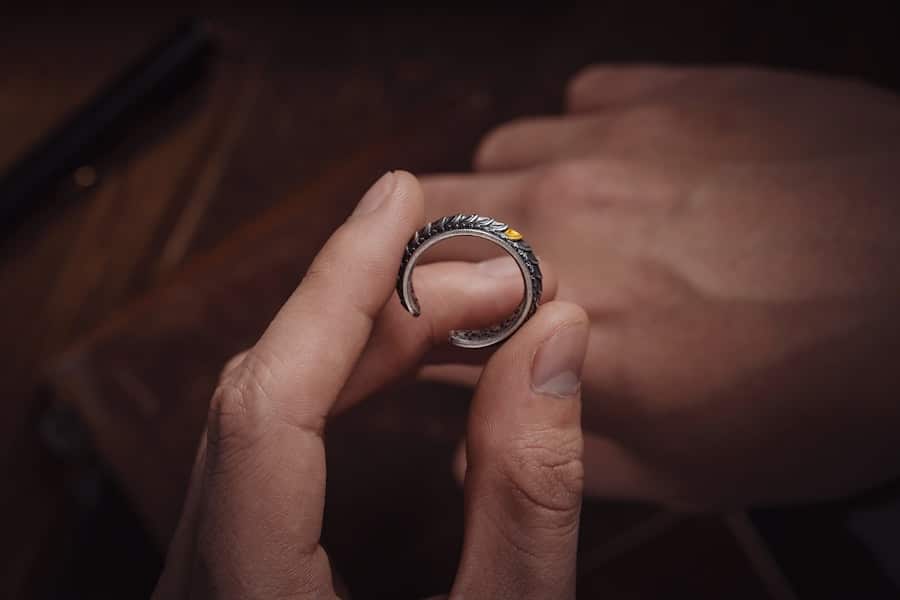
Looking ahead, the future of smart rings appears promising as technology continues to advance at an unprecedented pace. Innovations in materials science may lead to even more durable and aesthetically pleasing designs, allowing manufacturers to create rings that are both functional and fashionable. Additionally, as battery technology improves, we may see longer-lasting devices that require less frequent charging, addressing one of the common concerns associated with wearable technology.
Moreover, the integration of artificial intelligence (AI) into smart rings could revolutionize their capabilities. AI algorithms could analyze user data more effectively, providing personalized insights and recommendations based on individual habits and preferences. For instance, a smart ring equipped with AI could suggest optimal sleep schedules or exercise routines tailored specifically to the user’s lifestyle.
As these technologies converge, smart rings may evolve into indispensable tools for health management and daily convenience.
Concerns and Limitations of Smart Rings
Despite their many advantages, smart rings are not without concerns and limitations. One significant issue is privacy; as these devices collect sensitive health data and personal information, users must be cautious about how this data is stored and shared. Manufacturers need to prioritize robust security measures to protect user information from potential breaches or misuse.
Transparency regarding data handling practices is essential for building trust among consumers. Another limitation is battery life; while advancements are being made, many smart rings still require regular charging or have limited functionality when battery levels are low. Users may find it inconvenient to charge their devices frequently or may forget to do so altogether.
Additionally, the small size of smart rings can restrict the number of features they can offer compared to larger wearables. As manufacturers strive to pack more technology into these compact devices, they must balance functionality with user comfort and usability.
Embracing the Smart Ring Trend
As we navigate an increasingly digital world, the rise of smart rings signifies a shift towards more integrated and personalized wearable technology. These devices offer a unique blend of style and functionality that appeals to a diverse range of consumers seeking convenience without compromising on aesthetics. With their ability to monitor health metrics, manage notifications, and facilitate secure transactions, smart rings are poised to become essential accessories in our daily lives.
The ongoing advancements in technology promise exciting developments for smart rings in the future. As manufacturers continue to innovate and address existing concerns regarding privacy and battery life, we can expect these devices to become even more versatile and user-friendly. Embracing the trend of smart rings not only reflects our desire for connectivity but also highlights our commitment to enhancing our well-being through technology.
As we look forward to what lies ahead in this dynamic field, it is clear that smart rings will play a significant role in shaping the future of wearable technology.
As the popularity of smart rings continues to rise, many tech enthusiasts are also exploring the capabilities of other wearable devices. For instance, a recent article on smartwatches, titled “Fossil Smartwatches Review 2023,” delves into the features and advancements of smartwatches that complement the functionality of smart rings. You can read more about it here. This exploration of wearables highlights how these devices can work together to enhance our daily lives and health monitoring.
FAQs
What are smart rings?
Smart rings are wearable devices designed to be worn on the finger that incorporate technology to provide various functions such as health monitoring, notifications, and contactless payments.
How do smart rings work?
Smart rings use embedded sensors and wireless connectivity like Bluetooth to track data such as heart rate, sleep patterns, and activity levels, and to communicate with smartphones or other devices.
What features do smart rings typically offer?
Common features include fitness and health tracking, sleep monitoring, gesture control, notification alerts, contactless payments, and sometimes authentication for security purposes.
Why are smart rings considered the next big wearable trend?
Smart rings offer a discreet, convenient, and stylish alternative to bulkier wearables like smartwatches, combining functionality with minimalism, which appeals to users seeking seamless integration into daily life.
Are smart rings compatible with all smartphones?
Most smart rings connect via Bluetooth and are compatible with both Android and iOS devices, but compatibility can vary depending on the specific model and app requirements.
How long does the battery of a smart ring last?
Battery life varies by model and usage but typically ranges from several days up to a week on a single charge.
Can smart rings track health metrics accurately?
While smart rings use advanced sensors to monitor health data, their accuracy can vary and they are generally intended for personal wellness tracking rather than medical diagnosis.
Are smart rings waterproof?
Many smart rings are designed to be water-resistant or waterproof to some degree, allowing for everyday use including hand washing and light exposure to water, but users should check specific product specifications.
How do smart rings compare to smartwatches?
Smart rings are smaller, less obtrusive, and often focus on specific functions like health tracking and notifications, whereas smartwatches offer a broader range of features including apps, larger displays, and more interactive controls.
What are the privacy and security considerations with smart rings?
Smart rings collect personal data and often connect to smartphones, so users should ensure devices use encryption, secure authentication, and reputable apps to protect their information.