

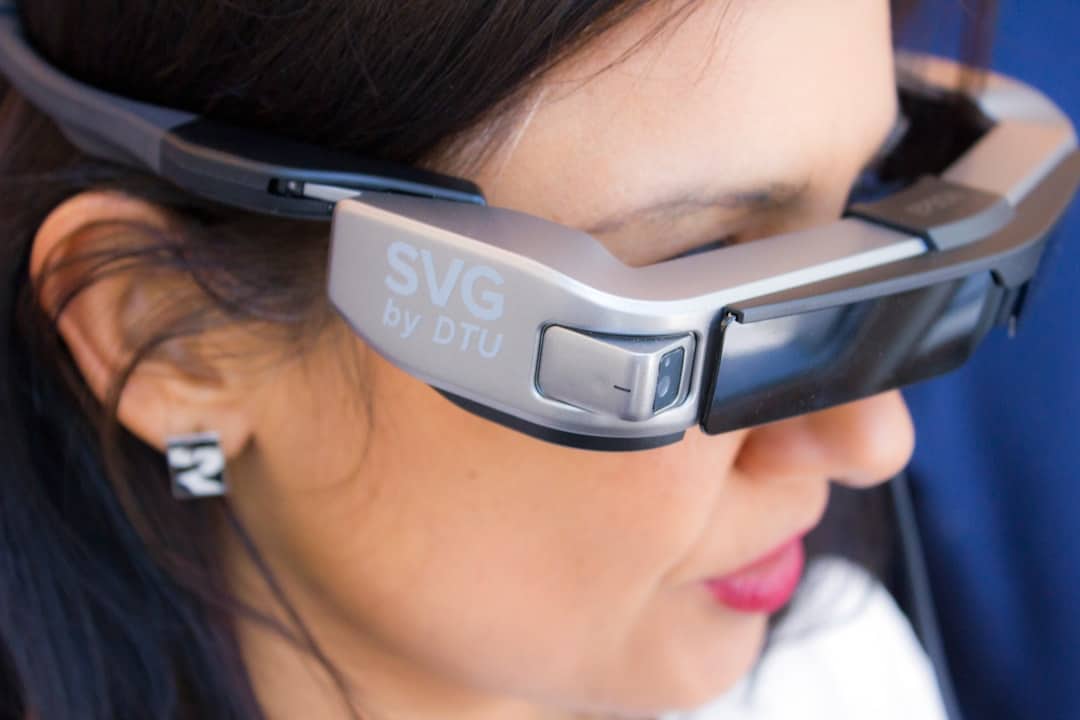
Smart glasses represent an advanced form of wearable technology that integrates augmented reality (AR) capabilities to overlay digital information onto the user’s field of view. These devices enable real-time access to data, communication tools, and interactive applications while maintaining visual contact with the physical environment. The development of smart glasses has been facilitated by technological progress in component miniaturization, display systems, wireless connectivity, and battery efficiency.
Industrial applications have become a primary focus for smart glasses implementation due to their potential to enhance operational efficiency and workplace safety. These devices allow workers to access technical documentation, receive step-by-step instructions, and communicate with remote experts without interrupting their workflow or removing their hands from tasks. Manufacturing, construction, logistics, and maintenance sectors have adopted smart glasses to reduce error rates, decrease training time, and improve quality control processes.
The core functionality of smart glasses centers on their ability to present contextual information directly within the user’s visual field. This heads-up display approach eliminates the need to consult separate devices or documentation, thereby reducing task completion time and minimizing the risk of errors associated with divided attention. Current smart glasses models typically feature voice control, gesture recognition, camera systems for documentation and remote assistance, and integration with enterprise software platforms.
Key Takeaways
- Smart glasses improve industrial safety and efficiency by providing hands-free access to critical information.
- Real-time data and remote support enhance decision-making and problem-solving on the job.
- They streamline training and onboarding, making it faster and more effective for new employees.
- Integration with existing workflows ensures seamless adoption without disrupting current processes.
- Future advancements promise greater impact on productivity and workforce capabilities in industrial settings.
Enhanced Safety and Efficiency in Industrial Work
In industrial environments, safety is a top priority, and smart glasses can play a crucial role in enhancing workplace safety protocols. By providing real-time information directly in the line of sight, these devices help workers identify potential hazards before they become critical issues. For instance, smart glasses can display safety guidelines, equipment status, and environmental conditions, allowing employees to make informed decisions quickly.
Moreover, the efficiency gains from using smart glasses are substantial. In manufacturing settings, for example, workers can receive step-by-step instructions overlaid on their field of vision while performing assembly tasks.
This hands-free guidance minimizes the need for manual reference materials or constant communication with supervisors, allowing employees to focus on their work. A study conducted by the Fraunhofer Institute for Industrial Engineering found that using smart glasses in assembly lines increased productivity by up to 30%. Such improvements not only enhance operational efficiency but also contribute to higher employee satisfaction as workers feel more empowered and capable in their roles.
Hands-Free Access to Information
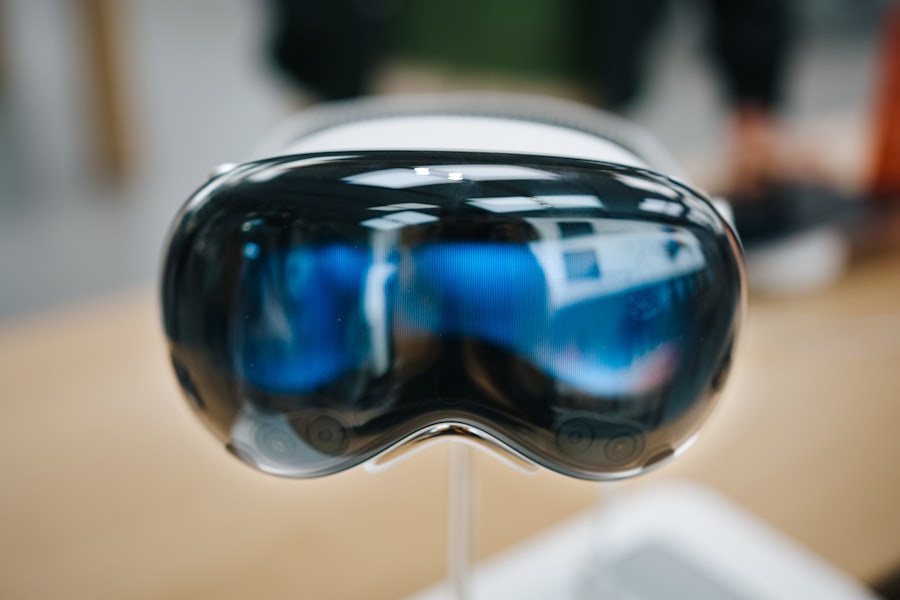
One of the most significant advantages of smart glasses is the ability to provide hands-free access to information. In many industrial settings, workers often find themselves juggling multiple tasks that require both physical dexterity and cognitive engagement. Smart glasses alleviate this challenge by allowing users to access critical data without needing to stop what they are doing or consult a separate device.
For instance, technicians performing maintenance on machinery can view schematics or troubleshooting guides directly in their line of sight while working on the equipment. This hands-free functionality is particularly beneficial in high-stakes environments where time is of the essence. In logistics and warehousing operations, for example, workers can use smart glasses to scan barcodes or track inventory levels without needing to pause their workflow.
This seamless integration of information into daily tasks not only enhances productivity but also reduces the cognitive load on employees. By minimizing distractions and streamlining processes, smart glasses empower workers to perform their jobs more effectively and with greater confidence.
Real-Time Data and Remote Support
The ability to access real-time data is another transformative feature of smart glasses that significantly impacts industrial work. These devices can connect to various data sources, including enterprise resource planning (ERP) systems and Internet of Things (IoT) sensors, providing workers with up-to-the-minute information about equipment performance, inventory levels, and operational metrics. This real-time visibility enables employees to make informed decisions quickly, optimizing workflows and reducing downtime.
Additionally, smart glasses facilitate remote support through video streaming and augmented reality overlays. When a worker encounters an issue that requires expert assistance, they can use their smart glasses to share their view with a remote technician or supervisor. This capability allows experts to provide guidance in real-time, overlaying instructions or annotations directly onto the worker’s field of vision.
For example, if a technician is troubleshooting a malfunctioning piece of machinery, a remote expert can guide them through the repair process step-by-step without needing to be physically present.
Improved Training and Onboarding Processes
| Metric | Before Smart Glasses | After Smart Glasses | Impact |
|---|---|---|---|
| Task Completion Time | 60 minutes | 40 minutes | 33% reduction in time |
| Error Rate | 8% | 2% | 75% decrease in errors |
| Hands-Free Access to Information | No | Yes | Improved efficiency and safety |
| Remote Expert Assistance | Unavailable | Available in real-time | Faster problem resolution |
| Training Time for New Employees | 5 days | 3 days | 40% faster onboarding |
| Worker Productivity | Baseline | +20% | Significant productivity boost |
| Safety Incident Rate | 5 incidents/month | 2 incidents/month | 60% reduction in incidents |
Training and onboarding new employees can be time-consuming and resource-intensive processes in industrial settings. Smart glasses offer innovative solutions that can significantly enhance these processes by providing immersive training experiences. With augmented reality capabilities, new hires can engage in hands-on training while receiving real-time feedback and guidance through their smart glasses.
This approach allows trainees to learn at their own pace while ensuring they acquire the necessary skills before working independently. For instance, companies like Boeing have implemented smart glasses in their training programs for assembly line workers. Trainees can practice assembling components while receiving visual cues and instructions overlaid on their field of vision.
This method not only accelerates the learning curve but also reduces the likelihood of errors during actual production runs. Furthermore, the ability to record training sessions allows for continuous improvement of training materials based on real-world experiences and challenges faced by trainees.
Integration with Existing Workflows and Systems

The successful implementation of smart glasses in industrial environments hinges on their ability to integrate seamlessly with existing workflows and systems. Organizations must ensure that these devices complement current processes rather than disrupt them. Many smart glasses are designed with compatibility in mind, allowing them to connect with existing software applications and hardware systems used within an organization.
For example, smart glasses can be integrated with warehouse management systems (WMS) to streamline inventory management processes. Workers equipped with smart glasses can receive real-time updates on stock levels, order statuses, and picking instructions without needing to consult handheld devices or computer terminals. This integration not only enhances efficiency but also reduces the risk of errors associated with manual data entry or miscommunication between team members.
Moreover, as industries increasingly adopt Industry 4.0 principles—characterized by automation, data exchange, and IoT—smart glasses serve as a vital link between human workers and advanced technologies. By facilitating communication between machines and operators, these devices help create a more cohesive and responsive work environment that leverages data-driven insights for improved decision-making.
Cost-Effectiveness and Return on Investment
While the initial investment in smart glasses may seem substantial, organizations must consider the long-term cost-effectiveness and return on investment (ROI) associated with their implementation. The potential savings generated through increased productivity, reduced downtime, and enhanced safety can far outweigh the upfront costs of acquiring these devices. For instance, companies that have adopted smart glasses have reported significant reductions in training time and operational inefficiencies.
A case study involving DHL demonstrated that implementing smart glasses for warehouse operations led to a 15% increase in picking accuracy and a 25% reduction in training time for new employees. These improvements translate directly into cost savings by minimizing errors that could lead to costly returns or rework while also accelerating the onboarding process for new hires. Additionally, as technology continues to advance and prices decrease over time, the financial barrier to entry for adopting smart glasses will likely diminish further.
Furthermore, organizations can leverage data analytics generated from smart glasses usage to identify areas for improvement within their operations continually. By analyzing performance metrics collected through these devices, companies can make informed decisions about resource allocation, process optimization, and workforce management—ultimately driving greater efficiency and profitability.
Future Developments and Potential Impact on Industrial Workforces
As technology continues to evolve at an unprecedented pace, the future developments surrounding smart glasses hold immense potential for transforming industrial workforces further. Innovations such as improved battery life, enhanced display quality, and advanced AI capabilities will likely expand the range of applications for these devices across various sectors. For instance, future iterations of smart glasses may incorporate machine learning algorithms that adapt to individual user preferences or workflows over time, creating a more personalized experience.
Moreover, as industries increasingly embrace automation and robotics, smart glasses could serve as a bridge between human workers and automated systems. By providing real-time insights into machine performance or facilitating communication between operators and robots, these devices could enhance collaboration between humans and machines—ultimately leading to more efficient operations. The potential impact on industrial workforces is profound; as smart glasses become more prevalent, they may redefine job roles and responsibilities within organizations.
Workers may transition from traditional manual tasks to more strategic roles focused on oversight and decision-making as automation takes over routine functions. This shift will necessitate ongoing training and reskilling initiatives to ensure that employees are equipped with the necessary skills to thrive in an increasingly technology-driven landscape. In conclusion, the integration of smart glasses into industrial work environments represents a paradigm shift that enhances safety, efficiency, training processes, and overall productivity.
As organizations continue to explore the capabilities of this technology, it is clear that smart glasses will play an integral role in shaping the future of work across various industries.
Smart glasses are transforming industrial workflows by enhancing efficiency and safety in various sectors. For a deeper understanding of how technology is reshaping work environments, you might find the article on SmartSender: Your Chatbot Platform for Seamless Customer Interactions insightful, as it explores the integration of advanced technologies in improving operational processes and customer engagement.
FAQs
What are smart glasses?
Smart glasses are wearable devices equipped with a display, camera, sensors, and connectivity features that provide hands-free access to information and augmented reality (AR) applications.
How do smart glasses improve industrial workflows?
Smart glasses enhance industrial workflows by enabling real-time data access, remote collaboration, hands-free operation, and augmented reality guidance, which increase efficiency, reduce errors, and improve safety.
What industries benefit most from smart glasses?
Industries such as manufacturing, logistics, construction, field service, and healthcare benefit significantly from smart glasses due to their need for hands-free information access and complex task support.
Can smart glasses integrate with existing industrial systems?
Yes, smart glasses can integrate with enterprise resource planning (ERP), maintenance management systems, and other industrial software to provide seamless data flow and workflow optimization.
Are smart glasses safe to use in industrial environments?
Smart glasses designed for industrial use often meet safety standards and are built to withstand harsh environments, ensuring they are safe and durable for workplace use.
Do smart glasses require special training for workers?
While smart glasses are designed to be user-friendly, some training is typically required to familiarize workers with the device’s features and software applications.
How do smart glasses support remote collaboration?
Smart glasses enable remote experts to see what the wearer sees in real-time, provide guidance, and assist with troubleshooting, reducing downtime and travel costs.
What are the cost implications of implementing smart glasses?
Initial costs include purchasing devices and software, but many companies experience cost savings through increased productivity, reduced errors, and lower training and travel expenses.
Can smart glasses improve worker safety?
Yes, smart glasses can provide real-time alerts, display safety protocols, and enable hands-free operation, which helps reduce accidents and improve overall workplace safety.
What future developments are expected in smart glasses technology?
Future advancements may include improved battery life, enhanced AR capabilities, better integration with AI, and more ergonomic designs tailored for industrial use.