

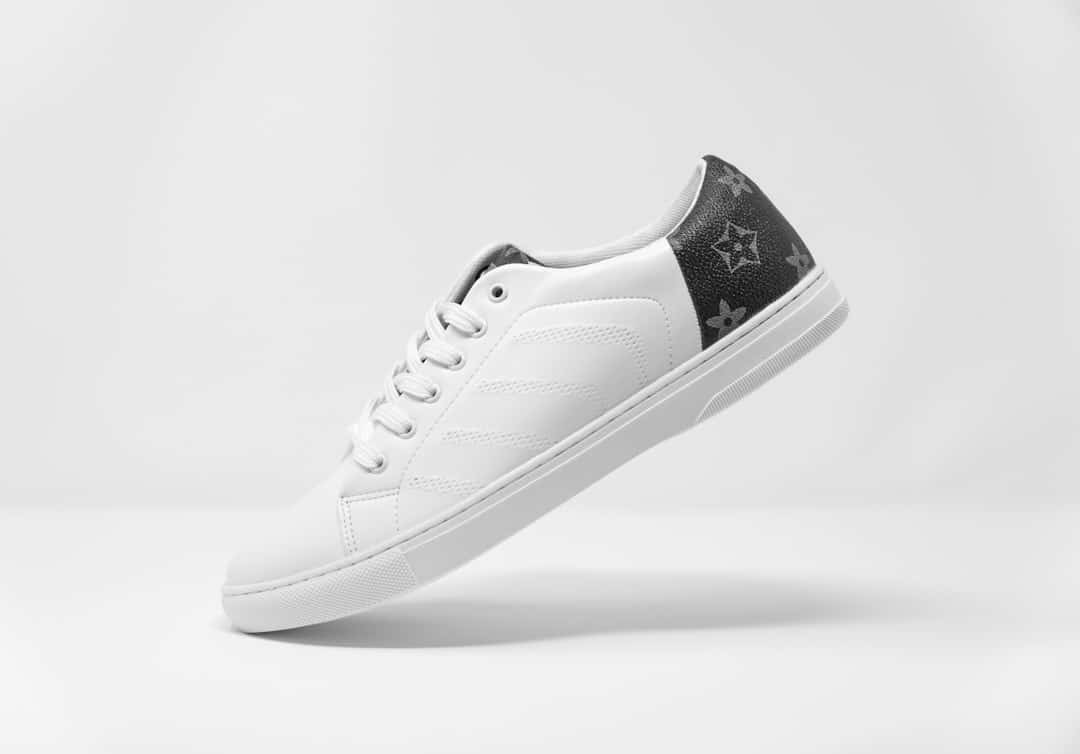
Smart footwear development commenced in the early 2000s as technology integration into consumer products gained momentum. Initial designs incorporated basic pedometers and elementary activity tracking systems within shoe structures, primarily measuring step counts and fundamental physical activity metrics. Technological advancement enabled enhanced capabilities through sensor and microchip integration, expanding measurement parameters to include velocity, distance traveled, and caloric expenditure calculations.
The evolution of smart footwear accelerated significantly with wearable technology emergence. Manufacturers identified shoes as viable platforms for comprehensive biomechanical analysis, leading to products featuring pressure sensors, accelerometers, and gyroscopes capable of delivering real-time gait and posture feedback. Major brands including Nike and Adidas allocated substantial resources to research and development initiatives, producing performance-enhancing products designed for athlete-specific requirements.
Mobile application integration transformed the sector by enabling detailed performance data analysis and evidence-based training program optimization.
Key Takeaways
- Smart footwear integrates biomechanics and technology to enhance running performance and reduce injury risks.
- Advanced sensors and data analytics enable real-time monitoring and personalized feedback for users.
- Customization in smart footwear allows tailored support and improved comfort based on individual biomechanics.
- The evolution of smart footwear is driving innovations in injury prevention and rehabilitation strategies.
- Choosing the right smart footwear involves assessing technology features, fit, and specific biomechanical needs.
The Science Behind Biomechanics
Biomechanics is the study of the mechanical laws relating to the movement or structure of living organisms. In the context of smart footwear, biomechanics plays a crucial role in understanding how the human body interacts with its environment during physical activities such as running or walking. The principles of biomechanics encompass various factors, including force, motion, and energy transfer, which are essential for optimizing performance and minimizing injury risk.
By analyzing these elements, researchers can develop footwear that enhances athletic performance while ensuring comfort and safety. One key aspect of biomechanics is gait analysis, which examines how an individual walks or runs. This analysis involves measuring parameters such as stride length, cadence, and foot strike patterns.
Smart footwear equipped with advanced sensors can capture this data in real-time, providing insights into an athlete’s performance. For instance, a runner’s foot strike pattern can significantly influence their efficiency and risk of injury. By understanding these patterns through biomechanical analysis, manufacturers can design shoes that cater to specific running styles, ultimately leading to improved performance and reduced injury rates.
How Smart Footwear Improves Running Efficiency
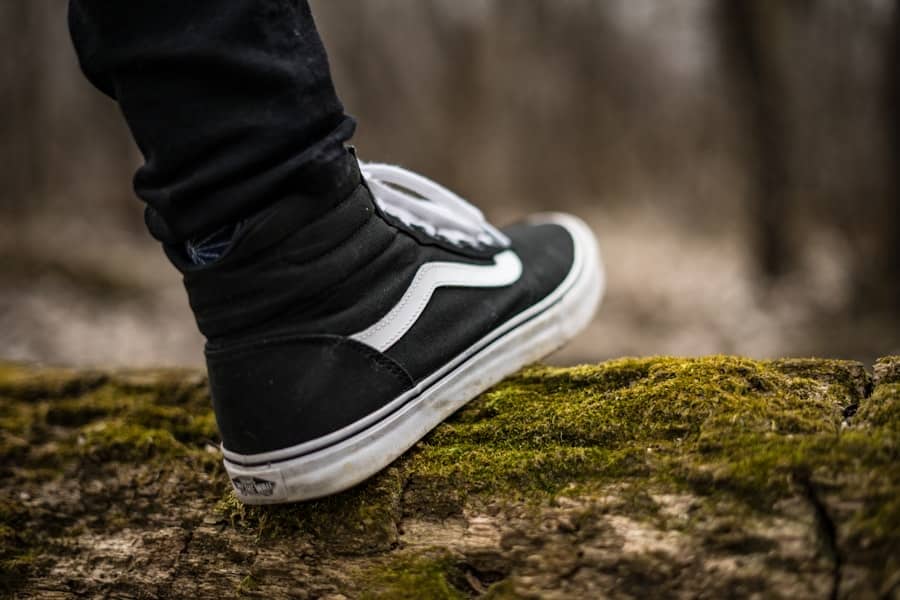
Smart footwear has been engineered to enhance running efficiency by providing real-time feedback on various aspects of a runner’s performance. One of the primary ways this is achieved is through the analysis of running form. By utilizing embedded sensors that monitor foot placement, impact forces, and overall gait mechanics, smart shoes can offer insights that help runners adjust their technique for optimal efficiency.
For example, if a runner consistently lands on their heel rather than their midfoot, they may be advised to modify their stride to reduce energy expenditure and improve speed. Moreover, smart footwear often incorporates adaptive cushioning systems that respond to the runner’s movements. These systems can adjust the level of support based on the intensity of the activity or the surface being run on.
For instance, when running on a hard surface, the shoe may provide additional cushioning to absorb impact forces, while on softer terrain, it may offer a firmer feel for better ground contact. This adaptability not only enhances comfort but also contributes to improved running efficiency by allowing athletes to maintain optimal biomechanics throughout their training sessions.
The Impact of Smart Footwear on Injury Prevention
Injury prevention is a critical concern for athletes at all levels, and smart footwear has emerged as a valuable tool in mitigating risks associated with physical activity. By leveraging advanced sensor technology and data analytics, these shoes can identify potential issues before they escalate into serious injuries. For example, many smart shoes are designed to monitor metrics such as overpronation or supination—conditions where the foot rolls excessively inward or outward during running.
By detecting these patterns early on, athletes can make necessary adjustments to their training or seek professional advice before developing chronic injuries. Additionally, smart footwear can provide personalized recommendations based on an individual’s unique biomechanics. For instance, if a runner’s data indicates that they are consistently landing with excessive force on one foot, the shoe may suggest specific exercises or stretches to strengthen relevant muscle groups.
This proactive approach not only helps in preventing injuries but also empowers athletes to take control of their training regimens by making informed decisions based on real-time data.
The Role of Data and Technology in Smart Footwear
| Metric | Traditional Footwear | Smart Footwear | Impact on Biomechanics |
|---|---|---|---|
| Stride Length (meters) | 1.2 | 1.3 | Improved stride length for efficient running and walking |
| Ground Contact Time (milliseconds) | 280 | 250 | Reduced contact time enhances speed and reduces fatigue |
| Impact Force (g) | 2.5 | 1.8 | Lower impact force reduces injury risk |
| Energy Return (%) | 60 | 75 | Higher energy return improves running efficiency |
| Posture Correction Feedback | No | Yes | Real-time feedback helps maintain optimal posture |
| Gait Analysis Accuracy | Manual/Subjective | High Precision Sensors | Enables personalized adjustments for better biomechanics |
| Injury Prevention Alerts | No | Yes | Early warnings reduce risk of overuse injuries |
Data collection and analysis are at the heart of smart footwear technology. The integration of sensors allows for continuous monitoring of various performance metrics during physical activities. This data is then transmitted to mobile applications or cloud-based platforms where it can be analyzed and interpreted.
Athletes can access detailed reports on their performance trends over time, enabling them to identify strengths and weaknesses in their training. Moreover, advancements in machine learning and artificial intelligence have further enhanced the capabilities of smart footwear. These technologies can analyze vast amounts of data from multiple users to identify patterns and correlations that may not be immediately apparent to individual athletes.
For example, AI algorithms can predict potential injury risks based on historical data from similar users or suggest optimal training loads based on an athlete’s performance history. This level of insight empowers athletes to make data-driven decisions that can significantly enhance their training outcomes.
Customization and Personalization in Smart Footwear
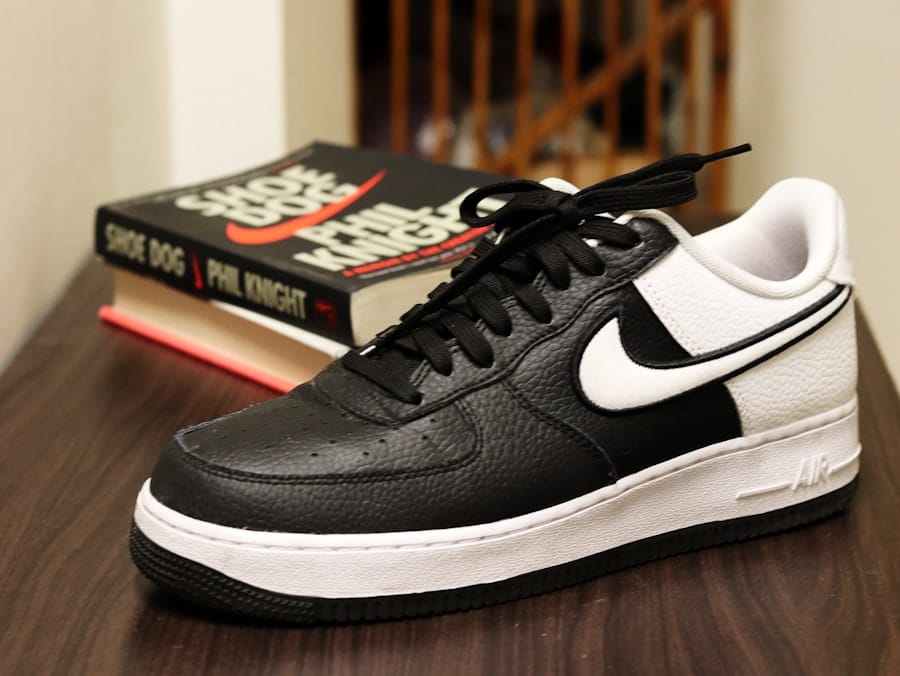
The demand for customization in athletic gear has grown significantly in recent years, and smart footwear is no exception. Many brands now offer options for consumers to personalize their shoes based on individual preferences and needs. This customization can range from selecting specific cushioning levels to choosing different types of insoles designed for particular foot shapes or arch types.
Such tailored solutions ensure that athletes receive footwear that aligns with their unique biomechanics. Furthermore, some smart footwear models allow users to adjust settings through mobile applications. For instance, runners can modify the level of cushioning or support based on their current training goals or environmental conditions.
This adaptability not only enhances comfort but also ensures that athletes have the right support when they need it most. As technology continues to evolve, we can expect even more sophisticated customization options that cater to individual preferences and performance requirements.
The Future of Smart Footwear in Biomechanics
The future of smart footwear in biomechanics holds immense potential as technology continues to advance at an unprecedented pace. One promising area is the integration of augmented reality (AR) and virtual reality (VR) into training regimens facilitated by smart shoes. Imagine a scenario where runners can visualize their gait mechanics in real-time through AR glasses while receiving immediate feedback from their footwear sensors.
This immersive experience could revolutionize how athletes train and refine their techniques. Additionally, ongoing research into materials science may lead to the development of even more advanced smart footwear that adapts dynamically to environmental conditions or user performance levels. For instance, shoes could be designed with materials that change stiffness based on temperature or humidity, providing optimal support regardless of external factors.
As our understanding of biomechanics deepens and technology continues to evolve, we can anticipate a future where smart footwear becomes an indispensable tool for athletes seeking peak performance.
Considerations for Choosing the Right Smart Footwear
When selecting smart footwear, several factors should be taken into account to ensure optimal performance and comfort. First and foremost is fit; shoes must be properly sized to prevent discomfort during physical activities. Many brands offer online fitting guides or even virtual fitting tools that utilize augmented reality to help consumers find their ideal size.
Another critical consideration is the specific features offered by different models.
Athletes should assess their training goals and choose footwear that aligns with their needs—whether they require detailed gait analysis or simply want a reliable way to track their runs.
Durability is also an essential factor; smart footwear should withstand rigorous training conditions without compromising functionality. Researching user reviews and expert opinions can provide valuable insights into the longevity and reliability of specific models. Lastly, budget considerations play a significant role in decision-making.
Ultimately, finding the right balance between features, fit, durability, and cost will ensure that athletes make an informed choice when investing in smart footwear for their training needs.
In exploring the advancements in smart footwear and its impact on optimizing running and walking biomechanics, it’s interesting to consider how technology is reshaping our daily lives in various ways. For instance, the article on the

<ul class=)