

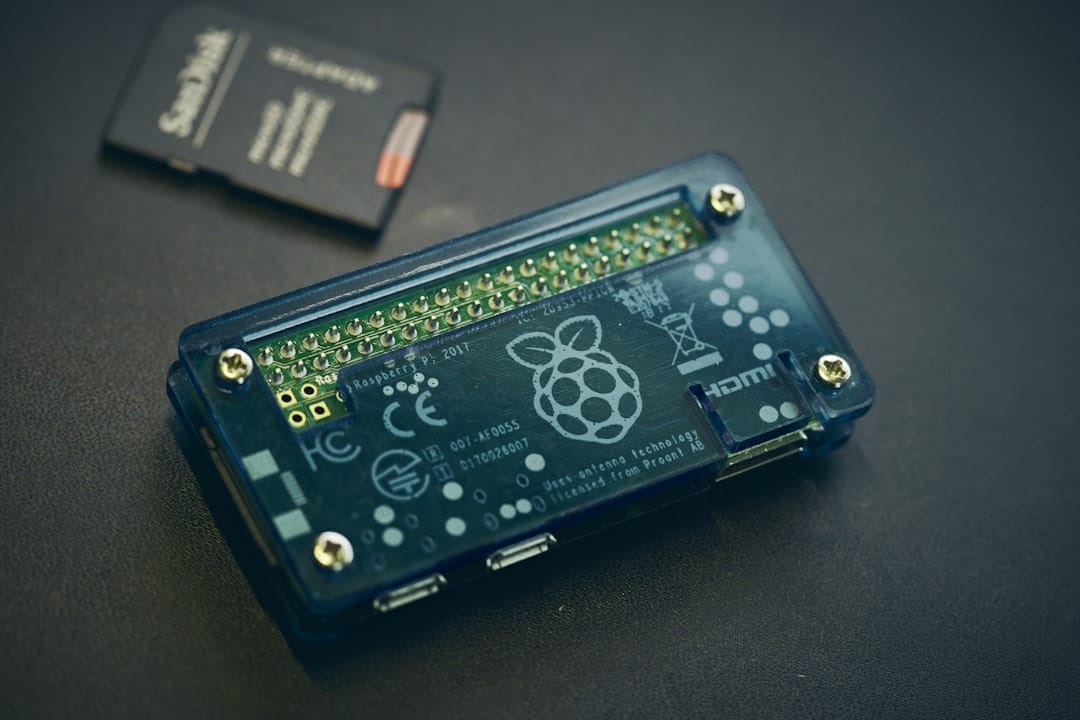
Open source hardware (OSH) refers to physical artifacts of technology that are designed and offered in a manner that allows anyone to study, modify, distribute, and make use of the designs. This concept mirrors the principles of open source software, where the source code is made available for public use and modification. The open source hardware movement has gained traction over the past two decades, driven by a desire for transparency, collaboration, and democratization of technology. It encompasses a wide range of devices, from simple electronic components to complex machinery, and has implications across various fields, including education, engineering, and manufacturing.
The rise of open source hardware can be attributed to several factors, including advancements in digital fabrication technologies such as 3D printing and computer-aided design (CAD) software. These tools have made it easier for individuals and organizations to create and share their designs. Additionally, the proliferation of online platforms and communities has facilitated collaboration among makers, engineers, and hobbyists. As a result, open source hardware has become a significant part of the broader maker movement, which emphasizes hands-on learning and innovation.
As the movement towards open source hardware continues to gain momentum, it is interesting to explore how this trend intersects with various technology sectors. For instance, a related article discusses the best headphones of 2023, highlighting how open source principles are influencing audio technology and design. You can read more about this fascinating connection in the article here: The Best Headphones of 2023.
Key Takeaways
- Open Source Hardware promotes transparency and shared design in physical products.
- It offers benefits like cost savings, customization, and accelerated innovation.
- A vibrant global community fosters collaboration and knowledge exchange.
- Open Source Hardware enhances accessibility, making technology affordable and widely available.
- Despite challenges like intellectual property issues, it holds promising potential for sustainable and ethical development.
Advantages of Open Source Hardware
One of the primary advantages of open source hardware is its inherent transparency. By providing access to design files and documentation, users can understand how a device works at a fundamental level. This transparency fosters trust among users and encourages a culture of learning and experimentation. Individuals can modify existing designs to suit their specific needs or preferences, leading to a more personalized experience. Furthermore, this openness can lead to improved safety and reliability, as more eyes on a design can help identify potential flaws or vulnerabilities.
Another significant benefit is the potential for rapid innovation. In an open source environment, contributions from diverse individuals can lead to faster development cycles. When designers share their work openly, others can build upon it, leading to iterative improvements and novel applications. This collaborative approach can accelerate the pace of technological advancement, as ideas are exchanged freely and refined through community input. The collective intelligence of a community can often surpass that of any single organization or individual.
Growing Community and Collaboration
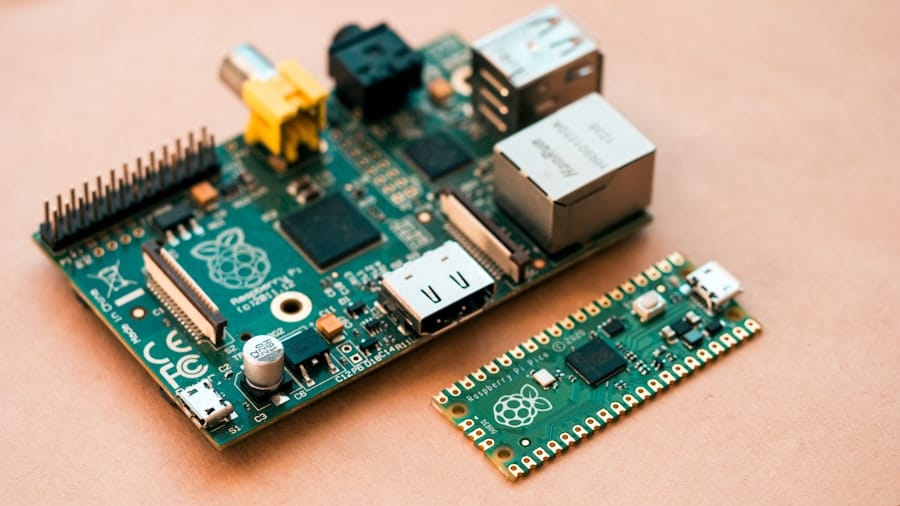
The open source hardware community has expanded significantly in recent years, encompassing a diverse range of participants from hobbyists to professional engineers. Online platforms such as GitHub, Hackaday, and Thingiverse have become central hubs for sharing designs and fostering collaboration. These platforms allow users to upload their projects, provide feedback on others’ work, and engage in discussions about best practices and new ideas. This sense of community is vital for the growth of open source hardware, as it encourages knowledge sharing and collective problem-solving.
Collaboration within the open source hardware community often transcends geographical boundaries. Individuals from different parts of the world can contribute to projects, share insights, and collaborate on designs without the constraints of physical distance. This global network not only enhances the diversity of ideas but also promotes inclusivity in technology development. As more people participate in the open source hardware movement, the potential for cross-cultural exchange of knowledge increases, leading to richer innovations that reflect a wider array of perspectives.
Impact on Innovation and Creativity
Open source hardware has had a profound impact on innovation across various sectors. By lowering barriers to entry for technology development, it empowers individuals and small organizations to create solutions that might otherwise be unattainable due to high costs or proprietary restrictions. For instance, in fields like robotics or electronics, aspiring inventors can access high-quality designs and components without needing significant financial resources. This democratization of technology fosters an environment where creativity can flourish.
Moreover, the iterative nature of open source hardware encourages experimentation. Users are not only consumers but also contributors who can modify existing designs or create entirely new ones based on their experiences. This cycle of feedback and improvement leads to a dynamic ecosystem where ideas evolve rapidly. As a result, innovations that emerge from this space often address real-world problems more effectively than those developed in isolation within traditional corporate structures.
The rise of open source hardware can be attributed to a growing community of innovators and enthusiasts who value collaboration and transparency in technology development.
As more individuals and companies recognize the benefits of sharing designs and resources, the movement continues to gain traction.
For those interested in exploring how open source principles are being applied in various fields, a related article discusses the impact of software tools on online arbitrage, which can complement the hardware aspect of open source projects. You can read more about it in this insightful piece on best software for online arbitrage.
Accessibility and Affordability
| Metric | Description | Value/Trend |
|---|---|---|
| Community Growth | Increase in number of contributors and users in open source hardware projects | 30% annual growth over the past 5 years |
| Project Availability | Number of open source hardware projects available on popular platforms | Over 10,000 projects listed on platforms like GitHub and Hackaday |
| Cost Reduction | Average cost savings compared to proprietary hardware | Up to 40% lower cost |
| Innovation Rate | Frequency of new designs and improvements contributed by the community | 50% increase in new designs year-over-year |
| Educational Adoption | Percentage of educational institutions incorporating open source hardware in curriculum | 45% of technical universities worldwide |
| Environmental Impact | Reduction in electronic waste due to repairability and modularity | Estimated 25% reduction in e-waste for participating projects |
| Industry Support | Number of companies actively supporting or using open source hardware | Over 200 companies globally |
One of the most compelling aspects of open source hardware is its potential to enhance accessibility and affordability in technology. Traditional hardware development often involves significant investment in research and development, which can lead to high prices for consumers. In contrast, open source hardware allows individuals to access designs for free or at a minimal cost. This approach enables a broader audience to engage with technology, particularly in underserved communities where access to expensive tools and resources may be limited.
The affordability of open source hardware also extends to education. Schools and educational institutions can leverage open source designs to create hands-on learning experiences without incurring substantial costs. Students can build projects using readily available materials while gaining practical skills in engineering and design. This educational model not only fosters interest in STEM fields but also equips learners with the tools they need to innovate in their own right.
The rise of open source hardware is not only transforming the way we approach technology but also fostering a collaborative spirit among innovators. As enthusiasts and professionals alike contribute to the development of accessible and customizable tools, the benefits become increasingly evident. For those interested in understanding the nuances of different tech devices, a related article explores the distinctions between graphic tablets and drawing tablets, shedding light on how these tools can complement open source projects. You can read more about it here.
Ethical and Environmental Considerations
The open source hardware movement raises important ethical considerations related to technology development and consumption. By promoting transparency and collaboration, it encourages responsible practices in design and manufacturing. Open source hardware advocates often emphasize the importance of ethical sourcing of materials and sustainable production methods. This focus on ethics aligns with broader movements advocating for corporate social responsibility and environmental stewardship.
From an environmental perspective, open source hardware can contribute to sustainability efforts by promoting repairability and upgradability. When designs are shared openly, users are more likely to repair or modify existing devices rather than discarding them in favor of new products. This approach reduces electronic waste and encourages a culture of reuse. Additionally, the ability to customize designs allows users to create products that meet their specific needs without relying on mass-produced alternatives that may not be environmentally friendly.
Challenges and Limitations
Despite its many advantages, open source hardware faces several challenges and limitations that must be addressed for its continued growth. One significant issue is the lack of standardization across projects. With numerous contributors working independently, designs may vary widely in quality and compatibility. This inconsistency can create confusion for users who may struggle to find reliable resources or support for their projects.
Another challenge is the intellectual property landscape surrounding open source hardware. While many advocates promote the idea of sharing designs freely, navigating copyright and patent laws can be complex. Some creators may hesitate to share their work due to concerns about potential infringement or misuse by others. Striking a balance between openness and protecting intellectual property rights remains an ongoing discussion within the community.
Future Outlook for Open Source Hardware
The future of open source hardware appears promising as interest continues to grow across various sectors. As technology becomes increasingly integrated into everyday life, the demand for customizable solutions is likely to rise. Open source hardware provides an avenue for individuals and organizations to create tailored devices that meet specific needs while fostering innovation through collaboration.
Moreover, advancements in manufacturing technologies such as 3D printing are expected to further enhance the accessibility of open source hardware. As these technologies become more affordable and widespread, more individuals will have the means to create their own devices based on open source designs. This trend could lead to an even larger community of makers who contribute to the ongoing evolution of open source hardware.
In conclusion, open source hardware represents a significant shift in how technology is developed and shared. Its advantages in transparency, collaboration, accessibility, and affordability position it as a powerful tool for innovation across various fields. While challenges remain, the growing community surrounding open source hardware continues to push boundaries and explore new possibilities for the future. As this movement evolves, it has the potential to reshape not only how we interact with technology but also how we approach ethical considerations in its development and use.
FAQs
What is open source hardware?
Open source hardware refers to physical devices whose design specifications are made publicly available. This allows anyone to study, modify, distribute, make, and sell the hardware based on those designs.
Why is open source hardware gaining popularity?
Open source hardware is gaining popularity because it promotes collaboration, innovation, and transparency. It reduces costs, accelerates development, and allows users to customize products to better meet their needs.
How does open source hardware benefit developers and manufacturers?
Developers and manufacturers benefit from open source hardware by accessing shared designs and community support, which can lower research and development costs, speed up prototyping, and improve product quality through collective input.
What are some common examples of open source hardware?
Common examples include Arduino microcontrollers, Raspberry Pi single-board computers, 3D printers like the RepRap project, and various open source robotics kits.
Are there any challenges associated with open source hardware?
Yes, challenges include intellectual property concerns, ensuring quality control, potential lack of formal support, and difficulties in monetizing open designs compared to proprietary hardware.