

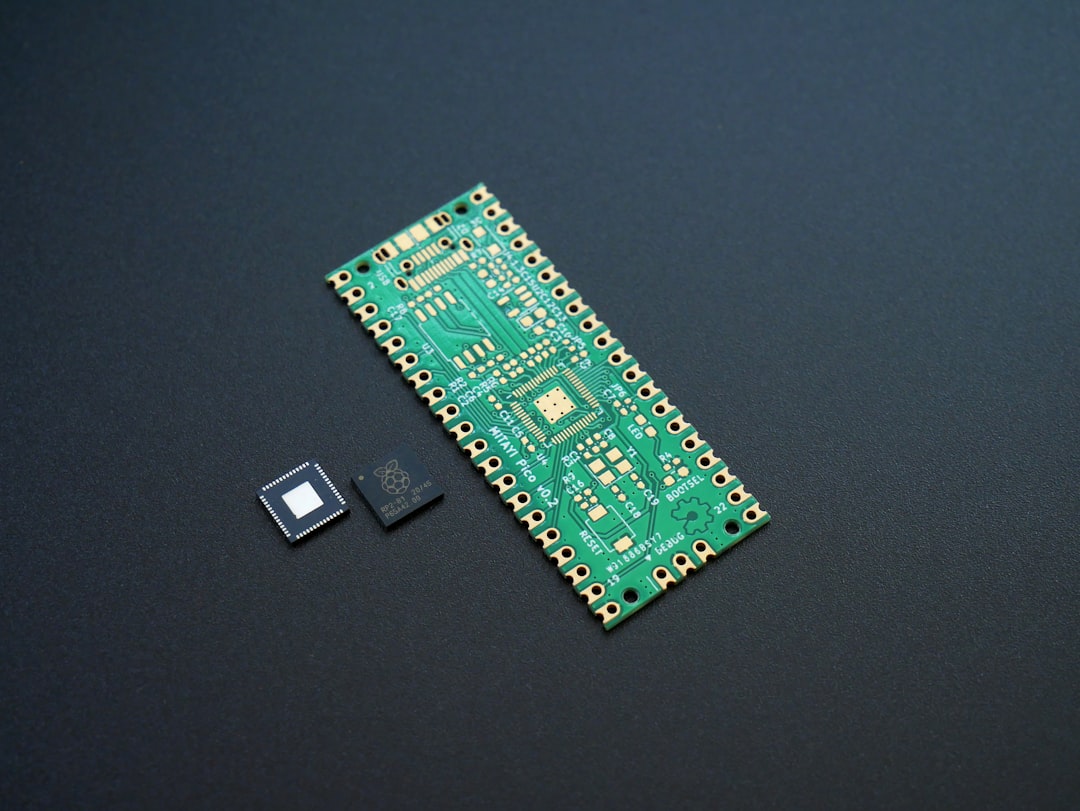
Micro-LED technology represents a significant advancement in display technology, characterized by the use of microscopic light-emitting diodes to create images. Each pixel in a micro-LED display is an individual LED, allowing for precise control over brightness and color.
The development of micro-LED technology began in the early 2000s, but it gained momentum in the 2010s as researchers and companies sought to overcome the challenges associated with manufacturing and scaling. Unlike OLED displays, which rely on organic compounds that can degrade over time, micro-LEDs are made from inorganic materials, offering greater longevity and stability. As the technology matures, it is poised to revolutionize various sectors, including consumer electronics, automotive displays, and large-scale signage.
Key Takeaways
- Micro-LED technology offers superior brightness, energy efficiency, and durability compared to traditional displays.
- It is increasingly used in applications ranging from smartphones and TVs to augmented reality devices.
- Micro-LED screens outperform OLED and LCD in color accuracy, lifespan, and response time.
- Challenges include high manufacturing costs and complex production processes limiting widespread adoption.
- Ongoing advancements suggest Micro-LED will play a significant role in the future of consumer electronics.
Advantages of Micro-LED Screens
One of the primary advantages of micro-LED screens is their exceptional brightness.
This capability enhances visibility and improves the overall viewing experience, particularly in outdoor settings or brightly lit rooms.
Another significant benefit is energy efficiency. Micro-LEDs consume less power than traditional display technologies, especially when displaying darker images. This efficiency not only reduces energy costs but also contributes to longer battery life in portable devices. Additionally, micro-LED screens can be designed to be thinner and lighter than their counterparts, facilitating more innovative product designs and applications.
Micro-LED technology is poised to revolutionize the display industry, offering unparalleled brightness, color accuracy, and energy efficiency compared to traditional LCD and OLED screens. As consumers increasingly seek high-quality visual experiences, understanding the advancements in display technology becomes essential. For instance, the recent article on the iPhone 14 Pro highlights how Apple has integrated cutting-edge display features to enhance user experience, showcasing the importance of innovative screen technologies in modern devices. To learn more about these advancements, you can read the article here: What is Special About the iPhone 14 Pro?.
Applications of Micro-LED Technology
Micro-LED technology has a wide range of applications across various industries. In consumer electronics, it is increasingly being integrated into smartphones, tablets, and televisions. The high resolution and color accuracy of micro-LED displays make them ideal for high-end devices that require superior visual performance. Companies are exploring ways to incorporate this technology into wearables and augmented reality devices as well.
Beyond consumer electronics, micro-LED technology is making strides in commercial applications. Large-scale displays for advertising and public information systems benefit from the high brightness and durability of micro-LEDs. These displays can be found in stadiums, shopping malls, and transportation hubs, where visibility is crucial. Furthermore, micro-LEDs are being considered for automotive displays, providing drivers with clear information while minimizing distractions.
Comparison with Other Screen Technologies
When comparing micro-LED technology to other display technologies like LCD and OLED, several key differences emerge. LCD screens rely on a backlight to illuminate pixels, which can lead to issues with contrast and color accuracy. In contrast, micro-LEDs emit their own light, allowing for true blacks and vibrant colors without the need for a backlight.
OLED technology offers similar benefits in terms of color accuracy and contrast but suffers from issues such as burn-in and limited lifespan due to the organic materials used. Micro-LEDs address these concerns by utilizing inorganic materials that do not degrade as quickly. Additionally, micro-LEDs can achieve higher brightness levels than OLEDs without compromising performance.
Challenges and Limitations of Micro-LED
| Metric | Micro-LED Technology | Traditional LCD | OLED | Benefit of Micro-LED |
|---|---|---|---|---|
| Brightness (nits) | Up to 10,000 | 500 – 1,000 | 600 – 1,000 | Much higher brightness for outdoor visibility |
| Contrast Ratio | Infinite (true blacks) | 1,000:1 to 3,000:1 | Infinite (true blacks) | Perfect blacks with self-emissive pixels |
| Power Efficiency | High (up to 30% more efficient than OLED) | Moderate | Lower (due to organic materials) | Longer battery life and less heat generation |
| Response Time | Less than 1 ms | 5-10 ms | 0.1-1 ms | Excellent for fast motion and gaming |
| Lifespan | 100,000+ hours | 30,000 – 60,000 hours | 20,000 – 30,000 hours | Longer durability and less burn-in risk |
| Color Accuracy | Very High (wide color gamut) | Moderate | High | Vivid and precise colors |
| Screen Thickness | Ultra-thin (can be flexible) | Thicker due to backlight | Thin and flexible | Enables innovative form factors |
| Burn-in Risk | Negligible | None | High | Better for static images and long-term use |
Despite its advantages, micro-LED technology faces several challenges that hinder widespread adoption. One of the primary obstacles is the complexity of manufacturing micro-LED displays. The process involves precise placement of millions of tiny LEDs on a substrate, which can be both time-consuming and costly. As a result, scaling production to meet consumer demand remains a significant hurdle.
Another limitation is the current lack of standardization in micro-LED technology. Different manufacturers may use varying methods and materials, leading to inconsistencies in performance and quality across products. This lack of uniformity can create confusion for consumers and hinder market growth. Additionally, while micro-LEDs offer impressive performance metrics, they are still relatively new in the market, which means that consumer awareness and acceptance are still developing.
As the demand for high-quality displays continues to rise, many experts believe that micro-LED technology is poised to revolutionize the screen industry. This innovative technology offers numerous advantages, including improved brightness, energy efficiency, and superior color accuracy. For those interested in exploring how emerging technologies can impact various markets, a related article discusses the best niche for affiliate marketing on platforms like Pinterest, highlighting the potential for tech-related products to thrive in this space. You can read more about it here.
Current Developments and Future Trends
Recent developments in micro-LED technology indicate a promising future for this innovative display solution. Companies are investing heavily in research and development to improve manufacturing processes and reduce costs. Advances in automation and precision placement techniques are expected to enhance production efficiency, making micro-LED displays more accessible to consumers.
Future trends suggest that micro-LED technology will continue to evolve, with potential applications expanding beyond traditional screens. Flexible and transparent micro-LED displays are being explored for use in innovative product designs, such as foldable smartphones or smart windows that can change opacity based on user preferences. As the technology matures, it may also find applications in virtual reality (VR) and augmented reality (AR), where high-resolution displays are essential for immersive experiences.
As the demand for high-quality displays continues to rise, many experts believe that micro-LED technology is poised to revolutionize the screen industry. This innovative technology offers numerous advantages, including improved brightness, energy efficiency, and color accuracy, making it an attractive option for various applications. For those interested in exploring how different technologies can enhance user engagement, a related article discusses the best software for social media content creation, which can be found here. By understanding the intersection of display technology and content creation tools, we can better appreciate the future of visual communication.
Impact on Consumer Electronics Industry
The introduction of micro-LED technology is likely to have a profound impact on the consumer electronics industry. As manufacturers adopt this technology for smartphones, televisions, and other devices, consumers can expect improved visual experiences characterized by brighter images and better color reproduction. This shift could lead to increased competition among manufacturers as they strive to differentiate their products based on display quality.
Moreover, the energy efficiency of micro-LED screens may influence design choices across various devices. With longer battery life becoming a priority for consumers, manufacturers may prioritize micro-LED technology in portable devices like laptops and tablets. This trend could also encourage more sustainable practices within the industry as energy-efficient displays become the norm.
The Future of Micro-LED Screens
In conclusion, micro-LED technology holds significant promise for the future of display solutions across multiple sectors. Its advantages in brightness, energy efficiency, and color accuracy position it as a strong contender against existing technologies like LCD and OLED. While challenges remain in manufacturing and standardization, ongoing developments suggest that these obstacles will be addressed over time.
As consumer awareness grows and production costs decrease, micro-LED screens are likely to become more prevalent in everyday devices. The potential applications extend beyond traditional screens into innovative areas such as flexible displays and immersive technologies like VR and AR. Ultimately, the future of micro-LED technology appears bright, with the potential to reshape how we interact with visual media in our daily lives.
FAQs
What is Micro-LED technology?
Micro-LED technology involves the use of microscopic light-emitting diodes to create display screens. Each pixel is made up of tiny LEDs that emit their own light, allowing for high brightness, contrast, and energy efficiency.
How does Micro-LED differ from OLED and LCD screens?
Unlike LCDs, which require a backlight, Micro-LEDs are self-emissive like OLEDs but use inorganic LEDs instead of organic compounds. This results in higher brightness, longer lifespan, and better resistance to burn-in compared to OLEDs.
What are the advantages of Micro-LED displays?
Micro-LED displays offer superior brightness, contrast, color accuracy, and energy efficiency. They also have faster response times, longer durability, and are less prone to image retention or burn-in.
Are Micro-LED screens flexible or rigid?
Micro-LED technology can be adapted for both rigid and flexible displays, making it suitable for a wide range of applications including smartphones, TVs, wearables, and augmented reality devices.
What challenges does Micro-LED technology face?
Manufacturing Micro-LED displays is complex and costly due to the need to precisely place millions of tiny LEDs. Scaling up production and improving yield rates remain significant challenges.
When can consumers expect Micro-LED products to be widely available?
While Micro-LED prototypes and limited products exist, widespread commercial availability is expected within the next few years as manufacturing processes improve and costs decrease.
Is Micro-LED technology energy efficient?
Yes, Micro-LED displays are highly energy efficient because each LED emits light individually, reducing power consumption especially when displaying darker images.
Can Micro-LED displays achieve higher resolutions?
Yes, due to the microscopic size of the LEDs, Micro-LED technology can support extremely high pixel densities, enabling ultra-high-resolution displays.
What industries will benefit most from Micro-LED technology?
Consumer electronics, automotive displays, augmented and virtual reality, digital signage, and wearable devices are among the industries that stand to benefit significantly from Micro-LED advancements.
Is Micro-LED technology environmentally friendly?
Micro-LEDs use inorganic materials that are generally more stable and less toxic than the organic compounds in OLEDs, and their energy efficiency contributes to lower overall environmental impact.