

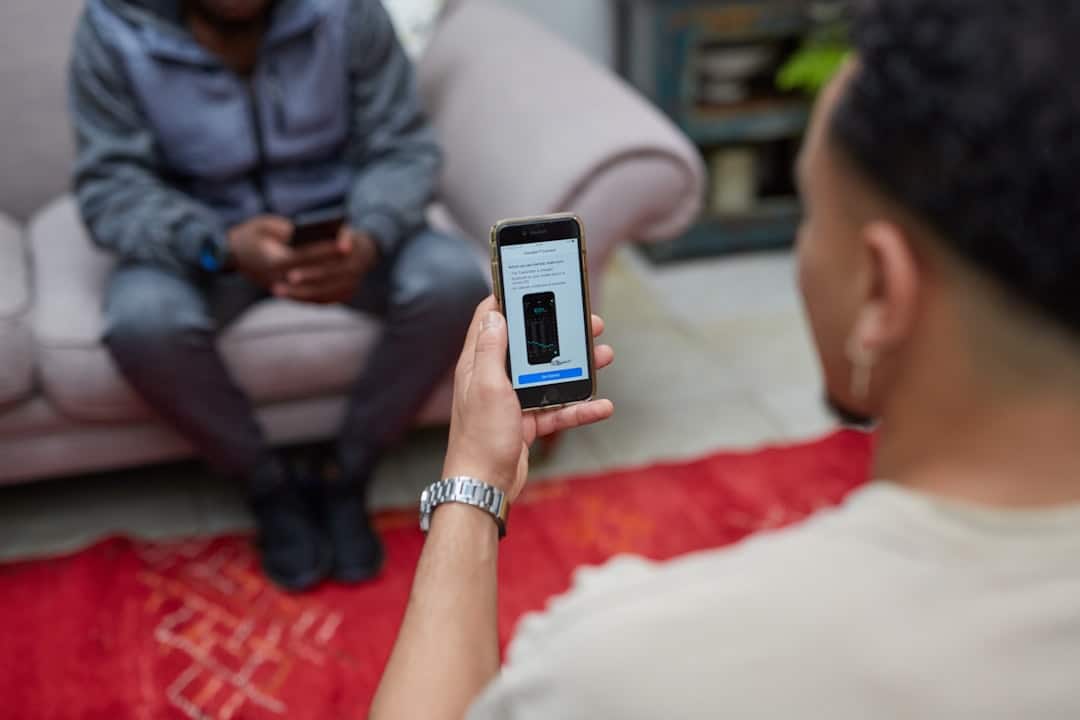
Continuous Glucose Monitors (CGMs) have emerged as a revolutionary tool in the management of diabetes, providing real-time insights into glucose levels and trends.
This technology has transformed diabetes care, allowing individuals to make informed decisions about their health based on accurate and timely data.
The increasing prevalence of diabetes worldwide has underscored the need for innovative solutions, and CGMs stand at the forefront of this evolution. The development of CGMs has been driven by advancements in sensor technology, data analytics, and wireless communication. These devices consist of a small sensor inserted under the skin, typically on the abdomen or arm, which measures glucose levels in the interstitial fluid.
The data collected is transmitted to a receiver or smartphone app, providing users with a comprehensive view of their glucose patterns. As diabetes management becomes increasingly complex, CGMs offer a user-friendly solution that empowers patients to take control of their condition, ultimately improving their quality of life.
Key Takeaways
- Continuous Glucose Monitors (CGMs) provide real-time blood sugar data, enhancing diabetes management.
- CGMs help prevent dangerous highs and lows by offering continuous monitoring and alerts.
- Integration with insulin pumps enables automated insulin delivery for better glucose control.
- Advances in CGM technology promise more accurate, user-friendly, and accessible diabetes care.
- Addressing cost, education, and technology barriers is key to wider CGM adoption and improved outcomes.
How CGMs Work and Their Benefits for Diabetes Management
CGMs operate through a sophisticated mechanism that involves the use of electrochemical sensors to detect glucose levels in the interstitial fluid. When glucose enters the body, it diffuses through the skin and into the sensor, where it interacts with enzymes that produce an electrical signal proportional to the glucose concentration. This signal is then converted into a readable glucose value, which is displayed on the device or app.
Most CGMs provide readings every few minutes, allowing users to track fluctuations in their glucose levels in real time. The benefits of CGMs extend beyond mere convenience; they significantly enhance diabetes management by providing users with actionable insights. For instance, individuals can identify patterns in their glucose levels related to food intake, physical activity, and stress.
This information enables them to make informed decisions about their diet and lifestyle, leading to better glycemic control. Moreover, CGMs can alert users to impending highs or lows in blood sugar levels, allowing for timely interventions that can prevent serious complications. The ability to visualize trends over time also aids healthcare providers in tailoring treatment plans to meet individual needs.
The Impact of CGMs on Blood Sugar Monitoring and Control

The introduction of CGMs has fundamentally changed how individuals with diabetes monitor and control their blood sugar levels. Traditional methods often relied on sporadic fingerstick tests, which could lead to gaps in data and missed opportunities for timely intervention. In contrast, CGMs provide continuous data that allows users to see how their glucose levels fluctuate throughout the day.
This continuous monitoring is particularly beneficial for those with type 1 diabetes, who may experience rapid changes in blood sugar due to insulin administration or dietary choices. Research has shown that the use of CGMs can lead to improved glycemic control. A study published in the journal “Diabetes Care” found that individuals using CGMs experienced a significant reduction in HbA1c levels compared to those using traditional monitoring methods.
This reduction is crucial as lower HbA1c levels are associated with a decreased risk of long-term complications such as neuropathy, retinopathy, and cardiovascular disease. Furthermore, CGMs facilitate better communication between patients and healthcare providers, as both parties can review glucose data together and make informed adjustments to treatment plans.
The Role of CGMs in Preventing Hypoglycemia and Hyperglycemia
One of the most critical roles of CGMs is their ability to prevent episodes of hypoglycemia and hyperglycemia, conditions that can have severe consequences for individuals with diabetes. Hypoglycemia occurs when blood sugar levels drop too low, leading to symptoms such as dizziness, confusion, and even loss of consciousness. Conversely, hyperglycemia results from excessively high blood sugar levels and can lead to long-term complications if not addressed promptly.
CGMs play a vital role in alerting users to these dangerous fluctuations. Many CGM systems come equipped with customizable alerts that notify users when their glucose levels are approaching dangerous thresholds. For example, if a user’s blood sugar drops below a predetermined level, the device will sound an alarm or send a notification to their smartphone.
This feature is particularly beneficial during sleep when individuals may not be aware of changes in their glucose levels. By providing timely warnings, CGMs empower users to take corrective actions—such as consuming fast-acting carbohydrates or administering insulin—before severe symptoms develop. This proactive approach significantly reduces the risk of emergency situations related to blood sugar imbalances.
Integrating CGMs with Insulin Pumps and Automated Insulin Delivery Systems
| Metric | Before CGM | After CGM Adoption | Impact on Diabetes Management |
|---|---|---|---|
| Frequency of Blood Glucose Checks | 4-6 times per day (finger pricks) | Continuous, every 5 minutes | Improved real-time monitoring and timely interventions |
| Hypoglycemia Detection | Often missed or detected late | Early detection with alerts | Reduced severe hypoglycemic events |
| Average HbA1c Reduction | Baseline levels vary | Reduction of 0.3% to 1.0% | Better long-term glucose control |
| Time in Range (70-180 mg/dL) | Approximately 50-60% | Increased to 70-80% | Improved daily glucose stability |
| Patient Quality of Life | Lower due to frequent finger pricks and uncertainty | Higher due to less pain and better glucose insights | Enhanced confidence and reduced diabetes distress |
| Data Sharing with Healthcare Providers | Manual logbooks or infrequent downloads | Automatic, real-time data sharing | Improved clinical decision-making and personalized care |
The integration of CGMs with insulin pumps and automated insulin delivery systems represents a significant advancement in diabetes management technology. Insulin pumps deliver precise doses of insulin based on individual needs, while CGMs provide real-time glucose data that can inform these doses. When combined, these technologies create a closed-loop system that automates insulin delivery based on continuous glucose monitoring.
This integration allows for more precise control over blood sugar levels by adjusting insulin delivery in response to real-time data from the CGM. For instance, if a CGM detects rising glucose levels after a meal, it can signal the insulin pump to deliver additional insulin automatically. This dynamic interaction between devices minimizes the burden on users while enhancing glycemic control.
Studies have shown that individuals using hybrid closed-loop systems experience fewer instances of hypoglycemia and improved overall glycemic control compared to those relying solely on traditional methods.
The Future of CGMs and Advancements in Diabetes Management
As technology continues to evolve, the future of Continuous Glucose Monitors holds great promise for further advancements in diabetes management. Researchers are exploring new sensor technologies that could enhance accuracy and reduce the need for calibration with fingerstick tests. Additionally, innovations such as non-invasive sensors that do not require skin penetration are being developed, which could make CGMs more accessible to a broader population.
Moreover, advancements in data analytics and artificial intelligence are poised to revolutionize how individuals interpret their glucose data. Future CGM systems may incorporate machine learning algorithms that analyze historical data to predict future glucose trends more accurately. This predictive capability could enable users to anticipate changes in their blood sugar levels based on various factors such as diet, exercise, and stress levels.
As these technologies continue to develop, they will likely lead to more personalized diabetes management strategies tailored to individual needs.
Overcoming Challenges and Barriers to CGM Adoption
Despite the numerous benefits offered by Continuous Glucose Monitors, several challenges and barriers hinder widespread adoption among individuals with diabetes. One significant barrier is cost; many insurance plans do not fully cover the expenses associated with CGM devices and supplies. This financial burden can deter patients from utilizing this technology, particularly those who may already be struggling with the costs of managing their condition.
Additionally, there may be a learning curve associated with using CGMs effectively. Some individuals may find it challenging to interpret the data provided by these devices or may feel overwhelmed by the constant influx of information. Education and support from healthcare providers are essential in helping patients navigate these challenges and maximize the benefits of CGM technology.
Furthermore, addressing concerns about sensor accuracy and reliability is crucial for building trust among users and encouraging broader acceptance of this innovative tool.
The Potential of CGMs in Transforming Diabetes Care
The potential of Continuous Glucose Monitors in transforming diabetes care is immense. By providing real-time insights into glucose levels and trends, CGMs empower individuals with diabetes to take control of their health like never before. The ability to prevent hypoglycemia and hyperglycemia through timely alerts enhances safety and reduces the risk of complications associated with poorly managed blood sugar levels.
As technology continues to advance, the integration of CGMs with insulin delivery systems promises even greater improvements in glycemic control and overall quality of life for individuals living with diabetes. While challenges remain regarding accessibility and education, ongoing efforts to address these barriers will pave the way for broader adoption of this life-changing technology. Ultimately, Continuous Glucose Monitors represent a significant leap forward in diabetes management, offering hope for improved outcomes and enhanced well-being for millions around the world.
Continuous glucose monitors (CGMs) are revolutionizing diabetes management by providing real-time data that empowers patients to make informed decisions about their health. For those interested in exploring how technology is shaping various industries, a related article on the impact of innovative devices can be found in this piece about the Google Pixel phone, which highlights what makes it stand out in the tech landscape.
?</h3>
<p>A Continuous Glucose Monitor (CGM) is a medical device that tracks glucose levels in real-time throughout the day and night. It consists of a small sensor inserted under the skin that measures glucose in the interstitial fluid and sends data to a display device or smartphone.</p>
<h3>How do Continuous Glucose Monitors improve diabetes management?</h3>
<p>CGMs provide continuous, real-time glucose readings, allowing users to monitor trends and fluctuations more accurately than traditional fingerstick tests. This helps in making timely decisions about diet, exercise, and medication, leading to better blood sugar control and reduced risk of complications.</p>
<h3>Who can benefit from using a Continuous Glucose Monitor?</h3>
<p>People with type 1 diabetes, type 2 diabetes, and those with gestational diabetes can benefit from CGMs. They are especially useful for individuals who require tight glucose control or experience frequent hypoglycemia or hyperglycemia.</p>
<h3>Are Continuous Glucose Monitors accurate?</h3>
<p>Modern CGMs are highly accurate and have been approved by regulatory agencies like the FDA. However, they may have slight delays compared to blood glucose meters because they measure glucose in interstitial fluid rather than directly in the blood.</p>
<h3>Do Continuous Glucose Monitors replace fingerstick blood glucose tests?</h3>
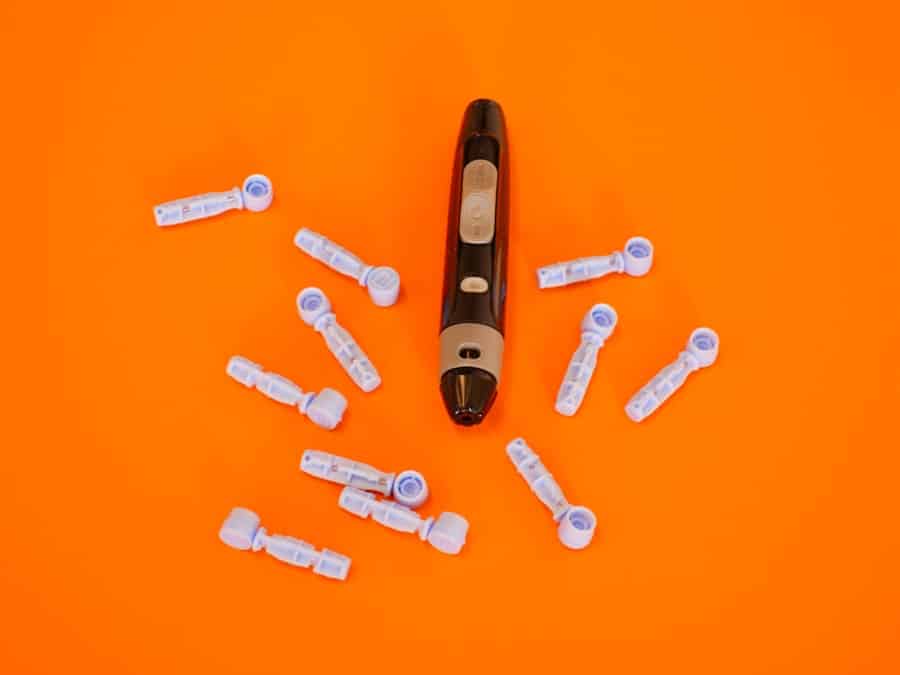
<p>While CGMs reduce the need for frequent fingerstick tests, users may still need to perform occasional fingerstick tests to calibrate the device or confirm readings during rapid glucose changes.</p>
<h3>How long can a CGM sensor be worn?</h3>
<p>Sensor wear time varies by manufacturer but typically ranges from 7 to 14 days before needing replacement.</p>
<h3>What are the main components of a CGM system?</h3>
<p>A CGM system includes a sensor inserted under the skin, a transmitter that sends glucose data, and a receiver or compatible smartphone app that displays glucose readings and trends.</p>
<h3>Are there any risks or side effects associated with CGMs?</h3>
<p>Some users may experience skin irritation or allergic reactions at the sensor insertion site. Proper hygiene and sensor placement can minimize these risks.</p>
<h3>How do CGMs help prevent hypoglycemia?</h3>
<p>CGMs provide alerts and alarms when glucose levels drop too low, allowing users to take immediate action to prevent severe hypoglycemia.</p>
<h3>Is insurance coverage available for Continuous Glucose Monitors?</h3>
<p>Many insurance plans, including Medicare, cover CGMs for eligible individuals with diabetes. Coverage and requirements vary, so it is important to check with your insurance provider.</p>
<div class="clear"></div> </div>
<footer class="entry-meta">
<div class="entry-tax"><span>Tags: No tags</span></div>
<div class="aux-single-post-share">
<div class="aux-tooltip-socials aux-tooltip-dark aux-socials aux-icon-left aux-medium aux-tooltip-social-no-text" >
<span class="aux-icon auxicon-share" ></span>
</div>
</div>
</footer>
</div>
<nav class="aux-next-prev-posts nav-skin-thumb-arrow">
<section class="np-prev-section has-nav-thumb" >
<a href="https://enicomp.com/why-nanotechnology-is-transforming-healthcare-and-materials-science/">
<div class="np-arrow">
<div class="aux-hover-slide aux-arrow-nav aux-outline">
<span class="aux-svg-arrow aux-medium-left"></span>
<span class="aux-hover-arrow aux-svg-arrow aux-medium-left"></span>
</div>
<img width="80" height="80" src="https://enicomp.com/wp-content/uploads/2025/12/image-137-80x80.jpg" class="auxin-attachment auxin-featured-image attachment-80x80" alt="Photo Nanotech" /> </div>
<p class="np-nav-text">Previous Post</p>
<h4 class="np-title">Why Nanotechnology Is Transforming Healthcare and Materials Science</h4>
</a>
</section>
<section class="np-next-section has-nav-thumb" >
<a href="https://enicomp.com/why-deep-learning-is-driving-breakthroughs-in-image-recognition-2/">
<div class="np-arrow">
<div class="aux-arrow-nav aux-hover-slide aux-outline">
<span class="aux-svg-arrow aux-medium-right"></span>
<span class="aux-hover-arrow aux-svg-arrow aux-medium-right"></span>
</div>
<img width="80" height="80" src="https://enicomp.com/wp-content/uploads/2025/12/image-141-80x80.jpg" class="auxin-attachment auxin-featured-image attachment-80x80" alt="Photo Vision" /> </div>
<p class="np-nav-text">Next Post</p>
<h4 class="np-title">Why Deep Learning Is Driving Breakthroughs in Image Recognition</h4>
</a>
</section>
</nav>
</article>
</div><!-- end content -->
</div><!-- end primary -->
<aside class="aux-sidebar aux-sidebar-primary">
<div class="sidebar-inner">
<div class="sidebar-content">
<div class="aux-widget-area"><section id="block-4" class=" aux-open widget-container widget_block">
<h2 class="wp-block-heading">POPULAR</h2>
</section><section id="block-33" class=" aux-open widget-container widget_block">
<h2 class="wp-block-heading">CATEGORIES</h2>
</section><section id="categories-3" class=" aux-open widget-container widget_categories"><h3 class="widget-title">Categories</h3>
<ul>
<li class="cat-item cat-item-162"><a href="https://enicomp.com/category/5g-wireless-communication-technologies/">5G, Wireless & Communication Technologies</a> (178)
<ul class=)