


Precision farming, also known as precision agriculture, is an agricultural management system that uses technology to optimize crop production, resource efficiency, and environmental sustainability. This approach involves customizing farming practices to meet the specific requirements of individual plants or field zones, moving away from uniform treatment across entire fields. The system relies on data collection and analysis to enable evidence-based decision-making for improved operational efficiency and sustainable farming practices.
Modern technologies including Global Positioning System (GPS), remote sensing satellites and drones, and advanced data analytics platforms enable the collection and processing of comprehensive data on soil composition, moisture levels, nutrient content, weather conditions, and crop development stages. Precision farming addresses critical challenges in modern agriculture beyond operational efficiency improvements. With global population projected to reach 9.7 billion by 2050, food production must increase by approximately 70% according to the Food and Agriculture Organization.
Precision farming technologies enable targeted application of water, fertilizers, and pesticides, reducing input costs by 10-20% while maintaining or increasing yields. This approach decreases agricultural runoff, minimizes soil erosion, and reduces carbon emissions per unit of food produced, contributing to climate change mitigation efforts while ensuring food security for growing populations.
Key Takeaways
- Precision farming integrates technology to optimize crop production and resource use.
- Artificial intelligence enhances decision-making and efficiency in agricultural practices.
- AI benefits include increased yield, reduced waste, and better pest and disease management.
- Key AI technologies in farming involve drones, sensors, machine learning, and data analytics.
- Despite challenges like high costs and data privacy, AI is shaping the future of sustainable agriculture.
The Role of Artificial Intelligence in Agriculture
Artificial intelligence (AI) has emerged as a pivotal force in the evolution of precision farming, providing farmers with tools that enhance decision-making processes and operational efficiency. AI encompasses a range of technologies, including machine learning, computer vision, and natural language processing, which can analyze complex datasets and generate actionable insights. In agriculture, AI systems can process information from various sources—such as satellite imagery, sensor data, and historical crop performance—to identify patterns and predict outcomes.
This capability allows farmers to make proactive decisions regarding planting schedules, irrigation needs, and pest management. One of the most significant contributions of AI in agriculture is its ability to facilitate real-time monitoring and analysis. For instance, AI-powered drones equipped with high-resolution cameras can survey large tracts of farmland, capturing detailed images that reveal variations in crop health.
By analyzing these images using machine learning algorithms, farmers can detect early signs of disease or nutrient deficiencies, enabling them to take corrective action before problems escalate. Furthermore, AI can optimize resource allocation by predicting weather patterns and soil moisture levels, ensuring that water and fertilizers are applied precisely when and where they are needed.
Benefits of AI in Precision Farming
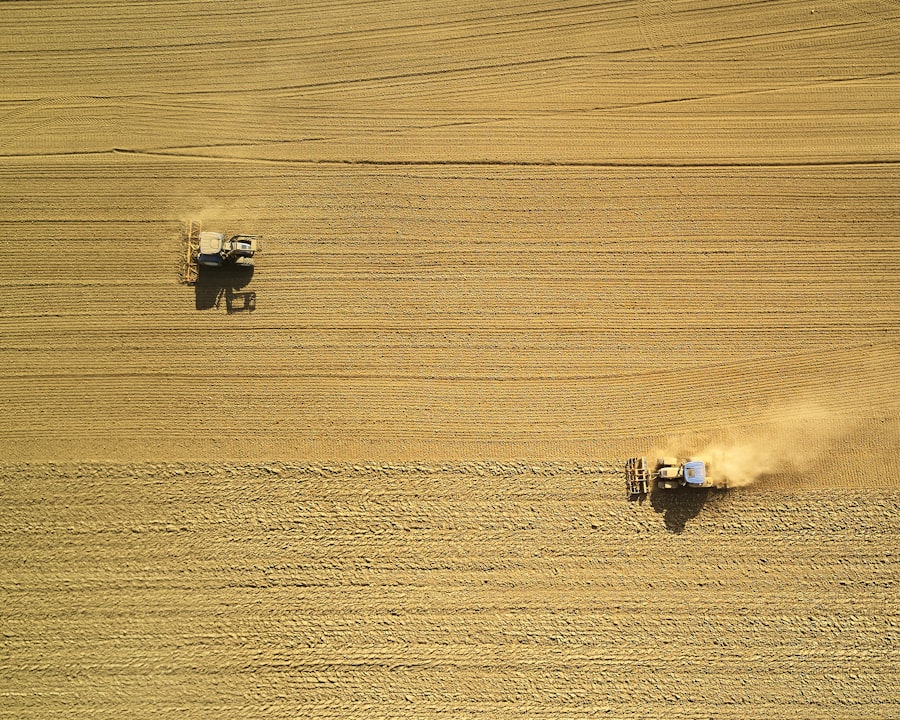
The integration of AI into precision farming offers numerous benefits that extend across various aspects of agricultural production. One of the most notable advantages is the enhancement of crop yields through data-driven decision-making. By leveraging AI algorithms to analyze historical data and current conditions, farmers can identify the optimal planting times, crop varieties, and cultivation techniques for their specific environments.
This tailored approach not only maximizes productivity but also reduces the risk of crop failure due to unforeseen circumstances. In addition to improving yields, AI contributes significantly to resource efficiency. Traditional farming practices often involve blanket applications of water, fertilizers, and pesticides, which can lead to overuse and environmental degradation.
AI systems enable precision application by determining the exact amounts needed based on real-time data analysis. For example, soil sensors can provide insights into nutrient levels, allowing farmers to apply fertilizers only where necessary. This targeted approach not only conserves resources but also minimizes runoff and pollution, promoting a healthier ecosystem.
AI Technologies Used in Precision Farming
A variety of AI technologies are currently being employed in precision farming, each contributing uniquely to the optimization of agricultural practices. Machine learning algorithms are at the forefront of this technological revolution, enabling systems to learn from data patterns and improve their predictions over time. These algorithms can analyze vast datasets from multiple sources—such as weather forecasts, soil conditions, and crop performance metrics—to provide farmers with actionable insights tailored to their specific needs.
Computer vision technology is another critical component of AI in agriculture. By utilizing high-resolution imagery captured by drones or satellites, computer vision algorithms can assess crop health by detecting anomalies such as discoloration or wilting. This visual analysis allows for early intervention in cases of disease or pest infestations.
Additionally, robotics equipped with computer vision capabilities can automate tasks such as weeding or harvesting, further enhancing efficiency on the farm. Natural language processing (NLP) is also making strides in agriculture by enabling farmers to interact with AI systems using conversational language. This technology allows for the development of virtual assistants that can answer questions about crop management or provide recommendations based on current conditions.
By simplifying access to information, NLP empowers farmers to make informed decisions quickly and effectively.
Challenges and Limitations of AI in Agriculture
| Metric | Description | Impact of AI in Precision Farming |
|---|---|---|
| Crop Yield Increase | Percentage increase in crop production per hectare | Up to 20-30% increase due to optimized planting and resource use |
| Water Usage Efficiency | Reduction in water consumption for irrigation | Reduction by 30-50% through AI-driven irrigation scheduling |
| Fertilizer Application Accuracy | Precision in applying fertilizers only where needed | Improved by 40-60%, reducing waste and environmental impact |
| Pest and Disease Detection Speed | Time taken to identify and respond to pest outbreaks | Reduced by 50-70% using AI-powered image recognition |
| Labor Cost Reduction | Decrease in manual labor requirements | Reduced by 25-40% through automation and AI monitoring |
| Soil Health Monitoring Frequency | Number of soil tests conducted per season | Increased by 2-3 times with AI sensors and data analytics |
| Decision-Making Speed | Time taken to make farming decisions based on data | Accelerated by 60-80% with AI predictive analytics |
Despite the numerous advantages that AI brings to precision farming, several challenges and limitations must be addressed for its widespread adoption. One significant hurdle is the high initial cost associated with implementing AI technologies. Many small-scale farmers may find it difficult to invest in advanced equipment and software solutions necessary for precision agriculture.
This financial barrier can create disparities in access to technology between large agribusinesses and smaller farms, potentially exacerbating existing inequalities within the agricultural sector. Data privacy and security also pose challenges in the realm of AI in agriculture. As farmers increasingly rely on data-driven insights, concerns about who owns this data and how it is used become paramount.
The collection and analysis of sensitive information raise questions about privacy rights and the potential for misuse by third parties. Establishing clear regulations and guidelines surrounding data ownership will be essential to foster trust among farmers and encourage the adoption of AI technologies. Moreover, there is a need for education and training in order for farmers to effectively utilize AI tools.
Many agricultural professionals may lack the technical expertise required to interpret complex data or operate sophisticated software systems. Bridging this knowledge gap through targeted training programs will be crucial for maximizing the benefits of AI in precision farming.
Case Studies of Successful Implementation of AI in Agriculture
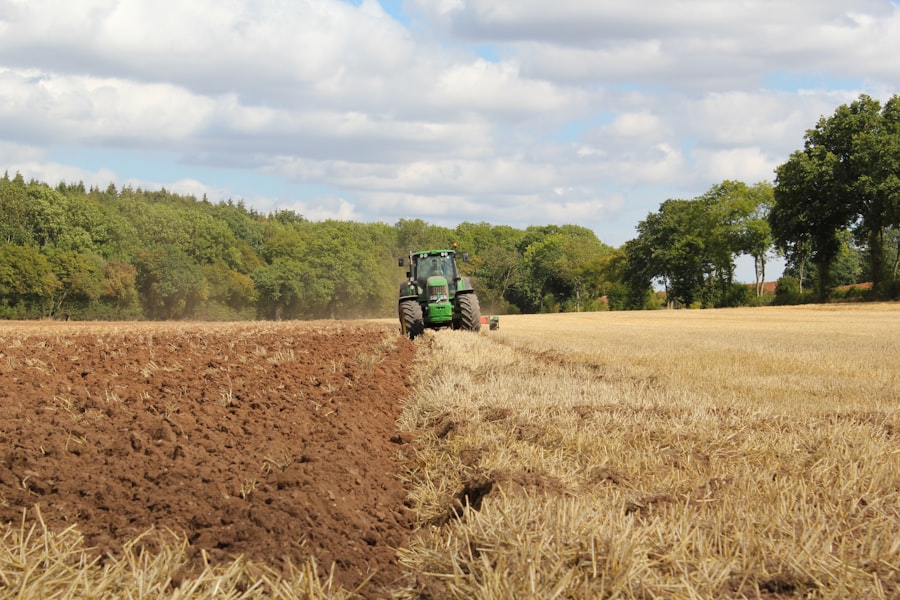
Several case studies illustrate the successful implementation of AI technologies in agriculture, showcasing their potential to revolutionize farming practices. One notable example is the use of AI-driven predictive analytics by a large-scale corn producer in the Midwest United States. By integrating machine learning algorithms with historical yield data and real-time weather information, the farmer was able to optimize planting schedules and irrigation practices.
As a result, they achieved a 20% increase in corn yields while significantly reducing water usage. Another compelling case involves a vineyard in California that adopted computer vision technology to monitor grape health throughout the growing season. By deploying drones equipped with high-resolution cameras, the vineyard management team could identify areas affected by pests or diseases early on.
The computer vision algorithms analyzed the imagery to provide insights into vine health, allowing for targeted interventions that improved overall grape quality and reduced pesticide use by 30%. This case exemplifies how AI can enhance both productivity and sustainability within specialized agricultural sectors.
Future Trends and Developments in AI and Precision Farming
The future of AI in precision farming is poised for significant advancements as technology continues to evolve. One emerging trend is the integration of Internet of Things (IoT) devices with AI systems. IoT sensors placed throughout fields can collect real-time data on soil moisture levels, temperature fluctuations, and crop health indicators.
When combined with AI analytics platforms, this data can provide farmers with comprehensive insights that facilitate timely decision-making.
Self-driving tractors equipped with AI capabilities can perform tasks such as planting, fertilizing, and harvesting with minimal human intervention.
These machines can operate around the clock, optimizing labor efficiency while reducing operational costs for farmers. Moreover, as climate change continues to impact agricultural production globally, AI will play a crucial role in developing adaptive strategies for resilience. Machine learning models can analyze climate data trends to predict future conditions and recommend crop varieties that are better suited for changing environments.
This proactive approach will be essential for ensuring food security in an era marked by uncertainty.
The Impact of AI on the Future of Agriculture
The integration of artificial intelligence into precision farming represents a paradigm shift that holds immense potential for transforming agriculture as we know it. By harnessing advanced technologies such as machine learning, computer vision, and IoT devices, farmers can optimize their operations while promoting sustainability and resource efficiency. The benefits extend beyond increased yields; they encompass environmental stewardship and enhanced food security in a rapidly changing world.
As we look ahead, addressing challenges related to cost barriers, data privacy, and education will be critical for maximizing the impact of AI in agriculture. Successful case studies demonstrate that when implemented thoughtfully, these technologies can lead to remarkable improvements in productivity and sustainability. The future trends indicate a continued evolution towards more autonomous systems and adaptive strategies that will empower farmers to navigate the complexities of modern agriculture effectively.
In conclusion, artificial intelligence is not merely an enhancement but a fundamental component shaping the future landscape of agriculture. Its ability to provide actionable insights based on real-time data will redefine how we approach farming challenges while ensuring that we meet the growing demands for food production sustainably.
AI is revolutionizing agriculture by enabling precision farming techniques that optimize resource use and enhance crop yields. For a deeper understanding of how technology is reshaping various fields, you might find the article on the top astrology software for PC and Mac interesting, as it highlights the integration of advanced software solutions in different domains, much like AI’s role in agriculture.
FAQs
What is precision farming?
Precision farming, also known as precision agriculture, is a farming management concept that uses technology to monitor and optimize field-level management regarding crop farming. It involves using data and tools such as GPS, sensors, and AI to improve crop yields, reduce waste, and increase efficiency.
How is AI used in precision farming?
AI is used in precision farming to analyze large amounts of data collected from sensors, drones, and satellite imagery. It helps in predicting crop health, optimizing irrigation, detecting pests and diseases early, and automating machinery for planting and harvesting.
What are the benefits of AI in agriculture?
AI improves accuracy in monitoring crops, reduces the use of water, fertilizers, and pesticides, increases crop yields, lowers operational costs, and supports sustainable farming practices by minimizing environmental impact.
Can AI help in pest and disease management?
Yes, AI-powered systems can detect signs of pests and diseases early by analyzing images and sensor data, allowing farmers to take timely action and reduce crop losses.
Does AI require expensive equipment for farmers?
While some AI technologies may require investment in equipment like drones or sensors, many solutions are becoming more affordable and accessible. Additionally, some services offer AI-based analysis through mobile apps or cloud platforms, reducing the need for costly hardware.
Is AI in agriculture suitable for small-scale farmers?
AI technologies are increasingly being adapted for small-scale farmers through affordable tools and mobile applications, enabling them to benefit from precision farming practices without large investments.
How does AI contribute to sustainable agriculture?
AI helps optimize resource use such as water and fertilizers, reduces chemical runoff, minimizes waste, and supports environmentally friendly farming methods, contributing to sustainability.
What types of data are used by AI in precision farming?
AI uses data from soil sensors, weather stations, satellite and drone imagery, crop health images, and historical yield data to make informed decisions.
Are there any challenges in implementing AI in agriculture?
Challenges include the initial cost of technology, lack of digital literacy among some farmers, data privacy concerns, and the need for reliable internet connectivity in rural areas.
What is the future outlook for AI in agriculture?
AI is expected to play an increasingly important role in agriculture by enabling smarter, more efficient, and sustainable farming practices, helping to meet the growing global food demand.