

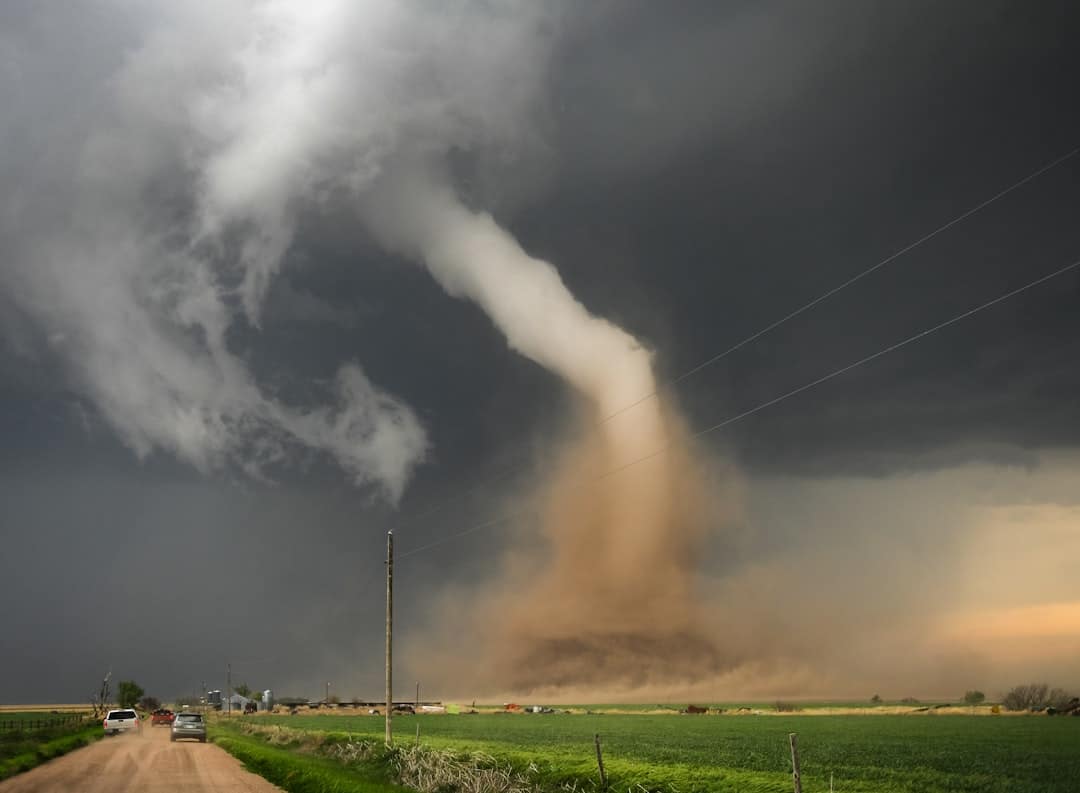
Natural disasters, including hurricanes, earthquakes, floods, and wildfires, present substantial risks to human populations, built infrastructure, and ecological systems. The inherent unpredictability of these phenomena frequently results in severe impacts, highlighting the critical importance of developing reliable prediction capabilities. Traditional approaches to disaster forecasting have depended on observational measurements, historical data analysis, and basic meteorological and geological modeling techniques.
As natural disasters become more frequent and severe due to factors such as climate change and increased urban development, conventional prediction methodologies have demonstrated significant limitations in accuracy and lead time. The application of artificial intelligence technologies to natural disaster prediction represents a fundamental advancement in risk assessment and emergency management practices. AI systems can process extensive datasets and utilize complex computational algorithms to analyze disaster patterns and generate more precise forecasting models.
Key Takeaways
- Traditional methods of natural disaster prediction have significant limitations in accuracy and timeliness.
- AI enhances prediction by analyzing vast amounts of data to identify early warning signs.
- Machine learning algorithms can detect complex disaster patterns that humans might miss.
- AI improves the speed and precision of disaster forecasts, aiding better preparedness and response.
- Ethical and privacy concerns must be addressed when implementing AI-based prediction systems.
The Limitations of Traditional Prediction Methods
Traditional methods of predicting natural disasters often rely on historical data and established scientific models. For instance, meteorologists use weather patterns and atmospheric conditions to forecast storms, while seismologists analyze tectonic activity to predict earthquakes. While these methods have proven effective in certain contexts, they are inherently limited by their reliance on past events.
The dynamic nature of the Earth’s systems means that relying solely on historical data can lead to significant gaps in understanding future risks. Moreover, traditional prediction methods often struggle with the complexity and interconnectivity of various environmental factors. For example, predicting a hurricane’s path involves not only understanding wind patterns but also ocean temperatures, atmospheric pressure, and even human factors such as urban development.
These multifaceted interactions can create challenges in developing accurate models. Additionally, many traditional systems lack real-time data integration, which can delay responses to emerging threats. As a result, communities may find themselves unprepared for disasters that deviate from historical norms or occur with little warning.
The Role of AI in Natural Disaster Prediction
Artificial intelligence offers a transformative approach to natural disaster prediction by enabling more sophisticated analysis of complex datasets. Unlike traditional methods that often rely on linear models, AI can process vast amounts of information from diverse sources, including satellite imagery, social media feeds, and sensor data. This capability allows for a more nuanced understanding of environmental conditions and potential disaster triggers.
For instance, AI algorithms can analyze patterns in weather data alongside geological information to identify areas at heightened risk for earthquakes or landslides. Furthermore, AI’s ability to learn from new data continuously enhances its predictive capabilities over time. Machine learning algorithms can adapt to changing conditions and refine their predictions based on real-time information.
This adaptability is particularly crucial in the context of climate change, where historical patterns may no longer be reliable indicators of future events. By integrating AI into disaster prediction frameworks, researchers and emergency management agencies can develop more robust models that account for a wider range of variables and scenarios.
How AI Can Analyze Big Data for Early Warning Signs
The advent of big data has transformed many fields, and natural disaster prediction is no exception. AI excels at processing large volumes of data quickly and efficiently, making it an invaluable tool for identifying early warning signs of impending disasters.
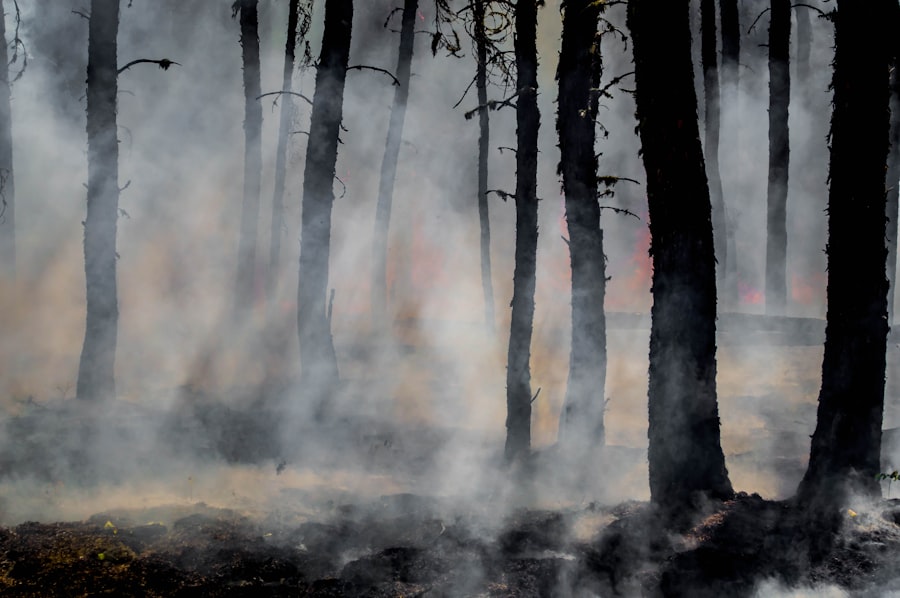
By correlating these indicators with historical fire data, AI systems can generate alerts for areas that may be at risk. Moreover, AI can integrate data from various sources to create comprehensive situational awareness. For instance, during a hurricane event, AI can analyze meteorological data alongside social media posts to gauge public sentiment and identify areas where people may be unprepared or unaware of the impending threat.
This holistic approach not only enhances prediction accuracy but also facilitates timely interventions by emergency responders. By providing actionable insights based on real-time data analysis, AI empowers communities to take proactive measures in mitigating disaster impacts.
The Use of Machine Learning in Predicting Disaster Patterns
| Metric | Value/Description | Relevance to AI in Natural Disaster Prediction |
|---|---|---|
| Data Volume Processed | Petabytes per day from satellites, sensors, and social media | AI can analyze massive datasets quickly to identify patterns and anomalies |
| Prediction Accuracy Improvement | Up to 30% increase compared to traditional models | AI models improve forecasting precision, reducing false alarms and missed events |
| Response Time Reduction | From hours to minutes | AI enables faster detection and alerts, allowing quicker emergency responses |
| Types of Disasters Predicted | Earthquakes, floods, hurricanes, wildfires, tsunamis | AI models can be tailored to various natural disaster types for comprehensive coverage |
| Data Sources Integrated | Satellite imagery, seismic sensors, weather stations, social media feeds | AI fuses diverse data streams for holistic and accurate predictions |
| False Alarm Rate Reduction | Reduced by up to 25% | AI helps minimize unnecessary evacuations and resource deployment |
| Cost Savings in Disaster Management | Significant reduction in resource wastage and damage costs | Early and accurate predictions help optimize resource allocation and reduce losses |
Machine learning, a subset of AI, plays a pivotal role in enhancing our understanding of disaster patterns through its ability to identify trends and anomalies within complex datasets. By employing algorithms that learn from historical data, machine learning models can uncover hidden relationships between various factors that contribute to natural disasters. For example, researchers have utilized machine learning techniques to analyze seismic data and identify patterns that precede earthquakes, leading to improved early warning systems.
In addition to seismic activity, machine learning has been applied in predicting weather-related disasters such as floods and hurricanes. By analyzing historical weather patterns alongside current atmospheric conditions, machine learning models can generate probabilistic forecasts that account for uncertainty. This capability is particularly valuable in situations where traditional models may struggle to provide accurate predictions due to rapidly changing conditions.
As machine learning continues to evolve, its applications in disaster prediction are likely to expand further, offering new insights into the complex dynamics of natural hazards.
AI’s Ability to Improve Accuracy and Timeliness of Predictions

One of the most significant advantages of incorporating AI into natural disaster prediction is its potential to improve both the accuracy and timeliness of forecasts. Traditional methods often face challenges related to data integration and processing speed, leading to delays in disseminating critical information. In contrast, AI systems can analyze incoming data streams in real time, allowing for rapid updates to predictions as new information becomes available.
For instance, during severe weather events such as tornado outbreaks, AI algorithms can process radar data and atmospheric conditions almost instantaneously. This capability enables meteorologists to issue timely warnings that can save lives by alerting communities before a tornado strikes. Additionally, AI’s predictive capabilities can extend beyond immediate threats; by analyzing long-term climate trends, AI can help identify regions that may be at risk for future disasters due to changing environmental conditions.
The Potential Impact of AI on Disaster Preparedness and Response
The integration of AI into natural disaster prediction has far-reaching implications for disaster preparedness and response efforts. By providing more accurate forecasts and timely alerts, AI empowers communities to take proactive measures in mitigating risks associated with natural disasters. For example, cities can utilize AI-driven models to optimize evacuation plans based on predicted storm paths or flood zones, ensuring that residents are moved to safety before disaster strikes.
Moreover, AI can enhance resource allocation during disaster response efforts. By analyzing real-time data on affected areas—such as population density, infrastructure damage, and access routes—AI systems can help emergency responders prioritize their efforts and deploy resources more effectively. This level of situational awareness is crucial in minimizing response times and maximizing the impact of relief efforts.
Ethical and Privacy Considerations in AI-Based Prediction Systems
While the potential benefits of AI in natural disaster prediction are substantial, ethical and privacy considerations must be addressed as these technologies become more prevalent. The collection and analysis of vast amounts of data raise concerns about individual privacy rights and the potential for misuse of information. For instance, using social media data for predictive analytics could inadvertently expose personal information or lead to profiling based on location or behavior.
Additionally, there is a need for transparency in how AI algorithms make predictions. Stakeholders must understand the underlying processes that inform decision-making to build trust in these systems. Ensuring that AI models are free from bias is also critical; if certain populations are disproportionately affected by predictive inaccuracies or if resources are allocated inequitably based on flawed data interpretations, the consequences could exacerbate existing vulnerabilities.
As we continue to explore the intersection of AI technology and natural disaster prediction, it is essential to establish ethical guidelines that prioritize privacy protection while maximizing the benefits of these innovations. Engaging with communities affected by disasters in the development process can help ensure that their needs are met while fostering trust in predictive systems. In summary, the integration of artificial intelligence into natural disaster prediction represents a significant advancement over traditional methods.
By leveraging big data analytics and machine learning techniques, AI enhances our ability to forecast disasters accurately and respond effectively. However, as we embrace these technologies, it is crucial to navigate the ethical landscape carefully to ensure that their implementation serves the greater good while safeguarding individual rights.
In the context of understanding the critical role of artificial intelligence in predicting natural disasters, it’s interesting to explore how technology can enhance various aspects of our lives. For instance, the article on boosting content with NeuronWriter’s SEO and NLP optimization highlights the importance of advanced algorithms and data analysis, which are also fundamental in developing AI systems for disaster prediction. By leveraging similar technologies, we can improve our preparedness and response strategies for natural calamities.
FAQs
What role does AI play in natural disaster prediction?
AI analyzes vast amounts of data from various sources such as satellite imagery, weather sensors, and historical records to identify patterns and predict the likelihood, timing, and impact of natural disasters more accurately than traditional methods.
How does AI improve the accuracy of disaster forecasts?
AI uses machine learning algorithms to process complex datasets and recognize subtle signals that humans might miss. This enables earlier warnings and more precise predictions of events like hurricanes, earthquakes, floods, and wildfires.
What types of natural disasters can AI help predict?
AI can assist in predicting a wide range of natural disasters including hurricanes, earthquakes, tsunamis, floods, wildfires, volcanic eruptions, and severe storms by analyzing relevant environmental and geological data.
Why is early prediction of natural disasters important?
Early prediction allows governments, emergency services, and communities to prepare and respond effectively, reducing loss of life, minimizing property damage, and improving disaster management and evacuation plans.
What data sources does AI use for disaster prediction?
AI systems utilize data from satellites, weather stations, seismic sensors, ocean buoys, social media, and historical disaster records to build comprehensive models for forecasting natural disasters.
Can AI replace human experts in disaster prediction?
AI is a powerful tool that complements human expertise. While AI enhances prediction accuracy and speed, human judgment remains essential for interpreting results, making decisions, and coordinating responses.
Are there any limitations to using AI for natural disaster prediction?
Yes, AI predictions depend on the quality and quantity of available data. Incomplete or inaccurate data can reduce prediction reliability. Additionally, unpredictable factors and complex natural systems can pose challenges for AI models.
How is AI being integrated into current disaster management systems?
Many governments and organizations are incorporating AI-driven early warning systems, real-time monitoring tools, and decision-support platforms to improve disaster preparedness, response, and recovery efforts.
What are the future prospects of AI in natural disaster prediction?
Advancements in AI, increased data availability, and improved computational power are expected to enhance prediction accuracy, enable real-time alerts, and support more effective disaster risk reduction strategies globally.