

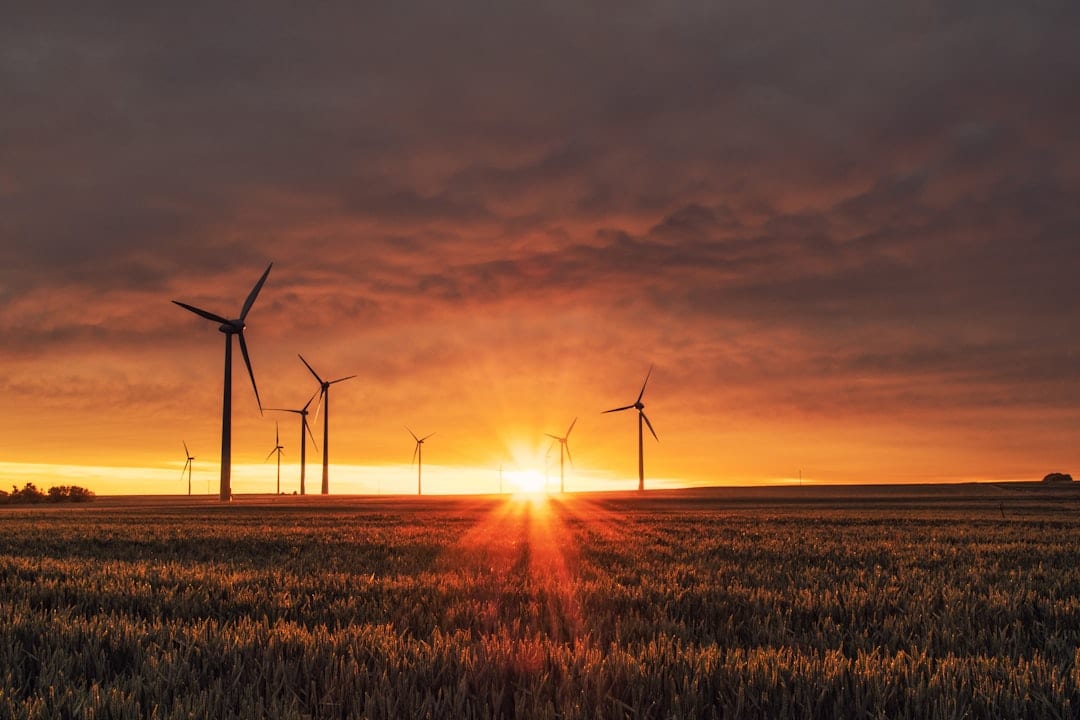
The transition from fossil fuels to renewable energy sources has become a focal point in the global effort to combat climate change and promote sustainable development. Renewable energy grids, which integrate various sources such as solar, wind, hydroelectric, and geothermal power, are essential for harnessing these clean energy resources effectively. These grids not only facilitate the distribution of electricity generated from renewable sources but also enhance energy security and reduce greenhouse gas emissions.
As the demand for clean energy continues to rise, the optimization of renewable energy grids has emerged as a critical area of focus for researchers, policymakers, and energy providers alike. The complexity of renewable energy grids lies in their inherent variability and unpredictability. Unlike traditional power generation methods that can provide a steady output, renewable sources are often subject to fluctuations based on environmental conditions.
For instance, solar energy production is contingent upon sunlight availability, while wind energy generation depends on wind speed and direction.
As the integration of renewables into the grid increases, so does the need for innovative solutions that can address these challenges while maximizing efficiency and sustainability.
Key Takeaways
- Renewable energy grids face optimization challenges due to variable energy production and demand.
- Artificial intelligence (AI) plays a crucial role in improving grid efficiency and reliability.
- AI helps predict energy production and consumption, enabling better planning and resource allocation.
- AI supports grid management by balancing supply and demand in real-time.
- The integration of AI enhances renewable energy adoption and paves the way for smarter, more sustainable grids.
Challenges in Optimizing Renewable Energy Grids
One of the primary challenges in optimizing renewable energy grids is the intermittent nature of renewable energy sources. Solar and wind power generation can vary significantly throughout the day and across seasons, leading to periods of surplus generation followed by times of scarcity. This inconsistency can create difficulties in maintaining a balanced supply and demand within the grid.
Traditional grid management systems, which were designed for centralized fossil fuel-based power generation, often struggle to accommodate the decentralized and variable nature of renewables. Another significant challenge is the existing infrastructure’s limitations. Many regions still rely on outdated grid systems that were not designed to handle the complexities introduced by renewable energy sources.
Upgrading this infrastructure requires substantial investment and coordination among various stakeholders, including government agencies, utility companies, and private investors. Additionally, regulatory frameworks may not be adequately equipped to support the rapid integration of renewables, leading to bureaucratic hurdles that can delay progress. The need for real-time data and advanced analytics further complicates the optimization process, as many existing systems lack the necessary technology to monitor and respond to dynamic changes in energy production and consumption.
The Role of Artificial Intelligence in Renewable Energy Grids
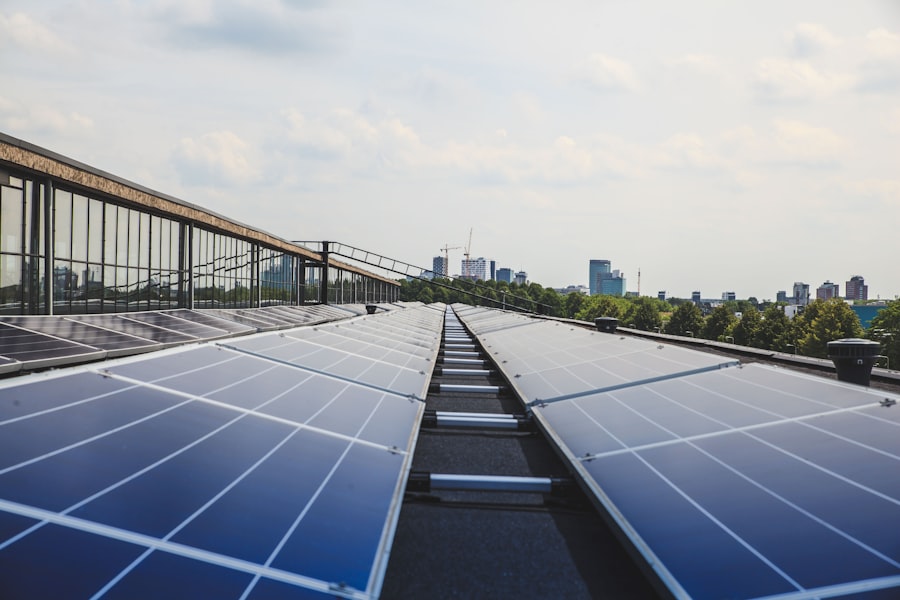
Artificial intelligence (AI) has emerged as a transformative force in optimizing renewable energy grids. By leveraging machine learning algorithms and data analytics, AI can analyze vast amounts of data generated by renewable energy sources, grid operations, and consumer behavior. This capability allows for more accurate forecasting of energy production and consumption patterns, enabling grid operators to make informed decisions about resource allocation and management.
AI’s ability to process real-time data also enhances the responsiveness of the grid, allowing it to adapt quickly to fluctuations in supply and demand. Moreover, AI can facilitate predictive maintenance of grid infrastructure. By analyzing historical performance data and identifying patterns indicative of potential failures, AI systems can help operators schedule maintenance proactively rather than reactively.
This approach not only minimizes downtime but also extends the lifespan of critical components within the grid. As renewable energy technologies continue to evolve, AI will play an increasingly vital role in ensuring that these systems operate efficiently and reliably.
AI Applications in Predicting Energy Production and Consumption
One of the most significant applications of AI in renewable energy grids is its ability to predict energy production from renewable sources. Machine learning models can be trained on historical weather data, satellite imagery, and real-time sensor inputs to forecast solar irradiance or wind speeds with remarkable accuracy. For example, companies like Google have developed AI algorithms that analyze weather patterns to predict solar energy output at their facilities, allowing them to optimize their energy usage accordingly.
In addition to predicting production, AI can also forecast consumer energy demand by analyzing historical consumption patterns, demographic data, and even social media trends. This dual capability enables grid operators to anticipate both supply and demand fluctuations more effectively. For instance, during extreme weather events or major public events, AI can help predict spikes in electricity usage, allowing operators to adjust their strategies proactively.
By aligning production with consumption forecasts, AI contributes significantly to reducing waste and enhancing overall grid efficiency.
AI for Grid Management and Balancing Supply and Demand
| Metric | Description | Impact of AI | Example |
|---|---|---|---|
| Energy Forecast Accuracy | Precision in predicting renewable energy generation (solar, wind) | Improves forecasting accuracy by up to 30%, enabling better grid balancing | AI models predict solar output based on weather data |
| Grid Stability | Ability to maintain consistent power supply despite variable inputs | AI optimizes load distribution and storage use to reduce outages | Real-time AI control reduces frequency fluctuations |
| Energy Storage Utilization | Efficiency in charging and discharging batteries and other storage | AI algorithms maximize storage lifespan and availability | Smart scheduling of battery use during peak demand |
| Operational Costs | Expenses related to managing and maintaining the energy grid | AI reduces costs by automating maintenance and optimizing resource use | Predictive maintenance lowers downtime and repair costs |
| Carbon Emission Reduction | Decrease in greenhouse gases due to optimized renewable integration | AI enables higher renewable penetration, cutting emissions by up to 20% | Dynamic grid management reduces reliance on fossil fuel backup |
Effective grid management is crucial for maintaining stability in renewable energy grids.
For instance, when solar generation peaks during midday hours, AI systems can identify opportunities to store excess energy in batteries or redirect it to areas with higher demand.
Conversely, during periods of low generation, AI can facilitate the integration of backup power sources or demand response strategies to mitigate potential shortfalls. Moreover, AI can enhance grid resilience by enabling automated decision-making processes that respond to unexpected disruptions or outages. In scenarios where a sudden drop in wind speed occurs or a solar farm experiences technical issues, AI algorithms can quickly assess alternative resources available within the grid and reallocate power accordingly.
This level of agility is essential for maintaining reliability in a grid increasingly reliant on variable renewable sources.
AI for Enhancing Renewable Energy Integration
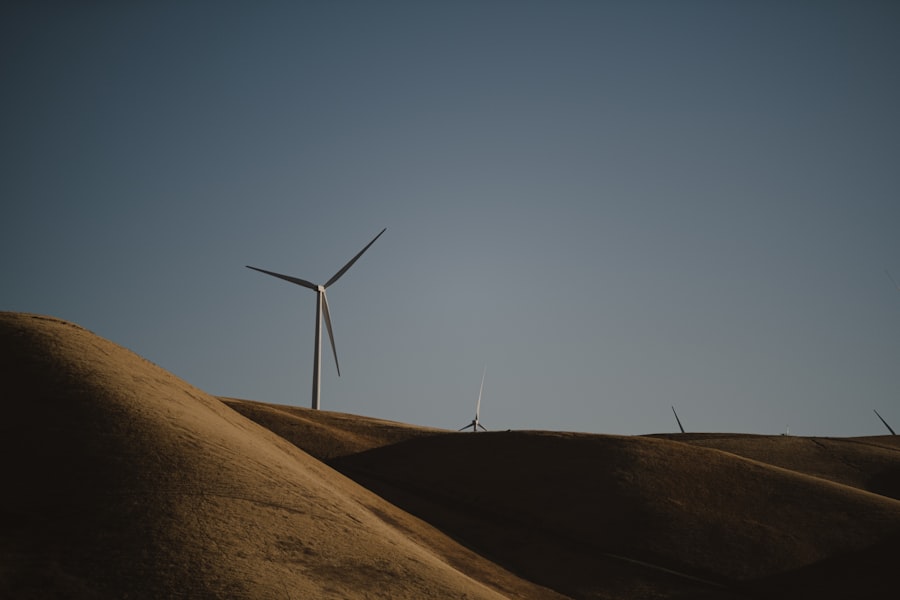
Integrating renewable energy sources into existing grids presents numerous challenges that AI can help address. One key area is optimizing the interconnection between different types of renewable generation facilities and traditional power plants. AI can analyze data from various sources to determine the most efficient configurations for integrating renewables into the grid while minimizing losses during transmission.
Additionally, AI can facilitate the development of microgrids—localized grids that can operate independently or in conjunction with the main grid. By utilizing AI-driven analytics, microgrids can optimize their operations based on local energy production and consumption patterns. For example, a community with a high concentration of solar panels can use AI to manage its energy resources effectively, ensuring that excess generation is utilized locally or stored for later use.
This localized approach not only enhances resilience but also empowers communities to take control of their energy futures.
Benefits of AI in Optimizing Renewable Energy Grids
The integration of AI into renewable energy grids offers numerous benefits that extend beyond mere efficiency improvements. One significant advantage is cost reduction; by optimizing resource allocation and minimizing waste, AI can help lower operational costs for utility companies. This reduction in costs can ultimately translate into lower electricity prices for consumers, making renewable energy more accessible.
Furthermore, AI enhances sustainability by promoting more effective use of renewable resources. By accurately predicting production and consumption patterns, AI helps ensure that clean energy is utilized optimally rather than wasted. This capability not only contributes to reducing carbon emissions but also supports broader environmental goals by facilitating a transition away from fossil fuels.
The Future of AI in Renewable Energy Grids
As technology continues to advance, the future of AI in renewable energy grids looks promising. Ongoing research is focused on developing even more sophisticated algorithms capable of handling complex scenarios involving multiple variables and uncertainties. For instance, advancements in deep learning could lead to more accurate predictions regarding weather impacts on renewable generation or consumer behavior shifts due to economic changes.
Moreover, as more data becomes available through smart meters and IoT devices, AI will have access to an ever-expanding pool of information that can enhance its predictive capabilities further. The integration of blockchain technology may also play a role in facilitating decentralized energy trading platforms where AI algorithms manage transactions based on real-time supply and demand dynamics. In conclusion, the intersection of artificial intelligence and renewable energy grids represents a critical frontier in the quest for sustainable energy solutions.
By harnessing the power of AI, stakeholders can navigate the complexities associated with integrating renewables into existing infrastructures while maximizing efficiency and reliability. As we move forward into an era increasingly defined by clean energy technologies, the role of AI will undoubtedly become more central in shaping resilient and optimized renewable energy grids worldwide.
In the quest to enhance the efficiency of renewable energy grids, understanding the role of artificial intelligence is paramount. A related article that delves into the broader implications of technology in various sectors is available at Originally Launched as a Part of Gawker Media Network. This piece explores how innovative technologies, including AI, are transforming industries and can provide insights into optimizing energy systems for a sustainable future.
FAQs
What role does AI play in optimizing renewable energy grids?
AI helps manage and balance the supply and demand of energy by analyzing large datasets, predicting energy production from renewable sources, and optimizing grid operations to improve efficiency and reliability.
How does AI improve the integration of renewable energy sources?
AI algorithms forecast weather conditions and energy generation patterns, enabling better integration of variable renewable sources like solar and wind into the grid, reducing intermittency issues.
Can AI help reduce energy waste in renewable grids?
Yes, AI optimizes energy distribution and storage, minimizing losses and ensuring that excess energy is efficiently stored or redirected, thereby reducing waste.
Is AI used for predictive maintenance in renewable energy systems?
Absolutely. AI monitors equipment health and predicts potential failures in wind turbines, solar panels, and other infrastructure, allowing for timely maintenance and reducing downtime.
Does AI contribute to cost savings in renewable energy management?
By optimizing grid operations, forecasting demand, and improving asset management, AI helps reduce operational costs and enhances the economic viability of renewable energy projects.
How does AI handle the variability of renewable energy sources?
AI uses advanced forecasting models and real-time data analysis to anticipate fluctuations in energy generation and adjust grid operations accordingly, maintaining stability.
Are there any challenges in implementing AI for renewable energy grids?
Challenges include data quality and availability, integration with existing grid infrastructure, cybersecurity concerns, and the need for specialized expertise to develop and maintain AI systems.
What types of AI technologies are commonly used in renewable energy optimization?
Machine learning, deep learning, neural networks, and reinforcement learning are among the AI technologies applied to forecast energy production, optimize grid management, and enhance decision-making.
Can AI support the transition to a more sustainable energy future?
Yes, by improving the efficiency, reliability, and scalability of renewable energy grids, AI plays a critical role in accelerating the adoption of clean energy and reducing carbon emissions.
Is AI applicable to all types of renewable energy sources?
AI can be applied to various renewable sources including solar, wind, hydro, and biomass, adapting to the specific characteristics and data requirements of each type.