

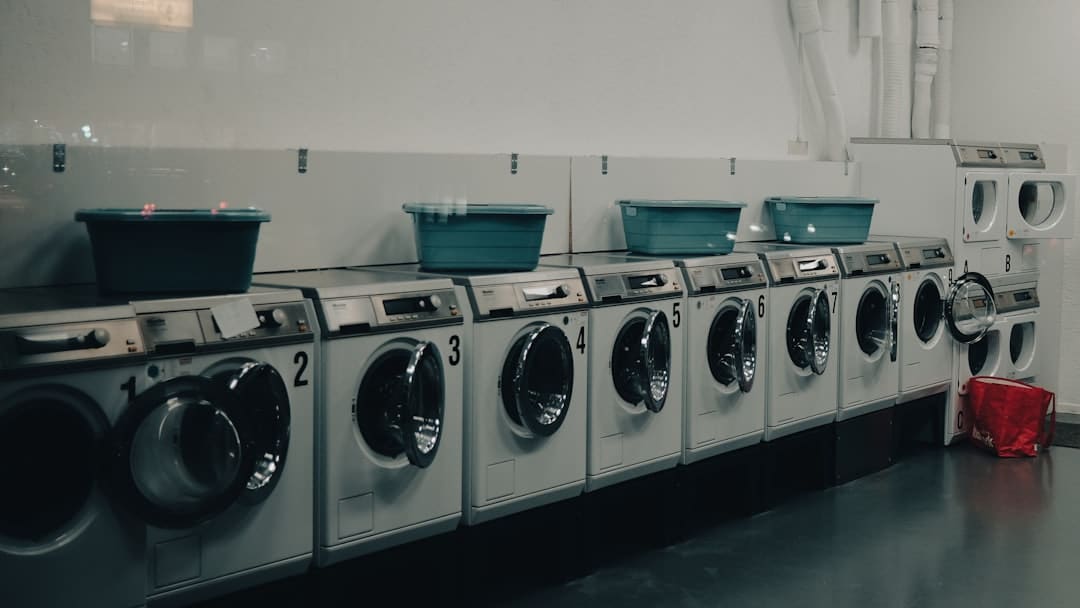
Traditional washing machines have been a staple in households for decades, providing a convenient means to clean clothes. However, they come with significant drawbacks that have raised concerns among consumers and environmentalists alike. One of the primary issues is water consumption. A standard washing machine can use anywhere from 20 to 40 gallons of water per load, depending on the model and settings.
This excessive use of water not only strains local water supplies but also contributes to higher utility bills for consumers.
In regions facing water scarcity, the impact of traditional washing machines can be particularly severe, leading to calls for more sustainable alternatives.
Moreover, traditional washing machines often rely on chemical detergents that can be harmful to both the environment and human health.
Many of these detergents contain phosphates and other synthetic ingredients that can pollute waterways when they enter the sewage system.
This pollution can disrupt aquatic ecosystems and harm wildlife. Additionally, the energy consumption associated with heating water for washing adds another layer of environmental concern. As awareness of these issues grows, there is an increasing demand for innovative solutions that address the shortcomings of conventional laundry methods.
Waterless washing machines are revolutionizing the way we approach laundry, significantly reducing water consumption and energy usage. For those interested in exploring more about the latest advancements in sustainable laundry technology, a related article can be found at CNET’s coverage of consumer technology breakthroughs. This resource highlights innovative solutions and products that are shaping a more eco-friendly future in household chores.
Key Takeaways
- Traditional washing machines consume large amounts of water and energy, contributing to environmental issues.
- Waterless washing machines use innovative technology to clean clothes without water, reducing resource use.
- These machines operate through methods like ultrasonic waves or air agitation to remove dirt effectively.
- Waterless washing machines offer significant environmental benefits, including water conservation and lower carbon footprints.
- Sustainable laundry technologies also provide cost and energy savings, making them economically and ecologically advantageous.
Introducing Waterless Washing Machines
In response to the challenges posed by traditional washing machines, waterless washing machines have emerged as a viable alternative. These machines utilize advanced technology to clean clothes without the need for large amounts of water. Instead of relying on water and detergent, many waterless washing machines employ methods such as steam cleaning or the use of specialized cleaning agents that require minimal or no water at all. This innovation not only conserves water but also reduces the environmental impact associated with laundry.
The concept of waterless washing machines is gaining traction among consumers who are increasingly conscious of their ecological footprint. As sustainability becomes a priority for many households, these machines offer a practical solution that aligns with modern values. By eliminating the need for extensive water usage, waterless washing machines present an opportunity for individuals to contribute to environmental conservation while still maintaining clean and fresh clothing.
How Waterless Washing Machines Work

Waterless washing machines operate on principles that differ significantly from traditional models. One common method involves the use of steam, which penetrates fabric fibers to lift dirt and stains without the need for water. The steam not only cleans but also sanitizes garments, making it an effective option for those concerned about hygiene. Some models utilize a combination of steam and specialized cleaning agents that are designed to break down dirt and grime without relying on large volumes of water.
Another approach taken by some waterless washing machines is the use of dry cleaning technology. These machines often employ solvents that dissolve stains and odors without the need for water. While traditional dry cleaning methods can involve harmful chemicals, newer technologies are focusing on eco-friendly solvents that minimize environmental impact. By utilizing these innovative techniques, waterless washing machines can achieve effective cleaning results while conserving resources.
The Environmental Benefits of Waterless Washing Machines

The environmental benefits of waterless washing machines are significant and multifaceted. First and foremost, these machines drastically reduce water consumption, which is crucial in areas facing drought or limited water resources. By using little to no water, they help alleviate pressure on local water supplies and contribute to more sustainable living practices. This reduction in water usage is particularly important as global populations continue to grow and demand for freshwater increases.
In addition to conserving water, waterless washing machines also minimize the release of harmful chemicals into the environment. Traditional laundry detergents can contain substances that are detrimental to aquatic ecosystems when they enter waterways. By using eco-friendly cleaning agents or steam, waterless washing machines mitigate this risk, promoting healthier ecosystems. Furthermore, the energy savings associated with reduced heating requirements contribute to lower carbon emissions, making these machines a more environmentally responsible choice overall.
As the demand for eco-friendly home appliances grows, innovative solutions like waterless washing machines are gaining attention for their potential to revolutionize sustainable laundry practices. These machines utilize advanced technology to clean clothes without the need for large amounts of water, significantly reducing water consumption and energy usage. For those interested in exploring more about the impact of technology on sustainability, a related article discusses the transformative capabilities of modern tools in various industries, which can be found here: