

Virtual production has undergone significant transformation since its inception, evolving from rudimentary techniques to sophisticated methods that integrate real-time technology with traditional filmmaking. Initially, filmmakers relied heavily on physical sets and green screens to create immersive environments. The advent of computer-generated imagery (CGI) allowed for more complex visuals, but the process was often time-consuming and required extensive post-production work. As technology advanced, the need for more efficient and realistic production methods became apparent, leading to the development of virtual production techniques that combine live-action footage with digital elements in real time.
The introduction of LED walls and virtual reality (VR) has marked a pivotal moment in this evolution. These technologies enable filmmakers to create dynamic backgrounds that respond to the movements of the camera, providing a more immersive experience for both actors and viewers. This shift not only enhances the visual quality of productions but also streamlines the filmmaking process, allowing for greater flexibility and creativity on set. As virtual production continues to evolve, it is reshaping the landscape of the film and television industry, offering new possibilities for storytelling and visual effects.
Key Takeaways
- Virtual production has evolved significantly with the integration of LED walls and VR, enhancing creative possibilities.
- LED walls and VR offer superior real-time visual effects compared to traditional green screens, improving on-set interaction and lighting.
- Advanced technologies like real-time rendering and camera tracking are crucial for the effectiveness of LED walls and VR in production.
- The use of LED walls and VR is transforming filmmaking and TV production by enabling immersive environments and reducing post-production time.
- Despite their benefits, LED walls and VR face challenges such as high costs and technical complexities, requiring careful planning and expertise.
The Advantages of LED Walls and VR over Green Screens
One of the primary advantages of using LED walls and VR in virtual production is the ability to create realistic environments that can be adjusted in real time. Unlike traditional green screens, which require extensive post-production work to composite backgrounds, LED walls display high-resolution images that can change instantaneously based on camera angles and movements. This allows actors to interact with their surroundings in a more natural way, enhancing their performances and reducing the need for extensive visual effects work later in the process.
Additionally, LED walls provide better lighting conditions for on-set filming. The light emitted from the screens can illuminate actors and props in a way that mimics natural light, creating a cohesive look that is often difficult to achieve with green screens. This not only improves the overall visual quality of the production but also reduces the time spent on color correction and other post-production tasks. Furthermore, the immersive nature of VR technology allows filmmakers to explore creative possibilities that were previously unattainable, enabling them to visualize scenes in a more interactive manner.
In the evolving landscape of filmmaking technology, virtual production techniques such as LED walls and virtual reality are revolutionizing traditional methods, notably replacing green screens. For those interested in exploring how technology is reshaping various industries, a related article on smartwatches offers insights into another area where innovation is key. You can read more about it in this article on Huawei smartwatches: Huawei Smartwatch Review.
The Technology Behind LED Walls and VR in Virtual Production

The technology that underpins LED walls and VR in virtual production is rooted in advancements in display technology and real-time rendering engines.
These panels are often equipped with sensors that track camera movements, allowing the displayed content to adjust dynamically as the camera moves. This technology is complemented by real-time rendering engines, such as Unreal Engine or Unity, which enable filmmakers to create and manipulate digital environments on-the-fly.
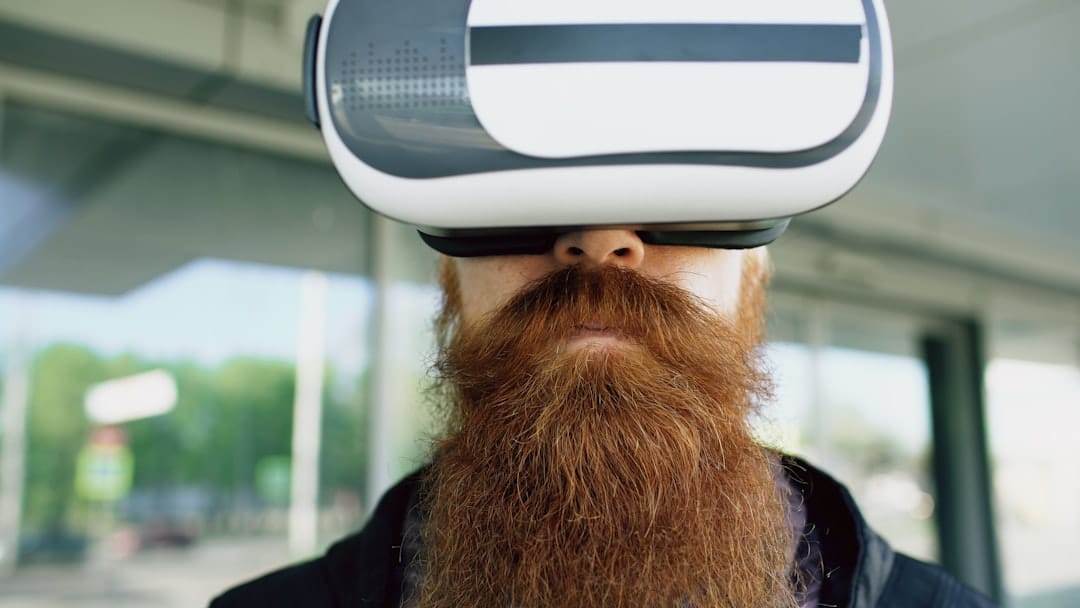
In addition to LED walls, VR technology plays a crucial role in virtual production. VR headsets allow filmmakers to immerse themselves in digital environments during pre-visualization stages, providing a unique perspective on how scenes will look before they are shot. This capability enhances collaboration among directors, cinematographers, and production designers, as they can explore virtual sets together and make informed decisions about camera angles, lighting, and set design. The integration of these technologies not only streamlines the production process but also fosters a more collaborative creative environment.
The Impact of LED Walls and VR on Filmmaking and Television Production
The impact of LED walls and VR on filmmaking and television production is profound, fundamentally altering how stories are told and visualized.
Directors can now experiment with different settings and moods without the constraints of physical locations or extensive post-production work. This flexibility allows for more innovative storytelling techniques and enhances the overall viewer experience.
Moreover, the use of LED walls and VR has implications for production budgets and timelines. Traditional methods often require extensive location scouting, set construction, and post-production visual effects work, all of which can be costly and time-consuming. In contrast, virtual production techniques can significantly reduce these expenses by allowing filmmakers to create entire worlds within a controlled studio environment. This efficiency not only benefits large-scale productions but also opens doors for independent filmmakers who may have limited resources but still wish to create visually compelling content.
Case Studies: Successful Implementation of LED Walls and VR in Virtual Production
| Metric | Green Screen | LED Walls | Virtual Reality (VR) |
|---|---|---|---|
| Setup Time | 2-3 days | 1-2 days | Hours to 1 day |
| Real-time Visualization | No | Yes | Yes |
| Post-production Time | Weeks | Days | Minimal |
| Lighting Accuracy | Low (requires manual matching) | High (dynamic lighting from LED content) | High (simulated lighting environment) |
| Actor Interaction with Environment | Limited (imaginary environment) | Enhanced (visible background) | Immersive (fully interactive) |
| Cost Efficiency | Moderate | High initial, lower long-term | Variable, depends on hardware |
| Flexibility in Scene Changes | Low (requires reshooting) | High (content can be changed instantly) | High (virtual environments easily modified) |
| Common Use Cases | Traditional film and TV compositing | Virtual production, live events, commercials | Pre-visualization, immersive storytelling |
Several high-profile productions have successfully implemented LED walls and VR technology in their filmmaking processes, showcasing the potential of virtual production. One notable example is the Disney+ series “The Mandalorian,” which utilized an innovative virtual production stage known as “The Volume.” This stage featured a massive LED wall that displayed dynamic backgrounds in real time, allowing actors to perform against realistic environments without the need for extensive green screen work. The result was a visually stunning series that pushed the boundaries of what was possible in television production.
Another example is the film “The Batman,” which employed similar virtual production techniques to create immersive settings that enhanced the film’s dark aesthetic. By using LED walls to project intricate cityscapes and other environments, the filmmakers were able to achieve a level of realism that would have been challenging with traditional methods. These case studies illustrate how LED walls and VR are not just trends but rather transformative tools that are reshaping the industry.
Virtual production techniques are rapidly evolving, and a recent article discusses how LED walls and VR technology are transforming the filmmaking landscape by replacing traditional green screens. This shift not only enhances visual fidelity but also allows for more immersive storytelling experiences. For those interested in the intersection of technology and creativity, exploring the concept of NFTs can provide further insights into how digital assets are revolutionizing the art world. You can read more about it in this informative piece on NFT images.
The Future of Virtual Production: Trends and Innovations
As virtual production continues to gain traction within the film and television industry, several trends and innovations are emerging that promise to further enhance its capabilities. One such trend is the increasing integration of artificial intelligence (AI) into virtual production workflows. AI can assist in automating various aspects of production, from generating realistic digital environments to optimizing lighting conditions based on real-time data. This integration could streamline processes even further, allowing filmmakers to focus more on creativity rather than technical challenges.
Additionally, advancements in augmented reality (AR) are likely to play a significant role in the future of virtual production. AR technology can overlay digital elements onto live-action footage in real time, providing new opportunities for interactive storytelling. As these technologies continue to evolve, filmmakers will have access to an even broader range of tools for creating immersive experiences that engage audiences in novel ways.
Challenges and Limitations of LED Walls and VR in Virtual Production
Despite their advantages, LED walls and VR technologies also present challenges and limitations that filmmakers must navigate. One significant concern is the cost associated with implementing these technologies. High-quality LED walls can be expensive to rent or purchase, which may pose a barrier for smaller productions or independent filmmakers. Additionally, while these technologies offer many benefits, they require specialized knowledge and training to operate effectively, which can further complicate their adoption.
Another challenge is related to the physical limitations of LED walls themselves. While they can create stunning visuals, there are constraints regarding resolution and brightness that may not always meet the demands of every scene or environment. Filmmakers must carefully consider how to best utilize these tools while being aware of their limitations. Furthermore, as with any emerging technology, there is a learning curve involved in integrating LED walls and VR into existing workflows, which may require adjustments in traditional filmmaking practices.
Tips for Filmmakers and Production Teams Using LED Walls and VR
For filmmakers looking to incorporate LED walls and VR into their productions, several best practices can help ensure successful implementation. First, thorough pre-production planning is essential. Filmmakers should invest time in pre-visualization using VR technology to explore digital environments before shooting begins. This allows for informed decision-making regarding camera angles, lighting setups, and overall scene composition.
Collaboration among team members is also crucial when working with these technologies. Directors, cinematographers, and production designers should communicate openly about their creative visions and technical requirements to maximize the potential of LED walls and VR. Additionally, investing in training for crew members who will operate these technologies can lead to smoother workflows on set.
Finally, filmmakers should remain adaptable and open-minded when using LED walls and VR. As these technologies continue to evolve, new techniques and best practices will emerge. Staying informed about industry trends and innovations will enable filmmakers to leverage these tools effectively while pushing the boundaries of their storytelling capabilities.
In conclusion, virtual production represents a significant advancement in filmmaking technology, with LED walls and VR at its forefront. As these tools continue to develop, they promise to reshape how stories are told on screen while offering new opportunities for creativity and collaboration within the industry.
FAQs
What is virtual production?
Virtual production is a filmmaking technique that combines physical and digital elements in real-time, allowing filmmakers to visualize and capture scenes using computer-generated environments displayed on LED walls or through virtual reality (VR) technology.
How do LED walls work in virtual production?
LED walls are large, high-resolution screens that display dynamic digital backgrounds and environments. They provide realistic lighting and reflections on actors and physical sets, enabling filmmakers to shoot scenes in-camera without the need for post-production compositing.
What advantages do LED walls have over traditional green screens?
LED walls offer real-time visualization of backgrounds, natural lighting effects, and interactive environments, reducing the need for extensive post-production. They also help actors perform better by providing immersive surroundings and minimize issues like green spill and complex keying associated with green screens.
How is virtual reality (VR) used in virtual production?
VR is used to create immersive pre-visualizations and virtual sets that directors and crew can explore before filming. It also assists in planning camera movements, blocking scenes, and collaborating remotely, enhancing the creative process and efficiency.
Can virtual production completely replace green screens?
While virtual production with LED walls and VR offers many benefits, green screens are still widely used due to their lower cost and flexibility. However, virtual production is increasingly becoming a preferred method for high-end productions seeking more realistic and efficient workflows.
What types of productions benefit most from virtual production?
Virtual production is especially beneficial for films, television shows, commercials, and live events that require complex visual effects, immersive environments, or shooting in controlled studio settings. It is also useful for productions facing location or budget constraints.
Are there any limitations to using LED walls and VR in virtual production?
Limitations include the high initial cost of LED wall setups, technical complexity, and the need for specialized skills. Additionally, LED walls may have size constraints, and certain visual effects might still require traditional post-production techniques.
How does virtual production impact the post-production process?
Virtual production reduces the reliance on post-production compositing and visual effects by capturing final images in-camera. This can shorten post-production timelines and lower costs, while allowing for more creative control during filming.
What equipment is essential for virtual production?
Key equipment includes high-resolution LED walls, real-time rendering engines (such as Unreal Engine), motion tracking systems, VR headsets for pre-visualization, and specialized cameras capable of syncing with virtual environments.
Is virtual production environmentally friendly?
Virtual production can be more environmentally friendly by reducing the need for physical travel to locations, minimizing set construction, and lowering resource consumption, contributing to a smaller carbon footprint compared to traditional filmmaking methods.