

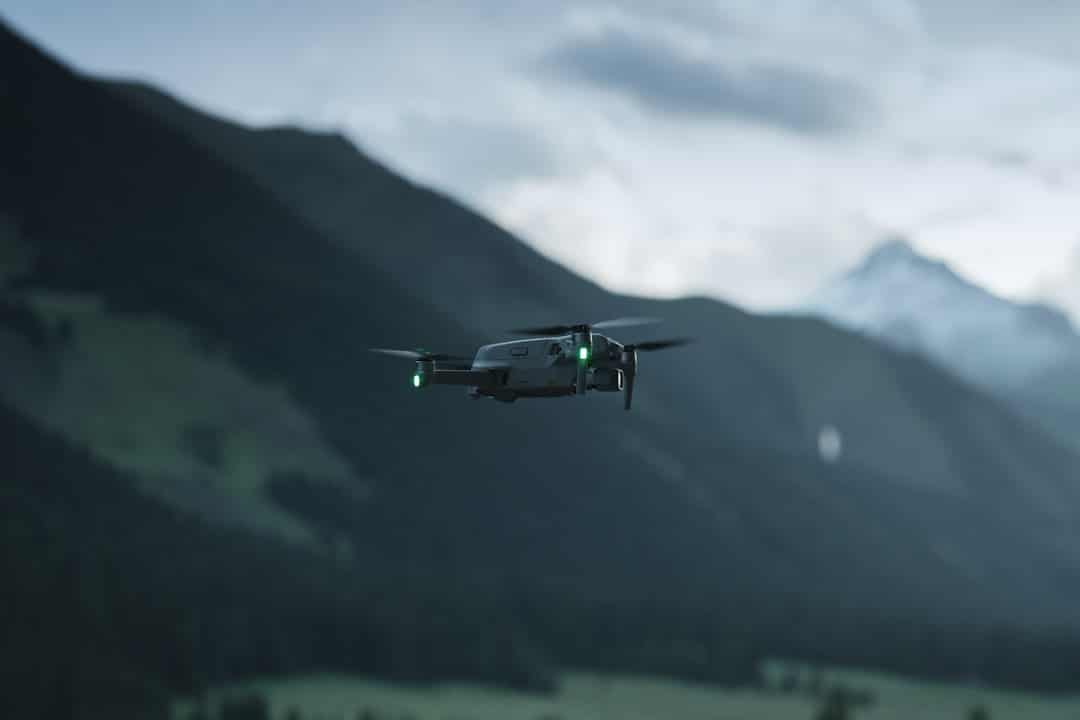
Virtual Reality (VR) has emerged as a transformative technology, reshaping various industries by providing immersive experiences that enhance user interaction and engagement. One of the most intriguing applications of VR is in the realm of remote drone piloting. This combination allows operators to control drones in a simulated environment, offering a unique perspective that traditional piloting methods cannot match. As drones become increasingly prevalent in sectors such as agriculture, surveillance, and delivery services, the integration of VR technology into their operation presents new opportunities for efficiency and effectiveness.
Remote drone piloting involves controlling a drone from a distance, often using a handheld controller or a computer interface. However, the addition of VR technology elevates this experience by immersing the pilot in a 3D environment that replicates the drone’s perspective. This not only enhances situational awareness but also allows for more intuitive control of the drone. As industries continue to explore the potential of drones, the synergy between VR and remote piloting is likely to play a significant role in shaping the future of aerial operations.
In recent discussions about the advancements in remote drone piloting, the integration of virtual reality (VR) technology has emerged as a game-changer, allowing operators to experience immersive control and enhanced situational awareness. A related article that explores the latest innovations in mobile technology, which can complement such VR applications, is the Samsung Galaxy S23 review. You can read more about it here: Samsung Galaxy S23 Review. This review highlights the features of the device that may support VR applications, making it a relevant read for those interested in the intersection of mobile technology and drone operations.
Key Takeaways
- VR enhances remote drone piloting by providing immersive, real-time control experiences.
- Using VR improves pilot training and certification through realistic simulations.
- Safety is increased by allowing pilots to operate drones remotely in hazardous environments.
- VR remote piloting has diverse applications, including inspection, agriculture, and emergency response.
- Future advancements in VR technology promise greater precision and expanded drone capabilities.
Advantages of Using VR for Remote Drone Piloting
The integration of VR into remote drone piloting offers several advantages that can significantly enhance operational capabilities. One of the primary benefits is the improved situational awareness that VR provides. By immersing pilots in a 360-degree view of the drone’s surroundings, they can better assess obstacles, terrain, and other critical factors that influence flight safety and efficiency. This heightened awareness can lead to more informed decision-making during operations, reducing the likelihood of accidents or mishaps.
Another advantage is the potential for enhanced training experiences. Traditional drone training often relies on simulators or real-world practice, which can be limited by environmental conditions or equipment availability. VR training environments can simulate various scenarios, allowing pilots to practice in diverse conditions without the risks associated with real-world flying. This flexibility not only accelerates the learning process but also ensures that pilots are better prepared for actual flight operations.
VR Technology for Remote Drone Piloting
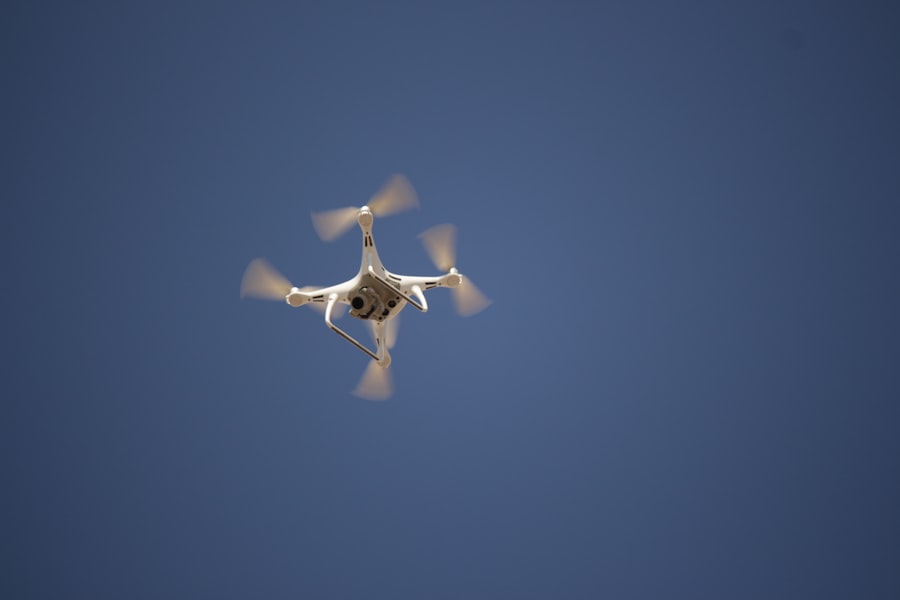
The technology behind VR for remote drone piloting has advanced significantly in recent years, making it more accessible and effective for users. Modern VR headsets provide high-resolution displays and low-latency tracking, which are essential for creating a realistic flying experience. These headsets allow pilots to experience a first-person view (FPV) from the drone’s perspective, making it easier to navigate complex environments and execute precise maneuvers.
In addition to headsets, other components such as haptic feedback devices and motion controllers can further enhance the VR experience. Haptic feedback allows pilots to feel vibrations or resistance that mimic real-world sensations, providing a more immersive experience. Motion controllers enable pilots to interact with the virtual environment intuitively, allowing for more natural control over the drone’s movements. Together, these technologies create a comprehensive system that enhances both training and operational capabilities.
Training and Certification for VR Remote Drone Piloting
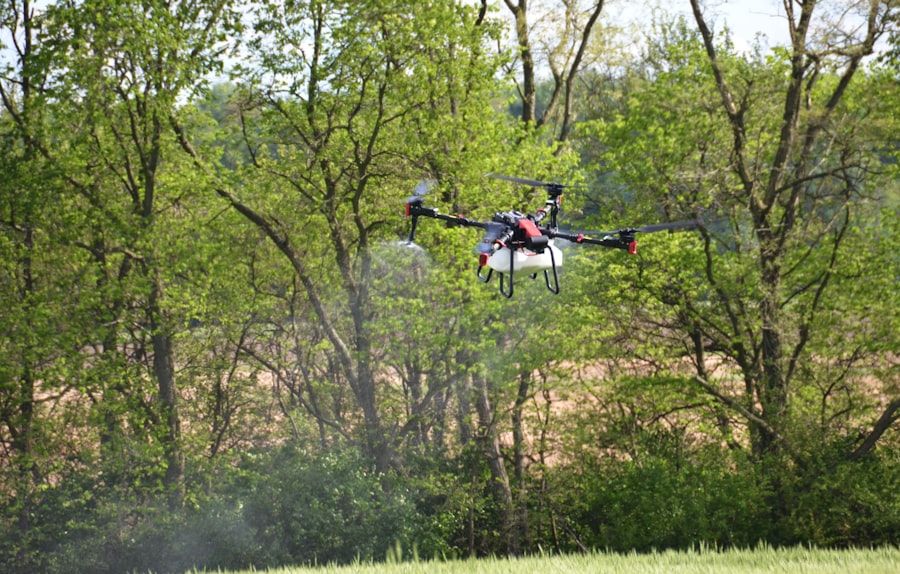
As the use of drones continues to expand, so does the need for trained and certified operators. Training programs that incorporate VR technology are becoming increasingly popular due to their effectiveness in preparing pilots for real-world scenarios. These programs often include a combination of theoretical knowledge and practical experience in a controlled environment, allowing trainees to develop their skills without the risks associated with actual flight.
Certification processes for remote drone pilots typically require individuals to demonstrate proficiency in various areas, including navigation, safety protocols, and emergency procedures. With the integration of VR training, candidates can gain hands-on experience in a variety of situations that they may encounter during actual operations. This comprehensive approach not only enhances pilot competency but also ensures compliance with regulatory standards set by aviation authorities.
Using VR for remote drone piloting is an innovative approach that enhances the operator’s experience by providing an immersive environment for controlling drones. This technology not only improves situational awareness but also allows for more precise maneuvering in complex scenarios.
For those interested in optimizing their performance during live events, exploring the best tablet options for on-stage lyrics can be beneficial as well.
You can read more about this in the article discovering the best tablet for on-stage lyrics.
Safety Considerations for VR Remote Drone Piloting
| Metric | Description | Value / Range | Unit |
|---|---|---|---|
| Latency | Time delay between pilot input and drone response | 50 – 150 | milliseconds |
| Field of View (VR headset) | Visual angle covered by the VR display | 90 – 120 | degrees |
| Control Accuracy | Precision of drone maneuvering using VR controls | 85 – 95 | percent |
| Training Time Reduction | Decrease in time needed to train pilots using VR | 30 – 50 | percent |
| Operational Range | Maximum distance drone can be piloted remotely via VR | 5 – 10 | kilometers |
| Battery Life Impact | Additional power consumption due to VR system usage | 10 – 20 | percent decrease |
| Immersion Level | Subjective rating of pilot’s sense of presence | 7 – 9 | scale 1-10 |
| Safety Incident Reduction | Decrease in accidents due to enhanced situational awareness | 25 – 40 | percent |
While VR technology offers numerous benefits for remote drone piloting, it also introduces specific safety considerations that must be addressed. One concern is the potential for sensory overload or disorientation when using VR headsets. Pilots may experience difficulty transitioning between virtual and real-world environments, which could lead to errors in judgment during critical moments. To mitigate this risk, training programs should emphasize gradual acclimatization to VR environments and include strategies for maintaining situational awareness.
Another safety consideration is the reliance on technology itself. While VR systems can enhance piloting capabilities, they are not infallible. Technical malfunctions or connectivity issues could disrupt operations and pose risks to both the drone and its surroundings. Therefore, it is essential for pilots to maintain proficiency in traditional piloting methods and be prepared to take manual control if necessary. Regular maintenance and updates of both hardware and software are also crucial to ensure reliability during operations.
Using VR for remote drone piloting has opened up new possibilities for operators, allowing them to navigate complex environments with enhanced situational awareness. This innovative technology not only improves the piloting experience but also increases safety and efficiency in various applications. For those interested in exploring how technology can bridge gaps in communication, a related article discusses the best free software for translation, which can be particularly useful for international drone operations. You can read more about it here.
Applications of VR Remote Drone Piloting
The applications of VR remote drone piloting are diverse and span multiple industries. In agriculture, for instance, farmers can use drones equipped with VR technology to monitor crop health and assess land conditions from an aerial perspective. This capability allows for more precise interventions, ultimately leading to improved yields and resource management.
In emergency response scenarios, VR remote drone piloting can facilitate search and rescue operations by providing real-time aerial views of disaster-stricken areas. First responders can assess situations more effectively and deploy resources where they are needed most. Additionally, industries such as construction and infrastructure inspection benefit from this technology by enabling detailed assessments of sites without putting personnel at risk.
Future Developments in VR Remote Drone Piloting
The future of VR remote drone piloting holds significant promise as technology continues to evolve. One area of development is the integration of artificial intelligence (AI) with VR systems. AI can enhance decision-making processes by analyzing data collected during flights and providing insights that inform operational strategies. This synergy could lead to more autonomous drone operations, reducing the need for constant human intervention while maintaining safety standards.
Moreover, advancements in network connectivity, such as 5G technology, will likely improve the performance of VR remote piloting systems. Enhanced bandwidth and reduced latency will enable smoother real-time interactions between pilots and drones, further enhancing situational awareness and control capabilities. As these technologies converge, we can expect to see even more innovative applications emerge across various sectors.
The Potential of VR for Remote Drone Piloting
In conclusion, the integration of virtual reality into remote drone piloting represents a significant advancement in how drones are operated and managed across various industries. The advantages offered by VR technology—such as improved situational awareness, enhanced training experiences, and diverse applications—underscore its potential to revolutionize aerial operations. As training programs evolve and safety considerations are addressed, the adoption of VR in this field is likely to grow.
Looking ahead, ongoing developments in technology will continue to shape the landscape of remote drone piloting. The combination of AI, improved connectivity, and advanced hardware will pave the way for more efficient and effective operations. As industries increasingly recognize the value of this innovative approach, we can anticipate a future where VR plays an integral role in maximizing the capabilities of drones while ensuring safety and compliance in their use.
FAQs
What is remote drone piloting using VR?
Remote drone piloting using VR involves controlling a drone from a distance through a virtual reality interface. The pilot wears a VR headset that provides an immersive first-person view from the drone’s camera, allowing for precise and intuitive control as if they were onboard the drone.
What are the benefits of using VR for drone piloting?
Using VR for drone piloting enhances situational awareness by providing a 360-degree immersive view, improves control accuracy, reduces pilot fatigue, and allows operators to fly drones in complex environments safely. It also enables training and simulation without risking the actual drone.
What equipment is needed for VR-based remote drone piloting?
The essential equipment includes a VR headset, a compatible drone with a camera capable of live video streaming, a controller or flight interface, and a reliable wireless communication system to transmit video and control signals between the drone and the pilot.
Are there any limitations or challenges with VR drone piloting?
Yes, challenges include potential latency in video transmission, limited battery life of drones, the need for high-quality and stable network connections, and the risk of motion sickness for some users. Additionally, regulatory restrictions may apply depending on the region.
What industries benefit most from VR remote drone piloting?
Industries such as agriculture, construction, search and rescue, infrastructure inspection, and filmmaking benefit significantly. VR remote piloting allows operators to perform detailed inspections, monitor large areas, and capture immersive footage safely and efficiently.