

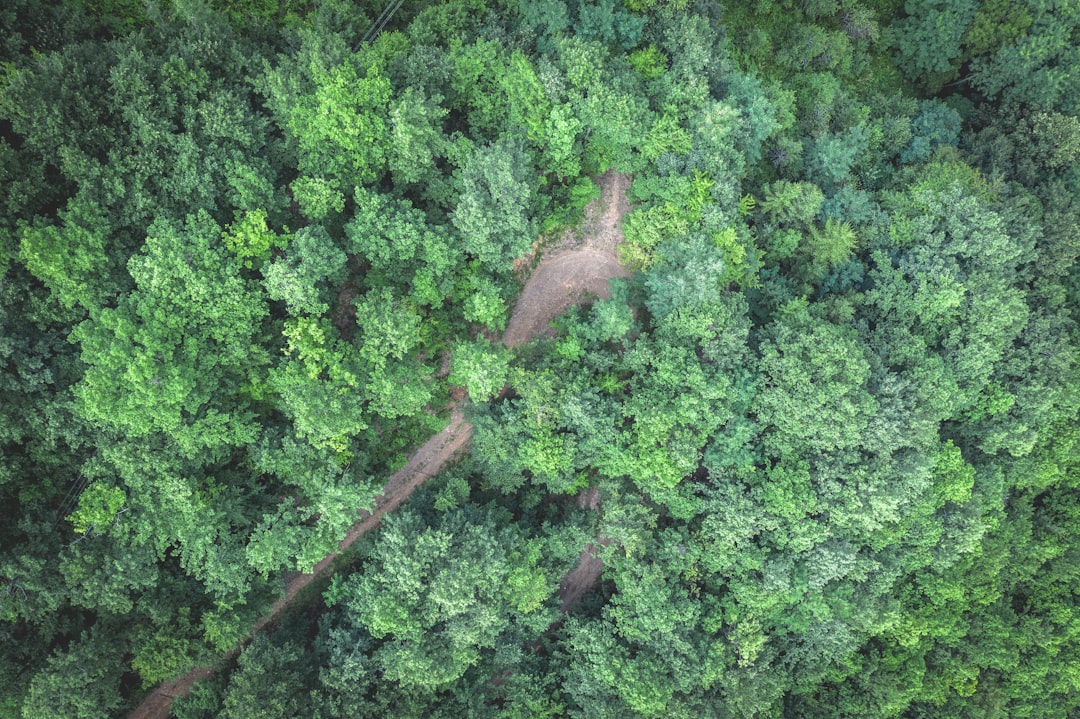
Drones have emerged as a transformative tool in the field of reforestation, offering numerous advantages over traditional methods. One of the primary benefits is their ability to access remote and difficult terrains that are often challenging for human workers and heavy machinery. This capability allows for the planting of trees in areas that may have been previously deemed inaccessible, thereby expanding the potential for reforestation efforts. Additionally, drones can cover large areas in a relatively short amount of time, significantly increasing the scale at which reforestation can occur. This efficiency is particularly crucial in combating deforestation, which has reached alarming levels globally.
Moreover, drones can be equipped with advanced technology such as GPS and mapping software, enabling precise planting and monitoring of tree growth. This precision not only enhances the survival rates of newly planted trees but also allows for better data collection regarding the health of the ecosystem. By utilizing drones, organizations can gather valuable information on soil conditions, moisture levels, and biodiversity, which can inform future reforestation strategies. Overall, the integration of drones into reforestation initiatives presents a modern solution to an age-old problem, making it easier to restore ecosystems and combat climate change.
In addition to the innovative approach of using drones for reforestation, another interesting article explores the advanced features of modern technology that can enhance productivity and creativity. For instance, the Samsung Notebook 9 Pro offers powerful performance and portability, making it an ideal companion for environmentalists and tech enthusiasts alike. This combination of cutting-edge gadgets and eco-friendly initiatives showcases how technology can play a significant role in addressing global challenges like deforestation.
Key Takeaways
- Drones enhance reforestation by enabling faster and more precise tree planting.
- They use seed pods launched from the air to efficiently plant trees in hard-to-reach areas.
- Drone reforestation reduces environmental impact by minimizing soil disturbance.
- Compared to traditional methods, drones significantly increase planting speed and coverage.
- Successful drone reforestation requires overcoming technical challenges and fostering collaboration.
How Drones Are Used to Plant Trees
The process of using drones for tree planting involves several innovative techniques that streamline the reforestation process. Initially, drones are employed to survey and map the target area, creating detailed topographical data that informs planting strategies. This aerial reconnaissance allows for the identification of optimal locations for tree growth based on factors such as soil quality and sunlight exposure. Once the mapping is complete, drones can be programmed to drop seed pods containing pre-germinated seeds or seedlings at specific intervals across the designated area.
These seed pods are often designed to protect the seeds from environmental factors and pests while promoting germination. The pods typically consist of a mixture of nutrients and biodegradable materials that provide a conducive environment for the seeds to sprout. After being deployed from the drone, these pods can take root in the soil, leading to successful tree growth without the need for extensive human intervention.
This method not only accelerates the planting process but also reduces labor costs and minimizes human impact on sensitive ecosystems.
The Environmental Impact of Using Drones for Reforestation
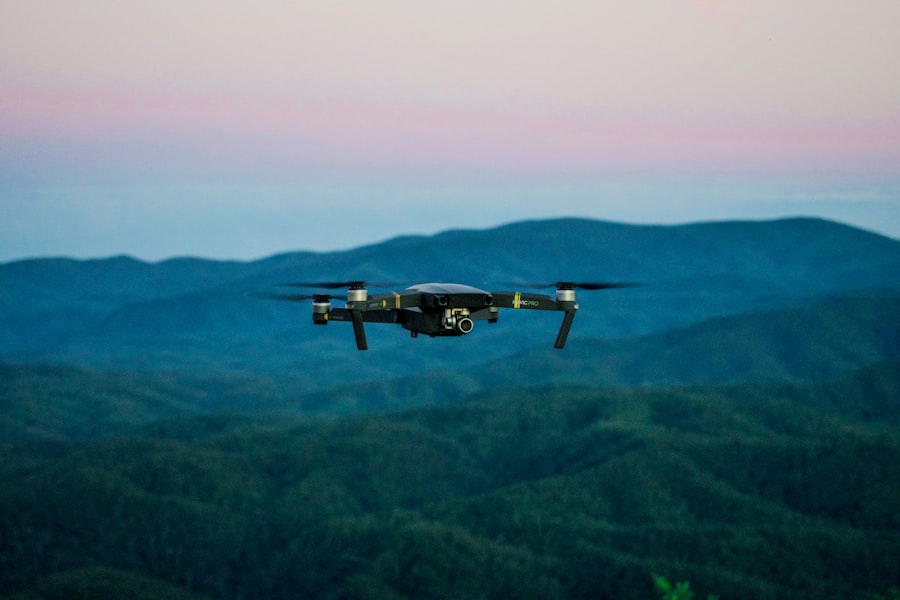
The environmental impact of utilizing drones for reforestation is largely positive, contributing to ecological restoration and biodiversity enhancement. By facilitating the planting of trees in deforested or degraded areas, drones play a crucial role in carbon sequestration, which is essential for mitigating climate change. Trees absorb carbon dioxide from the atmosphere, and large-scale reforestation efforts can significantly reduce greenhouse gas concentrations. Furthermore, healthy forests contribute to improved air quality, water retention, and soil stabilization, all of which are vital for maintaining ecological balance.
In addition to carbon sequestration, drone-assisted reforestation can enhance biodiversity by restoring habitats for various species. As trees grow and ecosystems recover, they provide shelter and food sources for wildlife, promoting a more diverse biological community. This restoration process can also lead to improved resilience against natural disasters such as floods and landslides, as healthy forests act as natural barriers. Overall, the environmental benefits of using drones in reforestation extend beyond mere tree planting; they contribute to a holistic approach to ecosystem restoration.
The Efficiency of Drone Planting Compared to Traditional Methods
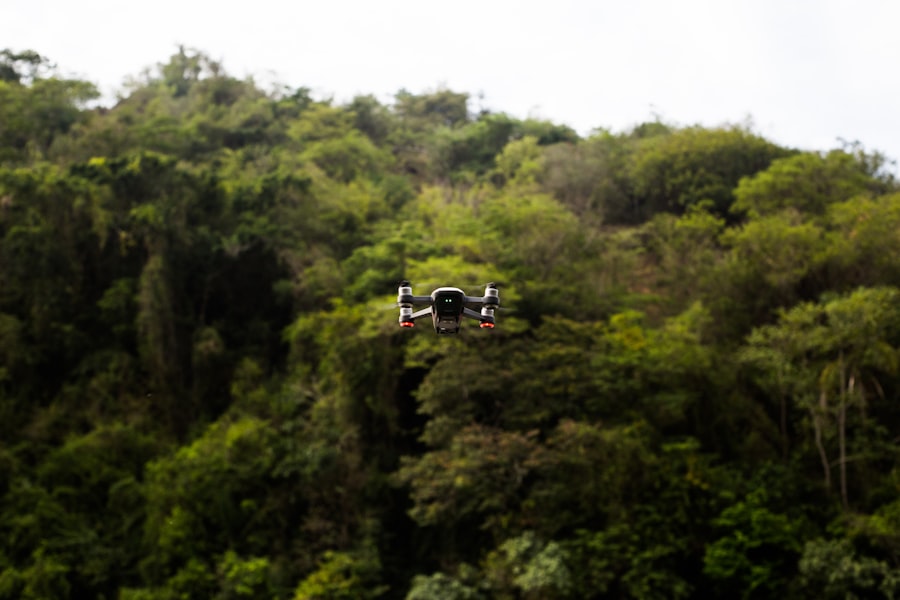
When comparing drone planting to traditional reforestation methods, several key differences highlight the efficiency of drone technology.
Traditional methods often involve manual labor for planting trees, which can be time-consuming and labor-intensive.
In contrast, drones can cover vast areas quickly, allowing for thousands of seed pods to be deployed in a fraction of the time it would take human workers. This speed is particularly advantageous in emergency situations where rapid reforestation is necessary following natural disasters or deforestation events.
Additionally, drone technology minimizes the need for heavy machinery that can cause soil compaction and damage existing ecosystems. Traditional planting methods often require significant land preparation and maintenance efforts, whereas drone planting can be executed with minimal disruption to the environment. The precision with which drones can plant seeds also leads to higher survival rates for newly established trees, as they are placed in optimal conditions without excessive disturbance. This combination of speed, efficiency, and reduced environmental impact makes drone-assisted reforestation a compelling alternative to conventional practices.
In exploring innovative solutions for environmental restoration, the article on using drones for reforestation highlights the potential of aerial technology in planting trees efficiently. This method not only accelerates the reforestation process but also minimizes human labor and costs. For those interested in the broader implications of technology in various industries, a related article discusses the best software for freight forwarders in 2023, showcasing how advancements in technology are transforming logistics and supply chain management. You can read more about it here.
Challenges and Limitations of Using Drones for Reforestation
| Metric | Value | Details |
|---|---|---|
| Average Trees Planted per Hour | 1,000 – 10,000 | Varies by drone model and terrain complexity |
| Seed Dispersal Accuracy | 85% – 95% | Precision GPS and AI targeting improve seed placement |
| Area Covered per Flight | 50 – 100 acres | Depends on drone battery life and seed payload |
| Drone Flight Time | 20 – 45 minutes | Battery capacity and weight of seed pods affect duration |
| Seedling Survival Rate | 60% – 80% | Higher than traditional methods due to targeted planting |
| Cost Efficiency | Up to 70% reduction | Compared to manual planting in remote or difficult terrain |
| Environmental Impact | Low | Minimal soil disturbance and reduced human footprint |
| Typical Drone Payload Capacity | 2 – 5 kg | Seed pods and nutrients included |
Despite their advantages, the use of drones in reforestation is not without challenges and limitations. One significant hurdle is regulatory restrictions surrounding drone operations. Many countries have strict regulations governing airspace usage, which can limit where and how drones can be deployed for reforestation efforts. Navigating these regulations requires careful planning and coordination with local authorities, which can slow down project implementation.
Another challenge lies in the technology itself. While drones have advanced significantly in recent years, issues such as battery life and payload capacity can restrict their operational capabilities. For instance, larger areas may require multiple flights or more powerful drones to ensure adequate coverage, complicating logistics and increasing costs. Additionally, adverse weather conditions can hinder drone operations, making it essential for project managers to have contingency plans in place. Addressing these challenges will be crucial for maximizing the potential of drones in reforestation initiatives.
In recent years, innovative technologies have emerged to tackle environmental challenges, and one such advancement is the use of drones for reforestation, which allows for the efficient planting of trees from the sky. This method not only accelerates the reforestation process but also enhances the ability to reach difficult terrains. For those interested in exploring how technology intersects with sustainability, a related article discusses the latest trends in smartwatches and their potential impact on health and fitness, which can be found here. By integrating technology into various aspects of our lives, we can contribute to a more sustainable future.
The Role of Technology in Advancing Reforestation Efforts
Technology plays a pivotal role in enhancing reforestation efforts beyond just drone usage. Geographic Information Systems (GIS) and remote sensing technologies provide critical data that informs decision-making processes regarding where and how to plant trees effectively. These tools allow researchers and conservationists to analyze environmental conditions and assess the health of existing ecosystems before initiating reforestation projects.
Furthermore, advancements in seed technology have led to the development of seed pods that are more resilient and better suited for various environments. These innovations ensure that seeds have a higher chance of germination and survival once planted. Combining these technological advancements with drone capabilities creates a synergistic effect that enhances overall reforestation outcomes. As technology continues to evolve, it will likely lead to even more efficient methods for restoring forests and addressing global environmental challenges.
The Future of Using Drones for Reforestation
The future of using drones for reforestation appears promising as technology continues to advance and awareness of environmental issues grows. Ongoing research into drone capabilities is likely to yield improvements in flight duration, payload capacity, and data collection methods. These enhancements will enable more extensive and effective reforestation projects that can adapt to various ecological contexts.
Moreover, as public interest in sustainability increases, funding opportunities for innovative reforestation initiatives are likely to expand. Governments, non-profit organizations, and private companies are increasingly recognizing the importance of restoring ecosystems and may invest more resources into drone-assisted projects. This trend could lead to collaborative efforts that leverage multiple technologies and expertise to maximize reforestation impact on a global scale.
The Importance of Collaboration in Implementing Drone Reforestation Programs
Successful implementation of drone reforestation programs hinges on collaboration among various stakeholders. Partnerships between governments, non-profit organizations, academic institutions, and private companies can facilitate knowledge sharing and resource allocation necessary for effective projects. Collaborative efforts can also help address regulatory challenges by engaging with policymakers to create supportive frameworks for drone operations.
Additionally, involving local communities in reforestation initiatives is crucial for ensuring long-term success. Local knowledge about ecosystems can inform planting strategies and increase community buy-in for conservation efforts. By fostering collaboration among diverse stakeholders, drone-assisted reforestation programs can become more effective and sustainable over time. Ultimately, a collective approach will enhance the potential for restoring forests and mitigating climate change impacts on a global scale.
FAQs
What are drones used for in reforestation?
Drones are used in reforestation to plant tree seeds efficiently over large or difficult-to-access areas. They can carry seed pods and disperse them from the air, enabling faster and more cost-effective reforestation compared to traditional manual planting methods.
How do drones plant trees from the sky?
Drones equipped with seed dispersal systems drop seed pods or capsules onto prepared soil or deforested land. These pods often contain nutrients and protective coatings to enhance germination and growth, allowing the seeds to sprout into trees after being planted from the air.
What are the advantages of using drones for reforestation?
Using drones for reforestation offers several advantages, including increased planting speed, reduced labor costs, access to remote or hazardous areas, precise seed placement, and the ability to monitor reforestation progress through aerial imaging.
Are there any limitations to drone-based reforestation?
Yes, limitations include the initial cost of drone technology, the need for suitable terrain and weather conditions, limited payload capacity per flight, and the requirement for follow-up care to ensure seedling survival. Additionally, drones may not be suitable for all types of ecosystems or tree species.
How effective is drone reforestation compared to traditional methods?
Drone reforestation can be highly effective in terms of speed and coverage, especially in areas that are difficult to reach on foot. However, traditional methods may still be necessary for site preparation and post-planting maintenance. Combining both approaches often yields the best results for long-term forest restoration.