

Blockchain technology emerged in the late 2000s as the underlying framework for Bitcoin, the first decentralized cryptocurrency. At its core, blockchain is a distributed ledger system that allows multiple parties to maintain a shared database without the need for a central authority. Each transaction or piece of data is recorded in a block, which is then linked to the previous block, forming a chain. This structure ensures that once data is recorded, it cannot be altered without the consensus of the network, providing a high level of security and transparency.
The appeal of blockchain extends beyond cryptocurrencies; it has potential applications across various sectors, including finance, healthcare, and supply chain management. Its ability to provide a tamper-proof record of transactions makes it particularly valuable for industries that require trust and accountability among multiple stakeholders. As businesses increasingly seek to enhance their operational efficiency and transparency, blockchain technology has gained traction as a solution to many longstanding challenges.
In exploring innovative technologies that enhance transparency in sustainable supply chains, it’s interesting to consider how mobile applications can also play a role in promoting eco-friendly practices. A related article that discusses the top Android apps for 2023 can provide insights into tools that help consumers make informed choices about sustainability. You can read more about these applications in the article found here: The Best Android Apps for 2023.
Key Takeaways
- Blockchain technology offers a transparent and secure way to track supply chain sustainability.
- Verifying sustainable supply chains is crucial for environmental and ethical accountability.
- Successful case studies demonstrate blockchain’s effectiveness in enhancing supply chain trust.
- Challenges include technical complexity, cost, and stakeholder adoption barriers.
- The future of supply chain management is likely to be increasingly integrated with blockchain solutions.
The Importance of Verifying Sustainable Supply Chains
Sustainable supply chains are essential for minimizing environmental impact and promoting ethical practices in production and distribution. As consumers become more conscious of the origins of their products, companies are under pressure to demonstrate their commitment to sustainability. This involves not only reducing carbon footprints but also ensuring fair labor practices and responsible sourcing of materials. Verification of these practices is crucial for building consumer trust and maintaining brand integrity.
The complexity of global supply chains often obscures the true origins of products, making it difficult for companies to ensure that their suppliers adhere to sustainable practices. Issues such as labor exploitation, environmental degradation, and lack of transparency can arise at various stages of the supply chain. Therefore, effective verification mechanisms are necessary to ensure that sustainability claims are credible. This is where technology, particularly blockchain, can play a transformative role by providing a reliable method for tracking and verifying sustainable practices throughout the supply chain.
How Blockchain Technology Can Verify Sustainable Supply Chains
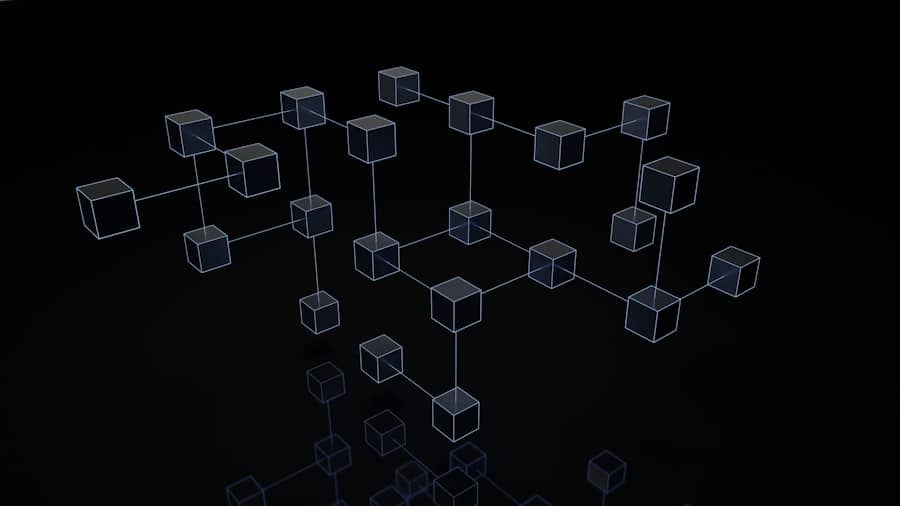
Blockchain technology offers a unique solution for verifying sustainable supply chains through its inherent characteristics of transparency, immutability, and decentralization.
By recording every transaction on a public ledger, all stakeholders in the supply chain can access real-time data regarding the movement of goods and materials.
This transparency allows companies to trace the origins of their products and verify that they meet sustainability standards.
Moreover, the immutability of blockchain records ensures that once data is entered into the system, it cannot be altered or deleted. This feature is particularly important for maintaining the integrity of sustainability claims. For instance, if a company asserts that its materials are sourced from environmentally friendly suppliers, blockchain can provide an unchangeable record of each transaction along the supply chain, from raw material extraction to final product delivery. This level of traceability not only enhances accountability but also empowers consumers to make informed choices based on verified information.
Case Studies of Successful Implementation

Several companies have successfully implemented blockchain technology to enhance the sustainability of their supply chains. One notable example is Walmart’s collaboration with IBM on the Food Trust initiative. This project aims to improve food safety by enabling real-time tracking of food products from farm to store shelves. By utilizing blockchain, Walmart can trace the origin of food items quickly and accurately, allowing for swift action in case of contamination or safety concerns. This initiative not only enhances consumer safety but also promotes sustainable agricultural practices by encouraging suppliers to adhere to strict standards.
Another example is the luxury fashion brand Everledger, which uses blockchain to verify the provenance of diamonds. By creating a digital ledger that records each diamond’s journey from mine to market, Everledger helps combat issues such as conflict diamonds and fraud. Consumers can access this information to ensure that their purchases align with ethical sourcing practices. This application of blockchain not only enhances transparency in the diamond industry but also supports sustainable mining practices by holding suppliers accountable.
In the quest for transparency and accountability in sustainable supply chains, the integration of blockchain technology has emerged as a pivotal solution. By leveraging blockchain, companies can ensure that every step of their supply chain is documented and verifiable, thus fostering trust among consumers. For those interested in exploring how digital innovations can enhance various industries, a related article discusses the best niches for affiliate marketing on platforms like Facebook, which can be found here.
This intersection of technology and marketing highlights the broader implications of digital advancements in today’s economy.
Challenges and Limitations of Using Blockchain for Supply Chain Verification
| Metric | Description | Value / Example | Impact on Sustainability |
|---|---|---|---|
| Traceability Accuracy | Percentage of supply chain events accurately recorded on blockchain | 98% | Ensures reliable tracking of sustainable practices and materials |
| Verification Time | Time taken to verify sustainability claims via blockchain | Less than 5 minutes | Speeds up auditing and compliance processes |
| Number of Verified Suppliers | Suppliers registered and verified on blockchain network | 150 | Encourages supplier accountability and transparency |
| Reduction in Fraudulent Claims | Decrease in false sustainability certifications due to blockchain use | 75% | Improves trust and credibility of sustainable supply chains |
| Carbon Footprint Data Entries | Number of carbon emission records logged on blockchain | 10,000+ | Enables accurate monitoring and reduction of environmental impact |
| Cost Savings in Auditing | Percentage reduction in auditing costs due to blockchain automation | 30% | Reduces operational costs while maintaining compliance |
Despite its potential benefits, the implementation of blockchain technology in supply chain verification is not without challenges. One significant hurdle is the need for widespread adoption among all stakeholders in the supply chain. For blockchain to be effective, every participant must agree to use the same system and standards for data entry. This can be particularly challenging in industries with numerous suppliers and varying levels of technological sophistication.
Additionally, there are concerns regarding data privacy and security. While blockchain is designed to be secure, the information recorded on a public ledger may expose sensitive business data if not properly managed. Companies must navigate the balance between transparency and confidentiality, ensuring that proprietary information is protected while still providing enough data to verify sustainability claims. Furthermore, regulatory frameworks surrounding blockchain technology are still evolving, which can create uncertainty for businesses looking to adopt this solution.
The Future of Blockchain in Supply Chain Management
The future of blockchain technology in supply chain management appears promising as more companies recognize its potential to enhance transparency and accountability. As consumer demand for sustainable products continues to grow, businesses are likely to invest in technologies that can provide verifiable proof of their sustainability efforts. Blockchain’s ability to create a decentralized and tamper-proof record will be increasingly valuable in meeting these demands.
Moreover, advancements in blockchain interoperability may facilitate collaboration among different systems and platforms, allowing for more seamless integration across supply chains. As industries adopt standardized protocols for data sharing, the effectiveness of blockchain in verifying sustainable practices will likely improve. Additionally, emerging technologies such as artificial intelligence and the Internet of Things (IoT) can complement blockchain by providing real-time data inputs that enhance decision-making processes within supply chains.
Steps to Implement Blockchain for Supply Chain Verification
Implementing blockchain technology for supply chain verification involves several key steps that organizations must consider carefully. First, companies should conduct a thorough assessment of their current supply chain processes to identify areas where transparency and verification are lacking. This analysis will help determine how blockchain can best address specific challenges within their operations.
Next, organizations need to select an appropriate blockchain platform that aligns with their goals and requirements. Factors such as scalability, security features, and ease of integration with existing systems should be taken into account during this selection process. Once a platform is chosen, companies should engage stakeholders across their supply chain to ensure buy-in and collaboration in adopting the new technology.
Training and education are also critical components of successful implementation. Employees and partners must understand how to use the blockchain system effectively and recognize its benefits for enhancing sustainability efforts. Finally, organizations should establish clear metrics for measuring the impact of blockchain on their supply chain verification processes, allowing them to assess progress and make necessary adjustments over time.
The Potential Impact of Blockchain on Sustainable Supply Chains
In conclusion, blockchain technology holds significant potential for transforming sustainable supply chains by providing a reliable method for verifying practices and enhancing transparency among stakeholders. As businesses face increasing pressure from consumers and regulators to demonstrate their commitment to sustainability, adopting blockchain solutions can help them meet these demands effectively.
While challenges remain in terms of adoption and data privacy, ongoing advancements in technology and growing awareness of sustainability issues will likely drive further interest in blockchain applications within supply chains. By embracing this innovative approach, companies can not only improve their operational efficiency but also contribute positively to environmental and social outcomes in their industries. The future landscape of supply chain management may very well be shaped by the principles of transparency and accountability that blockchain technology embodies.
FAQs
What is blockchain technology?
Blockchain is a decentralized digital ledger that records transactions across multiple computers in a way that ensures the data is secure, transparent, and tamper-proof. It allows for the creation of a permanent and verifiable record of information.
How can blockchain be used to verify sustainable supply chains?
Blockchain can track and record every step of a product’s journey from raw materials to the end consumer. By providing an immutable and transparent record, it helps verify claims about sustainability practices, such as ethical sourcing, fair labor, and environmental impact.
What are the benefits of using blockchain for supply chain sustainability?
Using blockchain increases transparency, reduces fraud, and enhances trust among stakeholders. It enables companies and consumers to verify that products meet sustainability standards, supports regulatory compliance, and can improve efficiency by automating record-keeping.
Are there any challenges in implementing blockchain for sustainable supply chains?
Yes, challenges include the complexity and cost of integrating blockchain with existing systems, the need for widespread adoption among supply chain participants, data accuracy at the point of entry, and concerns about scalability and energy consumption.
Can consumers access blockchain data to verify product sustainability?
In many cases, yes. Some companies provide consumers with access to blockchain records through QR codes or apps, allowing them to trace the origin and sustainability credentials of products, thereby making more informed purchasing decisions.