

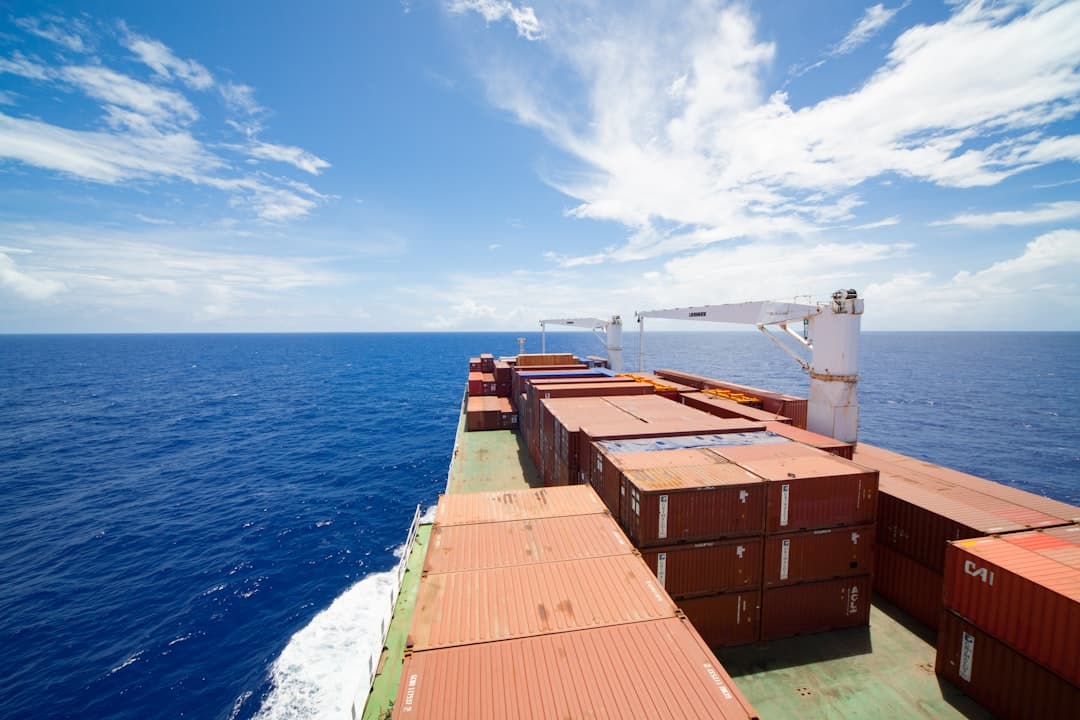
The shipping industry plays a crucial role in global trade, facilitating the movement of goods across vast distances. As the demand for efficient and cost-effective shipping solutions grows, the integration of artificial intelligence (AI) into shipping route optimization has emerged as a significant development. AI technologies can analyze vast amounts of data, enabling shipping companies to make informed decisions about the most efficient routes for their vessels. This not only enhances operational efficiency but also contributes to reducing costs and environmental impact.
AI’s application in shipping route optimization involves the use of algorithms and machine learning models that can process real-time data, including weather conditions, ocean currents, and port congestion. By leveraging this information, shipping companies can identify optimal routes that minimize travel time and fuel consumption. The potential for AI to transform traditional shipping practices is substantial, as it offers a pathway to more sustainable and economically viable operations in an industry that is often criticized for its environmental footprint.
In the quest for enhancing fuel efficiency in shipping, leveraging artificial intelligence has become a game-changer. A related article that delves into optimizing content for better visibility and engagement is available at Boost Your Content with NeuronWriter: SEO & NLP Optimization. This resource highlights the importance of using advanced technologies to not only streamline logistics but also improve overall operational effectiveness, making it a valuable read for those interested in the intersection of AI and shipping efficiency.
Key Takeaways
- AI enhances shipping route optimization by analyzing complex data to improve fuel efficiency.
- Fuel efficiency is critical for reducing operational costs and environmental impact in shipping.
- Successful case studies demonstrate AI’s ability to significantly lower fuel consumption through optimized routing.
- Challenges include data quality, integration issues, and adapting AI models to dynamic maritime conditions.
- Future AI advancements promise greater economic and environmental benefits by further refining shipping routes.
The Importance of Fuel Efficiency in Shipping
Fuel efficiency is a critical concern in the shipping industry, as fuel costs represent a significant portion of operational expenses. With rising fuel prices and increasing regulatory pressures to reduce emissions, shipping companies are under constant pressure to find ways to optimize fuel consumption. Efficient fuel use not only lowers costs but also minimizes the environmental impact associated with greenhouse gas emissions. As global awareness of climate change grows, the shipping industry faces heightened scrutiny regarding its carbon footprint.
Moreover, fuel efficiency is closely linked to the overall competitiveness of shipping companies. In a market where margins can be tight, companies that can effectively manage their fuel consumption gain a competitive edge. This has led to a growing interest in technologies and strategies that enhance fuel efficiency, including the adoption of AI-driven solutions. By optimizing routes and improving operational practices, shipping companies can achieve significant savings while also contributing to broader sustainability goals.
How AI Can Analyze and Optimize Shipping Routes for Fuel Efficiency
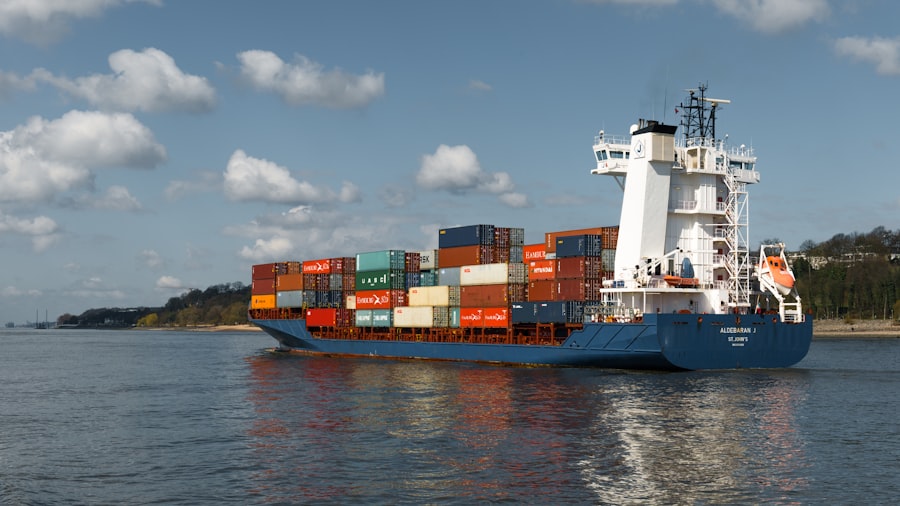
AI’s ability to analyze complex datasets allows it to identify patterns and insights that human operators may overlook. In the context of shipping route optimization, AI systems can process historical data on weather patterns, sea conditions, and vessel performance to recommend routes that minimize fuel consumption. Machine learning algorithms can continuously learn from new data, refining their recommendations over time to adapt to changing conditions.
One of the key advantages of using AI for route optimization is its capacity for real-time decision-making. Traditional methods often rely on static data and pre-determined routes, which may not account for dynamic factors such as sudden weather changes or unexpected port delays. AI systems can integrate real-time information, allowing vessels to adjust their routes on-the-fly to avoid adverse conditions or take advantage of favorable currents. This flexibility not only enhances fuel efficiency but also improves overall operational reliability.
Case Studies of Successful Implementation of AI in Shipping Route Optimization
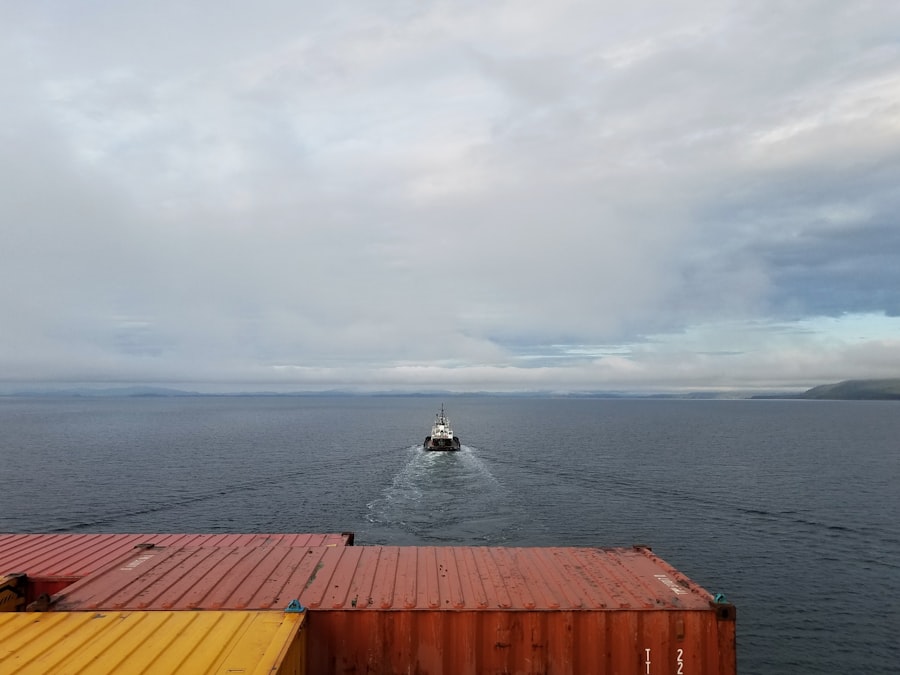
Several shipping companies have successfully implemented AI-driven solutions for route optimization, demonstrating the technology’s potential benefits. For instance, a major global shipping line adopted an AI-based platform that analyzes various data points, including weather forecasts and vessel performance metrics. By utilizing this system, the company reported a significant reduction in fuel consumption and operational costs, leading to improved profitability.
Another notable example involves a collaboration between a technology firm and a shipping company that focused on developing predictive analytics tools. These tools enabled the shipping company to forecast potential delays and optimize routes accordingly. The results were impressive; not only did the company achieve lower fuel costs, but it also enhanced its service reliability by minimizing delays at ports. Such case studies illustrate how AI can drive tangible improvements in efficiency and cost-effectiveness within the shipping industry.
In the quest for improved logistics and reduced operational costs, the integration of artificial intelligence in optimizing shipping routes for fuel efficiency has become increasingly vital. A related article discusses how innovative technology can enhance productivity and creativity in various fields, which can be found here. By leveraging AI, companies can not only minimize fuel consumption but also streamline their overall shipping processes, leading to a more sustainable and efficient supply chain.
Challenges and Limitations of Using AI for Fuel Efficiency in Shipping
| Metric | Description | Before AI Optimization | After AI Optimization | Improvement |
|---|---|---|---|---|
| Average Fuel Consumption (liters per 100 km) | Amount of fuel used per 100 kilometers traveled | 35 | 28 | 20% |
| Average Route Distance (km) | Distance covered per shipment route | 500 | 460 | 8% |
| Average Delivery Time (hours) | Time taken to complete a shipment route | 10 | 9 | 10% |
| CO2 Emissions (kg per route) | Carbon dioxide emissions generated per route | 120 | 96 | 20% |
| Number of Routes Optimized | Total shipment routes analyzed and optimized | 0 | 150 | N/A |
| Fuel Cost Savings (%) | Percentage reduction in fuel costs due to optimization | 0 | 18 | 18% |
Despite the promising potential of AI in optimizing shipping routes, several challenges and limitations must be addressed. One significant hurdle is the quality and availability of data. AI systems rely on accurate and comprehensive datasets to function effectively. In many cases, shipping companies may struggle with incomplete or inconsistent data, which can hinder the performance of AI algorithms.
Ensuring data integrity and accessibility is essential for maximizing the benefits of AI-driven solutions.
Additionally, there are concerns regarding the integration of AI technologies into existing operational frameworks. Many shipping companies have established practices and systems that may not easily accommodate new technologies. Resistance to change among personnel can also pose challenges, as employees may be hesitant to adopt AI-driven processes without adequate training or understanding of the technology’s benefits. Overcoming these barriers requires a strategic approach that includes stakeholder engagement and investment in training programs.
In the quest for improved logistics and sustainability, the use of AI to optimize shipping routes for fuel efficiency has gained significant attention.
This innovative approach not only reduces operational costs but also minimizes the environmental impact of transportation.
For those interested in enhancing their project management capabilities alongside these advancements, exploring the best software options can be beneficial. You can read more about this in a related article on project management software. By integrating these tools, businesses can streamline their processes and make more informed decisions regarding their shipping strategies.
Future Trends and Developments in AI for Shipping Route Optimization
As technology continues to evolve, several trends are likely to shape the future of AI in shipping route optimization. One emerging trend is the increasing use of autonomous vessels equipped with advanced AI systems capable of making real-time navigational decisions. These vessels could operate with minimal human intervention, further enhancing efficiency and safety while reducing operational costs.
Another trend is the growing emphasis on sustainability within the shipping industry. As regulatory frameworks become more stringent regarding emissions and environmental impact, AI technologies will play a crucial role in helping companies comply with these regulations. Innovations such as predictive maintenance powered by AI could also contribute to more efficient vessel operations by minimizing downtime and optimizing performance.
The Environmental and Economic Benefits of AI-Optimized Shipping Routes
The integration of AI into shipping route optimization offers both environmental and economic benefits. From an environmental perspective, optimized routes lead to reduced fuel consumption, which directly translates into lower greenhouse gas emissions. This is particularly important as global efforts to combat climate change intensify, with many countries setting ambitious targets for reducing carbon emissions across various sectors.
Economically, AI-optimized routes can result in significant cost savings for shipping companies. By minimizing fuel consumption and improving operational efficiency, companies can enhance their profit margins while remaining competitive in a challenging market. Additionally, these savings can be reinvested into further innovations or sustainability initiatives, creating a positive feedback loop that benefits both the company and the environment.
The Potential Impact of AI on Fuel Efficiency in the Shipping Industry
The potential impact of AI on fuel efficiency in the shipping industry is substantial. As companies increasingly adopt AI-driven solutions for route optimization, they stand to benefit from enhanced operational efficiency, reduced costs, and improved environmental performance. While challenges remain in terms of data quality and integration into existing systems, the successful case studies highlight the tangible advantages that AI can offer.
Looking ahead, the continued development of AI technologies will likely lead to even greater advancements in shipping route optimization. As the industry grapples with rising fuel costs and environmental pressures, embracing AI will be essential for achieving sustainable growth. Ultimately, the integration of AI into shipping practices represents a significant step toward a more efficient and environmentally responsible future for global trade.
FAQs
What is the role of AI in optimizing shipping routes?
AI analyzes vast amounts of data such as weather conditions, ocean currents, and vessel performance to determine the most fuel-efficient routes, reducing fuel consumption and emissions.
How does AI improve fuel efficiency in shipping?
By predicting optimal routes and speeds, AI helps ships avoid delays and adverse conditions, minimizing fuel use and operational costs while enhancing environmental sustainability.
What types of data does AI use to optimize shipping routes?
AI systems utilize data including weather forecasts, sea state, traffic congestion, ship specifications, and historical voyage information to generate efficient routing plans.
Can AI adapt to real-time changes during a voyage?
Yes, AI can process real-time data updates to adjust routes dynamically, helping vessels respond to unexpected weather changes or traffic, further improving fuel efficiency.
What are the environmental benefits of using AI for shipping route optimization?
Optimized routes reduce fuel consumption, leading to lower greenhouse gas emissions and decreased air pollution, contributing to more sustainable maritime operations.