

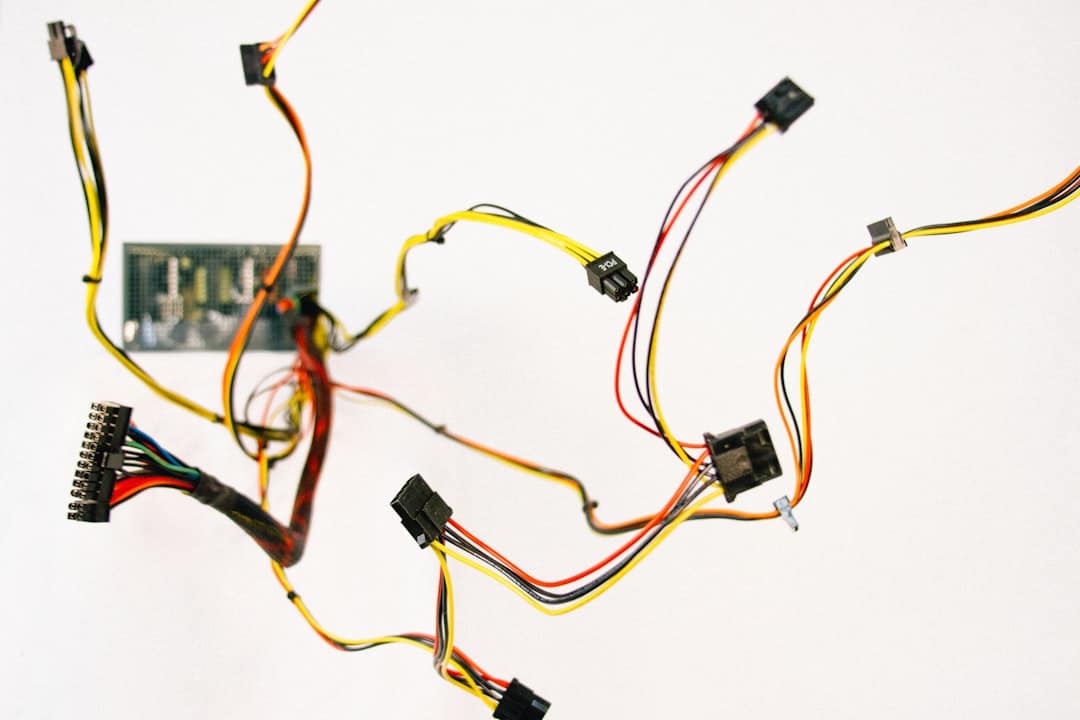
Upcycling electronics refers to the process of creatively reusing and repurposing old or discarded electronic devices to extend their life cycle and reduce waste. Unlike recycling, which typically involves breaking down materials to create new products, upcycling focuses on transforming existing items into something of higher value or utility. This practice not only helps in minimizing electronic waste but also encourages innovation and creativity among individuals and communities. By finding new uses for outdated gadgets, people can contribute to a more sustainable environment while also saving money.
The concept of upcycling electronics has gained traction in recent years, driven by growing awareness of the environmental issues associated with e-waste. As technology advances rapidly, many devices become obsolete within a short period, leading to a significant accumulation of electronic waste. Upcycling offers a solution by allowing individuals to think outside the box and find alternative uses for their old devices. This can range from turning an old smartphone into a home security camera to repurposing computer parts for art projects. The possibilities are vast, and the practice encourages a culture of resourcefulness.
Upcycling electronics is a fascinating way to breathe new life into old technology, transforming discarded devices into innovative products. For those interested in exploring the latest in technology, a related article on the best Lenovo laptops can provide insights into high-performance devices that can complement your upcycling projects. You can read more about it here: The Best Lenovo Laptops. This article not only highlights top choices for new laptops but also emphasizes the importance of sustainability in tech, aligning perfectly with the principles of upcycling.
Key Takeaways
- Upcycling electronics involves creatively reusing old devices to extend their life and reduce waste.
- It significantly lowers environmental harm by minimizing e-waste and conserving resources.
- Simple home methods include repairing, repurposing parts, and customizing gadgets.
- Popular upcycling ideas include turning old phones into security cameras or using circuit boards for art.
- Safety tips emphasize proper handling of batteries, avoiding toxic materials, and using protective gear.
The Environmental Impact of Upcycling Electronics
The environmental impact of upcycling electronics is significant, particularly in the context of reducing e-waste. According to the Global E-waste Monitor, millions of tons of electronic waste are generated each year, much of which ends up in landfills or is improperly disposed of, leading to soil and water contamination. Upcycling helps mitigate this issue by keeping electronic devices out of landfills for longer periods. By repurposing these items, individuals can reduce the demand for new products, which in turn decreases the energy and resources required for manufacturing.
Moreover, upcycling electronics can lead to a reduction in the extraction of raw materials needed for new devices. The production of electronics often involves mining for metals and minerals, which can have detrimental effects on ecosystems and communities. By extending the life of existing devices through upcycling, we can lessen the pressure on natural resources and promote a more circular economy. This shift not only benefits the environment but also fosters a mindset that values sustainability and responsible consumption.
How to Upcycle Electronics at Home
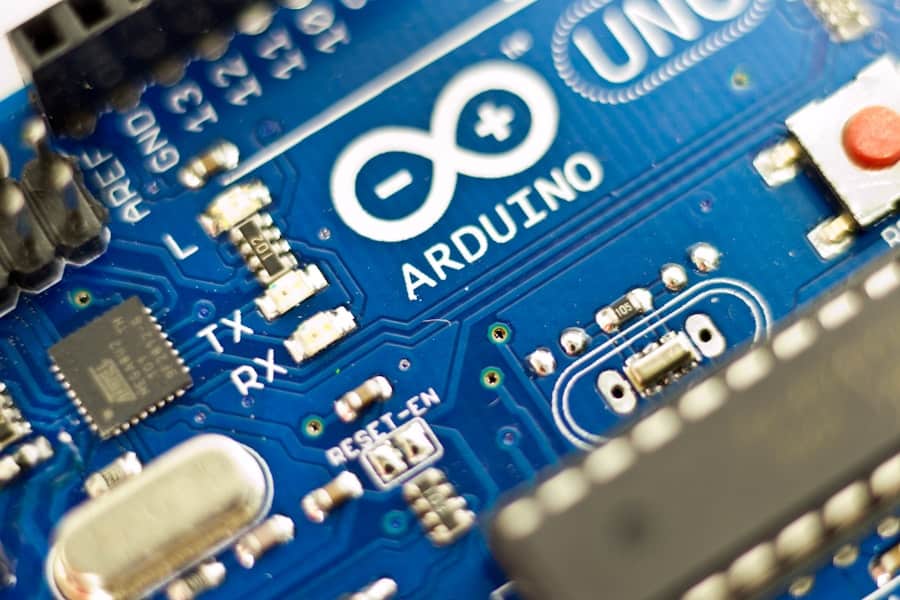
Upcycling electronics at home can be an engaging and rewarding endeavor. The first step is to assess the electronic items you have on hand that are no longer in use. This could include old smartphones, laptops, printers, or even cables and chargers. Once you have identified these items, consider their potential for repurposing. For instance, an old laptop can be transformed into a media center or a digital photo frame with the right software and modifications.
Another approach is to research various DIY projects that utilize old electronics. There are numerous online resources, including tutorials and forums, where individuals share their upcycling experiences and ideas. For example, you might find instructions on how to create a lamp from an old computer monitor or how to use circuit boards as decorative wall art. Engaging in these projects not only allows you to declutter your home but also provides an opportunity to learn new skills and explore your creativity.
Upcycling Ideas for Old Tech
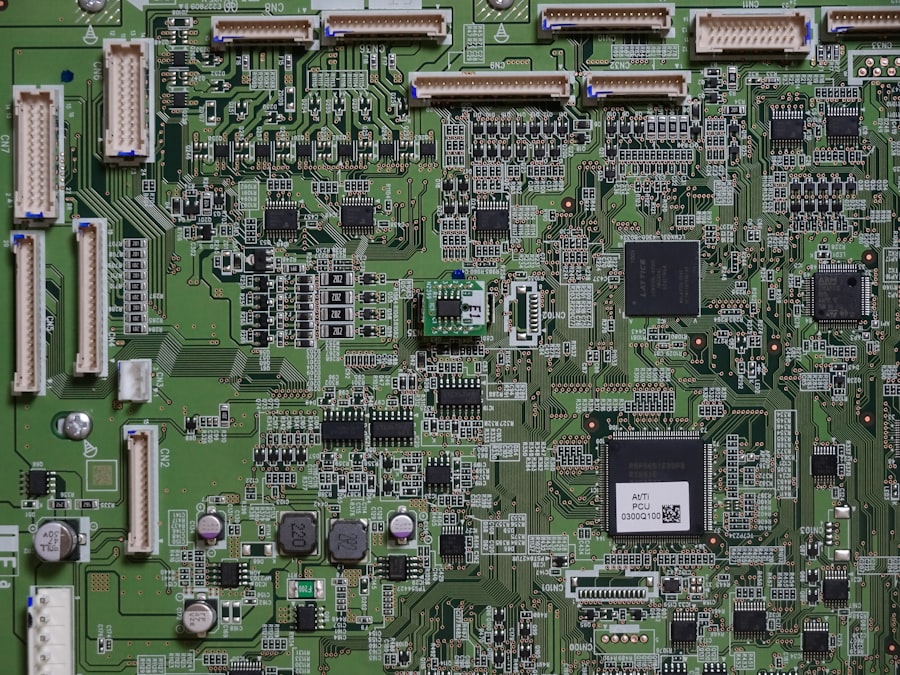
There are countless innovative ideas for upcycling old tech that can inspire individuals to take action. One popular project is converting an old smartphone into a dedicated music player or home automation controller.
By installing specific apps and connecting it to your home network, you can breathe new life into a device that might otherwise sit unused in a drawer.
This not only saves money but also reduces electronic waste.
Another idea is to repurpose old computer parts into functional or decorative items. For instance, hard drives can be transformed into unique storage containers or even art pieces when creatively arranged. Similarly, keyboards can be disassembled and used to create coasters or wall art.
These projects not only serve practical purposes but also allow individuals to express their creativity while promoting sustainability.
Upcycling electronics has gained significant attention as a sustainable approach to managing e-waste and creating innovative products. A related article discusses the best software for manga, which highlights how technology can be repurposed creatively in the world of digital art and storytelling. By exploring the intersection of old tech and new creative avenues, we can appreciate how upcycling not only benefits the environment but also fosters artistic expression. For more insights on this topic, you can check out the article on best software for manga.
Tips for Upcycling Electronics Safely
| Metric | Description | Value | Unit |
|---|---|---|---|
| Annual E-Waste Generated | Total amount of electronic waste produced globally each year | 53.6 | Million Metric Tons |
| Recycling Rate of E-Waste | Percentage of e-waste that is properly recycled | 17.4 | Percent |
| Upcycling Potential | Estimated percentage of e-waste suitable for upcycling into new products | 30 | Percent |
| Energy Savings from Upcycling | Energy saved by upcycling electronics compared to manufacturing new products | 50-70 | Percent |
| CO2 Emissions Reduction | Reduction in carbon emissions by upcycling electronics instead of disposal | Up to 60 | Percent |
| Common Upcycled Products | Examples of products made from upcycled electronics | Smartphone Cases, Speakers, Lamps, Furniture | — |
| Average Lifespan Extension | Increase in product lifespan through upcycling old electronics | 3-5 | Years |
While upcycling electronics can be a fun and rewarding activity, it is essential to prioritize safety throughout the process. First and foremost, ensure that any device you plan to upcycle is completely powered down and disconnected from any power source before beginning any work on it. This reduces the risk of electric shock or damage to the device during disassembly.
Additionally, be mindful of any hazardous materials that may be present in electronic devices. For example, older electronics may contain lead or other toxic substances that require careful handling and disposal. It is advisable to research proper disposal methods for these materials if you plan to dismantle devices. Wearing protective gear such as gloves and goggles can also help safeguard against potential injuries while working with tools or sharp components.
Upcycling electronics has gained popularity as a sustainable practice, allowing individuals to transform outdated gadgets into innovative products. This approach not only reduces electronic waste but also encourages creativity and resourcefulness. For those interested in the intersection of technology and sustainability, a related article discusses important considerations when selecting a smartphone for children, which can also be a part of a responsible tech lifecycle. You can read more about it in this insightful piece on choosing your child’s first smartphone.
Upcycling Electronics for Business
Businesses can also benefit from upcycling electronics as part of their sustainability initiatives. Companies that rely heavily on technology often find themselves with outdated equipment that can be costly to dispose of responsibly. By implementing upcycling strategies, businesses can reduce waste while potentially creating new revenue streams. For instance, old computers can be refurbished and sold at a lower price point, appealing to budget-conscious consumers.
Moreover, businesses that engage in upcycling can enhance their brand image by demonstrating a commitment to environmental responsibility. This can resonate with customers who prioritize sustainability in their purchasing decisions. Additionally, companies can collaborate with local artists or makers to create unique products from their discarded electronics, fostering community engagement while promoting eco-friendly practices.
The Future of Upcycling Electronics
The future of upcycling electronics appears promising as awareness of environmental issues continues to grow. With increasing consumer demand for sustainable practices, more individuals and businesses are likely to explore upcycling as a viable option for managing electronic waste. Innovations in technology may also facilitate this trend; for example, advancements in software could make it easier for users to repurpose old devices for new functions.
Furthermore, educational initiatives aimed at teaching people about the benefits of upcycling could play a crucial role in shaping future behaviors. Workshops and community programs focused on DIY electronics projects can empower individuals with the skills needed to engage in upcycling effectively. As more people recognize the value of extending the life cycle of their devices, upcycling may become an integral part of our approach to technology consumption.
Inspiring Upcycling Success Stories
Numerous inspiring success stories highlight the positive impact of upcycling electronics on both individuals and communities. One notable example is the rise of organizations dedicated to refurbishing old computers for underprivileged schools and families. These initiatives not only provide access to technology but also promote digital literacy among those who may not have had the opportunity otherwise.
Another success story involves artists who have turned discarded electronics into stunning works of art. By using circuit boards, wires, and other components, these creators have produced sculptures and installations that challenge perceptions of waste and technology. Such projects not only showcase creativity but also raise awareness about the importance of responsible consumption and waste reduction.
In conclusion, upcycling electronics presents a multifaceted approach to addressing the growing issue of e-waste while fostering creativity and sustainability. By understanding its environmental impact, exploring practical methods for upcycling at home or in business settings, and drawing inspiration from successful initiatives, individuals can contribute positively to both their communities and the planet. As we move forward, embracing upcycling as a standard practice may play a crucial role in shaping a more sustainable future for technology consumption.
FAQs
What is upcycling in the context of electronics?
Upcycling electronics involves repurposing old or discarded electronic devices and components to create new, functional products. This process extends the life of electronic materials and reduces electronic waste.
How does upcycling electronics benefit the environment?
Upcycling electronics helps reduce the amount of e-waste that ends up in landfills, minimizes the need for raw material extraction, and lowers the environmental impact associated with manufacturing new electronic products.
What types of electronic items are commonly upcycled?
Commonly upcycled electronics include old smartphones, computers, circuit boards, cables, and other electronic components. These items can be transformed into new gadgets, art pieces, or practical household items.
Are there any safety concerns when upcycling electronics?
Yes, safety is important when upcycling electronics. Proper handling of batteries, capacitors, and other components is necessary to avoid electrical hazards, toxic exposure, or damage. It is recommended to have basic knowledge of electronics or consult experts.
Can upcycled electronics be sold or donated?
Yes, upcycled electronics can be sold or donated. Many people and organizations value upcycled products for their creativity and sustainability. Selling or donating helps promote reuse and supports environmentally friendly practices.