

The Metaverse represents a convergence of virtual and augmented reality technologies that create persistent, shared digital environments where users interact through avatars. Originally conceptualized in science fiction literature, including Neal Stephenson’s 1992 novel “Snow Crash” and later popularized by Ernest Cline’s “Ready Player One,” the term now describes real-world technological developments that combine virtual reality (VR), augmented reality (AR), and internet connectivity to enable simultaneous multi-user experiences across digital spaces. Current Metaverse implementations rely on several technological foundations: high-bandwidth internet infrastructure, consumer-grade VR and AR hardware, cloud computing platforms, and blockchain-based digital asset systems.
Major technology corporations, including Meta Platforms, Microsoft Corporation, and Epic Games, have allocated significant resources toward developing proprietary Metaverse platforms. These investments focus on creating scalable virtual environments that support social interaction, commercial transactions, educational activities, and entertainment experiences. The expansion of Metaverse technologies has generated regulatory and legal considerations across multiple domains.
Key areas of concern include data privacy protection, digital asset ownership rights, cross-platform interoperability standards, content moderation policies, and financial transaction oversight. Additionally, questions regarding jurisdiction, user safety protocols, and accessibility standards remain under examination by policymakers and industry stakeholders. These developments indicate that Metaverse platforms function as complex digital ecosystems requiring comprehensive governance frameworks rather than simple entertainment or communication tools.
Key Takeaways
- The metaverse introduces complex legal challenges requiring new frameworks for virtual interactions.
- Privacy concerns are heightened due to extensive data collection and user tracking in virtual environments.
- Intellectual property rights must be redefined to protect creations and assets within the metaverse.
- Virtual currencies in the metaverse necessitate clear financial regulations to prevent fraud and ensure security.
- Governance and jurisdictional issues arise from the metaverse’s global nature, complicating law enforcement and dispute resolution.
Legal Framework in the Metaverse
The legal framework governing the Metaverse is still in its infancy, presenting unique challenges that differ significantly from traditional legal systems. One of the primary issues is the lack of a unified legal structure that can effectively address the myriad activities occurring within these virtual spaces. Jurisdictions around the world are grappling with how to apply existing laws to digital interactions that transcend geographical boundaries.
For instance, when users engage in transactions or create content in the Metaverse, questions arise regarding which laws apply and which courts have jurisdiction over disputes. Moreover, the decentralized nature of many Metaverse platforms complicates enforcement. Unlike traditional businesses that operate under specific regulatory frameworks, many virtual environments are built on blockchain technology, which operates independently of any central authority.
This raises questions about accountability and liability. For example, if a user is defrauded in a virtual marketplace, determining who is responsible—whether it be the platform provider, the user who committed the fraud, or even the developers of the underlying technology—can be exceedingly complex. As such, there is an urgent need for lawmakers to develop comprehensive regulations that address these unique challenges while fostering innovation and protecting users.
Privacy Concerns in the Metaverse

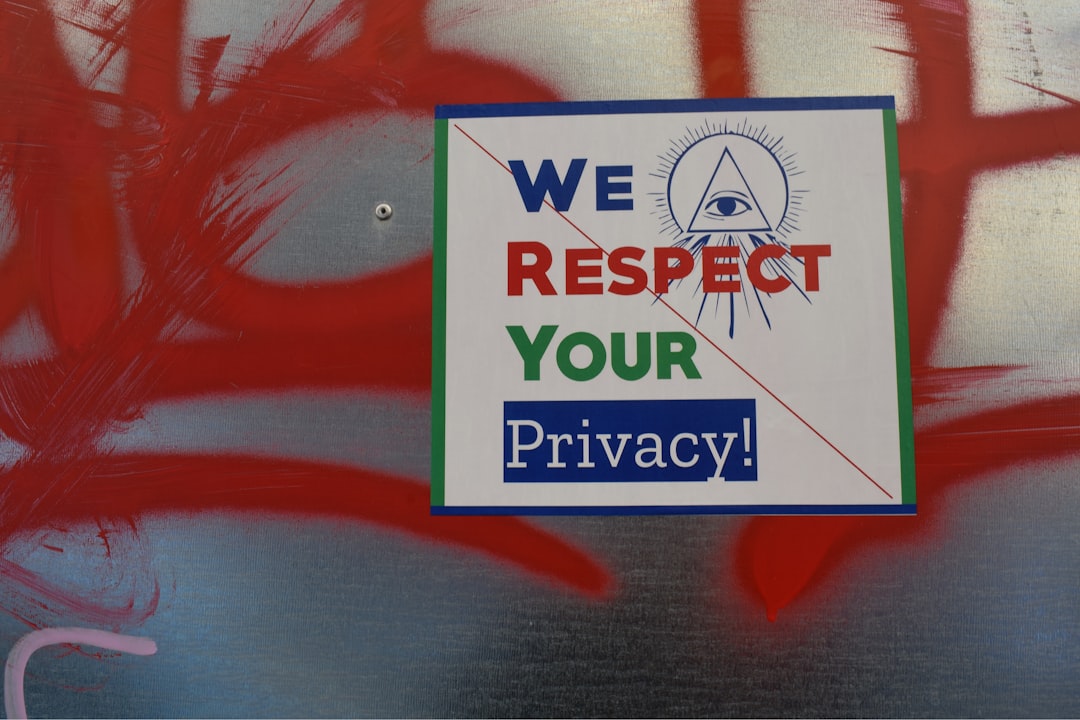
As users immerse themselves in the Metaverse, they generate vast amounts of personal data that can be exploited if not adequately protected. Privacy concerns are paramount in this digital landscape, where individuals often share sensitive information without fully understanding the implications. The immersive nature of virtual environments means that users may inadvertently disclose more about themselves than they would in traditional online settings.
For instance, avatars can be customized to reflect personal identities, but this customization often requires sharing personal data with platform providers. Furthermore, the potential for surveillance in the Metaverse raises significant ethical questions. Companies operating within these virtual spaces may track user behavior to enhance their services or target advertisements more effectively.
This data collection can lead to invasive practices that compromise user privacy. The challenge lies in balancing the need for personalized experiences with robust privacy protections. Existing regulations like the General Data Protection Regulation (GDPR) in Europe provide a framework for data protection but may need to be adapted to address the unique characteristics of the Metaverse.
As users navigate these digital realms, they must remain vigilant about their privacy rights and understand how their data is being used.
Intellectual Property Rights in the Metaverse
Intellectual property (IP) rights present another intricate layer of complexity within the Metaverse. As users create and share content—ranging from virtual art and music to entire digital environments—the question of ownership becomes critical. Traditional IP laws were designed for physical goods and may not adequately address the nuances of digital creations.
For example, if a user designs a unique virtual outfit for their avatar, who holds the rights to that design? Is it the creator, the platform hosting it, or both? Moreover, issues surrounding copyright infringement are prevalent in virtual spaces where content can be easily replicated and distributed without proper attribution or compensation.
The rise of non-fungible tokens (NFTs) has introduced new possibilities for asserting ownership over digital assets; however, they also complicate existing IP frameworks. The legal status of NFTs remains ambiguous in many jurisdictions, leading to uncertainty about how they fit into traditional IP laws. As creators continue to populate the Metaverse with original works, there is an urgent need for clear guidelines that protect their rights while fostering creativity and innovation.
Virtual Currency and Financial Regulations
| Aspect | Description | Key Legal/Privacy Issues | Potential Solutions |
|---|---|---|---|
| Data Privacy | Collection and use of personal data within metaverse platforms | Unauthorized data collection, lack of user consent, data breaches | Strong encryption, transparent privacy policies, user consent mechanisms |
| Intellectual Property | Ownership and protection of digital assets and creations | Copyright infringement, trademark violations, digital asset theft | Clear licensing agreements, blockchain-based ownership records |
| Jurisdiction | Determining applicable laws across different regions | Conflicts of law, enforcement challenges, cross-border disputes | International cooperation, harmonized regulations, choice of law clauses |
| User Identity | Verification and management of user identities | Identity theft, anonymity abuse, fake profiles | Robust authentication methods, identity verification protocols |
| Content Moderation | Regulation of user-generated content and behavior | Hate speech, harassment, illegal content | Automated moderation tools, community guidelines, reporting systems |
| Consumer Protection | Safeguarding users in virtual transactions | Fraud, scams, unfair terms of service | Clear refund policies, dispute resolution mechanisms, regulatory oversight |
| Security | Protection against cyberattacks and vulnerabilities | Hacking, malware, unauthorized access | Regular security audits, multi-factor authentication, secure coding practices |
The integration of virtual currencies into the Metaverse has transformed how users conduct transactions within these digital environments. Cryptocurrencies like Bitcoin and Ethereum are increasingly being used for buying virtual goods and services, creating a new economy that operates parallel to traditional financial systems. However, this shift raises significant regulatory challenges as governments seek to understand and manage these emerging financial landscapes.
One major concern is the potential for money laundering and fraud within virtual economies. The anonymity provided by cryptocurrencies can facilitate illicit activities, making it difficult for regulators to trace transactions back to individuals. Additionally, as virtual currencies gain popularity, there is a pressing need for consumer protection measures to safeguard users from scams or market volatility.
Regulatory bodies are beginning to explore frameworks for overseeing cryptocurrency exchanges and ensuring compliance with anti-money laundering (AML) and know-your-customer (KYC) regulations. Furthermore, taxation poses another challenge in this evolving landscape. Determining how to tax transactions conducted in virtual currencies remains a contentious issue among policymakers.
Different jurisdictions may adopt varying approaches to taxation, leading to confusion for users who engage in cross-border transactions within the Metaverse. As virtual currencies continue to gain traction, establishing clear financial regulations will be essential for fostering trust and stability in this new economic environment.
Cybersecurity and Data Protection in the Metaverse

Cybersecurity is a critical concern as users increasingly engage with immersive technologies within the Metaverse. The interconnectedness of various platforms creates vulnerabilities that malicious actors can exploit. Cyberattacks targeting virtual environments can lead to significant financial losses for both users and companies operating within these spaces.
For instance, hacking incidents involving virtual real estate or digital assets can result in stolen property or compromised user accounts. Data protection is equally vital in safeguarding user information from breaches or unauthorized access. As users interact with one another and share personal data within these environments, ensuring robust security measures becomes paramount.
Companies must implement advanced encryption techniques and multi-factor authentication processes to protect sensitive information from cyber threats.
The challenge lies not only in protecting individual users but also in securing entire platforms against large-scale attacks that could disrupt services or compromise user trust.
As cyber threats continue to evolve, ongoing collaboration between technology providers, regulatory bodies, and cybersecurity experts will be essential for developing effective strategies to safeguard the integrity of the Metaverse.
Governance and Jurisdictional Issues
Governance within the Metaverse presents a unique set of challenges due to its decentralized nature and global reach. Unlike traditional governance structures that operate within defined geographical boundaries, the Metaverse transcends these limitations, creating a need for new models of governance that can effectively address diverse user needs while ensuring compliance with varying legal standards across jurisdictions. One approach being explored is decentralized autonomous organizations (DAOs), which leverage blockchain technology to enable community-driven decision-making processes.
DAOs allow users to participate in governance by voting on proposals or changes within a platform, fostering a sense of ownership among participants. However, implementing such systems raises questions about accountability and transparency—particularly when decisions impact large numbers of users across different regions. Jurisdictional issues further complicate governance efforts within the Metaverse.
Disputes arising from user interactions may involve parties located in different countries with conflicting laws or regulations. Determining which jurisdiction applies can be challenging when traditional legal frameworks struggle to keep pace with technological advancements. As such, there is an urgent need for international cooperation among governments and regulatory bodies to establish guidelines that promote fair governance practices while respecting cultural differences.
Future Challenges and Considerations
As the Metaverse continues to evolve, several future challenges warrant careful consideration from stakeholders across various sectors. One pressing issue is ensuring equitable access to these digital spaces for all users regardless of socioeconomic status or geographic location. The risk of creating a digital divide—where only certain populations can fully participate in the Metaverse—could exacerbate existing inequalities and limit opportunities for marginalized communities.
Additionally, ethical considerations surrounding user behavior within virtual environments must be addressed. As individuals navigate these immersive spaces, questions arise about accountability for actions taken online—particularly when those actions may have real-world consequences. Establishing norms around acceptable behavior and fostering a culture of respect within the Metaverse will be crucial for creating safe and inclusive environments.
Finally, as technological advancements continue to shape the future of the Metaverse—such as developments in artificial intelligence (AI) or augmented reality (AR)—regulatory frameworks must remain adaptable to accommodate new innovations while safeguarding user rights and interests.
In conclusion, while the Metaverse holds immense potential for transforming how we interact with technology and each other, it also presents complex legal, ethical, and social challenges that require thoughtful consideration from all stakeholders involved.
In exploring the complexities of the Metaverse, it is essential to consider the various legal and privacy issues that arise within this digital landscape. A related article that delves into the implications of technology on user interactions is available at Smartsender: Your Chatbot Platform for Seamless Customer Interactions. This piece highlights how advancements in communication technology, such as chatbots, can influence user privacy and data security, which are critical components to understand in the context of the Metaverse.
FAQs
What is the metaverse?
The metaverse is a collective virtual shared space created by the convergence of virtually enhanced physical reality and persistent virtual environments. It includes augmented reality (AR), virtual reality (VR), and other digital spaces where users can interact, socialize, work, and play.
What are the main legal issues associated with the metaverse?
Key legal issues in the metaverse include intellectual property rights, jurisdictional challenges, contract enforcement, user liability, content regulation, and compliance with existing laws such as data protection and consumer protection regulations.
How does privacy work in the metaverse?
Privacy in the metaverse involves the collection, use, and protection of personal data generated through user interactions, biometric data, and behavioral information. Ensuring privacy requires adherence to data protection laws, transparent data practices, and robust security measures.
Who is responsible for user-generated content in the metaverse?
Responsibility for user-generated content can vary depending on platform policies and applicable laws. Generally, users are responsible for their content, but platform operators may also have obligations to monitor, moderate, and remove illegal or harmful content.
Can existing laws be applied to the metaverse?
Many existing laws, such as intellectual property, privacy, and contract laws, can apply to activities in the metaverse. However, the unique nature of the metaverse may require adaptations or new regulations to address specific challenges.
What challenges does jurisdiction pose in the metaverse?
Since the metaverse is a global digital environment, determining which country’s laws apply can be complex. Jurisdictional issues arise because users, servers, and platform operators may be located in different countries with varying legal frameworks.
How are intellectual property rights protected in the metaverse?
Intellectual property rights in the metaverse are protected through copyrights, trademarks, patents, and licensing agreements. Enforcement can be challenging due to the ease of copying and distributing digital assets, requiring technological and legal measures.
What measures can users take to protect their privacy in the metaverse?
Users can protect their privacy by understanding platform privacy policies, managing privacy settings, limiting the sharing of personal information, using secure authentication methods, and being cautious about the data they provide.
Are there regulations specifically designed for the metaverse?
As of now, there are limited regulations specifically tailored to the metaverse. However, governments and regulatory bodies are actively exploring frameworks to address the unique legal and privacy issues posed by this emerging technology.
How can companies operating in the metaverse ensure legal compliance?
Companies can ensure compliance by conducting legal risk assessments, implementing robust data protection policies, adhering to intellectual property laws, establishing clear user agreements, and staying informed about evolving regulations related to the metaverse.