

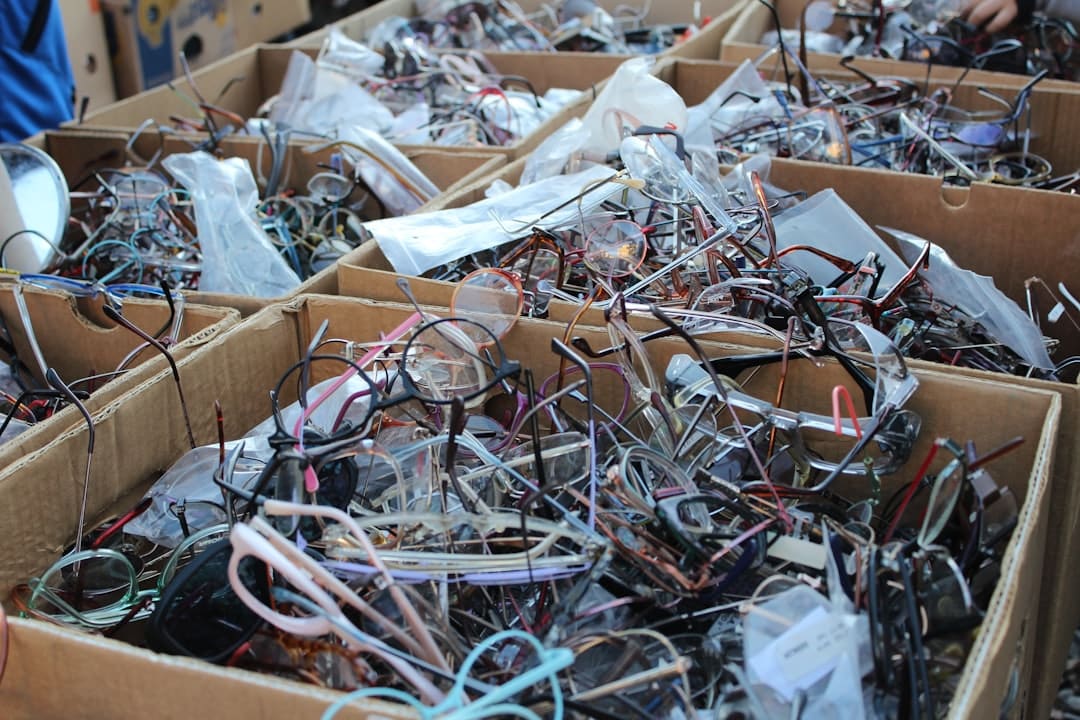
E-waste, or electronic waste, refers to discarded electrical or electronic devices, which include everything from old computers and smartphones to televisions and refrigerators. As technology advances rapidly, the volume of e-waste generated globally has surged, with developing nations often becoming the final destination for this waste. The phenomenon is particularly concerning in these regions, where the lack of proper recycling facilities and infrastructure exacerbates the problem. In many cases, developing countries are ill-equipped to handle the complexities associated with e-waste, leading to significant environmental and health risks.
The challenge of e-waste recycling in developing nations is multifaceted. On one hand, there is a pressing need to manage the growing amounts of waste generated by consumer electronics. On the other hand, these countries often lack the necessary resources and technology to recycle e-waste effectively. This situation creates a cycle of environmental degradation and health hazards that disproportionately affects vulnerable populations. Understanding the dynamics of e-waste recycling in these regions is crucial for developing effective strategies to mitigate its negative impacts.
In exploring the complexities surrounding e-waste recycling in developing nations, it is essential to consider various technological advancements that can aid in addressing these challenges. A related article that discusses the best tablets with SIM card slots, which can be crucial for enhancing connectivity and access to information in these regions, can be found here: Best Tablets with SIM Card Slot. This resource highlights how improved technology can play a role in facilitating better e-waste management practices and promoting sustainable development.
Key Takeaways
- Improper e-waste disposal in developing nations causes significant environmental pollution and health risks.
- Limited infrastructure and financial resources hinder effective e-waste recycling efforts.
- The informal recycling sector dominates but often operates under unsafe and unregulated conditions.
- Weak policies and regulatory frameworks challenge the management and control of e-waste.
- International cooperation and targeted solutions are essential to improve e-waste recycling systems in developing countries.
Environmental and Health Impacts of Improper E-Waste Disposal
Improper disposal of e-waste poses severe environmental threats. When electronic devices are discarded without proper recycling, toxic substances such as lead, mercury, and cadmium can leach into the soil and water systems. These hazardous materials can contaminate local ecosystems, harming wildlife and disrupting natural processes. In many developing nations, where regulatory frameworks may be weak or poorly enforced, the environmental consequences of e-waste mismanagement can be profound and long-lasting.
The health impacts of improper e-waste disposal are equally alarming. Individuals involved in informal recycling processes often work without protective gear, exposing themselves to harmful chemicals. This exposure can lead to a range of health issues, including respiratory problems, skin diseases, and neurological disorders. Children, who may be more susceptible to the effects of toxic substances, are particularly at risk in communities where e-waste is processed informally. The cumulative effect of these health risks can strain local healthcare systems and diminish the quality of life for affected populations.
Lack of Infrastructure and Resources for E-Waste Recycling
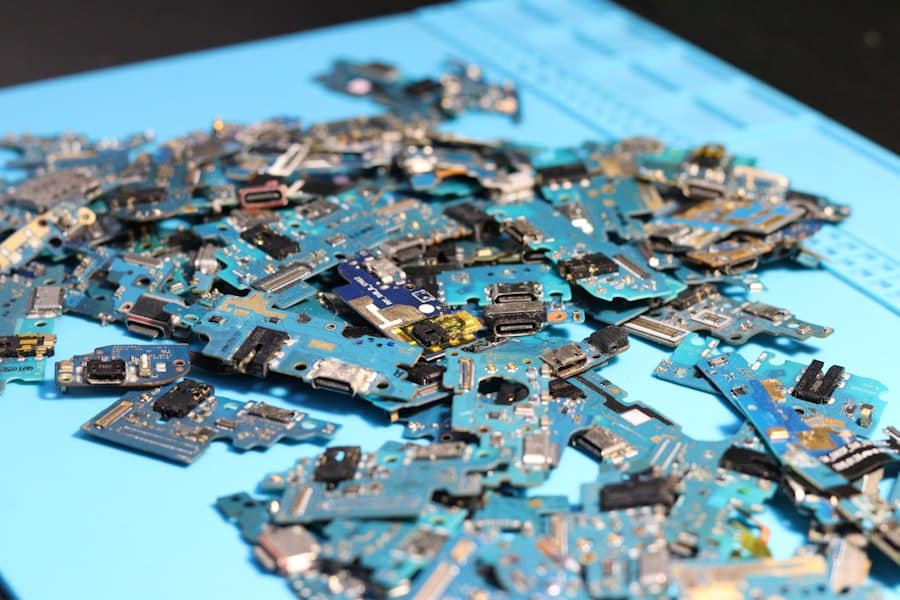
One of the primary challenges facing developing nations in managing e-waste is the lack of adequate infrastructure for recycling. Many countries do not have established systems for collecting, processing, and recycling electronic waste. This absence of infrastructure means that much of the e-waste generated is either discarded improperly or sent to landfills, where it can cause environmental harm. The need for specialized facilities that can safely handle e-waste is critical, yet many developing nations struggle to secure the necessary funding and technical expertise.
In addition to physical infrastructure, there is often a shortage of resources dedicated to e-waste management. This includes not only financial resources but also human capital trained in safe recycling practices. Without skilled workers who understand how to dismantle electronic devices safely and recover valuable materials, the potential for effective recycling diminishes significantly. The lack of investment in both infrastructure and human resources creates a significant barrier to improving e-waste recycling efforts in these regions.
Economic Challenges in E-Waste Recycling
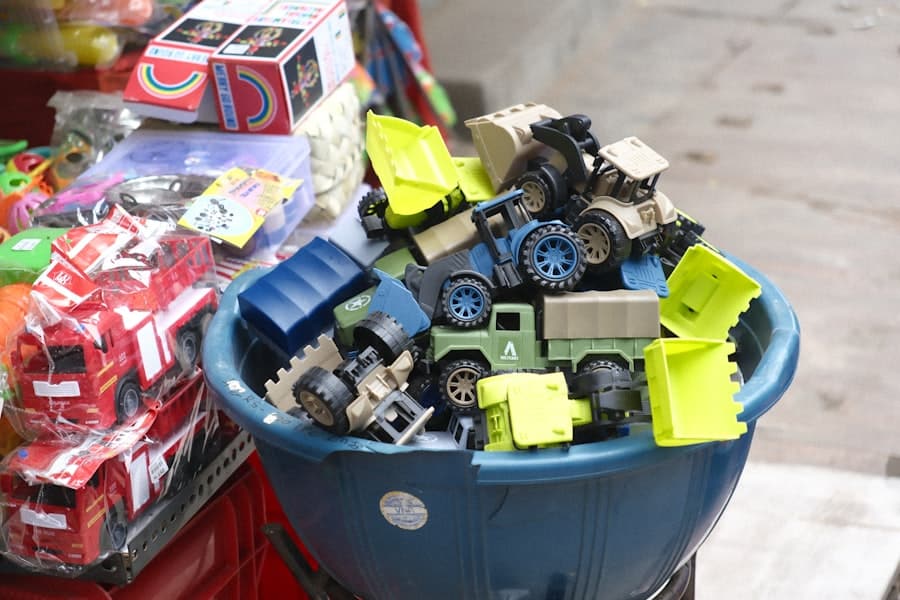
Economic factors play a significant role in the challenges associated with e-waste recycling in developing nations. The initial costs associated with establishing proper recycling facilities can be prohibitively high for many countries. This financial burden often leads governments to prioritize other pressing issues over e-waste management. Additionally, the informal sector, which often handles e-waste recycling, operates on a low-cost basis that does not account for the environmental or health impacts of their practices.
Moreover, the economic potential of e-waste recycling is frequently underappreciated. E-waste contains valuable materials such as gold, silver, and copper that can be recovered and reused. However, without a structured approach to recycling, these resources remain untapped. Developing nations could benefit economically from investing in formal recycling programs that not only address environmental concerns but also create jobs and stimulate local economies. Recognizing the economic value of e-waste could shift perspectives and encourage investment in sustainable recycling practices.
In exploring the complexities of e-waste recycling in developing nations, it is essential to consider the broader implications of technology consumption, particularly regarding children’s devices. A related article discusses how to select the right tablet for your child, which highlights the importance of responsible purchasing decisions that can ultimately impact e-waste generation. By making informed choices, parents can contribute to reducing the environmental burden associated with discarded electronics. For more insights on this topic, you can read the article here.
Informal Sector and Challenges in E-Waste Recycling
| Challenge | Description | Impact on E-Waste Recycling | Example Metrics |
|---|---|---|---|
| Informal Recycling Sector | Predominance of unregulated and informal workers handling e-waste | Leads to unsafe recycling practices and environmental pollution | 70-80% of e-waste processed informally in some countries |
| Lack of Infrastructure | Insufficient facilities and technology for proper e-waste processing | Low recovery rates of valuable materials and increased hazardous waste | Recycling facilities cover less than 30% of e-waste volume |
| Regulatory Gaps | Weak enforcement of e-waste management laws and policies | Illegal dumping and export of e-waste to developing nations | Less than 50% compliance with e-waste regulations |
| Public Awareness | Limited knowledge about e-waste hazards and recycling benefits | Low participation in formal recycling programs | Only 20-25% of population aware of e-waste issues |
| Financial Constraints | High costs of setting up and maintaining recycling operations | Discourages investment in advanced recycling technologies | Less than 10% of e-waste sector funded by formal investments |
The informal sector plays a significant role in e-waste recycling in many developing nations. Individuals often engage in informal recycling activities due to a lack of formal employment opportunities or awareness of safer practices. While this sector can provide immediate economic benefits to those involved, it also presents numerous challenges. Informal recyclers typically lack access to proper training and equipment, leading to unsafe working conditions and environmental hazards.
Additionally, the informal nature of these operations makes it difficult for governments to regulate and monitor e-waste processing effectively. Without oversight, informal recyclers may resort to harmful methods such as open burning or acid leaching to extract valuable materials from electronic devices. These practices not only pose health risks to workers but also contribute to widespread environmental contamination. Addressing the challenges posed by the informal sector requires a multifaceted approach that includes education, regulation, and support for transitioning informal workers into safer, formalized recycling operations.
Policy and Regulatory Challenges in E-Waste Recycling
Effective policy frameworks are essential for addressing the challenges associated with e-waste recycling in developing nations. However, many countries lack comprehensive regulations governing the management of electronic waste.
Existing policies may be outdated or poorly enforced, leading to gaps in accountability and oversight.
The absence of clear guidelines can hinder efforts to establish formal recycling programs and create confusion among stakeholders regarding their responsibilities.
Furthermore, international agreements on e-waste management often do not translate effectively into national policies. Developing nations may struggle to implement global standards due to limited resources or competing priorities. Strengthening policy frameworks requires collaboration between governments, non-governmental organizations (NGOs), and industry stakeholders to create tailored solutions that address local contexts while adhering to international best practices. By fostering a regulatory environment conducive to responsible e-waste management, developing nations can better protect their environments and public health.
International Collaboration and Support for E-Waste Recycling in Developing Nations
International collaboration is crucial for enhancing e-waste recycling efforts in developing nations. Many countries face similar challenges related to e-waste management, making it beneficial to share knowledge, resources, and best practices across borders. Collaborative initiatives can take various forms, including partnerships between governments, NGOs, and private sector entities aimed at building capacity for effective recycling.
Support from international organizations can also play a vital role in addressing the challenges faced by developing nations in managing e-waste. Programs that provide technical assistance, funding for infrastructure development, or training for workers can significantly improve local capacities for recycling electronic waste. Additionally, raising awareness about the importance of responsible e-waste management on a global scale can help mobilize resources and foster a sense of shared responsibility among nations.
Solutions and Recommendations for Improving E-Waste Recycling in Developing Nations
To improve e-waste recycling in developing nations, a comprehensive approach is necessary that addresses both immediate needs and long-term sustainability. First and foremost, investment in infrastructure is critical; establishing formal recycling facilities equipped with modern technology can significantly enhance processing capabilities while minimizing environmental impacts. Governments should prioritize funding for these initiatives as part of broader waste management strategies.
Education and training programs are also essential for building local capacity in e-waste management. By equipping workers with knowledge about safe recycling practices and the economic potential of recovered materials, communities can transition from informal operations to more sustainable models. Additionally, public awareness campaigns can help consumers understand the importance of responsible disposal methods for electronic devices.
Finally, fostering collaboration between governments, NGOs, industry stakeholders, and international organizations can create a supportive ecosystem for effective e-waste management. By working together to develop policies that promote responsible recycling practices while addressing economic challenges, stakeholders can pave the way for a more sustainable future in managing electronic waste in developing nations.
FAQs
What is e-waste and why is it a concern in developing nations?
E-waste refers to discarded electrical and electronic devices such as computers, mobile phones, and televisions. It is a concern in developing nations because improper disposal and recycling can lead to environmental pollution and health hazards due to toxic substances like lead, mercury, and cadmium.
What are the main challenges faced by developing nations in e-waste recycling?
Developing nations often face challenges such as lack of proper infrastructure, limited financial resources, inadequate regulations and enforcement, low public awareness, and the prevalence of informal recycling sectors that use unsafe methods.
How does informal e-waste recycling impact health and the environment?
Informal recycling often involves burning or acid baths to extract valuable materials, releasing harmful chemicals into the air, soil, and water. This can cause respiratory problems, skin diseases, and other health issues for workers and nearby communities, as well as long-term environmental degradation.
What measures can help improve e-waste recycling in developing countries?
Improving e-waste recycling requires establishing formal recycling facilities, enforcing regulations, promoting public awareness, providing training and protective equipment for workers, and encouraging producer responsibility programs to manage electronic waste responsibly.
Why is international cooperation important in addressing e-waste challenges?
International cooperation helps by facilitating technology transfer, funding, and knowledge sharing to build recycling capacity in developing nations. It also supports the enforcement of global agreements aimed at reducing hazardous waste dumping and promoting sustainable e-waste management practices.