

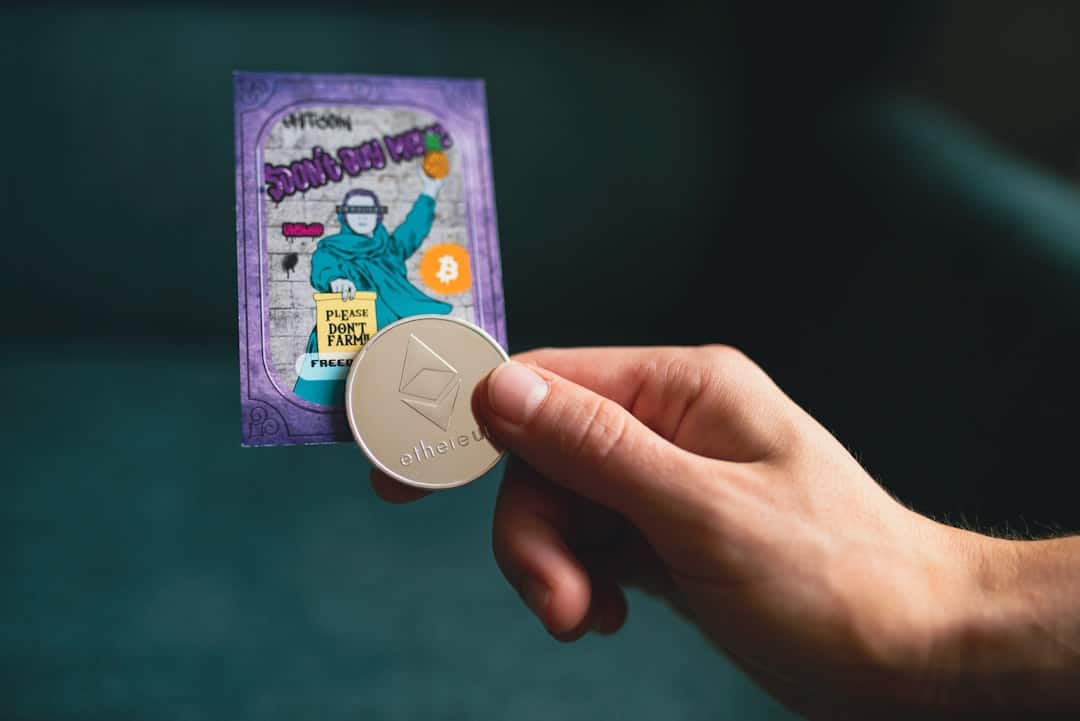
Token standards are technical specifications that define the operational parameters of tokens on blockchain networks, with the Ethereum network serving as the primary implementation platform. These standards establish mandatory rules and protocols that developers must implement to ensure compatibility and functionality across different applications and platforms. Compliance with these standards enables tokens to function uniformly within the ecosystem, allowing for consistent interactions between decentralized applications (dApps) and blockchain services.
Token standards serve as the technical foundation for decentralized finance (DeFi) protocols, non-fungible tokens (NFTs), and other blockchain-based applications. Ethereum has emerged as the dominant platform for token creation due to its comprehensive smart contract infrastructure. Smart contracts are programmable protocols that execute automatically when predetermined conditions are met, eliminating the need for intermediaries in transaction processing.
The ERC-20 and ERC-721 standards represent the most widely implemented token protocols, each designed for specific use cases within the blockchain ecosystem. Knowledge of these standards is necessary for developers building blockchain applications, investors evaluating token projects, and users interacting with blockchain-based services, as these specifications determine token creation processes, transfer mechanisms, and interaction protocols.
Key Takeaways
- Token standards define rules for creating and managing tokens on blockchain platforms.
- ERC-20 is a standard for fungible tokens, allowing interchangeable assets.
- ERC-721 defines non-fungible tokens (NFTs), representing unique digital items.
- Key differences include fungibility, use cases, and metadata handling between ERC-20 and ERC-721.
- Emerging token standards aim to address current challenges and expand blockchain applications.
The ERC-20 Standard
The ERC-20 standard is one of the most significant token standards in the Ethereum ecosystem, introduced in November 2015 by Fabian Vogelsteller and Vitalik Buterin. This standard outlines a set of functions and events that a token contract must implement to be considered ERC-20 compliant. The primary purpose of ERC-20 tokens is to facilitate fungible assets, meaning that each token is interchangeable with another token of the same type.
This fungibility makes ERC-20 tokens ideal for various applications, including cryptocurrencies, utility tokens, and stablecoins. An ERC-20 token contract must implement six mandatory functions: `totalSupply`, `balanceOf`, `transfer`, `transferFrom`, `approve`, and `allowance`. These functions enable users to check the total supply of tokens, view individual balances, transfer tokens between addresses, and approve third parties to spend tokens on their behalf.
Additionally, there are optional functions that can enhance the token’s functionality, such as `name`, `symbol`, and `decimals`, which provide metadata about the token. The widespread adoption of ERC-20 has led to the creation of thousands of tokens, including well-known projects like Chainlink (LINK), Uniswap (UNI), and Tether (USDT).
The ERC-721 Standard

In contrast to ERC-20, the ERC-721 standard was introduced in January 2018 to address the need for non-fungible tokens (NFTs) on the Ethereum blockchain. Unlike fungible tokens, where each unit is identical and interchangeable, non-fungible tokens represent unique assets or items that cannot be exchanged on a one-to-one basis. This uniqueness makes ERC-721 tokens particularly suitable for representing ownership of digital art, collectibles, virtual real estate, and other distinct items.
The ERC-721 standard defines a set of functions that allow for the creation and management of non-fungible tokens. Key functions include `ownerOf`, which returns the owner of a specific token ID; `transferFrom`, which facilitates the transfer of ownership; and `approve`, which allows a third party to manage a specific token on behalf of its owner. Additionally, ERC-721 tokens can have metadata associated with them, enabling developers to include information such as images or descriptions that enhance the value and appeal of the token.
Notable examples of ERC-721 tokens include CryptoKitties, which allows users to breed and trade virtual cats, and Decentraland, a virtual reality platform where users can buy and sell virtual land parcels.
Key Differences Between ERC-20 and ERC-721
The fundamental differences between ERC-20 and ERC-721 stem from their intended use cases and the nature of the assets they represent. As previously mentioned, ERC-20 tokens are fungible, meaning that each token is identical in value and can be exchanged freely with one another. This characteristic makes them suitable for applications where uniformity is essential, such as currency transactions or utility tokens used within a specific platform.
On the other hand, ERC-721 tokens are non-fungible, representing unique assets that cannot be exchanged on a one-to-one basis. This distinction allows for a wide range of applications in areas such as digital art, gaming, and collectibles. For instance, while an ERC-20 token like Ether (ETH) can be divided into smaller units and traded without loss of value or identity, an ERC-721 token representing a specific piece of digital art holds unique attributes that cannot be replicated or exchanged for another piece on equal terms.
Another critical difference lies in the complexity of their implementation. Creating an ERC-20 token is relatively straightforward due to its standardized functions and widespread documentation. In contrast, developing an ERC-721 token requires a deeper understanding of unique asset management and may involve additional considerations regarding metadata storage and user experience.
This complexity can lead to more innovative applications but also presents challenges for developers who may be less familiar with non-fungible asset management.
Other Token Standards
| Token Standard | Type | Description | Use Case | Fungibility | Example |
|---|---|---|---|---|---|
| ERC-20 | Fungible Token | Standard interface for fungible tokens on Ethereum, allowing seamless transfer and interoperability. | Cryptocurrencies, utility tokens, governance tokens | Fungible (each token is identical) | USDT, DAI, LINK |
| ERC-721 | Non-Fungible Token (NFT) | Standard for unique, indivisible tokens representing ownership of distinct assets. | Digital art, collectibles, gaming items | Non-fungible (each token is unique) | CryptoKitties, Decentraland parcels |
| ERC-1155 | Multi-Token Standard | Supports both fungible and non-fungible tokens in a single contract, optimizing batch transfers. | Gaming assets, digital art, mixed token ecosystems | Both fungible and non-fungible | Enjin Coin, The Sandbox assets |
| ERC-777 | Fungible Token | Advanced fungible token standard with improved features like hooks and operator control. | Advanced token use cases requiring more control and interaction | Fungible | Some experimental tokens |
| ERC-4626 | Tokenized Vault Standard | Standardizes tokenized vaults for yield-bearing tokens, improving composability. | DeFi vault tokens, yield farming | Fungible | Yearn Vault Tokens |
While ERC-20 and ERC-721 are the most recognized token standards within the Ethereum ecosystem, several other standards have emerged to cater to specific needs and use cases. One notable example is ERC-1155, which was introduced in June 2018 as a multi-token standard. This standard allows developers to create both fungible and non-fungible tokens within a single contract, streamlining the process of managing different types of assets.
With ERC-1155, developers can reduce gas costs associated with transactions by batching multiple transfers into a single operation. Another important standard is ERC-777, which aims to improve upon the limitations of ERC-20 by introducing advanced features such as operator functionality and hooks for more complex interactions between contracts. This standard allows users to send tokens with additional data attached and enables contracts to react to incoming token transfers automatically.
The introduction of these features enhances user experience and opens up new possibilities for decentralized applications. Additionally, there are standards like ERC-1400 designed specifically for security tokens, which represent ownership in real-world assets such as equity or real estate. These standards incorporate compliance features that ensure adherence to regulatory requirements while maintaining the benefits of blockchain technology.
As the blockchain ecosystem continues to evolve, it is likely that new token standards will emerge to address emerging needs and challenges.
Use Cases for ERC-20 and ERC-721 Tokens

ERC-20 tokens have found widespread adoption across various sectors due to their fungibility and ease of integration into existing systems. One prominent use case is in decentralized finance (DeFi), where projects like Uniswap utilize ERC-20 tokens for liquidity pools and trading pairs. Users can swap different ERC-20 tokens seamlessly on decentralized exchanges (DEXs), enabling a vibrant trading ecosystem without relying on centralized intermediaries.
Another significant application of ERC-20 tokens is in Initial Coin Offerings (ICOs) and token sales. Many projects raise funds by issuing their own ERC-20 tokens in exchange for Ether or other cryptocurrencies during these events. Investors receive these tokens as a representation of their stake in the project or access to its services once it launches.
This fundraising mechanism has revolutionized how startups secure capital while providing investors with opportunities to participate in innovative projects at an early stage. Conversely, ERC-721 tokens have gained traction primarily in the realm of digital art and collectibles. Artists can tokenize their work as unique NFTs, allowing them to sell their creations directly to collectors without intermediaries taking a cut of the profits.
Platforms like OpenSea have emerged as marketplaces for buying and selling these digital assets, fostering a new economy around digital ownership.
The potential use cases for both token standards continue to expand as developers explore innovative applications across various industries.
From real estate tokenization using security tokens to loyalty programs utilizing fungible tokens, the versatility of these standards enables a wide range of possibilities that were previously unattainable.
Challenges and Future Developments in Token Standards
Despite their success and widespread adoption, both ERC-20 and ERC-721 token standards face several challenges that could impact their future development. One significant issue is scalability; as more users engage with dApps utilizing these tokens, network congestion can lead to increased transaction fees and slower processing times. This challenge has prompted discussions around Ethereum’s transition to Ethereum 2.0, which aims to improve scalability through sharding and proof-of-stake mechanisms.
Security vulnerabilities also pose risks for both token standards. Smart contracts are susceptible to bugs or exploits that can result in significant financial losses for users or projects. High-profile hacks have highlighted the importance of rigorous testing and auditing processes before deploying smart contracts on the blockchain.
As developers continue to innovate with new features and functionalities within these standards, ensuring security will remain paramount. Future developments may also see enhancements to existing standards or entirely new standards emerging to address specific needs within the ecosystem. For instance, improvements in interoperability between different blockchains could lead to cross-chain token standards that allow seamless transfers between various networks.
Additionally, as regulatory scrutiny increases around cryptocurrencies and tokenized assets, new standards may emerge that incorporate compliance features while maintaining user privacy.
The Impact of Token Standards on the Blockchain Ecosystem
Token standards like ERC-20 and ERC-721 have fundamentally transformed how digital assets are created, managed, and traded within the blockchain ecosystem. By providing clear guidelines for developers, these standards have enabled a diverse range of applications across industries while fostering innovation in decentralized finance, digital art, gaming, and beyond. As the blockchain landscape continues to evolve, understanding these standards will be crucial for anyone looking to navigate this dynamic environment effectively.
The impact of token standards extends beyond mere technical specifications; they shape user experiences and influence market dynamics within the cryptocurrency space. As new challenges arise and opportunities emerge, ongoing collaboration among developers will be essential in refining existing standards or creating new ones that meet the demands of an ever-changing landscape. Ultimately, token standards will play a pivotal role in determining how blockchain technology integrates into our daily lives and reshapes traditional systems across various sectors.
In the exploration of token standards such as ERC-20 and ERC-721, it’s essential to understand their applications and implications in various fields, including software development. For those interested in enhancing their presentation skills, a related article on the best software for presentations in 2023 can provide valuable insights. You can read more about it
, meaning each token is unique and cannot be exchanged on a one-to-one basis like ERC-20 tokens, which are fungible and identical. ERC-721 is used for representing ownership of unique items such as digital art or collectibles.</p>
<h3>What are the main functions defined in the ERC-20 standard?</h3>
<p>The ERC-20 standard includes functions such as totalSupply (total tokens in circulation), balanceOf (token balance of an address), transfer (sending tokens), approve (allowing another address to spend tokens), and transferFrom (transferring tokens on behalf of another address).</p>
<h3>Why are token standards important in blockchain development?</h3>
<p>Token standards ensure compatibility and interoperability between different tokens and decentralized applications (dApps). They provide a consistent framework for developers, making it easier to create, manage, and integrate tokens across various platforms.</p>
<h3>Are there other token standards besides ERC-20 and ERC-721?</h3>
<p>Yes, there are several other token standards such as ERC-1155, which supports both fungible and non-fungible tokens within a single contract, and ERC-777, which offers advanced features and improved token handling compared to ERC-20.</p>
<h3>Can ERC-20 tokens represent assets other than cryptocurrencies?</h3>
<p>Yes, ERC-20 tokens can represent a wide range of assets including utility tokens, security tokens, stablecoins, and more, enabling various use cases beyond simple currency.</p>
<h3>What is the significance of ERC-1155 in token standards?</h3>
<p>ERC-1155 is a multi-token standard that allows a single smart contract to manage multiple token types, both fungible and non-fungible, improving efficiency and reducing transaction costs in gaming and digital asset applications.</p>
<h3>How do token standards impact user wallets and exchanges?</h3>
<p>Token standards ensure that wallets and exchanges can support a wide variety of tokens without needing custom integration for each one. This standardization simplifies token management and trading for users.</p>
<h3>Is it possible to create custom token standards?</h3>
<p>While developers can create custom token standards, using established standards like ERC-20 or ERC-721 is recommended to ensure compatibility and security within the Ethereum ecosystem.</p>
<h3>Where can I learn more about Ethereum token standards?</h3>
<p>Official Ethereum documentation, developer forums, and blockchain educational platforms provide comprehensive resources on token standards such as ERC-20, ERC-721, and others.</p>
<div class="clear"></div> </div>
<footer class="entry-meta">
<div class="entry-tax"><span>Tags: No tags</span></div>
<div class="aux-single-post-share">
<div class="aux-tooltip-socials aux-tooltip-dark aux-socials aux-icon-left aux-medium aux-tooltip-social-no-text" >
<span class="aux-icon auxicon-share" ></span>
</div>
</div>
</footer>
</div>
<nav class="aux-next-prev-posts nav-skin-thumb-arrow">
<section class="np-prev-section has-nav-thumb" >
<a href="https://enicomp.com/how-ai-is-enhancing-fraud-detection-in-financial-services-2/">
<div class="np-arrow">
<div class="aux-hover-slide aux-arrow-nav aux-outline">
<span class="aux-svg-arrow aux-medium-left"></span>
<span class="aux-hover-arrow aux-svg-arrow aux-medium-left"></span>
</div>
<img width="80" height="80" src="https://enicomp.com/wp-content/uploads/2025/12/image-160-80x80.jpg" class="auxin-attachment auxin-featured-image attachment-80x80" alt="Photo Finance" /> </div>
<p class="np-nav-text">Previous Post</p>
<h4 class="np-title">How AI Is Enhancing Fraud Detection in Financial Services</h4>
</a>
</section>
<section class="np-next-section has-nav-thumb" >
<a href="https://enicomp.com/the-ethical-considerations-of-hyper-realistic-virtual-avatars/">
<div class="np-arrow">
<div class="aux-arrow-nav aux-hover-slide aux-outline">
<span class="aux-svg-arrow aux-medium-right"></span>
<span class="aux-hover-arrow aux-svg-arrow aux-medium-right"></span>
</div>
<img width="80" height="80" src="https://enicomp.com/wp-content/uploads/2025/12/image-164-80x80.jpg" class="auxin-attachment auxin-featured-image attachment-80x80" alt="Photo Avatars" /> </div>
<p class="np-nav-text">Next Post</p>
<h4 class="np-title">The Ethical Considerations of Hyper-Realistic Virtual Avatars</h4>
</a>
</section>
</nav>
</article>
</div><!-- end content -->
</div><!-- end primary -->
<aside class="aux-sidebar aux-sidebar-primary">
<div class="sidebar-inner">
<div class="sidebar-content">
<div class="aux-widget-area"><section id="block-4" class=" aux-open widget-container widget_block">
<h2 class="wp-block-heading">POPULAR</h2>
</section><section id="block-33" class=" aux-open widget-container widget_block">
<h2 class="wp-block-heading">CATEGORIES</h2>
</section><section id="categories-3" class=" aux-open widget-container widget_categories"><h3 class="widget-title">Categories</h3>
<ul>
<li class="cat-item cat-item-162"><a href="https://enicomp.com/category/5g-wireless-communication-technologies/">5G, Wireless & Communication Technologies</a> (177)
<ul class=)