

The hybrid work schedule has emerged as a prominent model in the modern workplace, blending remote and in-office work. This approach allows employees to enjoy the flexibility of working from home while still benefiting from the collaborative environment of a physical office. Organizations have adopted this model in response to changing employee preferences and the need for adaptability in a rapidly evolving business landscape. By offering a hybrid schedule, companies can attract and retain talent, as many workers now prioritize flexibility in their job choices.
Implementing a hybrid work schedule requires careful consideration of various factors, including the nature of the work, team dynamics, and organizational culture. Companies must assess which roles are suitable for remote work and which require a physical presence. Additionally, it is essential to establish guidelines that define when employees should be in the office and when they can work remotely. This balance is crucial for maintaining productivity while also fostering a sense of community among team members.
For those looking to optimize their hybrid work schedule, it’s essential to leverage the right tools and applications that can enhance productivity and communication. A related article that might be of interest is “The Best Apps for Facebook in 2023,” which discusses various applications that can help streamline your social media management, a crucial aspect of maintaining work-life balance in a hybrid environment. You can read more about it here: The Best Apps for Facebook in 2023.
Key Takeaways
- Hybrid work requires clear understanding of schedules and flexibility.
- Setting explicit expectations ensures accountability and clarity.
- Effective communication channels are essential for seamless collaboration.
- A dedicated, organized workspace boosts productivity.
- Balancing work and personal life is crucial for long-term success.
Setting Clear Expectations
Establishing clear expectations is vital for the success of a hybrid work model. Employees need to understand their responsibilities, deadlines, and performance metrics regardless of their work location. Clear communication about what is expected helps to minimize confusion and ensures that everyone is aligned with the organization’s goals. This clarity can be achieved through regular meetings, written guidelines, and performance reviews that outline specific objectives.
Moreover, setting expectations extends beyond individual tasks; it also encompasses team dynamics and collaboration. Teams should discuss how they will communicate, share information, and support one another in both remote and in-person settings. By defining these parameters upfront, organizations can create a more cohesive work environment that encourages accountability and fosters a sense of belonging among team members.
Establishing Communication Channels

Effective communication is a cornerstone of any successful hybrid work arrangement. Organizations must establish robust communication channels that facilitate seamless interaction among team members, regardless of their location. This may involve utilizing various tools such as video conferencing platforms, instant messaging applications, and project management software. By leveraging technology, teams can stay connected and engaged, ensuring that information flows freely.
In addition to choosing the right tools, it is essential to establish norms around communication practices. For instance, teams should agree on response times for emails and messages, as well as preferred methods for different types of communication. Regular check-ins and updates can help maintain transparency and keep everyone informed about ongoing projects. By prioritizing communication, organizations can mitigate feelings of isolation that remote workers may experience and foster a collaborative atmosphere.
Creating a Productive Workspace
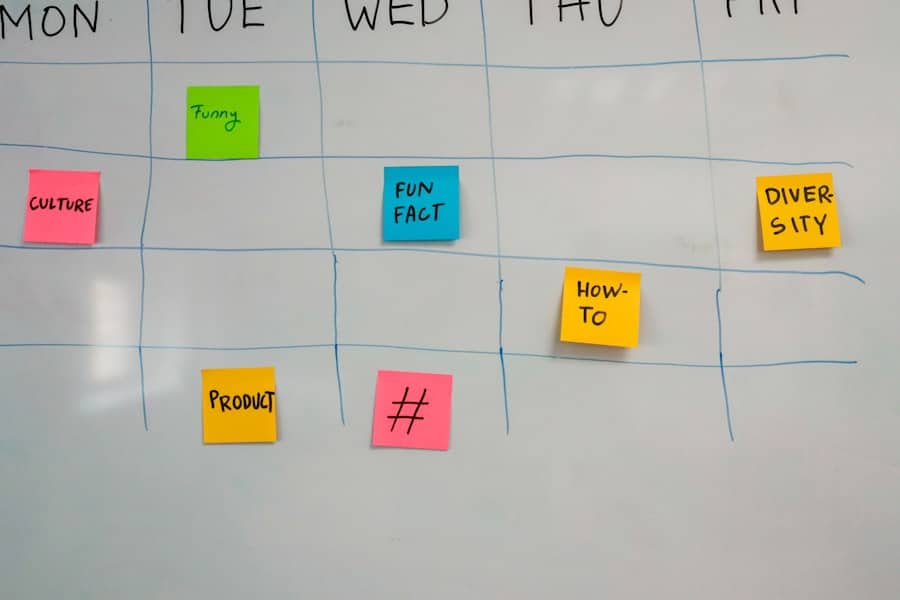
A productive workspace is crucial for employees to perform at their best, whether they are working from home or in the office. For remote workers, this means creating an environment that minimizes distractions and promotes focus. Employees should be encouraged to designate a specific area in their homes for work, equipped with the necessary tools and resources to facilitate productivity. This might include ergonomic furniture, adequate lighting, and reliable technology.
In the office setting, organizations should consider how to design spaces that support both individual work and collaboration. Open floor plans may encourage teamwork but can also lead to distractions. Therefore, providing quiet areas or private rooms for focused work can enhance overall productivity. By investing in both remote and in-office workspaces, companies can create an environment that supports diverse working styles and maximizes employee output.
In the ever-evolving landscape of work environments, managing a hybrid work schedule can be challenging yet rewarding. For those looking to enhance their productivity while balancing remote and in-office responsibilities, exploring effective strategies is essential. A related article that provides valuable insights into the latest technology trends that can support this transition is the Samsung Galaxy S23 review. This piece discusses how advanced features of the device can aid in maintaining connectivity and efficiency in a hybrid setup. To read more about it, check out the review here.
Prioritizing Time Management
| Tip | Description | Metric/Benefit | Recommended Frequency |
|---|---|---|---|
| Set Clear Expectations | Define work hours, availability, and communication protocols for both remote and in-office days. | Improves team alignment by 30% | At the start of each project or quarter |
| Use Collaborative Tools | Leverage platforms like Slack, Microsoft Teams, or Zoom to maintain seamless communication. | Increases productivity by 25% | Daily use |
| Schedule Regular Check-ins | Hold weekly or bi-weekly meetings to discuss progress and address challenges. | Reduces misunderstandings by 40% | Weekly or bi-weekly |
| Prioritize Flexibility | Allow employees to adjust schedules to balance work and personal life effectively. | Boosts employee satisfaction by 35% | Ongoing |
| Maintain Work-Life Boundaries | Encourage setting specific work hours and breaks to avoid burnout. | Decreases burnout rates by 20% | Daily |
| Optimize Office Days | Plan in-person meetings and collaborative tasks on office days for maximum impact. | Enhances team collaboration by 30% | As per hybrid schedule |
| Provide Training and Support | Offer resources to help employees adapt to hybrid work tools and practices. | Improves tool adoption by 50% | Quarterly or as needed |
Time management is a critical skill for employees navigating a hybrid work schedule. With the flexibility of remote work comes the challenge of self-discipline and effective prioritization of tasks. Employees should be encouraged to develop strategies that help them manage their time efficiently, such as setting specific work hours, creating daily to-do lists, and utilizing time-blocking techniques. These practices can help individuals stay organized and focused on their responsibilities.
Organizations can also play a role in promoting effective time management by providing resources and training on best practices. Workshops or seminars on productivity techniques can equip employees with the tools they need to manage their time effectively. Additionally, leaders should model good time management behaviors by respecting boundaries around work hours and encouraging breaks to prevent burnout.
Fostering Team Collaboration
Collaboration is essential for driving innovation and achieving organizational goals, particularly in a hybrid work environment.
To foster collaboration among team members who may be working in different locations, organizations should implement structured processes that facilitate teamwork.
This could include regular brainstorming sessions, collaborative projects using shared digital platforms, or team-building activities designed to strengthen relationships.
Moreover, leaders should encourage an inclusive culture where all team members feel valued and empowered to contribute their ideas. Recognizing individual strengths and leveraging diverse perspectives can enhance problem-solving capabilities within teams. By prioritizing collaboration through intentional practices and fostering an inclusive environment, organizations can harness the collective intelligence of their workforce.
Managing Work-Life Balance
Maintaining a healthy work-life balance is increasingly important in a hybrid work model. The blurring of boundaries between personal and professional life can lead to increased stress and burnout if not managed effectively. Organizations should promote policies that encourage employees to disconnect after work hours and take regular breaks throughout the day. This might include implementing “no meeting” days or encouraging employees to set boundaries around their availability.
Additionally, leaders should model healthy work-life balance behaviors by respecting employees’ time off and promoting self-care practices. Providing resources such as mental health support or wellness programs can further assist employees in managing stress and maintaining their well-being. By prioritizing work-life balance, organizations can enhance employee satisfaction and productivity while reducing turnover rates.
Seeking Feedback and Adjusting as Needed
Continuous improvement is essential for the success of any hybrid work model. Organizations should actively seek feedback from employees regarding their experiences with the hybrid schedule, communication practices, and overall job satisfaction. Surveys, focus groups, or one-on-one check-ins can provide valuable insights into what is working well and what areas may need adjustment.
Based on this feedback, organizations should be willing to make necessary changes to improve the hybrid work experience. This could involve refining communication protocols, adjusting expectations around availability, or enhancing support for remote workers. By demonstrating a commitment to listening to employee concerns and making adjustments as needed, organizations can foster a culture of trust and engagement that ultimately benefits both employees and the organization as a whole.
In conclusion, successfully navigating a hybrid work schedule requires thoughtful planning and execution across various dimensions of the workplace. From setting clear expectations to fostering collaboration and managing work-life balance, organizations must adopt a holistic approach that addresses the unique challenges posed by this model. By prioritizing communication, productivity, and employee well-being, companies can create an effective hybrid work environment that meets the needs of both the organization and its workforce.
FAQs
What is a hybrid work schedule?
A hybrid work schedule is a flexible work arrangement that combines remote work and in-office work. Employees split their time between working from home and working at a physical office location.
What are the benefits of a hybrid work schedule?
Benefits include increased flexibility, improved work-life balance, reduced commuting time, potential cost savings, and the ability to maintain in-person collaboration while enjoying remote work advantages.
How can I effectively manage my time in a hybrid work schedule?
Effective time management can be achieved by setting clear priorities, creating a consistent daily routine, using digital calendars, blocking focused work periods, and scheduling regular check-ins with your team.
What tools can help with managing a hybrid work schedule?
Common tools include project management software (e.g., Asana, Trello), communication platforms (e.g., Slack, Microsoft Teams), video conferencing tools (e.g., Zoom), and calendar apps to coordinate schedules and tasks.
How do I maintain communication with my team while working remotely?
Maintain regular communication through scheduled video calls, instant messaging, email updates, and collaborative platforms. Establish clear expectations for responsiveness and availability.
What challenges might arise with a hybrid work schedule?
Challenges can include feelings of isolation, difficulty coordinating schedules, potential communication gaps, and managing work-life boundaries. Addressing these proactively is important for success.
How can employers support employees in a hybrid work environment?
Employers can provide clear guidelines, offer flexible scheduling options, invest in collaboration tools, encourage regular check-ins, and promote a culture of trust and inclusivity.
Is it important to have a dedicated workspace when working remotely?
Yes, having a dedicated, comfortable, and distraction-free workspace helps improve focus, productivity, and separates work from personal life.
How can I balance work and personal life in a hybrid schedule?
Set clear boundaries by defining work hours, taking regular breaks, communicating availability to colleagues and family, and ensuring time for personal activities and rest.
What strategies help in staying productive during remote work days?
Strategies include setting daily goals, minimizing distractions, using time-blocking techniques, taking scheduled breaks, and maintaining regular communication with your team.