

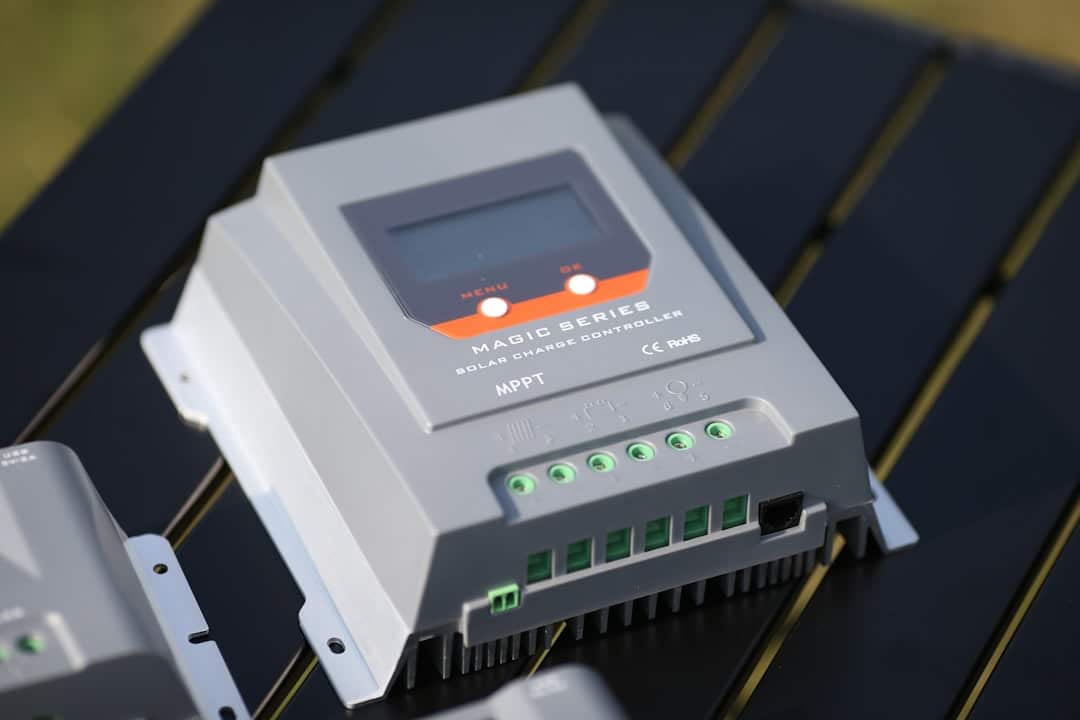
Smart meters are advanced devices that measure energy consumption in real-time, offering greater accuracy and detail than traditional analog meters. While conventional meters only recorded total energy consumption and required manual readings, smart meters communicate directly with utility companies via wireless networks. This two-way communication enables immediate data transfer, allowing utilities to monitor consumption patterns and respond to demand changes more efficiently.
Smart meters can measure electricity, gas, and water usage, making them valuable tools for resource management. Smart meter technology is based on advanced metering infrastructure (AMI), which combines smart meters with communication networks and data management systems. These devices use various communication protocols, including Zigbee, Wi-Fi, and cellular networks, to transmit data securely.
Utility companies use the data collected by smart meters for billing and grid management purposes, allowing them to optimize energy distribution and reduce service interruptions. By providing consumers with detailed information about their energy consumption, smart meters help create a more informed customer base and encourage energy awareness.
Key Takeaways
- Smart meters provide real-time data on energy usage, enhancing consumer awareness and behavior.
- They empower individuals to save energy by offering detailed insights into consumption patterns.
- Smart meters promote sustainable living by encouraging environmentally responsible energy use.
- Consumers can achieve significant cost savings through informed energy management enabled by smart meters.
- Ongoing innovations aim to overcome adoption challenges and further empower consumers with advanced smart meter technologies.
The Impact of Smart Meters on Consumer Awareness and Behavior
The introduction of smart meters has significantly transformed consumer awareness regarding energy consumption. With access to real-time data about their usage patterns, consumers can identify peak usage times and adjust their habits accordingly. For instance, many households may discover that their energy consumption spikes during certain hours due to the use of high-demand appliances like air conditioners or electric heaters.
This newfound awareness encourages individuals to shift their energy-intensive activities to off-peak hours, ultimately leading to more efficient energy use. Moreover, the visual representation of energy consumption provided by smart meters can be a powerful motivator for behavioral change. Many smart meters come equipped with user-friendly interfaces or mobile applications that display energy usage in an easily digestible format.
This visual feedback can prompt consumers to adopt energy-saving practices, such as turning off lights when not in use or unplugging devices that draw phantom power. As consumers become more conscious of their energy habits, they are likely to engage in discussions about energy efficiency with family and friends, further amplifying the impact of smart meters on community awareness.
Empowering Consumers: How Smart Meters Help Individuals Save Energy
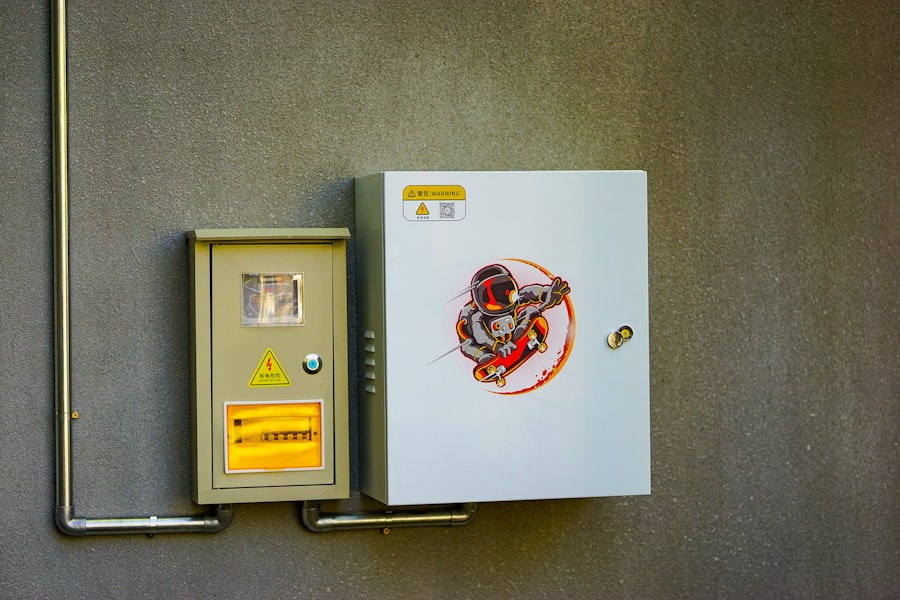
Smart meters empower consumers by providing them with the tools and information necessary to make informed decisions about their energy consumption. One of the most significant advantages of these devices is their ability to facilitate personalized energy management strategies. For example, consumers can set specific goals for reducing their energy usage based on the insights gained from their smart meter data.
By tracking progress toward these goals, individuals can stay motivated and make adjustments as needed.
For instance, some systems can send alerts when a household’s energy consumption exceeds a predetermined threshold or when unusual spikes in usage occur.
This proactive approach enables consumers to take immediate action to mitigate excessive energy use, whether by adjusting their habits or investigating potential issues such as malfunctioning appliances. As a result, smart meters not only promote energy conservation but also enhance overall household efficiency.
Real-Time Data: How Smart Meters Provide Insight into Energy Usage
One of the most transformative aspects of smart meters is their ability to provide real-time data on energy consumption. This immediacy allows consumers to monitor their usage patterns continuously rather than waiting for monthly bills that reflect past behavior. With real-time data at their fingertips, individuals can make informed decisions about when and how to use energy-intensive appliances.
For example, a family may choose to run their dishwasher during off-peak hours when electricity rates are lower, thereby saving money while reducing strain on the grid. Furthermore, the granularity of data provided by smart meters can reveal insights that were previously obscured by traditional billing methods. Consumers can analyze their energy usage by time of day, appliance type, or even specific rooms within their homes.
This level of detail enables households to identify which appliances contribute most significantly to their overall consumption and prioritize upgrades or replacements accordingly. For instance, if a consumer discovers that an older refrigerator is consuming an excessive amount of energy, they may decide to invest in a more efficient model, leading to long-term savings and reduced environmental impact.
The Role of Smart Meters in Promoting Sustainable Living and Environmental Responsibility
| Metric | Description | Impact on Energy Savings | Example Data |
|---|---|---|---|
| Real-time Energy Usage | Displays current electricity consumption to consumers | Enables immediate behavior adjustments to reduce usage | Up to 15% reduction in peak hour consumption |
| Energy Consumption Feedback | Provides historical data and trends on energy use | Helps identify high-usage appliances and habits | Average 10% decrease in monthly energy bills |
| Time-of-Use Pricing | Charges vary based on time of day to encourage off-peak use | Shifts consumption to lower-cost, lower-demand periods | Peak demand reduced by 20% during critical hours |
| Remote Monitoring & Control | Allows consumers to manage devices remotely via apps | Improves energy efficiency through automated controls | Smart thermostat users save up to 12% on heating/cooling |
| Consumer Engagement | Interactive tools and alerts to promote energy-saving actions | Increases awareness and sustained energy-saving behavior | 70% of users report increased energy-saving awareness |
Smart meters play a pivotal role in promoting sustainable living by encouraging responsible energy consumption practices among consumers. By providing real-time feedback on energy usage, these devices help individuals understand the environmental impact of their choices. For example, when consumers see the direct correlation between high energy use and increased carbon emissions, they may be more inclined to adopt renewable energy sources or invest in energy-efficient appliances.
Moreover, smart meters facilitate the integration of renewable energy into the grid by allowing consumers who generate their own electricity—such as through solar panels—to monitor their production and consumption in real-time. This capability not only empowers individuals to take control of their energy sources but also encourages participation in programs that promote sustainable practices, such as net metering. By enabling consumers to sell excess energy back to the grid, smart meters contribute to a more decentralized and resilient energy system that prioritizes sustainability.
Smart Meters and Cost Savings: How Consumers Can Benefit Financially
The financial benefits of smart meters are significant and multifaceted. One of the most immediate advantages is the potential for cost savings through more accurate billing based on actual consumption rather than estimated usage. Traditional meters often rely on estimates that can lead to overbilling or underbilling; smart meters eliminate this uncertainty by providing precise readings that reflect actual usage patterns.
Additionally, many utility companies offer time-of-use (TOU) pricing plans that incentivize consumers to shift their energy consumption to off-peak hours when rates are lower. With access to real-time data from smart meters, consumers can easily adjust their habits to take advantage of these lower rates. For instance, running laundry machines or charging electric vehicles during off-peak hours can lead to substantial savings on monthly bills.
Over time, these savings can accumulate significantly, making smart meters not just a tool for monitoring consumption but also a means of achieving financial efficiency.
Overcoming Challenges: Addressing Concerns and Barriers to Smart Meter Adoption
Despite the numerous benefits associated with smart meters, several challenges and concerns have hindered widespread adoption. One major barrier is consumer skepticism regarding data privacy and security. Many individuals worry about how their personal data will be used and whether it could be vulnerable to hacking or misuse.
Utility companies must address these concerns by implementing robust security measures and transparently communicating how consumer data will be protected. Another challenge is the initial cost associated with installing smart meters and upgrading infrastructure. While many utility companies have begun rolling out smart meter programs at little or no cost to consumers, there are still regions where the transition has been slow due to budget constraints or regulatory hurdles.
To overcome this barrier, stakeholders must work collaboratively to develop funding models that support widespread deployment while ensuring that all communities have access to the benefits of smart metering technology.
The Future of Smart Meters: Innovations and Opportunities for Further Empowering Consumers
The future of smart meters is poised for innovation as technology continues to evolve and consumer needs change. One promising area of development is the integration of artificial intelligence (AI) and machine learning algorithms into smart metering systems. These advancements could enable even more sophisticated analysis of energy consumption patterns, allowing for predictive analytics that help consumers anticipate their future usage based on historical data.
Additionally, as electric vehicles (EVs) become increasingly prevalent, smart meters will play a crucial role in managing the charging infrastructure needed to support this transition. By providing real-time data on charging patterns and grid demand, smart meters can help optimize charging schedules for EV owners while ensuring grid stability during peak demand periods. This synergy between smart metering technology and emerging trends in transportation will further empower consumers to make sustainable choices while contributing to a greener future.
In conclusion, the evolution of smart meters represents a significant leap forward in how we understand and manage our energy consumption.
In exploring the impact of smart meters on energy consumption, it’s also valuable to consider how technology can enhance productivity in other areas. For instance, the article on top trends on LinkedIn in 2023 discusses how professionals can leverage social media tools to optimize their networking and career growth, paralleling the way smart meters empower consumers to take control of their energy usage. Both topics highlight the importance of utilizing technology to make informed decisions that lead to greater efficiency and savings.
FAQs
What is a smart meter?
A smart meter is an electronic device that records energy consumption in real-time and communicates this information directly to the utility provider. It replaces traditional meters and provides detailed data on electricity, gas, or water usage.
How do smart meters help consumers save energy?
Smart meters provide consumers with accurate, real-time information about their energy usage, enabling them to identify patterns, reduce waste, and make informed decisions to lower consumption and costs.
Can smart meters reduce energy bills?
Yes, by giving consumers detailed insights into their energy use, smart meters encourage more efficient habits and allow users to shift consumption to off-peak times, potentially lowering energy bills.
Do smart meters provide real-time data?
Smart meters typically provide near real-time data, often updating usage information every 15 minutes or hourly, which helps consumers monitor and adjust their energy consumption promptly.
Are smart meters secure and private?
Smart meters use encrypted communication to protect data privacy and security. Utility companies follow strict regulations to ensure consumer information is safeguarded against unauthorized access.
Is installing a smart meter mandatory?
Installation policies vary by region. In some areas, utility companies offer smart meters voluntarily, while others have mandates or incentives to encourage adoption.
Can smart meters detect energy outages?
Yes, smart meters can automatically detect and report outages to utility providers, enabling faster response and restoration times.
Do smart meters require manual readings?
No, smart meters automatically transmit usage data to the utility company, eliminating the need for manual meter readings.
How do smart meters support renewable energy use?
Smart meters facilitate better integration of renewable energy sources by providing detailed consumption data, enabling consumers to optimize energy use when renewable generation is high.
Are there any health concerns related to smart meters?
Extensive research has found no credible evidence that smart meters pose health risks. They emit low levels of radiofrequency similar to other common wireless devices.