


In recent years, the concept of ethical supply chains has gained significant attention as consumers and businesses alike become more aware of the social and environmental impacts of their purchasing decisions. An ethical supply chain is one that prioritizes fairness, sustainability, and transparency at every stage of production and distribution.
This approach not only seeks to minimize harm to workers and the environment but also aims to promote positive social outcomes.
As globalization continues to expand, the complexity of supply chains has increased, making it essential for companies to adopt practices that ensure ethical standards are upheld.
The growing demand for ethically sourced products has prompted many organizations to reevaluate their supply chain practices. Stakeholders, including consumers, investors, and regulatory bodies, are increasingly holding companies accountable for their sourcing decisions. This shift has led to the emergence of various frameworks and certifications aimed at promoting ethical practices. However, despite these efforts, challenges remain in ensuring that supply chains are genuinely ethical and transparent. The integration of technology, particularly blockchain, has emerged as a potential solution to enhance the integrity of ethical supply chains.
In exploring the intersection of technology and ethical practices, a related article titled “What Makes the Google Pixel Phone Different” provides insights into how innovative technologies can enhance consumer transparency and accountability. While the article primarily focuses on the unique features of the Google Pixel phone, it also touches on the importance of ethical sourcing and supply chain integrity in the tech industry. For more information on this topic, you can read the article here: What Makes the Google Pixel Phone Different.
Key Takeaways
- Ethical supply chains aim to ensure responsible sourcing and fair labor practices.
- Lack of transparency in supply chains makes verifying ethical standards difficult.
- Blockchain technology provides a secure, immutable ledger for tracking product origins.
- Using blockchain enhances trust and accountability in verifying ethical supply chains.
- Despite benefits, blockchain faces challenges like scalability and adoption barriers in supply chains.
The Problem of Supply Chain Transparency
One of the primary challenges facing ethical supply chains is the lack of transparency. Many consumers are unaware of the conditions under which products are made, leading to a disconnect between their purchasing choices and the realities of production. This opacity can result in unethical practices such as labor exploitation, environmental degradation, and corruption. Companies often struggle to trace the origins of their materials and verify the ethical claims made by their suppliers. As a result, consumers may inadvertently support businesses that do not adhere to ethical standards.
The complexity of modern supply chains further complicates transparency efforts. With multiple tiers of suppliers and subcontractors involved in the production process, it can be difficult for companies to monitor compliance with ethical guidelines. Additionally, traditional methods of auditing and reporting can be time-consuming and prone to manipulation. This lack of reliable information can erode consumer trust and damage a company’s reputation. To address these issues, there is a growing need for innovative solutions that can provide real-time visibility into supply chain operations.
What is Blockchain and How Does it Work?

Blockchain is a decentralized digital ledger technology that enables secure and transparent record-keeping across multiple parties. Each transaction or piece of data is stored in a “block,” which is linked to previous blocks in a chronological chain. This structure ensures that once information is recorded, it cannot be altered or deleted without consensus from the network participants. The decentralized nature of blockchain means that no single entity has control over the entire system, which enhances security and reduces the risk of fraud.
The technology operates through a network of computers, known as nodes, that validate transactions using cryptographic algorithms. When a new transaction occurs, it is broadcast to all nodes in the network for verification. Once confirmed, the transaction is added to the blockchain, making it accessible to all participants. This process not only ensures data integrity but also provides a transparent record that can be audited by any authorized party. The potential applications of blockchain extend beyond cryptocurrencies; its ability to provide secure and verifiable records makes it an attractive option for various industries, including supply chain management.
The Role of Blockchain in Verifying Ethical Supply Chains
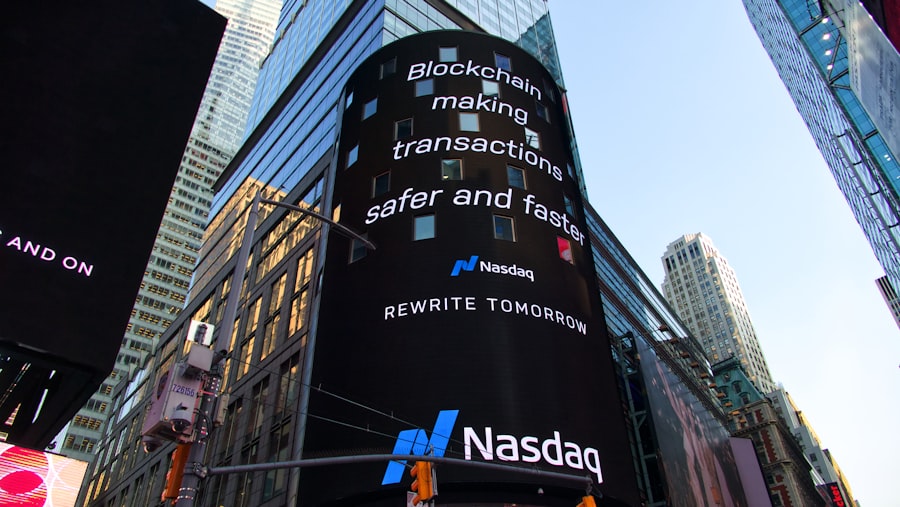
Blockchain technology offers a promising solution for enhancing transparency in ethical supply chains. By providing an immutable record of transactions, blockchain enables companies to trace the journey of products from raw materials to end consumers. This traceability allows businesses to verify claims about ethical sourcing and labor practices at each stage of production. For instance, a company can use blockchain to confirm that its cotton is sourced from farms that adhere to fair labor standards or that its minerals are conflict-free.
Moreover, blockchain facilitates real-time monitoring of supply chain activities. Smart contracts—self-executing contracts with the terms directly written into code—can automate compliance checks and trigger alerts when certain conditions are not met. This capability allows companies to respond quickly to potential issues, such as labor violations or environmental concerns. By leveraging blockchain technology, organizations can build trust with consumers by providing verifiable evidence of their commitment to ethical practices.
In exploring the impact of blockchain technology on ethical supply chains, it is also valuable to consider how enterprise resource planning systems can enhance transparency and efficiency. A related article discusses the integration of ERP systems with blockchain to streamline operations and ensure compliance with ethical standards. For more insights on this topic, you can read about it in this informative piece on ERP subscription services. This connection highlights the importance of leveraging multiple technologies to create a more responsible and traceable supply chain.
Benefits of Using Blockchain for Ethical Supply Chains
| Metric | Description | Impact of Blockchain | Example Use Case |
|---|---|---|---|
| Traceability | Ability to track product origin and journey through the supply chain | Immutable ledger ensures transparent and tamper-proof records | Tracking conflict-free minerals from mine to manufacturer |
| Verification Time | Time taken to verify ethical compliance of suppliers | Smart contracts automate verification, reducing time from weeks to hours | Automated certification of fair labor practices |
| Data Transparency | Level of visibility into supply chain data for stakeholders | Decentralized data access increases transparency and trust | Public access to sustainability reports of product batches |
| Fraud Reduction | Incidence of counterfeit or unethical product claims | Blockchain’s immutability reduces fraud and false claims | Preventing counterfeit organic certifications |
| Cost Efficiency | Costs associated with auditing and compliance checks | Reduced need for intermediaries lowers auditing costs | Lower compliance costs in apparel supply chains |
| Stakeholder Engagement | Level of participation from suppliers, consumers, and regulators | Shared ledger encourages collaboration and accountability | Multi-party verification of ethical sourcing in food industry |
The adoption of blockchain in ethical supply chains presents several advantages. First and foremost, it enhances transparency by providing a clear and accessible record of all transactions. This level of visibility allows consumers to make informed choices about the products they purchase, fostering greater accountability among companies. Additionally, blockchain can help reduce the risk of fraud and misrepresentation by ensuring that all claims made by suppliers are backed by verifiable data.
Another significant benefit is the potential for improved efficiency in supply chain operations. By automating processes through smart contracts and reducing reliance on intermediaries, companies can streamline their operations and lower costs. This efficiency can lead to faster response times and improved collaboration among supply chain partners. Furthermore, the use of blockchain can enhance data security, as the decentralized nature of the technology makes it more resistant to hacking and unauthorized access.
In exploring the significance of blockchain technology in ensuring ethical supply chains, it is also worthwhile to consider the broader implications of digital innovations in various sectors. A related article discusses the ambitious multimedia efforts of The Verge, which aims to highlight the intersection of technology and culture. This piece delves into how advancements in technology, including blockchain, are reshaping industries and influencing consumer behavior. For more insights, you can read the article here.
Case Studies of Successful Implementation
Several companies have successfully implemented blockchain technology to enhance the ethicality of their supply chains. One notable example is Walmart’s use of blockchain for tracking food products. In collaboration with IBM, Walmart developed a blockchain-based system that allows for real-time tracking of food items from farm to store shelves. This initiative not only improves food safety by enabling rapid response to contamination issues but also enhances transparency regarding sourcing practices.
Another example is Everledger, a startup focused on creating a digital ledger for diamonds. By using blockchain technology, Everledger aims to combat conflict diamonds by providing a transparent history of each diamond’s journey from mine to market. This traceability helps ensure that consumers can make ethical purchasing decisions while also supporting responsible mining practices.
Challenges and Limitations of Blockchain in Ethical Supply Chains
Despite its potential benefits, the implementation of blockchain in ethical supply chains is not without challenges. One significant limitation is the need for widespread adoption among all stakeholders in the supply chain. For blockchain to be effective, all parties must agree to participate and share data on a common platform. This requirement can be difficult to achieve, particularly in industries with numerous suppliers and varying levels of technological sophistication.
Additionally, there are concerns regarding data privacy and security. While blockchain is designed to be secure, the sharing of sensitive information among multiple parties raises questions about who has access to what data. Companies must navigate these privacy concerns while still providing sufficient transparency to meet consumer demands for ethical sourcing information. Furthermore, the energy consumption associated with some blockchain networks has raised environmental concerns that could undermine the sustainability goals of ethical supply chains.
The Future of Blockchain in Ethical Supply Chains
Looking ahead, the future of blockchain in ethical supply chains appears promising but will require ongoing collaboration among stakeholders. As awareness of ethical sourcing continues to grow, companies may increasingly turn to blockchain as a means of demonstrating their commitment to responsible practices. Innovations in technology may also lead to more efficient and user-friendly blockchain solutions that can facilitate broader adoption across industries.
Moreover, regulatory frameworks may evolve to support the integration of blockchain into supply chain management. Governments and industry organizations could establish standards for data sharing and verification processes that enhance trust among consumers and businesses alike. As these developments unfold, blockchain has the potential to play a transformative role in shaping more ethical and transparent supply chains worldwide.
In conclusion, while challenges remain in implementing blockchain technology within ethical supply chains, its potential benefits cannot be overlooked. By enhancing transparency, improving efficiency, and providing verifiable evidence of ethical practices, blockchain could significantly contribute to building trust between consumers and companies committed to responsible sourcing. As stakeholders continue to explore innovative solutions for ethical supply chains, blockchain stands out as a key player in this evolving landscape.
FAQs
What is blockchain technology?
Blockchain is a decentralized digital ledger that records transactions across multiple computers in a way that ensures the data is secure, transparent, and tamper-proof.
How does blockchain help verify ethical supply chains?
Blockchain provides an immutable record of every transaction and movement of goods, allowing companies and consumers to trace products back to their origins and verify that ethical standards were met throughout the supply chain.
What are the benefits of using blockchain for supply chain transparency?
Benefits include increased trust among stakeholders, reduced fraud and counterfeiting, improved accountability, and enhanced ability to ensure compliance with labor, environmental, and sourcing standards.
Can blockchain track the entire lifecycle of a product?
Yes, blockchain can record data at each stage of a product’s lifecycle—from raw material sourcing to manufacturing, distribution, and retail—providing a comprehensive and verifiable history.
Are there any challenges in implementing blockchain for ethical supply chains?
Challenges include the need for widespread adoption among supply chain participants, data accuracy and input reliability, integration with existing systems, and potential costs associated with technology deployment.