

The advent of virtual reality (VR) technology has revolutionized the way we interact with digital environments, offering immersive experiences that were once confined to the realm of science fiction.
This data encompasses a wide range of metrics, including heart rate, facial expressions, eye movement, and even brainwave activity.
As VR continues to evolve, the integration of biometric data is becoming increasingly significant, enabling developers to create personalized experiences that resonate with users on a deeper level. Biometric data serves as a bridge between the physical and virtual worlds, allowing for a more nuanced understanding of user behavior and preferences. By capturing real-time physiological responses, VR systems can adapt and respond to users in ways that enhance engagement and immersion.
For instance, a VR game might adjust its difficulty based on a player’s heart rate or modify the narrative based on their emotional reactions. This dynamic interaction not only enriches the user experience but also opens up new avenues for storytelling and gameplay design, making VR a more compelling medium for entertainment, education, and training.
Key Takeaways
- Biometric data plays a crucial role in personalizing and enhancing immersion in VR experiences.
- Understanding and ethically managing biometric data is essential to protect user privacy.
- Biometric feedback can significantly boost user engagement by adapting VR content in real-time.
- Successful case studies demonstrate the practical benefits of integrating biometric data in VR applications.
- Future VR personalization will increasingly rely on sophisticated biometric data analysis for tailored experiences.
Understanding Biometric Data and its Role in Personalization
Biometric data encompasses various forms of information that can be collected through sensors and devices. In the context of VR, this data can include physiological metrics such as heart rate variability, galvanic skin response, and pupil dilation, as well as behavioral indicators like gaze direction and body posture. Each of these metrics provides valuable insights into a user’s emotional state, cognitive load, and overall engagement level.
By analyzing this data, developers can tailor VR experiences to meet individual needs and preferences, creating a more personalized journey through virtual environments. For example, consider a VR meditation application that utilizes biometric data to enhance the user’s experience. By monitoring heart rate and breathing patterns, the application can adjust the ambient sounds and visuals in real-time to promote relaxation or focus.
If the user’s heart rate indicates stress or anxiety, the system might introduce calming visuals or soothing sounds to help guide them back to a state of tranquility. This level of personalization not only improves user satisfaction but also increases the likelihood of continued engagement with the application.
The Impact of Biometric Data on Immersion in VR Experiences
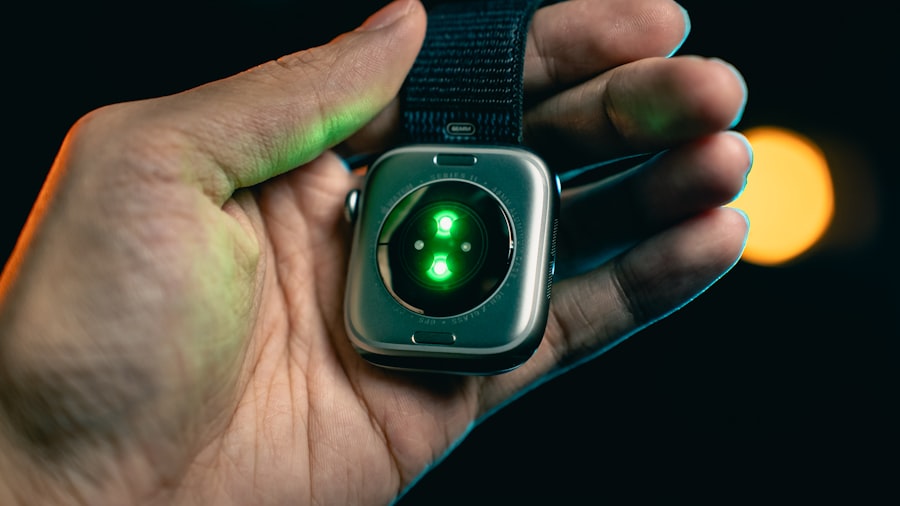
Immersion is a critical component of any VR experience, as it determines how deeply users feel connected to the virtual environment. Biometric data plays a pivotal role in enhancing this sense of immersion by providing feedback that can be used to modify the experience in real-time. For instance, if a user exhibits signs of fear or discomfort—such as increased heart rate or sweating—the VR system can respond by altering the environment or narrative to alleviate those feelings.
This adaptive approach creates a more engaging experience that feels responsive to the user’s emotional state. Moreover, biometric data can be leveraged to create more realistic interactions within VR environments. For example, facial recognition technology can analyze a user’s expressions and translate them into corresponding reactions from virtual characters.
If a user smiles or frowns, their avatar or nearby NPCs (non-player characters) can respond accordingly, fostering a sense of connection and realism. This level of interactivity not only enhances immersion but also encourages users to invest emotionally in their virtual experiences, making them more memorable and impactful.
The Ethical and Privacy Considerations of Biometric Data in VR
As the use of biometric data in VR becomes more prevalent, ethical and privacy concerns emerge as critical issues that must be addressed. The collection and analysis of sensitive personal information raise questions about consent, data security, and potential misuse. Users may be unaware of how their biometric data is being collected or how it will be used, leading to potential breaches of trust between developers and consumers.
It is essential for companies to establish transparent policies regarding data collection practices and ensure that users have control over their information. Furthermore, there is the risk of discrimination based on biometric data. For instance, if certain physiological responses are interpreted as indicators of a user’s capabilities or preferences, it could lead to biased experiences that reinforce stereotypes or limit opportunities for certain individuals.
Developers must be vigilant in ensuring that their algorithms are fair and inclusive, taking care not to inadvertently marginalize users based on their biometric profiles. Establishing ethical guidelines for the use of biometric data in VR is crucial for fostering trust and ensuring that these technologies are used responsibly.
How Biometric Data Can Enhance User Engagement in VR
| Metric | Description | Impact on VR Personalization | Example Use Case |
|---|---|---|---|
| Heart Rate Variability (HRV) | Measures the variation in time between heartbeats | Adjusts VR content intensity based on user stress or relaxation levels | Calming VR meditation environments that adapt to user stress |
| Eye Tracking Data | Tracks gaze direction and focus duration | Personalizes visual elements and interaction based on user attention | Dynamic scene adjustments in VR games based on where the user looks |
| Galvanic Skin Response (GSR) | Measures skin conductivity related to emotional arousal | Modifies VR scenarios to enhance emotional engagement | Horror VR experiences that intensify based on user fear levels |
| Facial Expression Recognition | Analyzes facial muscle movements to detect emotions | Customizes NPC interactions and storylines based on user mood | Adaptive storytelling in VR where characters respond to user emotions |
| Brainwave Monitoring (EEG) | Records electrical activity of the brain | Enables real-time adaptation of VR content to cognitive states | Focus-enhancing VR training programs that adjust difficulty |
User engagement is a key metric for the success of any VR application, as it directly impacts retention rates and overall satisfaction. Biometric data can significantly enhance user engagement by creating experiences that are not only personalized but also responsive to individual needs. By leveraging real-time physiological feedback, developers can design experiences that adapt dynamically to maintain user interest and motivation.
For instance, in a VR fitness application, biometric data such as heart rate can be used to tailor workout intensity based on individual performance levels. If a user’s heart rate indicates they are not being challenged enough, the system can automatically increase the difficulty of exercises or introduce new challenges to keep them engaged. Conversely, if the user’s heart rate suggests they are nearing exhaustion, the application can adjust the workout to prevent injury and promote safety.
This level of customization fosters a sense of achievement and encourages users to return for more sessions.
The Future of Biometric Data in Personalizing VR Experiences

The future of biometric data in VR holds immense potential for further enhancing personalization and user experience. As technology continues to advance, we can expect more sophisticated sensors and algorithms capable of capturing an even broader range of biometric metrics. For example, advancements in neurotechnology may allow for direct monitoring of brain activity, enabling developers to create experiences that respond not only to physical states but also to cognitive processes.
Moreover, as machine learning techniques become more refined, the ability to analyze biometric data will improve significantly. This could lead to predictive models that anticipate user needs based on historical data patterns. Imagine a VR environment that learns from previous interactions and adapts its content accordingly—offering tailored narratives or challenges based on what has previously engaged the user most effectively.
Such advancements could transform VR into an even more personalized medium that evolves alongside its users.
Case Studies: Successful Implementation of Biometric Data in VR
Several companies have already begun exploring the integration of biometric data into their VR offerings with notable success. One prominent example is Oculus’s “Oculus Quest,” which incorporates eye-tracking technology to enhance user interaction within virtual environments. By analyzing where users are looking, developers can create more intuitive interfaces and interactions that feel natural and fluid.
This technology not only improves usability but also allows for more immersive storytelling by directing users’ attention toward key elements within the virtual space. Another compelling case study is found in the realm of therapeutic applications for VR. Companies like Limbix have developed VR platforms designed for exposure therapy in treating anxiety disorders.
By utilizing biometric feedback such as heart rate variability during exposure sessions, therapists can monitor patients’ responses in real-time and adjust scenarios accordingly. This tailored approach not only enhances therapeutic outcomes but also empowers patients by providing them with a sense of control over their treatment process.
Tips for Utilizing Biometric Data to Personalize VR Experiences
To effectively harness biometric data for personalizing VR experiences, developers should consider several best practices. First and foremost is ensuring user consent; transparency about what data is being collected and how it will be used is essential for building trust with users. Providing clear opt-in options allows users to feel empowered regarding their privacy while still benefiting from personalized experiences.
Additionally, developers should focus on creating adaptive algorithms that can learn from user interactions over time. Implementing machine learning techniques can help refine personalization efforts based on individual preferences and behaviors. Regularly updating these algorithms based on user feedback will ensure that experiences remain relevant and engaging.
Finally, it is crucial to prioritize inclusivity when designing experiences based on biometric data. Developers should consider diverse user profiles and ensure that their systems do not inadvertently discriminate against certain groups based on physiological responses. By adopting an inclusive approach from the outset, developers can create richer experiences that resonate with a broader audience while fostering a sense of belonging within virtual spaces.
In conclusion, the integration of biometric data into virtual reality represents a significant leap forward in creating personalized and immersive experiences. As technology continues to evolve, so too will our understanding of how best to leverage this data ethically and effectively for enhanced user engagement and satisfaction.
In exploring the innovative ways biometric data can enhance virtual reality experiences, it’s interesting to consider how technology is evolving across various domains. For instance, the article on the best laptops for kids in 2023 highlights the importance of selecting devices that can support immersive educational tools, which often utilize VR technology.
</h4>
</a>
</section>
</nav>
</article>
</div><!-- end content -->
</div><!-- end primary -->
<aside class="aux-sidebar aux-sidebar-primary">
<div class="sidebar-inner">
<div class="sidebar-content">
<div class="aux-widget-area"><section id="block-4" class=" aux-open widget-container widget_block">
<h2 class="wp-block-heading">POPULAR</h2>
</section><section id="block-33" class=" aux-open widget-container widget_block">
<h2 class="wp-block-heading">CATEGORIES</h2>
</section><section id="categories-3" class=" aux-open widget-container widget_categories"><h3 class="widget-title">Categories</h3>
<ul>
<li class="cat-item cat-item-162"><a href="https://enicomp.com/category/5g-wireless-communication-technologies/">5G, Wireless & Communication Technologies</a> (177)
<ul class=)