

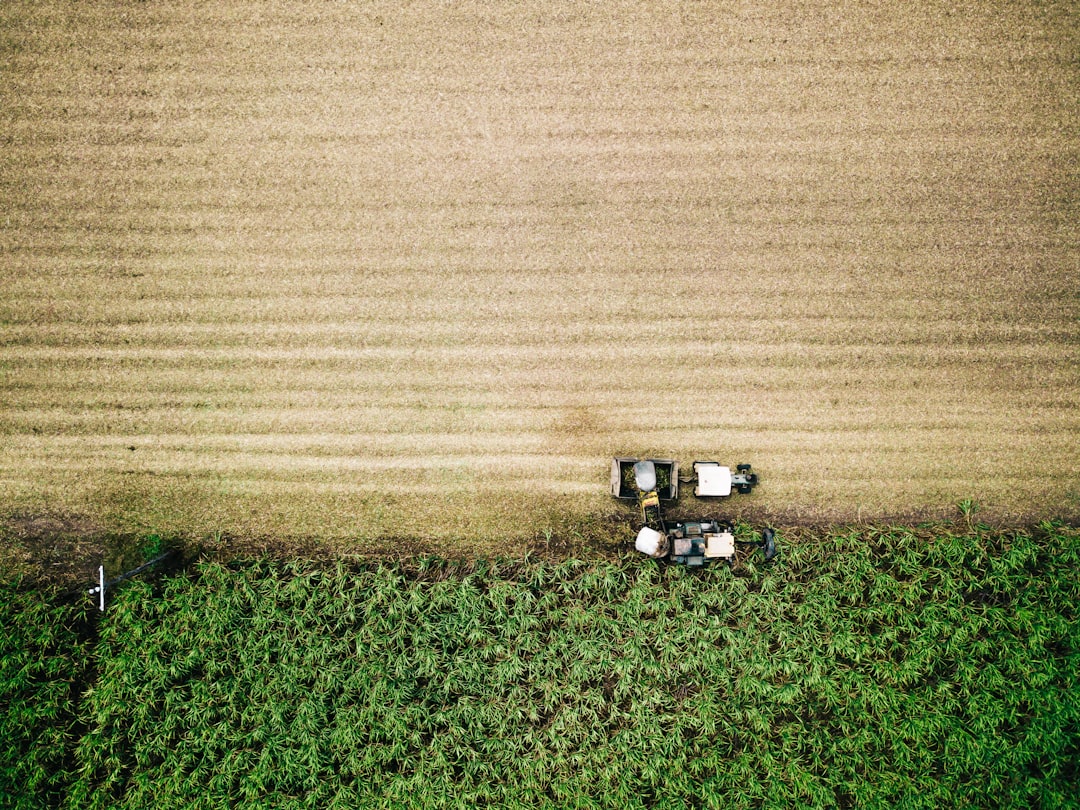
Okay, let’s talk about Augmented Reality (AR) and how it’s shaping up in smart agriculture, specifically for crop monitoring. To put it simply, AR allows farmers to overlay digital information onto their real-world view of fields, helping them make more informed decisions about their crops. Instead of just looking at a plant, you might see its nutrient levels, estimated yield, or even potential disease risks displayed right there in front of you. It’s about bringing data directly into the field, literally. This isn’t science fiction anymore; various tools and applications are already out there or in advanced development, aiming to make crop management more efficient and precise.
One of the most straightforward applications of AR in crop monitoring is enhancing what farmers already do: looking at their plants. Manually inspecting large fields is time-consuming and often relies on a farmer’s experience, which, while valuable, can be inconsistent. AR tools aim to supplement this experience with real-time data.
Real-time Data Visualization in the Field
Imagine walking through a cornfield with AR glasses or using a tablet with an AR app. Instead of just seeing green stalks, you could see an overlay displaying information for specific plants or sections of the field. This could include things like:
- Nutrient Deficiency Alerts: The AR system, linked to soil sensors or satellite imagery, could highlight areas showing signs of nitrogen, phosphorus, or potassium deficiency. You’d see a visual indicator, perhaps a color change or an icon, directly on the plants or soil. This allows for targeted fertilization rather than broad application.
- Pest and Disease Hotspot Identification: Algorithms can analyze imagery (from drones, satellites, or even the device’s camera) to detect early signs of pest infestations or fungal diseases. The AR overlay would then pinpoint these affected areas, allowing for quick intervention before spread. This moves beyond general scouting to precise identification.
- Growth Stage Tracking: For specific crops, understanding the exact growth stage is crucial for timing irrigation, fertilizer application, and harvesting. AR could overlay data indicating the current growth stage of plants in a particular section, helping farmers adhere to optimal schedules.
This real-time visualization means fewer trips back to the farmhouse to check reports and maps. The relevant information is right there, where and when it’s needed most.
Contextual Information for Better Diagnosis
AR isn’t just about showing data; it’s about putting that data into context. When a farmer sees a discolored leaf, their experience tells them it might be a nutrient issue. AR can confirm that suspicion and provide further details.
- Historical Data Comparison: The AR system could display historical data for that specific plot, showing how a plant’s health or growth compares to previous weeks or even historical averages for that growing season. Is this discoloration normal for this stage, or is it a new development?
- Cross-referencing Environmental Factors: By integrating with weather stations and soil moisture sensors, AR can overlay current and past environmental conditions onto the field view. Is the low yield in a specific area due to a localized dry spot, or persistent strong winds? This helps in understanding the root causes of issues.
- Augmented Training and Knowledge Transfer: For new farmers or farm workers, AR can serve as an on-the-job training tool. Imagine an AR overlay identifying a particular weed and then providing information about effective herbicides or removal techniques directly on screen. This helps in knowledge transfer and standardizing best practices.
The power here is in combining what the farmer sees with what the data knows, creating a richer, more informed perception of the field.
In exploring the transformative impact of augmented reality (AR) in smart agriculture, particularly for crop monitoring, it’s essential to consider the technological requirements that support such innovations. A related article that provides insights into selecting the right computing equipment for students, which can also be beneficial for agricultural professionals looking to integrate AR into their practices, can be found here: How to Choose a PC for Students. This resource highlights the key specifications and features that can enhance the use of AR applications in various fields, including agriculture.
Streamlining Precision Spraying and Irrigation
Precision agriculture aims to apply resources exactly where and when they are needed. AR has a significant role to play in making these precision applications more accurate and less wasteful.
Guiding Manual Application Efforts
While large-scale farms often use automated machinery for spraying, many smaller farms or specific tasks still rely on manual application. AR can bring a new level of precision to these efforts.
- Targeted Spot Spraying: An AR overlay could highlight individual weeds or specific pest-affected plants, guiding a farmer or worker to precisely spray only those targets. This significantly reduces herbicide or pesticide use across the entire field. Think of it as a digital aiming reticle for your sprayer.
- Variable Rate Fertilizer Application (Manual): For specific, localized nutrient deficiencies identified by sensors or drone imagery, AR can guide a worker to apply a precise amount of fertilizer only to the flagged areas. This avoids over-fertilizing healthy sections and under-fertilizing deficient ones when automated systems aren’t viable.
- Optimizing Irrigation Patterns: In areas with varying terrain or soil types, some spots might require more water than others. AR could visually indicate these zones, guiding manual irrigation efforts to ensure even water distribution without runoff or waste. This could be particularly useful for small-scale, drip irrigation systems or hand watering.
This direct visual feedback helps ensure that expensive inputs are used efficiently, reducing costs and environmental impact.
Integrating with Autonomous Systems
Even with autonomous tractors and sprayers, AR can play a role in monitoring, oversight, and calibration.
- Real-time Task Verification: An operator observing an autonomous sprayer through an AR interface could see the planned spray path overlaid on the actual operation. This allows for immediate identification of any deviations or missed spots, ensuring the autonomous system is performing as intended.
- Sensor Calibration and Diagnostics: If a sensor on an autonomous sprayer is malfunctioning, AR could overlay diagnostic information directly onto the physical sensor unit, guiding a technician through troubleshooting steps or displaying performance metrics.
- Virtual “Pilot” View: For critical operations, an AR interface could provide a virtual cockpit experience for an autonomous vehicle, allowing an off-site operator to “see” what the machine sees, along with all its operational data, without physically being in the field.
This integration means autonomous systems are not just working, but are working optimally and accountably.
Data Integration and Visualization for Decision Making
AR’s power comes from its ability to pull together disparate data sources and present them in an intuitive, visual way, aiding in complex decision-making processes.
Consolidating Diverse Data Streams
Modern agriculture generates a vast amount of data from various sources. AR provides a platform to bring this together.
- Sensor Network Integration: Data from soil moisture sensors, temperature probes, nutrient sensors, and even insect traps can be streamed into the AR system. When a farmer views a specific part of the field, the AR overlay could display the real-time sensor readings for that exact location.
- Drone and Satellite Imagery Overlays: High-resolution imagery can be invaluable for identifying crop stress, mapping yield variations, or tracking growth. AR can overlay these spectral maps directly onto the field view, allowing farmers to walk “within” the data. Imagine seeing a NDVI (Normalized Difference Vegetation Index) map projected onto the actual plants.
- Weather and Forecast Integration: Current and forecast weather conditions, such as rainfall probabilities or wind speeds, can be integrated. An AR system could highlight areas susceptible to wind damage or suggest optimal spray times based on low wind conditions, directly in the field.
This aggregation of data, displayed meaningfully, turns raw numbers into actionable insights.
Predictive Analytics and Projections
Beyond current data, AR can be used to visualize predictive models and future scenarios.
- Yield Estimation Overlays: Based on growth models, current plant health, and historical data, AR could display estimated yield projections for different sections of the field. This helps in harvest planning and forecasting.
- Disease Spread Modeling: If a disease is detected, AR could visualize potential spread patterns based on environmental factors and historical data, helping farmers implement containment strategies. This moves beyond reaction to proactive prevention.
- Resource Allocation Scenarios: Farmers could use AR to visualize the potential impact of different resource allocation strategies. For example, if they apply more water to one section, how might that affect yield projections compared to another strategy? This helps in optimizing inputs before they are even applied.
These predictive overlays empower farmers to think strategically and make more proactive decisions rather than simply reacting to problems as they arise.
Improving Harvest Management and Quality Control
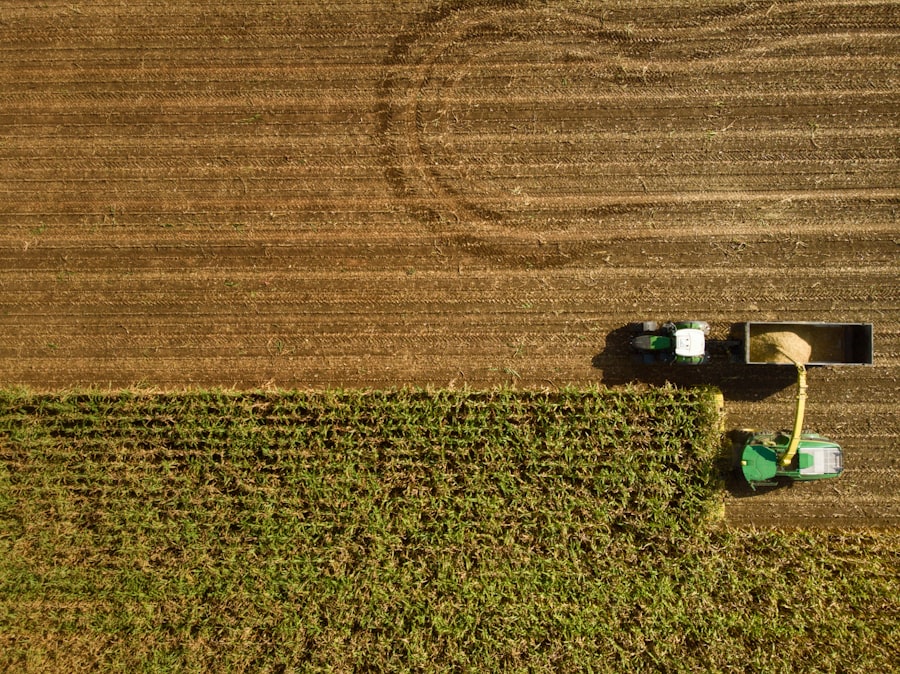
The end goal of crop monitoring is a successful harvest. AR can continue to play a role in optimizing this crucial stage and ensuring quality.
Optimizing Harvest Operations
Even during harvest, AR can provide valuable operational guidance.
- Yield Mapping and Route Optimization: As combines move through the field, AR could display real-time yield maps being generated. For hand-picked crops, AR could guide pickers to the ripest sections based on maturity sensors or imaging, optimizing their routes and ensuring efficient picking.
- Machine Performance Monitoring: Operators in combines or other harvesting machinery could use AR to see overlays of machine performance data, such as grain loss rates, engine diagnostics, or even real-time quality metrics of the harvested crop, directly on their view of the field.
- Identifying Difficult Harvest Areas: AR could highlight areas with lodged crops, excessive weeds, or other obstacles that might impede machinery or reduce harvest efficiency, allowing operators to approach them with caution or adjust settings.
This real-time feedback helps minimize losses, maximize efficiency, and ensure a smoother harvest.
Post-Harvest Quality Assessment
Quality control doesn’t stop once the crop is off the field. AR can assist in initial assessments.
- Sampling Guidance: For crops that require sampling for quality checks (e.g., sugar content in grapes, moisture in grains), AR could guide workers to optimal sampling locations based on field variability data.
- Quick Damage Assessment: In storage, AR could be used for initial visual checks of produce. For example, by overlaying temperature and humidity data for storage bins, or even highlighting areas prone to spoilage based on thermal imaging.
- Traceability Information: Scanning a bin or pallet with an AR device could instantly display its origin, specific field plot, harvest date, and any treatments applied, enhancing traceability and food safety.
This continues the data-driven approach right through to the storage and initial quality assessment phases.
In exploring the advancements in smart agriculture, a fascinating article discusses the integration of augmented reality in crop monitoring, highlighting its potential to revolutionize farming practices. For those interested in understanding how technology is reshaping agricultural landscapes, you can read more about it in this insightful piece. Additionally, you might find the article on How-To Geek particularly informative, as it delves into various technological innovations that are influencing modern farming techniques.
Challenges and Future Outlook
| Metrics | Value |
|---|---|
| Crop health monitoring | Improved accuracy |
| Yield prediction | Increased efficiency |
| Resource management | Optimized usage |
| Pest detection | Early identification |
While AR presents exciting possibilities, it’s essential to acknowledge the hurdles and look at the potential trajectory of this technology in agriculture. It’s not a silver bullet, but a tool within a larger ecosystem.
Current Obstacles and Limitations
Adopting any new technology comes with its own set of challenges, and AR in agriculture is no different.
- Cost of Hardware and Software: High-quality AR glasses or ruggedized tablets capable of prolonged outdoor use can be expensive. The specialized software required also comes with development and licensing costs, making it a significant investment for many farms.
- Connectivity and Infrastructure: AR relies heavily on data streaming and processing. In many rural agricultural areas, reliable high-speed internet or even basic cellular connectivity can be spotty or non-existent, limiting the real-time capabilities. Edge computing solutions can help, but they add complexity.
- Accuracy and Reliability of Data: The effectiveness of AR depends entirely on the accuracy and reliability of the underlying sensor data, drone imagery, and predictive models. If the input data is flawed, the AR overlay will simply be displaying incorrect information, leading to poor decisions.
- User Adoption and Training: Farmers and farm workers need to be comfortable using new technology. The interface must be intuitive, and training will be essential. There’s also the ergonomic factor of wearing AR glasses for extended periods in hot or dusty conditions.
- Durability and Environmental Factors: Agricultural environments are harsh. Devices need to be rugged, dustproof, waterproof, and handle extreme temperatures. Battery life is also a significant concern for all-day use.
These practical considerations need to be addressed for widespread adoption.
Future Developments and Potential Impact
Despite the challenges, the trajectory of AR technology is towards greater sophistication and accessibility.
- Improved Sensor Integration and Miniaturization: As sensors become smaller, cheaper, and more robust, the data streams feeding AR systems will become richer and more localized. Imagine micro-sensors embedded directly in plants reporting health data.
- AI and Machine Learning Advancements: The algorithms that process imagery, detect diseases, and predict outcomes will become more powerful and accurate, making AR overlays even more intelligent and reliable. Deep learning will enable more nuanced pattern recognition.
- More Affordable and User-Friendly Hardware: As AR hardware matures, costs are likely to decrease, and devices will become more comfortable, durable, and intuitive to use, much like smartphones have evolved.
- Standardization and Interoperability: A move towards standardized data formats and open platforms will allow different agricultural technologies to integrate more seamlessly with AR systems, reducing fragmentation.
- Broader Application Beyond Crop Monitoring: While this article focuses on crop monitoring, AR’s potential extends throughout the agricultural value chain, from livestock management to machinery maintenance and logistics.
Ultimately, AR is poised to become another important tool in the smart agriculture toolkit. It won’t replace the farmer’s intuition or hard work, but it offers a powerful way to augment human perception with data, leading to more sustainable, efficient, and productive farming operations. It’s about making smart farming more tangible and accessible, bringing the digital world directly into the physical field.
FAQs
What is AR (Augmented Reality) in the context of smart agriculture for crop monitoring?
AR (Augmented Reality) is a technology that superimposes computer-generated images and information onto the user’s view of the real world, providing a composite view. In the context of smart agriculture for crop monitoring, AR can be used to overlay real-time data and information about crops onto the farmer’s field of vision, allowing for more efficient and accurate monitoring.
How does AR contribute to crop monitoring in smart agriculture?
AR contributes to crop monitoring in smart agriculture by providing farmers with real-time data and information about their crops, such as growth patterns, moisture levels, and pest infestations. This allows farmers to make more informed decisions about irrigation, fertilization, and pest control, ultimately leading to higher crop yields and more sustainable farming practices.
What are the benefits of using AR for crop monitoring in smart agriculture?
The benefits of using AR for crop monitoring in smart agriculture include improved accuracy and efficiency in monitoring crop health, reduced resource usage through targeted interventions, and increased crop yields. Additionally, AR can enhance the overall farming experience by providing farmers with valuable insights and actionable information in real time.
What are some examples of AR applications for crop monitoring in smart agriculture?
Some examples of AR applications for crop monitoring in smart agriculture include using AR glasses or headsets to overlay real-time data and information about crop health onto the farmer’s field of vision, as well as using AR-enabled mobile devices to access and analyze crop data in the field. These applications can help farmers make more informed decisions and take timely actions to optimize crop production.
What are the challenges and limitations of using AR for crop monitoring in smart agriculture?
Challenges and limitations of using AR for crop monitoring in smart agriculture include the initial cost of implementing AR technology, the need for reliable connectivity in rural farming areas, and the potential learning curve for farmers to effectively use AR applications. Additionally, ensuring the accuracy and reliability of the data presented through AR technology is crucial for its successful implementation in crop monitoring.