

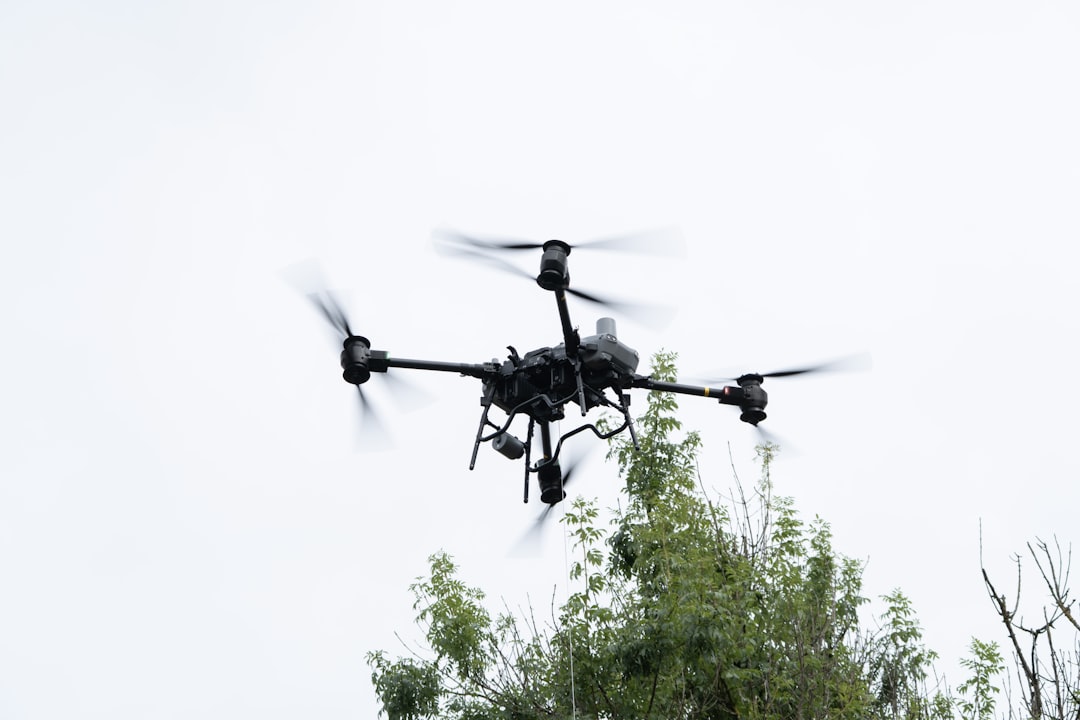
The world of getting things from point A to point B is changing, and you’re probably starting to see it in action. That hum you might hear instead of a rumbling diesel engine is the sound of sustainable logistics taking hold. This isn’t just a trend; it’s a practical shift driven by both environmental concerns and some very sensible business advantages. At its core, the rise of sustainable logistics boils down to two main things: switching to cleaner vehicles, especially electric fleets, and getting smarter about how we plan deliveries through route optimization.
The Electric Revolution on Our Roads
Gone are the days when electric vehicles were a niche curiosity for early adopters. They’re rapidly becoming a serious contender in the commercial fleet space, and for good reason. Companies are realizing that while the upfront cost can be a consideration, the long-term benefits are hard to ignore.
Why Go Electric for Commercial Fleets?
The most obvious reason is environmental. Electric vehicles produce zero tailpipe emissions, which directly impacts air quality in urban areas. This isn’t just about feeling good; it’s about complying with increasingly stringent regulations and meeting consumer expectations for eco-friendly practices.
- Reduced Emissions: This is the headline advantage. Less pollution means healthier cities and a smaller carbon footprint for businesses.
- Lower Operating Costs: Electricity is generally cheaper per mile than diesel or gasoline. This can lead to significant savings over the lifetime of a vehicle.
- Less Maintenance: Electric vehicles have fewer moving parts than their internal combustion engine counterparts. No oil changes, no spark plugs, fewer brake replacements due to regenerative braking. This translates to less downtime and lower maintenance bills.
- Quieter Operation: This might seem minor, but for delivery operations in residential areas or at night, reduced noise pollution is a tangible benefit.
The Challenges and How They’re Being Addressed
It’s not all smooth sailing, of course. The initial investment for electric trucks and vans can be higher. Battery technology is constantly improving, but range anxiety – the fear of running out of charge – is still a concern for some longer routes or heavier loads.
- Charging Infrastructure: Building out a robust charging network is crucial. This includes depot charging, public charging stations, and ensuring sufficient power supply. Many companies are investing in their own on-site charging solutions.
- Battery Life and Replacement: While batteries are designed to last for years, eventual replacement is a cost to factor in. The good news is that battery prices are decreasing, and recycling programs are becoming more sophisticated.
- Payload and Range Limitations: For very heavy-duty or extremely long-haul applications, current electric vehicle technology might still have limitations compared to diesel. However, this is rapidly changing with advancements in battery density and motor efficiency.
In exploring the advancements in sustainable logistics, particularly through the implementation of electric fleets and route optimization, it’s interesting to consider how technology is reshaping various industries. A related article that delves into the impact of innovative technology on consumer products is available at The Top 5 Smartwatches of 2023. This piece highlights how smartwatches are integrating eco-friendly features and advanced functionalities, reflecting a broader trend towards sustainability in technology.
Route Optimization: The Smart Way to Move Goods
Switching to electric vehicles is one piece of the puzzle. The other, equally important, part is making sure those vehicles are running as efficiently as possible. This is where route optimization software comes in. It’s all about intelligent planning to reduce unnecessary miles, time, and fuel – or in the case of EVs, electricity.
How Does Route Optimization Actually Work?
Think of it as a super-powered GPS for your entire fleet. Instead of manually plotting each stop, sophisticated algorithms take a multitude of factors into account to create the most efficient sequence of deliveries.
- Real-Time Data: Modern systems integrate live traffic conditions, road closures, and even weather forecasts to dynamically adjust routes. This means a plan made at the start of the day can be updated on the fly to avoid unexpected delays.
- Multiple Constraints: Route optimization isn’t just about the shortest distance. It considers delivery time windows, vehicle capacity, driver availability, and even driver preferences or fatigue levels.
- Customer Service Improvement: By providing more accurate estimated times of arrival (ETAs) and ensuring punctual deliveries, businesses can significantly boost customer satisfaction.
The Tangible Benefits for Businesses
The impact of effective route optimization goes beyond just saving a few minutes here and there. It can fundamentally change operational efficiency.
- Reduced Mileage: Fewer miles driven means less wear and tear on vehicles (whether electric or not), lower fuel or electricity costs, and less time spent by drivers on the road.
- Increased Deliveries per Day: By shaving off idle time and inefficient travel, drivers can complete more deliveries within their working hours.
- Lower Emissions (Even with ICE Vehicles): While most impactful with electric fleets, any reduction in mileage for traditional fuel vehicles directly translates to lower emissions and fuel consumption.
- Improved Workforce Management: Knowing exactly where drivers are and when they’re expected to complete tasks allows for better planning, scheduling, and even safety monitoring.
The Synergy: Electric Fleets Meet Route Optimization
The real magic happens when these two trends converge. Electric vehicles and route optimization are not siloed solutions; they enhance each other significantly.
Maximizing the Electric Advantage
Route optimization ensures that electric vehicles are used to their fullest potential. By minimizing mileage and avoiding unnecessary stops, the range of an electric vehicle is extended, and charging is planned more strategically.
- Strategic Charging Stops: If a long route is unavoidable, optimization software can factor in charging needs, identifying the best and most efficient places to power up without disrupting the delivery schedule.
- Preventing Range Anxiety: By planning routes to accommodate battery capacity and charging availability, businesses can alleviate driver concerns about running out of power.
- Optimizing Regenerative Braking: Shorter, more direct routes with fewer sudden stops and starts can sometimes be less conducive to maximizing regenerative braking benefits. Route optimization can help balance efficiency with the opportunities for the EV system to recoup energy.
Enhancing Operational Efficiency
When you combine the inherent cost and environmental benefits of electric vehicles with the precision of optimized routes, you get a powerful recipe for business success.
- Cost Savings Amplified: Reduced mileage from optimization plus lower per-mile energy costs from EVs equals substantial savings on operational expenses.
- Service Levels Elevated: Punctual and reliable deliveries, a hallmark of optimized routes, become even more appealing when they’re also environmentally conscious thanks to electric fleets.
- Data-Driven Decision Making: The data generated by route optimization software, combined with vehicle telematics from electric fleets, provides invaluable insights for continuous improvement and strategic planning.
Real-World Impacts and Case Studies
The theoretical benefits are impressive, but what does this look like in practice? Many companies are already seeing the advantages.
Early Adopters and Their Results
Companies that have embraced electric fleets and route optimization are reporting significant improvements across key performance indicators.
- Reduced Fuel/Electricity Bills: Many businesses have seen a substantial reduction, often in the tens of thousands of dollars annually, in their energy costs.
- Lower Carbon Footprints: Quantifiable reductions in CO2 emissions are becoming standard reporting metrics for these companies.
- Increased Driver Satisfaction: Less time spent on the road and more predictability in schedules can lead to happier, more engaged drivers.
The Growing Industry Momentum
It’s not just large corporations. Small and medium-sized businesses are also finding ways to integrate these sustainable practices. The availability of smaller electric vans and more accessible route planning software is making it easier for a wider range of businesses to participate.
- Government Incentives and Support: Many regions offer tax credits, grants, and subsidies for purchasing electric vehicles and installing charging infrastructure, lowering the barrier to entry.
- Technological Advancements: As battery technology, vehicle range, and charging speeds improve, the practicality of electric fleets for a broader spectrum of logistics operations increases.
In exploring the advancements in sustainable logistics, one can also consider the broader implications of digital transformation in various industries. A related article discusses the top trends in digital marketing for 2023, highlighting how businesses are increasingly leveraging technology to enhance their operations and customer engagement. This shift not only impacts marketing strategies but also plays a crucial role in optimizing logistics and supply chain management. For more insights on this topic, you can read the article here.
Looking Ahead: The Future of Sustainable Logistics
The trajectory is clear: sustainable logistics is not a fad; it’s the future. The combination of cleaner vehicles and smarter planning is set to redefine how goods are transported.
Continuous Innovation in Technology
Expect further advancements to make electric fleets even more viable for all types of commercial use.
- Next-Generation Batteries: Solid-state batteries and other innovations promise greater energy density, faster charging, and longer lifespans.
- Autonomous Driving and Electrification: The integration of autonomous technologies with electric powertrains could lead to even more efficient and potentially safer logistics operations in the future.
- Enhanced Predictive Analytics: Route optimization software will become even more sophisticated, incorporating more variables and learning from historical data to predict potential disruptions before they occur.
A More Efficient and Cleaner Supply Chain
The ultimate goal is a robust, efficient, and environmentally responsible supply chain.
- Reduced Congestion: Optimized routes and potentially smaller, more agile electric vehicles could contribute to less traffic in urban centers.
- Circular Economy Integration: Sustainable logistics will play a key role in enabling efficient reverse logistics for product returns and material recycling, supporting a more circular economy.
- Meeting Evolving Consumer Demands: As consumers become more aware of the environmental impact of their purchases, businesses that demonstrate sustainable practices will likely gain a competitive advantage.
FAQs
What is sustainable logistics?
Sustainable logistics refers to the transportation and distribution of goods in an environmentally and socially responsible manner. This includes reducing carbon emissions, minimizing waste, and optimizing routes to decrease fuel consumption.
What are electric fleets in the context of sustainable logistics?
Electric fleets are a collection of vehicles, such as trucks and vans, that are powered by electric motors instead of traditional internal combustion engines. These vehicles produce zero tailpipe emissions, reducing the environmental impact of logistics operations.
How does route optimization contribute to sustainable logistics?
Route optimization involves using technology to plan the most efficient and environmentally friendly delivery routes. By minimizing distance traveled and reducing idle time, route optimization helps to lower fuel consumption and emissions, making logistics operations more sustainable.
What are the benefits of sustainable logistics for businesses?
Implementing sustainable logistics practices can lead to cost savings through reduced fuel consumption and maintenance costs. It can also improve a company’s reputation and appeal to environmentally conscious consumers, leading to potential business growth and customer loyalty.
What are some examples of companies embracing sustainable logistics?
Several major companies, such as Amazon, UPS, and DHL, have committed to integrating electric vehicles into their fleets and implementing route optimization technologies. Additionally, many smaller logistics companies are also adopting sustainable practices to reduce their environmental impact.