

You’ve probably seen the headlines and maybe even downloaded a few: apps that promise to make your life more sustainable. But are these tools more than just a passing trend? The short answer is yes, the rise of sustainable consumption apps and tools is a significant shift, offering practical ways for everyday people to make more environmentally conscious choices.
Think about it. We’re increasingly aware of our impact on the planet, from the carbon footprint of our food to the waste generated by our shopping habits. For a while, though, figuring out how to actually do better felt complicated. It required a lot of research, guesswork, and sometimes, a significant amount of effort. That’s where these apps and tools come in. They’re designed to cut through the complexity, providing clear information and actionable steps right at your fingertips. They’re not about grand, unattainable gestures; they’re about tweaking those everyday decisions we all make, but with a greener lens.
These digital assistants are evolving rapidly, becoming more sophisticated and integrated into our daily routines. They’re transforming how we shop, eat, travel, and even manage our homes. So, let’s dive into what’s driving this trend and how these tools are actually working in the real world.
It’s not just a bunch of tech companies suddenly getting starry-eyed about trees. There are concrete reasons why sustainable consumption apps are gaining traction. People genuinely want to make better choices, and the digital world is making it easier than ever before.
Growing Environmental Awareness
This is the obvious one, but it’s important to acknowledge the depth of it. News cycles are constant, and stories about climate change, pollution, and biodiversity loss are everywhere. This isn’t abstract anymore; it’s affecting local communities and distant ecosystems alike. As information becomes more accessible, so does the understanding of individual responsibility. People are moving from a passive awareness to an active desire to contribute to solutions.
The Desire for Personal Impact
Many people feel a sense of disempowerment when faced with the scale of global environmental challenges. Sustainable consumption apps offer a tangible way to feel like you’re making a difference. Even small behavioural changes, when aggregated across millions of users, can have a cumulative positive effect. This sense of agency is a powerful motivator.
Convenience and Accessibility
Let’s be honest, doing the research to be truly sustainable can be exhausting. When you’re at the grocery store, trying to decide between two products, you don’t have hours to dissect supply chains. Apps condense this information, offering quick insights without requiring a degree in environmental science. They fit into our existing digital habits, making it easy to incorporate sustainability into our already busy lives.
Influence of Social Norms and Peer Pressure
As more people adopt sustainable practices, it becomes a more normalized behavior. Seeing friends, family, or even influencers championing sustainable choices can create a positive feedback loop. Apps can facilitate this by allowing users to track their progress, share their achievements, and discover new sustainable options recommended by their network.
In the context of the growing trend towards sustainable consumption, it is interesting to explore how technology is reshaping our purchasing habits. A related article that delves into consumer electronics, particularly focusing on the best headphones of 2023, highlights the importance of sustainability in product design and manufacturing. You can read more about this topic in the article titled “The Best Headphones of 2023” at this link. This piece not only reviews top audio devices but also emphasizes eco-friendly practices that resonate with the principles of sustainable consumption.
Decoding the Digital Toolkit: What Kinds of Apps Are Out There?
The landscape of sustainable consumption tools is diverse, catering to different aspects of our lives. They’re not just about planting trees; they’re about making practical, everyday changes.
Food Footprint Trackers and Guides
These apps focus on what’s on our plates, a major area of environmental impact.
Diet-Specific Sustainability Scores
Some apps go deep into the carbon and water footprint of individual ingredients. They might offer recipes or meal plans that prioritize lower-impact foods. This can range from identifying the emissions associated with beef versus lentils to highlighting the water usage of almond milk compared to oat milk.
Local and Seasonal Eating Promoters
Finding out what’s in season and where it comes from is a powerful way to reduce food miles and support local economies. Apps that connect you to local farms, farmers’ markets, or provide seasonal produce guides are becoming increasingly popular.
Food Waste Reduction Tools
Reducing food waste is a huge win for sustainability. Apps might offer smart grocery list features, recipe ideas for leftovers, or connect users with surplus food from restaurants and stores.
Sustainable Shopping Assistants
Beyond the grocery aisle, these apps help us make smarter choices with our hard-earned cash.
Product and Brand Scoring Systems
Many apps provide ratings or scores for products and brands based on their environmental and ethical practices. This can include factors like fair labor, material sourcing, packaging, and overall company sustainability efforts. Think of it like a nutritional label, but for environmental impact.
Secondhand and Rental Platforms
The “buy less, use more” mantra is beautifully embodied by apps dedicated to the secondhand economy. Resale marketplaces for clothing, furniture, and electronics, as well as rental platforms for items you only need occasionally, are booming.
Sustainable Material Guides
For those who want to go deeper, apps might offer information on sustainable materials used in clothing, home goods, and electronics. This helps users understand the difference between organic cotton and conventional cotton, for example, or what constitutes recycled plastic.
Energy and Resource Management Apps
Controlling our home’s impact is another crucial area where technology can help.
Smart Home Device Integration
These apps connect with smart thermostats, plugs, and lighting systems to monitor and optimize energy usage. They can learn your habits and automatically adjust settings to save power when you’re away or when electricity is cheaper and greener.
Water Conservation Trackers
For homes with water meters, apps can help track usage, identify potential leaks, and provide tips for reducing water consumption. This is particularly relevant in drought-prone regions.
Waste Sorting and Recycling Guides
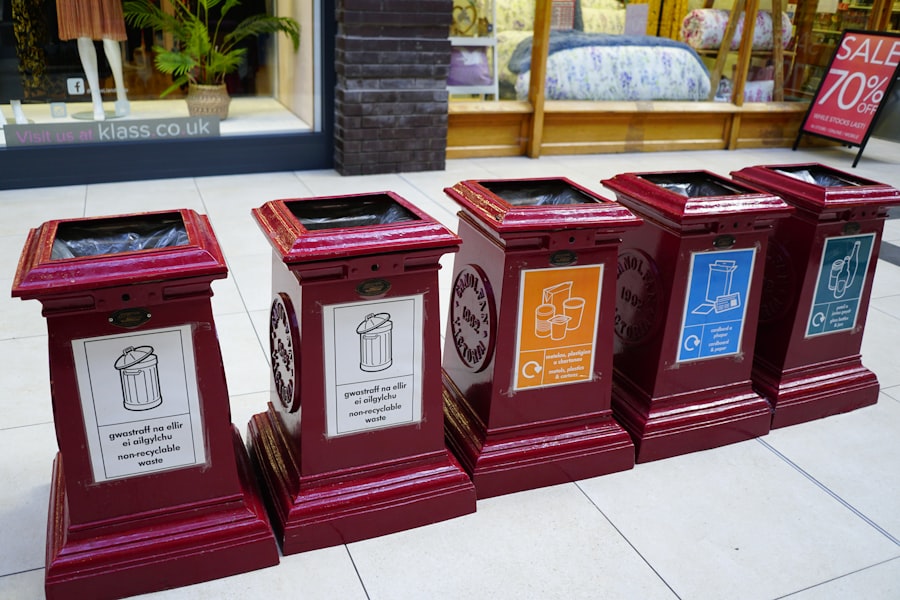
Navigating local recycling rules can be surprisingly complex. Apps can provide clear, location-specific guidance on what can and cannot be recycled, as well as information on proper disposal of hazardous waste.
Travel and Transportation Planners
Getting around has a significant environmental cost, and apps are offering alternatives.
Carbon Footprint Calculators for Journeys
Before you book a flight or plan a road trip, these apps can estimate the carbon emissions of your travel options. They can then suggest lower-impact alternatives like train travel or carpooling.
Public Transport and E-Scooter Navigators
Making public transport or shared mobility options more accessible and user-friendly is key to reducing reliance on private cars. These apps integrate schedules, routes, and availability for various modes of transport.
How These Tools Actually Work: The Practical Mechanics

It’s one thing to have an app, another to have it actually influence behavior. Here’s a look at the practical ways these tools foster sustainable consumption.
Data Aggregation and Analysis
At their core, many of these apps rely on collecting and analyzing data.
Behind-the-Scenes Databases
Information on product ingredients, company certifications, carbon emissions data, and local recycling guidelines is compiled from various sources. This can include government reports, academic research, industry certifications, and crowdsourced information.
Personalized Insights and Recommendations
By understanding your purchasing habits, dietary preferences, or travel patterns, these apps can offer tailored advice. Instead of a generic tip, you might get a recommendation for a specific sustainable brand that aligns with your values or a reminder about a local food cooperative.
User-Friendly Interfaces and Gamification
Making sustainability engaging is key to long-term adoption.
Visualizations and Progress Tracking
Seeing your impact visually can be very motivating. This might be represented through charts showing your reduced carbon footprint over time, virtual badges earned for sustainable actions, or a direct comparison of your choices against average consumption.
Challenges and Community Features
Many apps incorporate elements of gamification, like challenges to reduce meat consumption for a week or a month. Community forums or sharing features allow users to connect with like-minded individuals, share tips, and offer mutual encouragement.
Integration with Existing Services
The most effective apps seamlessly fit into our lives.
Shopping Cart Integration and Barcode Scanners
Imagine scanning a barcode at the supermarket and instantly seeing a sustainability score for that product. Some apps are starting to integrate with online shopping platforms or offer real-time scanning features to aid in purchasing decisions.
Smart Device Connectivity
As mentioned, connecting with smart home devices allows for automated energy savings. This takes the effort out of remembering to turn off lights or adjust the thermostat when you leave.
Challenges and Limitations: It’s Not a Magic Bullet
While these apps are powerful tools, they’re not without their drawbacks. It’s important to have realistic expectations.
Data Accuracy and Transparency
The quality of data input directly impacts the usefulness of the app.
Varying Standards and Certifications
There isn’t a single, universally agreed-upon standard for sustainability. Different apps might prioritize different metrics or rely on various certifications, leading to potential conflicts or confusion. For instance, one app might endorse a brand that another flags for its environmental impact.
Greenwashing Risks
Some companies may present a misleadingly positive environmental image to consumers. Apps need to be discerning and equipped to identify and flag such instances, which can be challenging. Transparency about their data sources and methodologies is crucial.
User Engagement and Behavioral Change
Having an app is one thing; consistently using it and changing behavior is another.
The “Download and Forget” Phenomenon
Many apps are downloaded with good intentions but then fall by the wayside as user motivation wanes or the app feels like too much effort. Overcoming this requires ongoing value and ease of use.
The Nudge vs. The Habit
While nudges from an app can be helpful, building lasting sustainable habits requires deeper psychological shifts. Apps can support this, but they can’t entirely replace personal commitment and conscious effort.
Accessibility and Digital Divide
Not everyone has equal access to smartphones or reliable internet.
Socioeconomic Barriers
The benefits of these apps might not reach those who are most vulnerable to environmental degradation but have limited access to technology. This can exacerbate existing inequalities.
Usability for Different Demographics
Complex interfaces or language barriers could exclude certain user groups, limiting the broad impact of these tools.
As consumers increasingly seek ways to reduce their environmental impact, the emergence of sustainable consumption apps and tools has gained significant attention. These innovative solutions not only help individuals make more eco-friendly choices but also promote a broader awareness of sustainability issues. For those interested in exploring how technology intersects with everyday life, a related article on the latest smartphone innovations, including the Samsung Galaxy S23, can provide insights into how these devices can support sustainable practices. You can read more about it in this Samsung Galaxy S23 review.
The Future of Sustainable Consumption Apps: What’s Next?
| App/Tool Name | Category | Features | Number of Downloads |
|---|---|---|---|
| Ecosia | Search Engine | Planting trees with searches | Over 15 million |
| Good On You | Fashion | Evaluating brands’ sustainability | Over 500,000 |
| Too Good To Go | Food Waste | Rescuing surplus food from restaurants | Over 30 million |
| Olio | Food Sharing | Sharing surplus food with neighbors | Over 3 million |
The evolution of these tools is far from over. We can expect to see even more sophisticated and integrated solutions.
Greater Personalization and Predictive Analytics
Apps will likely become even better at understanding individual behavior and predicting needs.
Proactive Sustainability Suggestions
Imagine an app that knows you’re planning a vacation and proactively suggests the most sustainable travel and accommodation options based on your past preferences and destination.
AI-Driven Behavioral Coaching
Artificial intelligence could be used to provide more personalized coaching and support, helping users overcome specific barriers to sustainable consumption.
Deeper Integration into Daily Life
Sustainability will likely become less of a separate action and more of an inherent part of our digital experience.
Seamless Integration with Financial Services
Picture your banking app flagging purchases that have a high environmental impact or offering rewards for choosing sustainable brands.
Smart City and Community Platforms
Apps could connect individuals to broader community initiatives, like local composting programs, shared tool libraries, or collective purchasing for sustainable goods.
Focus on Circular Economy Principles
Beyond just reducing consumption, apps will play a role in facilitating the reuse and repair of products.
Product Lifespan Trackers and Repair Guides
Apps could help consumers track the lifespan of their electronics or appliances and connect them with local repair services or DIY guides.
Material Passport Digitalization
For more complex products, digital “material passports” could track the origin and composition of materials, making recycling and remanufacturing more efficient.
In conclusion, the rise of sustainable consumption apps and tools is a practical and growing phenomenon. They are democratizing access to information and empowering individuals to make more environmentally conscious choices in their everyday lives, moving us closer to a more sustainable future, one app-enabled decision at a time.
FAQs
What are sustainable consumption apps and tools?
Sustainable consumption apps and tools are digital platforms designed to help individuals make more environmentally friendly choices in their daily lives. These tools can include apps for tracking carbon footprints, platforms for buying and selling secondhand goods, and resources for finding sustainable products and services.
How do sustainable consumption apps and tools work?
Sustainable consumption apps and tools work by providing users with information, resources, and support to make more sustainable choices. This can include features such as carbon footprint calculators, ethical product ratings, and tips for reducing waste and energy consumption.
What are the benefits of using sustainable consumption apps and tools?
The benefits of using sustainable consumption apps and tools include the ability to make more informed and environmentally friendly choices, reduce personal carbon footprints, support sustainable businesses, and contribute to global efforts to address climate change and environmental degradation.
Are there any popular sustainable consumption apps and tools available?
Yes, there are several popular sustainable consumption apps and tools available, including Good On You, Buycott, Ecosia, and Olio. These platforms offer a range of features and resources to help users adopt more sustainable consumption habits.
How can individuals get started with sustainable consumption apps and tools?
Individuals can get started with sustainable consumption apps and tools by researching and downloading relevant apps, exploring the features and resources available, and integrating sustainable consumption practices into their daily routines. Many of these tools are user-friendly and offer guidance for getting started.