


Smart clothing, also known as e-textiles or smart textiles, combines traditional fabric construction with integrated electronic components and sensors. These garments extend beyond conventional clothing functions by incorporating technology that enables data collection, monitoring, and device connectivity. Development in this field has progressed from basic prototypes to commercially viable products capable of tracking physiological data, supporting athletic training, and interfacing with smartphones and other connected devices.
The smart clothing market has grown due to increased consumer interest in wearable technology and health monitoring solutions. Market research indicates rising demand for garments that provide measurable data and interactive features rather than serving purely aesthetic or protective purposes. This trend has fostered collaboration between textile manufacturers, electronics companies, and software developers to create products that integrate technical functionality with wearable design.
Current applications of smart clothing include fitness tracking through embedded sensors that measure heart rate, body temperature, and movement patterns. Medical applications involve garments designed to monitor patients with chronic conditions, while sports performance products help athletes analyze biomechanical data during training. The technology utilizes conductive fibers, miniaturized sensors, and wireless communication systems woven into or attached to fabric structures.
Key Takeaways
- Smart clothing integrates technology with textiles to enhance functionality and user experience.
- Benefits include improved health monitoring, enhanced comfort, and personalized fashion.
- Types range from fitness trackers embedded in fabrics to temperature-regulating garments.
- Smart clothing is revolutionizing fashion by merging style with technology and sustainability.
- It plays a significant role in health and fitness by providing real-time data and promoting active lifestyles.
The Benefits of Smart Clothing
The benefits of smart clothing extend far beyond mere convenience; they encompass a wide range of advantages that cater to various aspects of life. One of the most significant benefits is the ability to monitor health metrics seamlessly. Many smart garments are equipped with sensors that can track heart rate, body temperature, and even stress levels.
This real-time data collection allows users to gain insights into their physical well-being, enabling them to make informed decisions about their health. For instance, a runner wearing a smart shirt can receive immediate feedback on their heart rate during a workout, helping them adjust their intensity to optimize performance and avoid overexertion. In addition to health monitoring, smart clothing can enhance comfort and functionality.
Many designs incorporate temperature-regulating materials that adapt to the wearer’s body heat, ensuring optimal comfort in varying climates. For example, some jackets are engineered with phase-change materials that absorb excess heat when the wearer is warm and release it when they cool down. This adaptability not only improves the overall wearing experience but also reduces the need for multiple layers of clothing, simplifying wardrobe choices.
Furthermore, smart textiles can be designed to repel water or resist stains, making them practical for everyday use.
Types of Smart Clothing

Smart clothing encompasses a diverse array of products tailored for different purposes and audiences. One prominent category is fitness apparel, which includes items like smart leggings, sports bras, and shirts equipped with sensors that track physical activity. These garments often connect to mobile applications, allowing users to monitor their workouts, set goals, and analyze performance metrics over time.
For example, a pair of smart running shoes may feature built-in accelerometers that measure distance traveled and pace, providing valuable feedback for runners looking to improve their performance. Another significant type of smart clothing is medical textiles designed for health monitoring and management. These garments are particularly beneficial for individuals with chronic conditions such as diabetes or cardiovascular diseases.
For instance, smart shirts equipped with electrocardiogram (ECG) sensors can continuously monitor heart activity and alert users or healthcare providers in case of irregularities. Similarly, smart socks embedded with sensors can detect foot temperature changes in diabetic patients, helping prevent complications like ulcers. This integration of technology into medical textiles not only enhances patient care but also empowers individuals to take control of their health.
How Smart Clothing is Changing the Fashion Industry
The advent of smart clothing is reshaping the fashion industry in profound ways. Designers are increasingly incorporating technology into their collections, blurring the lines between fashion and function. This trend has led to the emergence of “tech couture,” where high-end fashion houses collaborate with tech companies to create garments that are not only visually stunning but also technologically advanced.
For instance, brands like Ralph Lauren have introduced smart polo shirts that monitor heart rate and breathing patterns during athletic activities, merging luxury fashion with cutting-edge technology. Moreover, the rise of smart clothing has prompted a shift in consumer expectations regarding sustainability and ethical production practices. As awareness grows about the environmental impact of fast fashion, many consumers are seeking out innovative solutions that prioritize sustainability.
Smart textiles can be engineered from eco-friendly materials and designed for longevity, reducing waste in the fashion industry.
The Impact of Smart Clothing on Health and Fitness
| Metric | Data/Value | Year | Notes |
|---|---|---|---|
| Global Smart Clothing Market Size | 7.5 billion | 2023 | Market value in USD |
| Projected Market Growth Rate (CAGR) | 20.3% | 2023-2028 | Compound annual growth rate |
| Percentage of Consumers Using Smart Clothing | 15% | 2023 | Global average |
| Top Application Segment | Health & Fitness | 2023 | Includes wearable sensors and monitoring |
| Average Price of Smart Clothing Item | 120 | 2023 | In USD |
| Number of Smart Clothing Startups Worldwide | 250+ | 2023 | Estimated count |
| Consumer Interest in Smart Clothing Features | 75% | 2023 | Interested in health monitoring features |
Smart clothing is revolutionizing the health and fitness landscape by providing users with unprecedented access to data about their bodies. This data-driven approach empowers individuals to take charge of their health in ways that were previously unimaginable. For example, athletes can utilize smart apparel to monitor their biomechanics during training sessions, allowing them to identify areas for improvement and reduce the risk of injury.
By analyzing metrics such as stride length and ground contact time, athletes can fine-tune their techniques for optimal performance. In addition to enhancing athletic performance, smart clothing plays a crucial role in preventive healthcare. Wearable technology has gained traction among healthcare providers as a means of monitoring patients remotely.
Smart garments equipped with sensors can transmit vital signs to healthcare professionals in real-time, enabling timely interventions when necessary. This capability is particularly beneficial for elderly patients or those with chronic illnesses who may require constant monitoring but prefer to maintain their independence at home. The integration of smart clothing into healthcare systems not only improves patient outcomes but also reduces the burden on healthcare facilities.
The Integration of Smart Clothing into Everyday Life
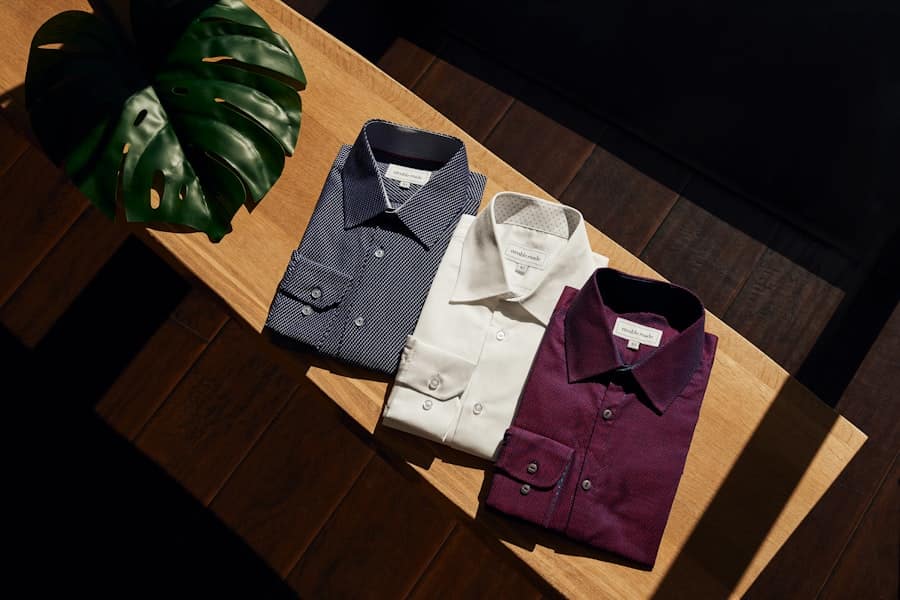
As smart clothing becomes more prevalent, its integration into everyday life is becoming increasingly seamless. Consumers are beginning to view these garments as essential components of their daily routines rather than mere novelties. For instance, many people now wear fitness trackers or smartwatches that sync with their smart clothing to provide comprehensive insights into their health and activity levels.
This interconnectedness fosters a holistic approach to wellness, encouraging individuals to adopt healthier lifestyles. Moreover, the convenience offered by smart clothing extends beyond fitness enthusiasts; it appeals to a broader audience seeking enhanced functionality in their everyday attire. For example, smart jackets equipped with built-in heating elements can keep wearers warm during cold weather without the bulkiness of traditional outerwear.
Similarly, garments with integrated communication features allow users to receive notifications or control devices without needing to reach for their smartphones. This level of integration enhances daily life by streamlining tasks and improving overall efficiency.
The Future of Smart Clothing
The future of smart clothing holds immense potential as technology continues to advance at an unprecedented pace. Innovations such as flexible electronics and advanced materials are paving the way for even more sophisticated designs that can adapt to various environments and user needs.
Such advancements could revolutionize how we care for our clothing and reduce our reliance on chemical detergents. Furthermore, as artificial intelligence (AI) becomes more integrated into wearable technology, smart clothing may evolve into personalized assistants that provide tailored recommendations based on individual preferences and behaviors. Imagine a garment that learns your daily routine and suggests optimal workout times or dietary adjustments based on your activity levels and health metrics.
This level of personalization could transform how we approach fitness and wellness, making it more accessible and engaging for a wider audience.
Embracing the Era of Smart Clothing
The emergence of smart clothing marks a significant milestone in the evolution of fashion and technology. As consumers increasingly seek garments that offer both style and functionality, the demand for innovative solutions will continue to grow. The benefits of smart clothing extend beyond aesthetics; they encompass health monitoring, enhanced comfort, and improved sustainability practices within the fashion industry.
As we embrace this new era of wearable technology, it is essential to recognize the transformative potential of smart clothing in shaping our lifestyles and enhancing our well-being. As we look ahead, it is clear that smart clothing will play an integral role in our daily lives, influencing everything from how we exercise to how we manage our health. The ongoing collaboration between designers and technologists will undoubtedly yield exciting advancements that push the boundaries of what is possible in apparel design.
By embracing these innovations, we can look forward to a future where our clothing not only reflects our personal style but also actively contributes to our health and well-being.
The rise of smart clothing in everyday life is transforming how we interact with technology and monitor our health. As we embrace these innovations, it’s interesting to explore how other tech advancements, such as the features of the Samsung Notebook 9 Pro, complement our daily routines. For more insights on this topic, check out the article on exploring the features of the Samsung Notebook 9 Pro.
FAQs
What is smart clothing?
Smart clothing refers to garments embedded with digital components such as sensors, actuators, and microcontrollers that can collect data, provide feedback, or interact with the wearer and environment.
How does smart clothing work?
Smart clothing works by integrating electronic devices into fabrics, which can monitor physiological signals like heart rate, temperature, or movement, and transmit this data to connected devices for analysis or real-time feedback.
What are common uses of smart clothing in everyday life?
Common uses include fitness tracking, health monitoring, posture correction, temperature regulation, and even interactive fashion that changes color or pattern based on user input or environmental conditions.
Are smart clothes washable?
Many smart clothes are designed to be washable, but care instructions vary depending on the technology used. Typically, electronic components are either removable or protected to withstand gentle washing cycles.
Is smart clothing expensive?
Smart clothing can be more expensive than traditional garments due to the embedded technology, but prices are gradually decreasing as the technology becomes more widespread and production scales up.
What materials are used in smart clothing?
Smart clothing often uses conductive fabrics, flexible sensors, and lightweight electronics integrated into traditional textiles like cotton, polyester, or nylon to maintain comfort and durability.
Can smart clothing improve health and fitness?
Yes, smart clothing can provide real-time data on physical activity, heart rate, and other vital signs, helping users optimize workouts, monitor health conditions, and prevent injuries.
Is smart clothing safe to use?
Smart clothing is generally safe when used as intended. Manufacturers follow safety standards to ensure electronic components do not pose risks such as electrical shocks or skin irritation.
How is data privacy handled in smart clothing?
Data privacy depends on the manufacturer and device. Many smart clothing products use encrypted data transmission and allow users to control what information is shared, but users should review privacy policies carefully.
What is the future outlook for smart clothing?
The future of smart clothing includes advancements in materials, increased integration with IoT devices, broader applications in healthcare and sports, and more affordable, user-friendly designs for everyday consumers.