

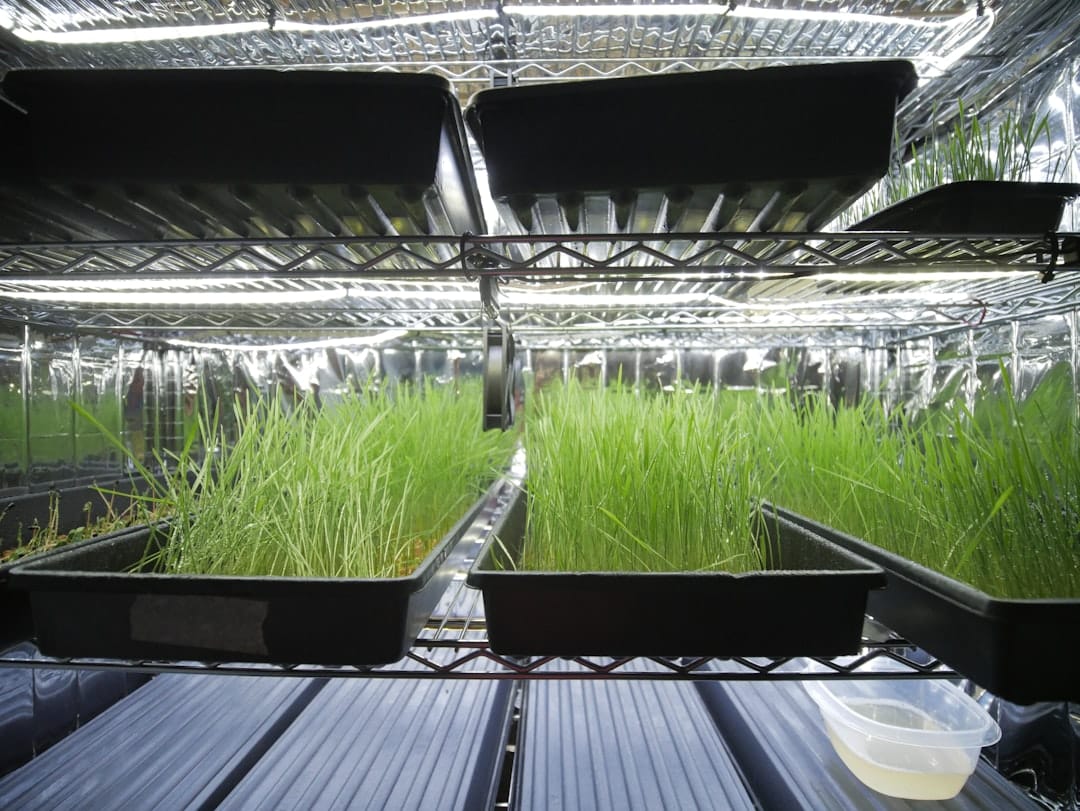
Regenerative agriculture is an approach to farming that emphasizes the restoration and enhancement of soil health, biodiversity, and ecosystem services. Unlike conventional agricultural practices that often deplete natural resources, regenerative agriculture seeks to create a sustainable system that can produce food while also improving the environment. This method involves a variety of practices, including crop rotation, cover cropping, reduced tillage, and agroforestry, all aimed at building soil organic matter and promoting a diverse range of organisms within the soil ecosystem.
The principles of regenerative agriculture are rooted in the understanding that healthy soils are fundamental to productive farming. By focusing on the biological and physical properties of soil, regenerative practices can enhance nutrient cycling, improve water retention, and increase resilience to climate variability. This holistic approach not only benefits farmers through increased yields and reduced input costs but also contributes to broader environmental goals, such as carbon sequestration and biodiversity conservation. As awareness of the environmental impacts of traditional agriculture grows, regenerative practices are gaining traction among farmers, policymakers, and consumers alike.
In exploring the transformative potential of regenerative agriculture technology, it’s essential to consider how effective communication and design play a role in disseminating information about these innovations. A related article that delves into the importance of professional layout and design in journalism is available at Best Software for Newspaper Design: Top Picks for Professional Layouts. This resource highlights the tools that can enhance the presentation of agricultural advancements, ensuring that vital information reaches a broader audience effectively.
Key Takeaways
- Regenerative agriculture focuses on restoring soil health and ecosystem balance through sustainable farming practices.
- Technology plays a crucial role in enhancing regenerative agriculture by enabling precise monitoring and management of soil and crops.
- Innovations like advanced soil health sensors and remote sensing improve the accuracy of soil condition assessments.
- Precision farming techniques, supported by AI and data analytics, optimize resource use and boost crop productivity.
- Integrating regenerative agriculture technology offers significant potential to mitigate climate change by sequestering carbon and reducing emissions.
The Role of Technology in Regenerative Agriculture
Technology plays a crucial role in advancing regenerative agriculture by providing tools and data that enhance decision-making and improve farming practices. Innovations in technology can help farmers monitor soil health, optimize resource use, and implement regenerative practices more effectively. For instance, advancements in remote sensing and satellite imagery allow farmers to assess soil conditions and crop health over large areas, enabling them to make informed decisions about when and how to apply inputs like water and fertilizers.
Moreover, technology facilitates the sharing of knowledge and best practices among farmers. Online platforms and mobile applications can connect farmers with experts and peers, allowing them to exchange information about successful regenerative techniques. This collaborative approach not only accelerates the adoption of regenerative practices but also fosters a sense of community among those committed to sustainable agriculture. As technology continues to evolve, its integration into regenerative agriculture will likely become increasingly sophisticated, offering new solutions to age-old challenges.
Innovations in Soil Health Monitoring
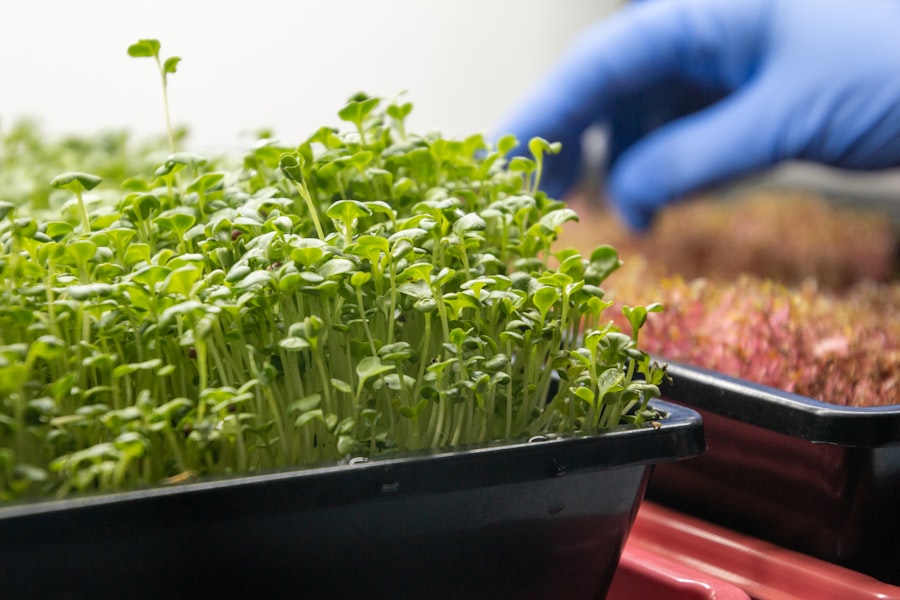
Monitoring soil health is a fundamental aspect of regenerative agriculture, as it provides insights into the biological, chemical, and physical properties of the soil. Recent innovations in soil health monitoring have made it easier for farmers to assess their soil’s condition accurately. For example, portable soil testing kits enable farmers to analyze soil samples on-site, providing immediate feedback on nutrient levels and pH balance. This real-time data allows for timely interventions that can enhance soil fertility and overall crop performance.
In addition to portable testing kits, advancements in sensor technology have led to the development of in-field monitoring systems that continuously track soil moisture, temperature, and nutrient levels. These systems can provide farmers with valuable information about their soil’s health over time, allowing them to make data-driven decisions regarding irrigation and fertilization. By leveraging these innovations, farmers can better understand their soils’ needs and implement practices that promote long-term health and productivity.
Advancements in Precision Farming
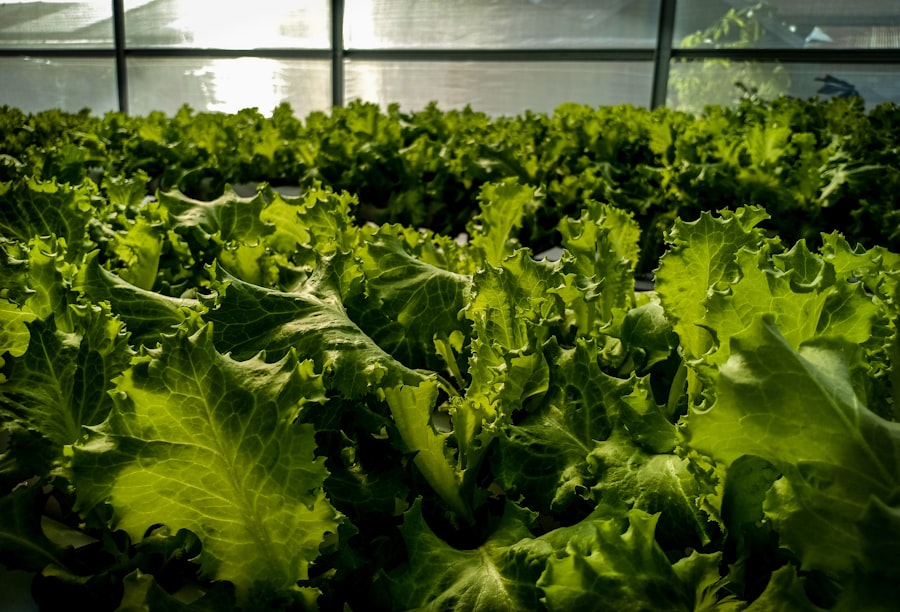
Precision farming is an agricultural management practice that uses technology to monitor and manage field variability in crops. This approach aligns well with the principles of regenerative agriculture by enabling farmers to apply inputs more efficiently and sustainably. Recent advancements in precision farming technologies include the use of drones for aerial imaging, which allows for detailed assessments of crop health and soil conditions from above. Drones can capture high-resolution images that reveal variations in plant vigor, helping farmers identify areas that may require specific interventions.
Additionally, precision farming technologies such as GPS-guided equipment enable farmers to apply fertilizers and pesticides with pinpoint accuracy. This targeted application reduces waste and minimizes environmental impact while ensuring that crops receive the nutrients they need for optimal growth. By integrating precision farming techniques with regenerative practices, farmers can enhance productivity while simultaneously working towards sustainability goals.
In exploring the advancements in sustainable farming practices, one might find it interesting to read about the latest innovations in technology that enhance productivity and environmental stewardship. A related article discusses how the Samsung Galaxy Book2 Pro can empower farmers by providing them with the tools needed to analyze data and implement regenerative agriculture techniques effectively. By leveraging such technology, farmers can unlock their potential and contribute to a more sustainable future. For more insights, check out this article on the Samsung Galaxy Book2 Pro.
The Impact of Regenerative Agriculture Tech on Climate Change
| Metric | Value | Year | Notes |
|---|---|---|---|
| Global Market Size of Regenerative Agriculture Tech | 12.5 Billion | 2023 | Estimated market value |
| Annual Growth Rate | 15% | 2020-2023 | Compound annual growth rate (CAGR) |
| Number of Startups Focused on Regenerative Tech | 350+ | 2023 | Global count |
| Average Carbon Sequestration Increase | 20-30% | 2021-2023 | Compared to conventional farming |
| Adoption Rate Among Farmers (US) | 18% | 2023 | Percentage of total farmers |
| Investment in Regenerative Ag Tech | 4.2 Billion | 2023 | Global venture capital and private equity |
| Reduction in Synthetic Fertilizer Use | 25% | 2022-2023 | Reported by adopters |
The intersection of regenerative agriculture technology and climate change is an area of growing interest among researchers and practitioners alike.
Regenerative practices have the potential to sequester carbon in the soil, thereby mitigating greenhouse gas emissions associated with conventional farming methods.
Technologies that facilitate carbon monitoring and reporting are becoming increasingly important as farmers seek to quantify their contributions to climate change mitigation.
Moreover, regenerative agriculture can enhance resilience to climate impacts by improving soil health and water retention capabilities. Healthy soils are better equipped to withstand extreme weather events such as droughts or heavy rainfall, which are becoming more frequent due to climate change. By adopting regenerative practices supported by technology, farmers can not only contribute to climate change mitigation but also adapt their operations to a changing climate.
Integrating Artificial Intelligence in Regenerative Agriculture
Artificial intelligence (AI) is emerging as a powerful tool in the realm of regenerative agriculture. By analyzing vast amounts of data from various sources—such as weather patterns, soil conditions, and crop performance—AI can provide actionable insights that help farmers optimize their practices. For instance, machine learning algorithms can predict crop yields based on historical data and current conditions, allowing farmers to make informed decisions about planting schedules and resource allocation.
Furthermore, AI can assist in identifying pest outbreaks or diseases early on by analyzing images captured by drones or cameras placed in fields. This early detection enables timely interventions that can prevent crop losses while minimizing the use of chemical treatments.
As AI technology continues to advance, its integration into regenerative agriculture will likely lead to more efficient farming practices that align with sustainability goals.
Challenges and Opportunities in Regenerative Agriculture Tech
Despite the promising advancements in regenerative agriculture technology, several challenges remain. One significant barrier is the initial cost associated with adopting new technologies. Many farmers may be hesitant to invest in precision farming tools or soil monitoring systems due to financial constraints or uncertainty about their return on investment. Additionally, there may be a lack of access to training or resources needed to effectively implement these technologies.
However, these challenges also present opportunities for innovation and collaboration within the agricultural sector. As demand for sustainable food production increases, there is potential for public-private partnerships to develop affordable technologies tailored for smallholder farmers. Furthermore, educational initiatives aimed at increasing awareness of regenerative practices and their benefits can empower farmers to embrace new technologies confidently.
The Future of Regenerative Agriculture Tech
The future of regenerative agriculture technology appears promising as ongoing research and development continue to yield innovative solutions for sustainable farming. As more farmers adopt regenerative practices supported by technology, there will likely be a shift towards a more resilient agricultural system that prioritizes environmental health alongside productivity. The integration of emerging technologies such as blockchain for supply chain transparency could further enhance the sustainability of agricultural practices by ensuring traceability from farm to table.
Moreover, as consumer demand for sustainably produced food grows, there will be increased pressure on agricultural systems to demonstrate their environmental impact. This trend may drive further investment in technologies that facilitate carbon accounting and sustainability reporting for farms practicing regenerative agriculture. Ultimately, the convergence of technology and regenerative practices has the potential to transform agriculture into a more sustainable industry capable of addressing global challenges such as food security and climate change.
FAQs
What is regenerative agriculture technology?
Regenerative agriculture technology refers to innovative tools and practices designed to enhance soil health, increase biodiversity, and improve ecosystem resilience while promoting sustainable farming. These technologies support methods such as cover cropping, no-till farming, and precision agriculture to restore and maintain productive land.
How does regenerative agriculture technology benefit the environment?
Regenerative agriculture technology helps reduce soil erosion, increase carbon sequestration, improve water retention, and promote biodiversity. By restoring natural soil functions and reducing reliance on chemical inputs, it contributes to healthier ecosystems and mitigates climate change impacts.
What types of technologies are commonly used in regenerative agriculture?
Common technologies include soil sensors, drones for crop monitoring, GPS-guided equipment for precision planting, data analytics platforms for farm management, and bio-based soil amendments. These tools enable farmers to optimize resource use and implement regenerative practices more effectively.
Who are the main adopters of regenerative agriculture technology?
Adopters include small to large-scale farmers, agricultural cooperatives, research institutions, and agribusiness companies focused on sustainable farming. Increasingly, governments and environmental organizations also support the adoption of these technologies through funding and policy initiatives.
What challenges does regenerative agriculture technology face?
Challenges include high initial costs, limited access to technology in some regions, the need for farmer education and training, and variability in technology effectiveness depending on local conditions. Additionally, integrating new technologies with traditional farming practices can require significant adjustments.