


Biometric privacy regulations have emerged as a critical area of concern in the context of rapid technological advancements. As biometric technologies, such as facial recognition, fingerprint scanning, and iris recognition, become increasingly integrated into various sectors, the need for robust privacy protections has gained prominence. These regulations aim to safeguard individuals’ biometric data from misuse and unauthorized access, ensuring that personal information is handled with care and respect. The growing reliance on biometric identifiers raises significant ethical and legal questions about consent, data ownership, and the potential for surveillance.
The introduction of biometric privacy regulations is not merely a response to technological innovation; it reflects a broader societal recognition of the importance of personal privacy in the digital age. As organizations collect and process vast amounts of biometric data, the potential for abuse and exploitation becomes a pressing issue. Consequently, governments and regulatory bodies are tasked with developing frameworks that balance technological advancement with the fundamental rights of individuals. This article will explore the implications of biometric technology on privacy, the necessity for global regulations, and the current landscape of biometric privacy laws across different jurisdictions.
As the conversation around biometric privacy regulations continues to gain momentum globally, it is essential to consider the broader implications of technology in various sectors. An insightful article that explores the intersection of technology and design can be found here: Best Software for Newspaper Design: Top Picks for Professional Layouts. This piece highlights how advancements in software can influence the way information is presented, which is increasingly relevant as privacy concerns shape the design and functionality of digital platforms.
Key Takeaways
- Biometric technology raises significant privacy concerns requiring specific regulatory attention.
- There is a growing global need for standardized biometric privacy laws to ensure consistent protection.
- Different countries have varying approaches to biometric privacy, reflecting diverse legal and cultural perspectives.
- Enforcement and compliance remain challenging due to technological complexity and evolving threats.
- Protecting biometric data is crucial for safeguarding individual privacy in the future digital landscape.
The Impact of Biometric Technology on Privacy
The integration of biometric technology into everyday life has transformed how individuals interact with systems and services. While these technologies offer convenience and enhanced security, they also pose significant risks to personal privacy. Biometric data is inherently unique to each individual, making it a powerful identifier that can be used for both legitimate purposes and malicious intent. The collection and storage of such sensitive information raise concerns about data breaches, unauthorized access, and the potential for surveillance by both state and non-state actors.
Moreover, the use of biometric technology can lead to a chilling effect on personal freedoms. When individuals know that their biometric data is being collected and analyzed, they may alter their behavior out of fear of being monitored or tracked. This phenomenon can undermine trust in institutions and hinder open communication within society. The implications extend beyond individual privacy; they also affect broader societal norms regarding consent, autonomy, and the right to control one’s personal information. As biometric technology continues to evolve, it is essential to critically assess its impact on privacy and consider the necessary safeguards to protect individuals.
The Need for Global Biometric Privacy Regulations
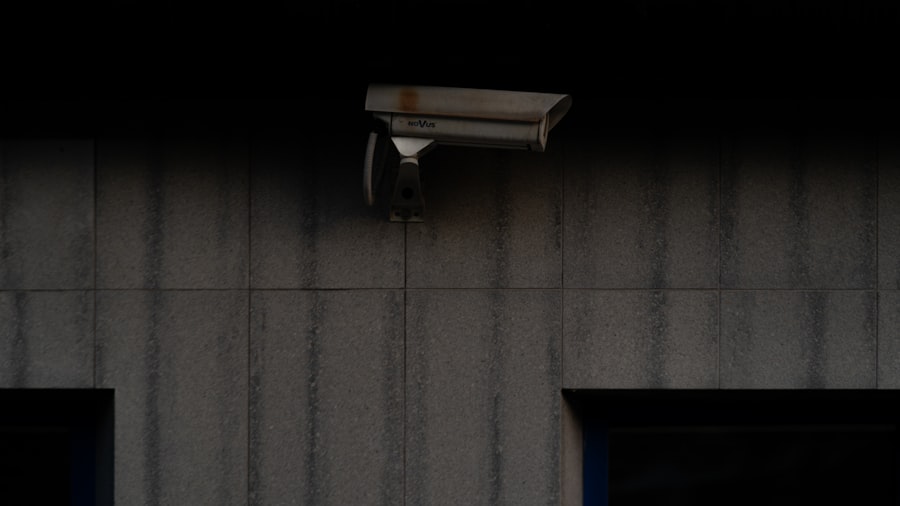
The need for global biometric privacy regulations arises from the borderless nature of technology and data flows. Biometric data can easily cross international boundaries, complicating enforcement and compliance with local laws. As companies operate in multiple jurisdictions, they often face a patchwork of regulations that can be difficult to navigate. This inconsistency can lead to gaps in protection, where individuals may find themselves vulnerable to exploitation due to inadequate legal frameworks.
Furthermore, the lack of harmonized regulations can create competitive disadvantages for businesses that prioritize ethical data practices. Companies that invest in robust privacy measures may find themselves at a disadvantage compared to those that do not adhere to stringent standards. Establishing global biometric privacy regulations would not only enhance individual protections but also promote fair competition among businesses. By creating a unified approach to biometric data protection, countries can work together to address the challenges posed by technological advancements while ensuring that individuals’ rights are upheld.
Overview of Biometric Privacy Regulations in Different Countries

Biometric privacy regulations vary significantly across countries, reflecting differing cultural attitudes toward privacy and government oversight. In the European Union, the General Data Protection Regulation (GDPR) provides a comprehensive framework for data protection, including specific provisions related to biometric data. Under GDPR, biometric data is classified as sensitive personal data, requiring explicit consent for processing and stringent safeguards against misuse. This regulatory approach emphasizes transparency and accountability, mandating organizations to implement measures that protect individuals’ rights.
In contrast, the United States lacks a federal standard for biometric privacy, leading to a fragmented regulatory landscape. Some states have enacted their own laws, such as Illinois’ Biometric Information Privacy Act (BIPA), which imposes strict requirements on companies collecting biometric data. However, without a cohesive national framework, individuals may find varying levels of protection depending on their location.
Other countries, such as Canada and Australia, have also developed their own regulations addressing biometric data but often differ in their scope and enforcement mechanisms.
This diversity highlights the need for international dialogue and cooperation to establish effective biometric privacy regulations.
As discussions around biometric privacy regulations continue to gain momentum globally, it is essential to consider the implications of these regulations on various technologies, including wearables. A related article explores the latest advancements in smartwatches, highlighting how companies like Huawei are adapting to the evolving landscape of privacy and data security. For more insights into how these devices are integrating biometric features while navigating regulatory challenges, you can read the full article here.
This intersection of technology and privacy regulation highlights the need for robust frameworks to protect individuals in an ever-evolving digital world.
Compliance and Enforcement of Biometric Privacy Regulations
Ensuring compliance with biometric privacy regulations presents its own set of challenges. Organizations must implement robust data protection measures while navigating complex legal requirements across different jurisdictions. This often necessitates significant investment in technology and training to ensure that employees understand their responsibilities regarding biometric data handling. Failure to comply with regulations can result in severe penalties, including fines and reputational damage.
Enforcement mechanisms also vary widely among countries, impacting the effectiveness of biometric privacy regulations. In some jurisdictions, regulatory bodies are empowered to conduct audits and impose sanctions on non-compliant organizations. In others, enforcement may rely more heavily on individual complaints or civil litigation. This inconsistency can create uncertainty for businesses operating internationally and may hinder efforts to protect individuals’ rights effectively. A coordinated approach to enforcement could enhance compliance rates and foster greater accountability among organizations handling biometric data.
Future Trends in Biometric Privacy Regulations
As technology continues to advance, future trends in biometric privacy regulations are likely to evolve in response to emerging challenges. One potential trend is the increased emphasis on transparency and user control over personal data. Individuals may demand greater access to their biometric information and more control over how it is used by organizations. This shift could lead to the development of new tools and platforms that empower users to manage their own biometric data more effectively.
Additionally, there may be a growing focus on ethical considerations surrounding biometric technology deployment. As public awareness of privacy issues increases, stakeholders may advocate for more responsible practices in the collection and use of biometric data. This could result in the establishment of industry standards or best practices aimed at minimizing risks associated with biometric technology while maximizing its benefits.
The Importance of Protecting Biometric Data
In conclusion, protecting biometric data is essential in an era where technology increasingly intersects with personal privacy. As biometric technologies become more prevalent across various sectors, the need for comprehensive regulations becomes more urgent. These regulations must address not only the technical aspects of data protection but also the ethical implications associated with surveillance and individual rights.
The establishment of global biometric privacy regulations can help create a more consistent framework for protecting individuals’ rights while fostering innovation in technology. By prioritizing transparency, accountability, and user control over personal information, societies can navigate the complexities of biometric technology while safeguarding fundamental privacy rights. Ultimately, ensuring robust protections for biometric data is crucial for maintaining trust in institutions and promoting a healthy balance between security needs and individual freedoms.
FAQs
What are biometric privacy regulations?
Biometric privacy regulations are laws and guidelines designed to protect individuals’ biometric data, such as fingerprints, facial recognition, and iris scans, from unauthorized collection, use, and sharing.
Why have biometric privacy regulations become more important globally?
With the increasing use of biometric technologies in various sectors, concerns about data security, identity theft, and personal privacy have grown, prompting governments worldwide to implement regulations to safeguard biometric information.
Which countries have implemented significant biometric privacy laws?
Countries like the United States (with laws such as Illinois’ Biometric Information Privacy Act), the European Union (under the General Data Protection Regulation), India, and China have introduced or are developing comprehensive biometric privacy regulations.
What are common requirements under biometric privacy regulations?
Common requirements include obtaining informed consent before collecting biometric data, ensuring secure storage and transmission, limiting data use to specified purposes, and providing individuals with rights to access and delete their biometric information.
How do biometric privacy regulations impact businesses?
Businesses that collect or process biometric data must comply with relevant regulations by implementing robust data protection measures, updating privacy policies, training staff, and potentially facing penalties for non-compliance.