


Augmented Reality (AR) has emerged as a transformative technology, particularly in the realm of children’s literature and play. By blending digital elements with the physical world, AR creates immersive experiences that captivate young minds. This innovative approach not only enhances storytelling but also redefines how children interact with books and toys.
As children increasingly gravitate towards digital experiences, the integration of AR into traditional formats offers a bridge between the tactile joy of reading and the dynamic engagement of technology.
The appeal of AR in children’s books and toys lies in its ability to create interactive narratives that come to life.
Imagine a child reading about dinosaurs, only to see them spring to life through their tablet or smartphone screen. This kind of interaction fosters a deeper connection to the material, making learning both fun and memorable. As parents and educators seek innovative ways to engage children, AR stands out as a powerful tool that can enhance literacy, stimulate curiosity, and promote active learning.
Key Takeaways
- AR technology is revolutionizing traditional children’s books and toys by adding interactive and immersive elements.
- Enhanced learning experiences through AR help children better understand concepts and retain information.
- AR stimulates children’s imagination and creativity by bringing stories and characters to life in engaging ways.
- Active participation and engagement are encouraged through AR, making playtime more dynamic and educational.
- Despite challenges, AR holds significant potential to transform the future of children’s entertainment and educational products.
The Evolution of Traditional Children’s Books and Toys
The landscape of children’s literature and toys has undergone significant changes over the decades. Traditional children’s books, often characterized by their colorful illustrations and simple narratives, have served as foundational tools for early literacy. These books have evolved from basic picture books to more complex narratives that incorporate themes of diversity, inclusion, and emotional intelligence.
Similarly, toys have transitioned from simple wooden blocks and dolls to sophisticated electronic devices that offer interactive play experiences. This evolution reflects broader societal changes, including advancements in technology and a growing understanding of child development. In the past, children’s toys were primarily physical objects that encouraged imaginative play through tactile interaction.
However, with the advent of technology, toys have increasingly incorporated electronic components that provide auditory and visual stimulation. The introduction of video games and digital platforms has further transformed playtime, leading to a generation of children who are accustomed to interactive experiences. As a result, traditional books and toys are now being reimagined through the lens of technology, paving the way for innovative products that combine the best of both worlds.
How AR is Enhancing the Learning Experience for Children
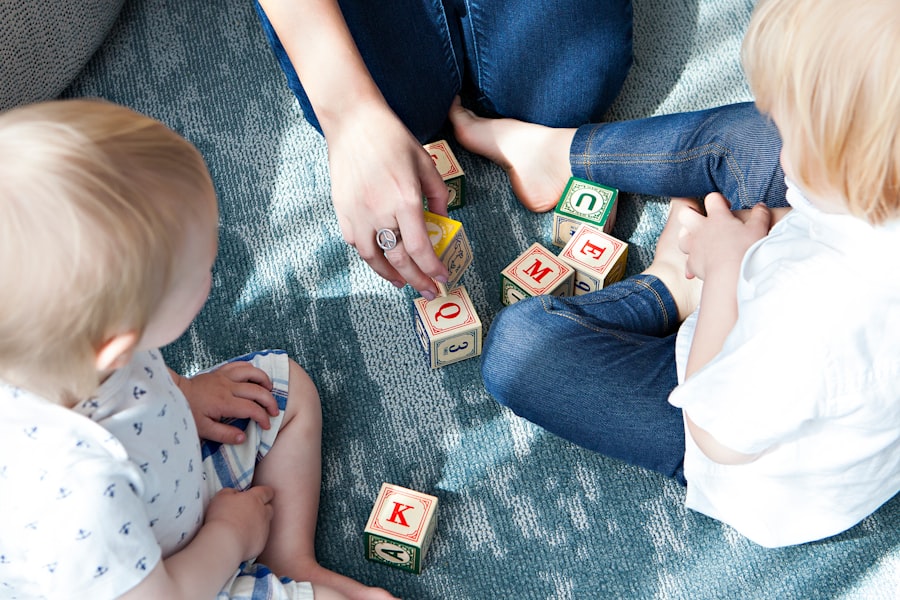
AR technology is revolutionizing the educational landscape by providing interactive learning experiences that cater to various learning styles. For instance, when children engage with AR-enhanced books, they can visualize complex concepts such as the solar system or human anatomy in a way that static images cannot achieve. This visual representation allows for a more profound understanding of subjects that might otherwise seem abstract or challenging.
By overlaying digital information onto physical pages, AR transforms passive reading into an active exploration of knowledge. Moreover, AR can adapt to individual learning paces, offering personalized experiences that traditional methods often lack. For example, an AR application might provide additional information or quizzes related to a story’s content, allowing children to delve deeper into topics that interest them.
This adaptability not only fosters a love for learning but also encourages critical thinking and problem-solving skills. As children navigate through interactive narratives, they are prompted to ask questions, make predictions, and draw connections between different pieces of information.
The Impact of AR on Children’s Imagination and Creativity
The integration of AR into children’s books and toys significantly enhances imaginative play and creative expression. When children interact with AR content, they are not merely passive consumers; they become active participants in their own storytelling experiences. This interactivity encourages them to envision scenarios beyond the confines of the printed page or physical toy.
For instance, a child reading about a magical forest can use an AR app to explore that forest in 3D, encountering fantastical creatures and engaging in quests that stimulate their imagination. Furthermore, AR can inspire creativity by allowing children to create their own stories or modify existing ones. Some AR applications enable users to design characters or environments that can be integrated into narratives, fostering a sense of ownership over their creative process.
This capability not only nurtures artistic skills but also promotes narrative thinking as children learn to structure stories with beginnings, middles, and ends. By providing tools for self-expression, AR empowers children to become storytellers in their own right.
The Role of AR in Encouraging Active Participation and Engagement
| Metric | Value | Year | Notes |
|---|---|---|---|
| Global AR Market in Children’s Books & Toys | 1.2 Billion | 2023 | Estimated market size in USD |
| Annual Growth Rate | 18% | 2020-2023 | Compound annual growth rate (CAGR) |
| Percentage of Interactive Children’s Books Using AR | 35% | 2023 | Share of AR-enabled books in interactive book market |
| Increase in Engagement Time with AR Books | 40% | 2022 | Compared to traditional books |
| Top Age Group for AR Toys | 4-8 years | 2023 | Most active users of AR toys |
| Number of AR-Enabled Toy Titles Released | 150+ | 2023 | New AR toy products launched globally |
| Parental Approval Rate for AR Toys | 78% | 2023 | Parents favoring AR toys for educational value |
| Average Price Increase for AR Books vs Traditional | 25% | 2023 | Premium pricing due to AR features |
One of the most significant advantages of AR in children’s books and toys is its ability to promote active participation. Traditional reading often involves passive consumption; however, AR transforms this experience by inviting children to engage with content in dynamic ways. For example, an AR-enhanced book might require children to solve puzzles or complete challenges related to the story’s plot.
This level of engagement not only keeps children interested but also reinforces comprehension and retention of information. Moreover, AR encourages collaborative play among peers or family members. Many AR applications are designed for multiple users, allowing children to share experiences and work together on tasks.
By creating opportunities for interaction—both with technology and with one another—AR enriches the overall learning experience and makes it more enjoyable.
The Future of AR in Interactive Children’s Books and Toys

As technology continues to advance at a rapid pace, the future of AR in children’s books and toys appears promising. Innovations such as improved mobile devices with enhanced processing power and graphics capabilities will likely lead to even more sophisticated AR experiences. Future applications may incorporate artificial intelligence (AI) to create adaptive learning environments that respond to individual children’s needs in real-time.
This could result in highly personalized educational journeys that cater specifically to each child’s interests and learning style. Additionally, as educators recognize the value of AR in promoting engagement and understanding, we may see an increase in its adoption within formal educational settings. Schools could integrate AR-enhanced materials into their curricula, providing students with interactive resources that complement traditional teaching methods.
This shift could lead to a new era of education where technology is seamlessly woven into the fabric of learning, making it more relevant and effective for today’s digital natives.
Challenges and Opportunities in the Integration of AR in Children’s Products
Despite its potential benefits, the integration of AR into children’s books and toys is not without challenges. One significant concern is ensuring that content is age-appropriate and safe for young users. As AR applications often require internet connectivity or access to external content, there is a risk of exposing children to inappropriate material or online dangers.
Developers must prioritize child safety by implementing robust content moderation systems and parental controls. Another challenge lies in balancing screen time with traditional play experiences. While AR can enhance learning and engagement, excessive reliance on digital devices may detract from essential skills developed through unstructured play or face-to-face interactions.
It is crucial for parents and educators to find a harmonious balance between utilizing technology as a tool for learning while also encouraging offline activities that promote creativity and socialization.
The Potential of AR to Transform the Children’s Entertainment Industry
The potential for augmented reality to transform the children’s entertainment industry is immense. By merging digital innovation with traditional storytelling and play, AR offers unique opportunities for enhancing learning experiences while fostering creativity and engagement among young audiences. As this technology continues to evolve, it will undoubtedly shape the future landscape of children’s literature and toys in ways we are just beginning to understand.
As we look ahead, it is essential for stakeholders—parents, educators, developers—to collaborate in creating enriching experiences that prioritize children’s well-being while harnessing the power of technology. With thoughtful implementation and a focus on safety and balance, augmented reality can become an invaluable asset in nurturing the next generation’s love for learning and imaginative exploration.
The rise of augmented reality (AR) in interactive children’s books and toys is transforming the way young readers engage with stories and learning experiences. As technology continues to evolve, devices like the Samsung Galaxy Chromebook 2 360 are becoming essential tools for enhancing these interactive experiences. For more insights on how innovative devices are shaping the future of education and entertainment, check out this article on the new world of possibilities with the Samsung Galaxy Chromebook 2 360.
FAQs
What is Augmented Reality (AR) in children’s books and toys?
Augmented Reality (AR) is a technology that overlays digital content, such as images, sounds, and animations, onto the real world through devices like smartphones, tablets, or AR glasses. In children’s books and toys, AR enhances the interactive experience by bringing static images to life and providing immersive storytelling.
How does AR enhance interactive children’s books?
AR enhances interactive children’s books by adding 3D animations, sound effects, and interactive elements that respond to the reader’s actions. This technology makes reading more engaging and educational by combining visual, auditory, and tactile learning experiences.
What types of toys use AR technology?
Toys that use AR technology include puzzles, action figures, building blocks, and educational kits. These toys often work with companion apps that activate AR features, allowing children to interact with virtual characters, complete challenges, or explore augmented environments.
Are AR interactive books and toys safe for children?
Yes, AR interactive books and toys are generally safe when used according to the manufacturer’s guidelines. It is important for parents to supervise usage, ensure screen time is balanced, and choose age-appropriate AR products to promote healthy development.
What are the educational benefits of AR in children’s books and toys?
AR in children’s books and toys can improve literacy, creativity, problem-solving skills, and spatial awareness. It encourages active learning by making educational content more engaging and accessible, which can help children retain information better.
Do AR interactive books require special devices?
Most AR interactive books require a smartphone or tablet with a camera and a compatible app to access AR content. Some products may also work with dedicated AR devices, but smartphones and tablets are the most common platforms.
Is AR technology expensive in children’s books and toys?
The cost of AR interactive books and toys varies widely. While some AR products are priced similarly to traditional books and toys, others with advanced features or branded content may be more expensive. However, the growing popularity of AR is making these products more affordable over time.
How can parents choose the right AR interactive book or toy for their child?
Parents should consider their child’s age, interests, and developmental needs when selecting AR interactive books or toys. Reading reviews, checking for educational value, and ensuring the product is from a reputable brand can help in making an informed choice.
What is the future outlook for AR in children’s books and toys?
The future of AR in children’s books and toys is promising, with ongoing advancements in technology making experiences more immersive and accessible. Developers are increasingly integrating AI and personalized learning features, which will likely expand the educational and entertainment potential of AR products.