

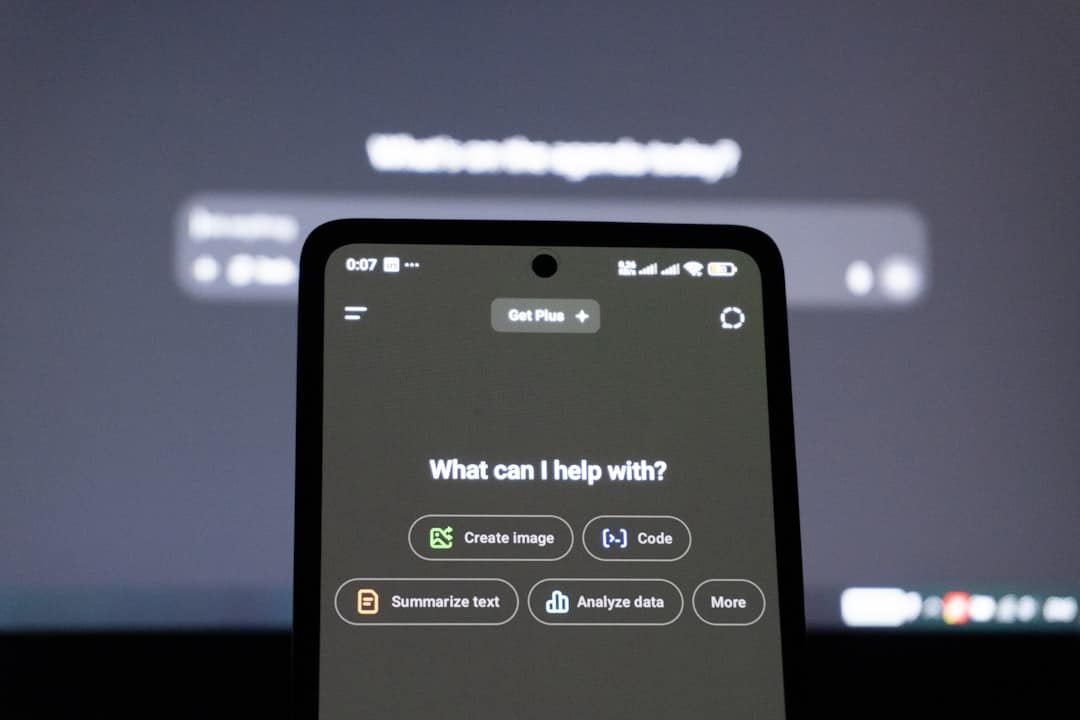
The development of personal assistants and chatbots has undergone substantial technological evolution alongside changing user demands. Personal assistants originally consisted exclusively of human operators, with individuals depending on secretaries and administrative personnel to coordinate schedules, handle telephone communications, and execute various organizational tasks. The introduction of computer technology in the late 20th century initiated a transformation in this field, as software applications were developed to assist users in managing time and tasks with greater efficiency.
Early digital assistant programs, including Microsoft’s Clippy, possessed basic functionality and frequently encountered user resistance due to their restricted capabilities and disruptive interface design. Technological advancement facilitated the development of more sophisticated personal assistant systems through internet connectivity and mobile device proliferation. Apple’s release of Siri in 2011 represented a significant milestone in personal assistant evolution, incorporating voice recognition technology and natural language processing capabilities to deliver enhanced user interaction.
Subsequently, additional AI-powered assistants emerged, including Google Assistant, Amazon’s Alexa, and Microsoft’s Cortana. These platforms enabled users to execute tasks through voice commands while incorporating machine learning algorithms that analyzed user interactions to improve contextual understanding and preference recognition. The progression from basic task management applications to advanced AI systems capable of conducting natural language conversations demonstrates the accelerated technological development within this sector.
Key Takeaways
- AI has significantly transformed personal assistants and chatbots, enhancing their capabilities and user interactions.
- AI-powered assistants improve efficiency, personalization, and customer engagement across various industries.
- Despite benefits, challenges like accuracy, privacy concerns, and ethical considerations remain critical.
- The future of AI assistants involves more advanced, context-aware, and emotionally intelligent systems.
- Businesses must carefully plan implementation, addressing ethical, privacy, and technical challenges for successful adoption.
The Impact of AI on Personal Assistance
Artificial intelligence has fundamentally transformed the landscape of personal assistance by enabling machines to perform tasks that were once the exclusive domain of humans. AI algorithms can analyze vast amounts of data, recognize patterns, and make predictions, which enhances the functionality of personal assistants. For instance, AI-powered systems can now schedule appointments based on user preferences, send reminders, and even suggest optimal times for meetings by analyzing calendars and availability.
This level of automation not only saves time but also reduces the cognitive load on users, allowing them to focus on more strategic tasks. Moreover, AI has facilitated the development of chatbots that can engage in meaningful conversations with users. These chatbots are designed to understand natural language and respond appropriately, making them invaluable in various applications ranging from customer service to personal assistance.
The ability of AI to process language nuances and context has led to more human-like interactions, which enhances user satisfaction. For example, chatbots deployed in e-commerce can assist customers in finding products, answering queries, and even guiding them through the purchasing process, all while providing a seamless experience that mimics human interaction.
The Benefits of AI-Powered Personal Assistants and Chatbots
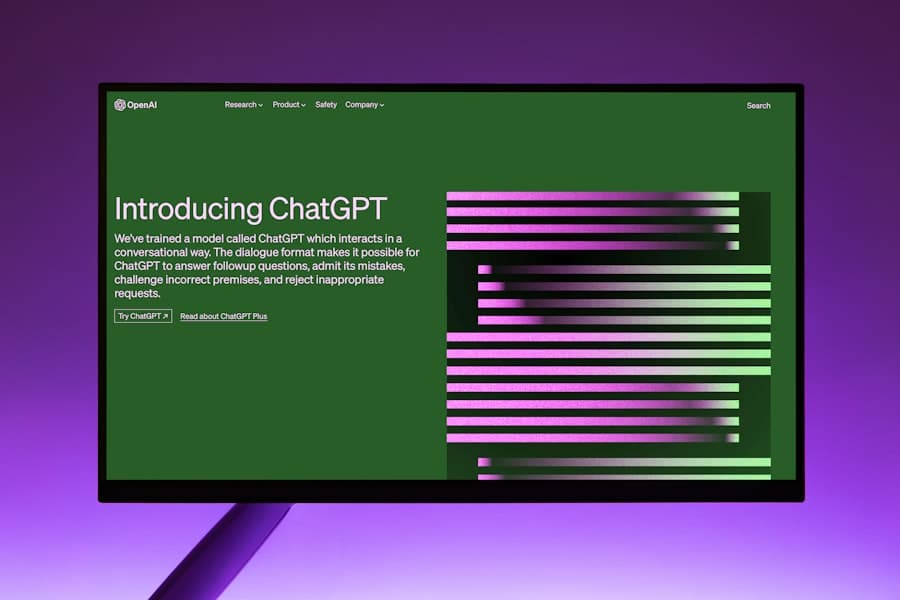
AI-powered personal assistants and chatbots offer a multitude of benefits that enhance productivity and improve user experience. One of the most significant advantages is their ability to operate 24/7 without fatigue.
This is particularly beneficial for businesses that operate across different time zones or require immediate responses to customer inquiries. Additionally, these AI systems can handle repetitive tasks with remarkable efficiency. For instance, chatbots can manage frequently asked questions, process orders, and provide updates without human intervention.
This not only streamlines operations but also allows human employees to focus on more complex issues that require critical thinking and creativity. Furthermore, AI-powered assistants can learn from interactions over time, improving their responses and recommendations based on user behavior. This adaptability leads to a more personalized experience, as users receive tailored suggestions that align with their preferences and past interactions.
The Role of AI in Customer Service and Support
In the realm of customer service, AI has emerged as a game-changer by enhancing responsiveness and efficiency. Businesses are increasingly adopting AI-powered chatbots to handle customer inquiries across various platforms, including websites, social media, and messaging apps. These chatbots can provide instant responses to common questions, significantly reducing wait times for customers seeking assistance.
For example, a telecommunications company might deploy a chatbot that can troubleshoot common technical issues or guide users through billing inquiries without requiring human intervention. Moreover, AI systems can analyze customer interactions to identify trends and areas for improvement. By leveraging data analytics, businesses can gain insights into customer behavior and preferences, allowing them to tailor their services accordingly.
For instance, if a chatbot frequently encounters questions about a specific product feature, the company can proactively address this by updating its FAQs or providing additional training for human agents. This data-driven approach not only enhances customer satisfaction but also fosters loyalty by demonstrating that businesses are attentive to their customers’ needs.
The Challenges and Limitations of AI-Powered Personal Assistants and Chatbots
| Metric | Value | Year | Notes |
|---|---|---|---|
| Global AI Assistant Users | 3.25 billion | 2023 | Estimated number of users interacting with AI-powered personal assistants worldwide |
| Chatbot Market Size | 9.4 billion | 2023 | Market valuation in USD for AI chatbot industry |
| Annual Growth Rate (CAGR) | 24.3% | 2023-2028 | Projected compound annual growth rate for AI personal assistants and chatbots |
| Average User Engagement Time | 15 minutes/day | 2023 | Average daily time users spend interacting with AI assistants |
| Customer Satisfaction Rate | 85% | 2023 | Percentage of users satisfied with chatbot interactions |
| Languages Supported by Leading AI Assistants | 50+ | 2023 | Number of languages supported by top AI personal assistants |
| Percentage of Businesses Using Chatbots | 67% | 2023 | Share of companies employing AI chatbots for customer service |
Despite the numerous advantages offered by AI-powered personal assistants and chatbots, several challenges and limitations persist. One significant hurdle is the issue of understanding context and nuance in human communication. While advancements in natural language processing have improved the ability of AI systems to interpret language, they still struggle with sarcasm, idioms, and cultural references.
This limitation can lead to misunderstandings or inappropriate responses that frustrate users. For example, a chatbot might misinterpret a user’s sarcastic remark as a genuine inquiry, resulting in an irrelevant or unhelpful response. Another challenge lies in the ethical implications surrounding data privacy and security.
AI-powered systems often require access to personal information to provide personalized experiences. However, this raises concerns about how data is collected, stored, and used. Users may be hesitant to share sensitive information with AI systems due to fears of data breaches or misuse.
Businesses must navigate these concerns carefully by implementing robust security measures and transparent data practices to build trust with their users.
The Future of AI-Powered Personal Assistants and Chatbots
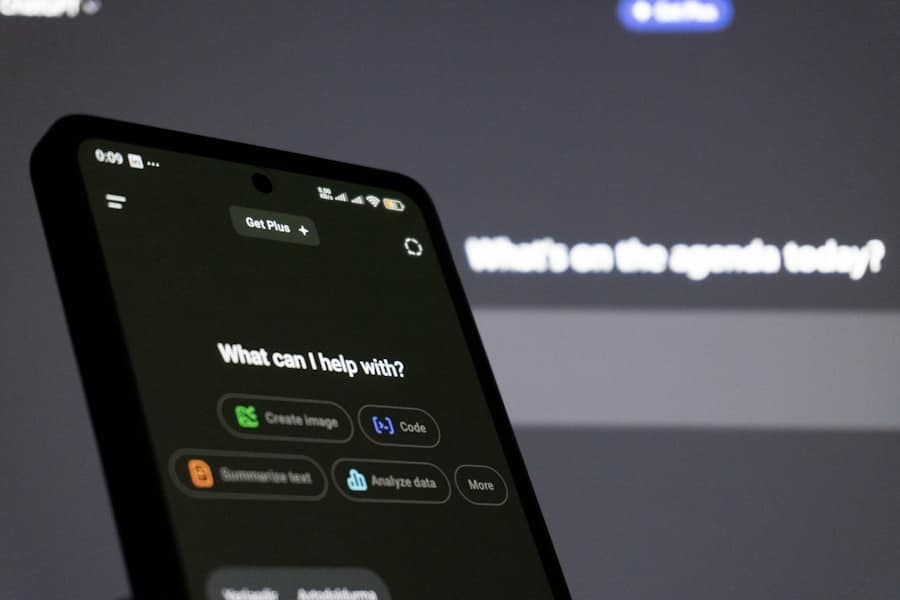
Looking ahead, the future of AI-powered personal assistants and chatbots appears promising as technology continues to evolve at an unprecedented pace. One potential direction is the integration of advanced machine learning techniques that enable these systems to become even more intuitive and responsive. As AI algorithms improve their ability to learn from user interactions, we may see personal assistants that can anticipate needs before they are explicitly stated.
For instance, an AI assistant could proactively suggest scheduling a meeting based on an upcoming deadline or remind users about important events based on their historical behavior. Additionally, the convergence of AI with other emerging technologies such as augmented reality (AR) and virtual reality (VR) could redefine how personal assistants interact with users. Imagine a scenario where an AI assistant guides a user through a virtual environment while providing real-time information about products or services.
This immersive experience could enhance decision-making processes in various fields, including retail and education. As these technologies mature, the potential applications for AI-powered personal assistants will expand significantly.
The Ethical and Privacy Considerations of AI-Powered Personal Assistants and Chatbots
The rise of AI-powered personal assistants and chatbots brings forth critical ethical considerations that must be addressed to ensure responsible deployment. One primary concern revolves around user privacy. As these systems collect vast amounts of data to function effectively, there is an inherent risk associated with data breaches or unauthorized access.
Companies must prioritize data protection measures and comply with regulations such as the General Data Protection Regulation (GDPR) to safeguard user information. Moreover, there is an ethical imperative for transparency in how AI systems operate. Users should be informed about how their data is used and have control over their information.
This includes providing options for users to opt-out of data collection or request deletion of their data when it is no longer needed. Building trust through transparency is essential for fostering positive relationships between users and AI systems.
How Businesses Can Implement AI-Powered Personal Assistants and Chatbots
For businesses looking to implement AI-powered personal assistants and chatbots effectively, several key steps should be considered. First and foremost, organizations must identify specific use cases where these technologies can add value. Whether it’s enhancing customer support or streamlining internal processes, having a clear understanding of objectives will guide the implementation strategy.
Next, selecting the right technology platform is crucial. Businesses should evaluate various AI solutions based on their capabilities, scalability, and integration options with existing systems. Collaborating with experienced vendors or developers can facilitate a smoother implementation process while ensuring that the chosen solution aligns with organizational goals.
Training is another vital aspect of successful implementation. Employees should be equipped with the knowledge necessary to work alongside AI systems effectively. This includes understanding how to interpret data generated by chatbots or personal assistants and knowing when to escalate issues to human agents.
Finally, continuous monitoring and optimization are essential for maximizing the benefits of AI-powered systems. Regularly analyzing performance metrics will help businesses identify areas for improvement and adapt their strategies accordingly. By embracing a proactive approach to implementation and ongoing evaluation, organizations can harness the full potential of AI-powered personal assistants and chatbots while delivering exceptional value to their users.
For a deeper understanding of how these advancements are shaping consumer experiences, you can explore the article on conversational commerce, which delves into the integration of chatbots in the shopping experience and their impact on customer engagement.
FAQs
What are AI-powered personal assistants and chatbots?
AI-powered personal assistants and chatbots are software applications that use artificial intelligence technologies, such as natural language processing and machine learning, to interact with users, understand their requests, and provide relevant responses or perform tasks.
How do AI personal assistants differ from traditional software?
Unlike traditional software that requires specific commands, AI personal assistants can understand natural language, learn from interactions, and adapt to user preferences, making them more intuitive and efficient in handling tasks.
What are common uses of AI-powered personal assistants?
They are commonly used for scheduling appointments, setting reminders, answering questions, managing smart home devices, providing customer support, and assisting with online shopping or information retrieval.
How do chatbots improve customer service?
Chatbots provide instant responses to customer inquiries, operate 24/7, handle multiple conversations simultaneously, and can escalate complex issues to human agents, thereby enhancing efficiency and customer satisfaction.
What technologies enable AI personal assistants and chatbots?
Key technologies include natural language processing (NLP), machine learning algorithms, speech recognition, and sometimes computer vision, which together enable understanding, learning, and interaction with users.
Are AI personal assistants secure and private?
Security and privacy depend on the design and policies of the service provider. Many AI assistants implement encryption and data protection measures, but users should review privacy policies and manage permissions carefully.
Can AI personal assistants understand multiple languages?
Many AI personal assistants support multiple languages and dialects, allowing them to interact with a diverse user base, though the level of proficiency may vary depending on the platform.
What industries benefit most from AI-powered chatbots?
Industries such as retail, healthcare, banking, telecommunications, and travel extensively use AI chatbots to automate customer interactions, provide information, and streamline services.
How has the rise of AI personal assistants impacted daily life?
AI personal assistants have made everyday tasks more convenient by automating routine activities, improving accessibility, and providing personalized assistance, thereby saving time and enhancing productivity.
What future developments are expected in AI personal assistants and chatbots?
Future advancements may include more natural and emotional interactions, better contextual understanding, increased personalization, integration with more devices and services, and improved multilingual capabilities.