

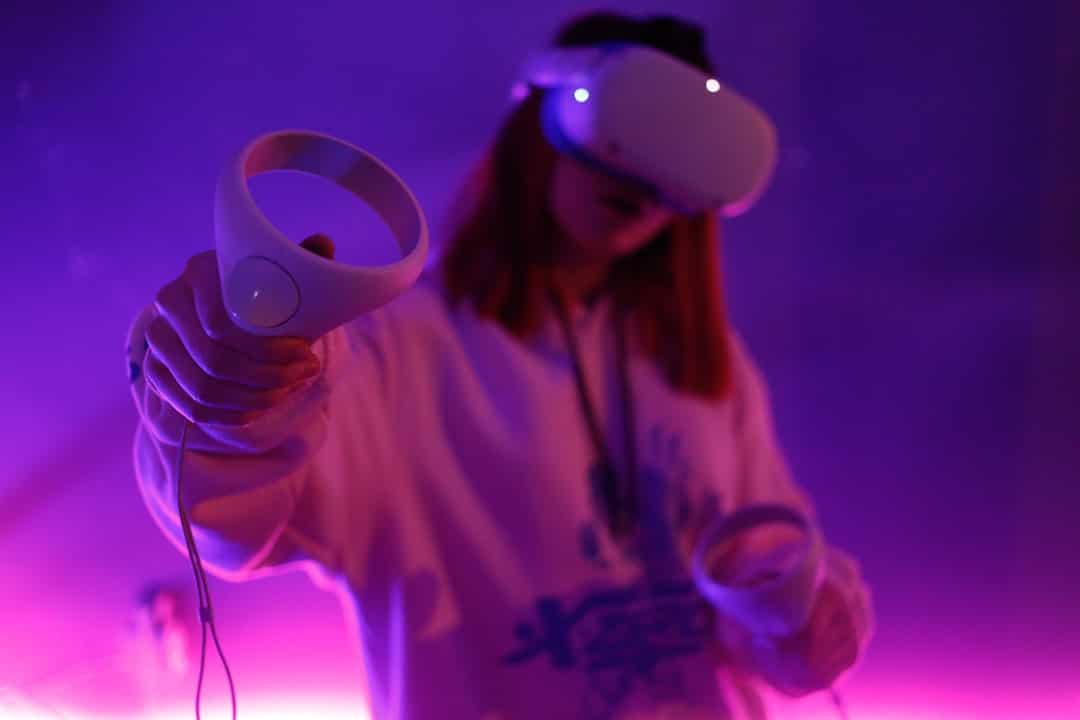
Virtual reality (VR) has emerged as a transformative technology with applications across various sectors, including education, healthcare, and entertainment. In recent years, its potential to reshape business practices has garnered attention, particularly in the context of business travel.
Business travel is a significant contributor to carbon emissions, with companies often sending employees across the globe for meetings, conferences, and client interactions.
As organizations increasingly prioritize sustainability, the intersection of VR and business travel presents an opportunity to mitigate environmental impacts while maintaining operational efficiency.
The rise of remote work and digital communication tools has already begun to alter traditional business travel patterns. However, VR offers a more immersive experience that can replicate in-person interactions more effectively than video conferencing alone. By simulating real-world environments and facilitating engaging interactions, VR can serve as a viable alternative to physical travel. This article explores the environmental impact of business travel emissions, how VR can help reduce these emissions, the associated cost savings, challenges in implementation, and future trends in this evolving landscape.
In exploring the potential of technology to mitigate environmental impacts, a related article discusses the innovative features of Wear OS by Google and how it can enhance productivity while reducing the need for business travel. By leveraging smart technology, professionals can stay connected and manage their tasks efficiently, ultimately contributing to lower carbon emissions associated with travel. For more insights on this topic, you can read the article here: Stay Stylish with Wear OS by Google.
Key Takeaways
- Virtual reality (VR) offers a promising alternative to traditional business travel, significantly reducing carbon emissions.
- Business travel contributes substantially to environmental pollution, highlighting the need for sustainable solutions.
- VR can enhance cost savings and operational efficiency by minimizing the need for physical travel.
- Despite its benefits, VR faces challenges such as technological limitations and user adoption barriers.
- Successful case studies demonstrate VR’s potential, with future trends indicating broader opportunities for sustainable business travel.
The Environmental Impact of Business Travel Emissions
Business travel contributes significantly to global greenhouse gas emissions. According to various studies, air travel alone accounts for a substantial portion of corporate carbon footprints. The aviation industry is responsible for approximately 2-3% of global CO2 emissions, and business travelers often take flights that are longer and more frequent than leisure travelers. Additionally, ground transportation and accommodation further exacerbate the environmental toll of business trips. The cumulative effect of these activities poses a challenge for organizations striving to meet sustainability goals.
The environmental impact extends beyond just carbon emissions; it also includes resource consumption and waste generation associated with travel. Hotels consume vast amounts of energy and water, while transportation networks contribute to urban congestion and pollution. As businesses face increasing pressure from stakeholders to adopt sustainable practices, understanding the full scope of travel-related emissions becomes crucial. This awareness drives the need for innovative solutions that can effectively reduce the carbon footprint associated with business operations.
How Virtual Reality Can Reduce Business Travel Emissions
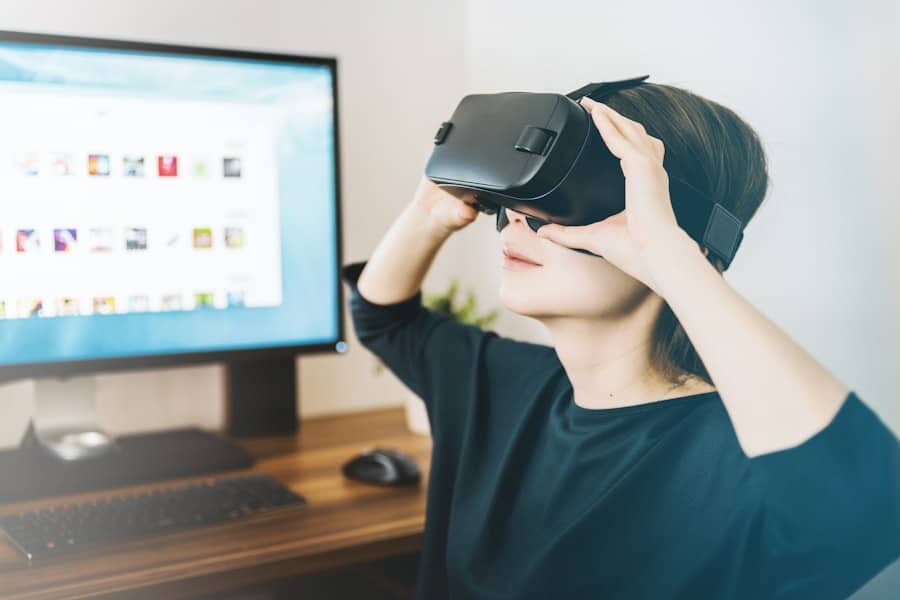
Virtual reality has the potential to significantly reduce business travel emissions by providing immersive experiences that can replace the need for physical presence. Through VR technology, employees can participate in meetings, training sessions, and conferences without leaving their offices or homes. This not only minimizes the need for air travel but also reduces the associated emissions from ground transportation and accommodation. By creating realistic simulations of environments where business interactions typically occur, VR can facilitate effective communication and collaboration among teams.
Moreover, VR can enhance engagement and retention during virtual meetings compared to traditional video conferencing tools. Participants can interact with 3D models, explore virtual spaces, and engage in role-playing scenarios that mimic real-life situations. This level of immersion can lead to more productive discussions and decision-making processes, making it a compelling alternative to in-person meetings. As organizations adopt VR solutions, they can significantly decrease their travel-related emissions while still achieving their business objectives.
Cost Savings and Efficiency through Virtual Reality
In addition to its environmental benefits, virtual reality can lead to substantial cost savings for businesses. Travel expenses—including airfare, accommodation, meals, and transportation—can quickly accumulate, especially for companies with frequent travel requirements. By leveraging VR technology for meetings and training sessions, organizations can redirect these funds toward other critical areas such as research and development or employee well-being initiatives.
Furthermore, VR can enhance operational efficiency by reducing time spent on travel. Employees can engage in virtual meetings without the need for lengthy commutes or layovers, allowing them to allocate more time to their core responsibilities. This increased productivity can translate into improved performance and faster project completion times. As businesses seek to optimize their operations in a competitive landscape, the integration of VR technology offers a strategic advantage that aligns with both financial and sustainability goals.
In exploring the environmental benefits of technology, a related article discusses how to select the best tablet for students, which can also play a role in reducing the need for physical resources and travel. By utilizing digital tools effectively, educational institutions can minimize their carbon footprint while enhancing learning experiences. For more insights on this topic, you can read the article on choosing tablets for students.
Challenges and Limitations of Virtual Reality in Reducing Business Travel Emissions
| Metric | Before VR Adoption | After VR Adoption | Percentage Reduction | Notes |
|---|---|---|---|---|
| Annual Business Travel Distance (miles) | 500,000 | 150,000 | 70% | Significant reduction due to virtual meetings |
| CO2 Emissions from Business Travel (metric tons) | 1200 | 360 | 70% | Calculated based on average emissions per mile |
| Number of Business Trips per Year | 2,000 | 600 | 70% | Trips replaced by VR meetings |
| Average Cost per Business Trip | 800 | 200 | 75% | Cost savings from reduced travel |
| Employee Productivity Increase | Baseline | 15% | N/A | Due to less travel fatigue and more flexible scheduling |
| Adoption Rate of VR Technology in Business | 0% | 40% | N/A | Percentage of companies using VR for meetings |
Despite its potential benefits, the adoption of virtual reality in business settings is not without challenges. One significant barrier is the initial investment required for VR technology. High-quality VR equipment and software can be costly, which may deter some organizations from making the transition. Additionally, there may be ongoing costs related to maintenance, updates, and training employees to use the technology effectively.
Another limitation is the varying levels of technological readiness among employees. While some individuals may embrace VR enthusiastically, others may be resistant or lack familiarity with the technology. This disparity can create challenges in ensuring consistent engagement during virtual meetings or training sessions. Furthermore, not all business interactions can be effectively replicated in a virtual environment; certain negotiations or relationship-building activities may still require face-to-face contact. Addressing these challenges will be essential for organizations looking to integrate VR into their business travel strategies successfully.
Case Studies and Success Stories of Virtual Reality Implementation
Several organizations have begun to explore the use of virtual reality as a means to reduce business travel emissions while enhancing collaboration. For instance, a multinational consulting firm implemented VR technology for client presentations and internal training sessions. By creating immersive environments that simulate real-world scenarios, the firm was able to reduce its travel-related carbon footprint by over 30% within the first year of implementation. Employees reported higher levels of engagement during virtual sessions compared to traditional meetings.
Another example comes from a leading technology company that utilized VR for product demonstrations and client meetings. By allowing clients to experience products in a virtual space, the company minimized the need for on-site visits while still providing an interactive experience. This approach not only reduced travel costs but also improved client satisfaction by offering a unique way to engage with products remotely. These case studies illustrate how organizations can leverage VR technology to achieve both sustainability goals and enhanced business outcomes.
Future Trends and Opportunities for Virtual Reality in Reducing Business Travel Emissions
As technology continues to evolve, the future of virtual reality in business travel looks promising. Advancements in VR hardware and software are likely to enhance user experiences further, making virtual interactions more seamless and realistic. Innovations such as haptic feedback devices could provide tactile sensations during virtual meetings, bridging the gap between physical presence and virtual interaction.
Moreover, as businesses increasingly prioritize sustainability initiatives, there will be greater demand for solutions that align with these goals. Companies may explore partnerships with VR developers to create tailored applications that address specific industry needs while minimizing environmental impacts. Additionally, as remote work becomes more entrenched in corporate culture, the integration of VR into everyday business practices may become standard rather than an exception.
The Potential of Virtual Reality in Creating a Sustainable Business Travel Model
In conclusion, virtual reality presents a viable solution for reducing business travel emissions while maintaining operational efficiency and effectiveness. By offering immersive experiences that replicate in-person interactions, VR can help organizations minimize their carbon footprints associated with travel while also achieving cost savings.
Despite challenges related to implementation and employee readiness, successful case studies demonstrate that businesses can benefit from adopting this technology.
As companies continue to navigate the complexities of sustainability in an increasingly interconnected world, embracing innovative solutions like virtual reality will be essential. The potential for VR to reshape business travel practices not only aligns with environmental goals but also positions organizations for success in a rapidly changing landscape. By investing in VR technology now, businesses can contribute to a more sustainable future while enhancing their operational capabilities.
FAQs
What is the main environmental benefit of using virtual reality (VR) in business travel?
The primary environmental benefit of using VR in business travel is the significant reduction in carbon emissions. By replacing physical travel with virtual meetings and conferences, businesses can decrease their reliance on air and ground transportation, which are major sources of greenhouse gas emissions.
How does virtual reality help reduce the need for business travel?
Virtual reality enables immersive and interactive remote meetings, allowing participants to engage in realistic simulations and collaborations without being physically present. This technology reduces the necessity for employees to travel for conferences, training, or client meetings, thereby lowering travel frequency.
Can virtual reality completely replace all types of business travel?
While VR can effectively substitute many types of business travel, especially for meetings and training sessions, it may not fully replace travel that requires physical presence, such as site inspections, hands-on work, or certain networking events. However, it can significantly reduce the overall volume of travel.
What industries benefit most from using VR to reduce travel emissions?
Industries such as technology, education, consulting, and corporate services benefit greatly from VR because they often require frequent meetings, training, and presentations that can be conducted virtually. These sectors can leverage VR to minimize travel-related emissions while maintaining productivity.
Are there any challenges associated with implementing VR to reduce business travel emissions?
Yes, challenges include the initial cost of VR equipment and software, the need for technical expertise, potential resistance to change from employees, and limitations in replicating certain in-person interactions. Despite these challenges, many organizations find that the environmental and cost-saving benefits outweigh the drawbacks.