

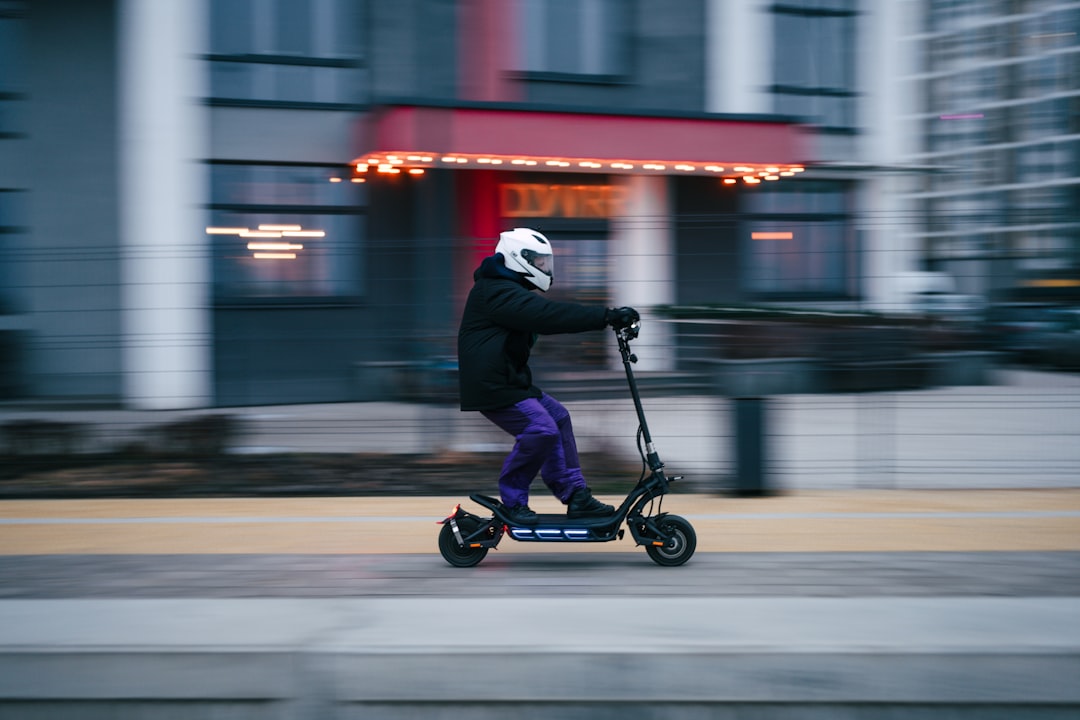
Electric scooters and bikes are definitely shaking things up when it comes to how we get around cities. The short answer to whether they’re making a big impact is a resounding yes. They’re offering a more flexible, often quicker, and sometimes more affordable way to navigate urban environments, particularly for short to medium distances. This shift isn’t just about adding new vehicles to the streets; it’s about changing habits, influencing infrastructure decisions, and presenting a new set of pros and cons that commuters are still figuring out.
What We Mean by “Micromobility”
When we talk about electric scooters and bikes, we’re generally referring to “micromobility” options. These are typically lightweight, personal transportation devices designed for short-distance travel. Think of them as bridging the gap between walking and traditional vehicles like cars or public transport. They’re not meant for long highway journeys, but for that crucial last mile – getting from your bus stop to your office, or from your home to the local shops.
The Underlying Technology and Design
The “electric” in electric scooters and bikes is key. Batteries have become more efficient and lighter, making these devices practical. Electric motors provide the boost, so you’re not relying solely on human power, especially on inclines or when you need to pick up speed. The designs are generally focused on portability and ease of use. Foldable scooters are common, making them easy to store at home or at work, and many e-bikes can be quickly parked or even taken indoors.
Why Now? Factors Driving Adoption
Several factors converged to create the current micromobility boom. Firstly, the increasing cost and hassle of car ownership in cities – parking, insurance, fuel – make alternatives more attractive. Secondly, congestion. Sitting in traffic for hours is a universal frustration. Micromobility offers a way to perhaps bypass some of that. Thirdly, a growing environmental consciousness is pushing people towards greener transport options, and electric vehicles, in general, fit this bill. Finally, the “sharing economy” model, pioneered by companies offering rental scooters and bikes, made these options incredibly accessible and easy to try without a significant upfront investment.
In exploring the transformative effects of electric scooters and bikes on urban commuting, it’s interesting to consider how advancements in technology can enhance various aspects of urban life. A related article that delves into the importance of effective design in urban environments is available at this link: The Ultimate Guide to the Best Lighting Design Software of 2023. This article highlights how innovative lighting solutions can improve safety and accessibility for all modes of transportation, including electric scooters and bikes, ultimately contributing to a more efficient urban commuting experience.
Redefining the Urban Commute
Solving the “Last Mile” Problem
This is perhaps the most significant contribution of electric scooters and bikes to urban commuting. Many people live a reasonable distance from public transport hubs – train stations, bus terminals, tram stops. Walking that distance might add too much time to an already long commute. Driving to the station often leads to parking headaches. Micromobility devices perfectly fill this gap. You can hop on a scooter or e-bike for a few minutes to get to your train, and then use it again at the other end to reach your final destination. It makes public transport a far more viable and attractive option for a wider range of people.
Increasing Accessibility and Choice
Beyond the last mile, these devices are simply expanding people’s choices for short trips. Need to pop out for lunch? Instead of walking the ten minutes each way, an e-scooter or bike can do it in two. Want to meet a friend across a few neighborhoods? While a car might be overkill and public transport indirect, a short ride on an e-bike can be efficient and enjoyable. This increased flexibility can lead to people making more spontaneous trips and engaging more with their local communities.
The Role of Speed and Efficiency
For many urban routes, especially those under 3-5 miles, electric scooters and bikes can actually be faster than cars or even public transport. You’re not waiting for traffic lights to change as often, you can often take more direct routes (where permitted), and there’s no need to search for parking. This time-saving aspect is a major draw for commuters looking to maximize their productivity or simply reclaim some personal time.
Infrastructure Challenges and Adaptations
Dedicated Lanes and Pathways
As micromobility has grown, so has the need for appropriate infrastructure. The ideal scenario involves dedicated lanes, similar to those for bicycles. This separates scooters and bikes from faster-moving car traffic, improving safety for everyone. Many cities are experimenting with repurposing road space, converting a lane or a parking spot into a dedicated micromobility path. This is a complex process, as it often involves balancing the needs of cars, cyclists, pedestrians, and now, scooter and bike riders.
Parking Solutions and Sidewalk Clutter
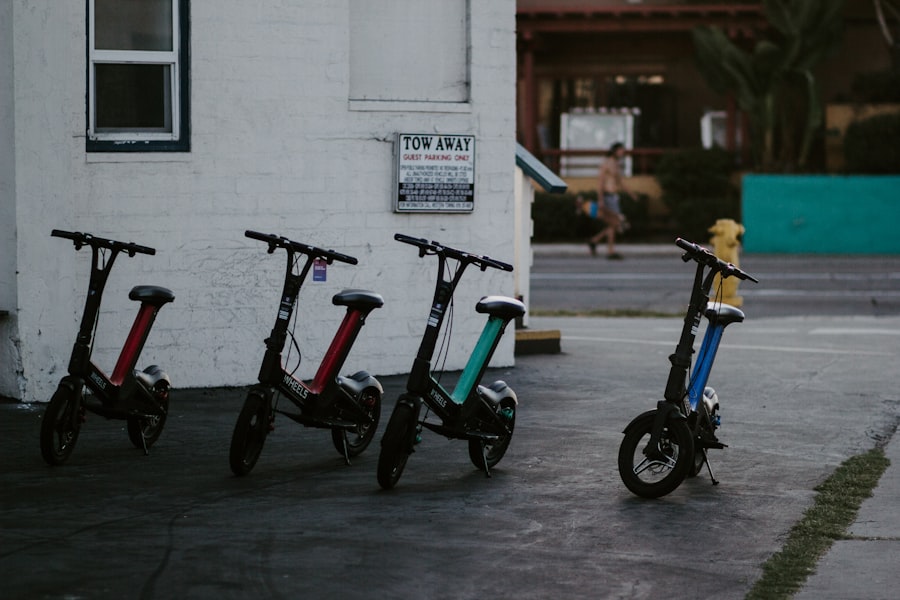
One of the biggest visual and practical challenges has been parking. Initially, shared scooters and bikes were left anywhere, leading to cluttered sidewalks, tripping hazards, and general disorder. In response, cities and operators have implemented designated parking zones. These might be marked areas on sidewalks, in parking lots, or even specially designed docking stations. The effectiveness of these varies, and finding a convenient place to park can still be an issue, especially in busy areas.
Safety Concerns and Traffic Integration
Integrating these new players into existing traffic systems presents safety challenges. Both riders and drivers are still learning how to navigate shared spaces. Riders need to be aware of road rules and hazards, while drivers need to be more vigilant for smaller, quieter vehicles. Cities are tackling this through public awareness campaigns, stricter regulations on where scooters and bikes can be ridden (e.g., banning them from major highways), and improved road markings to delineate pathways.
Economic and Environmental Considerations
Cost-Effectiveness for Commuters
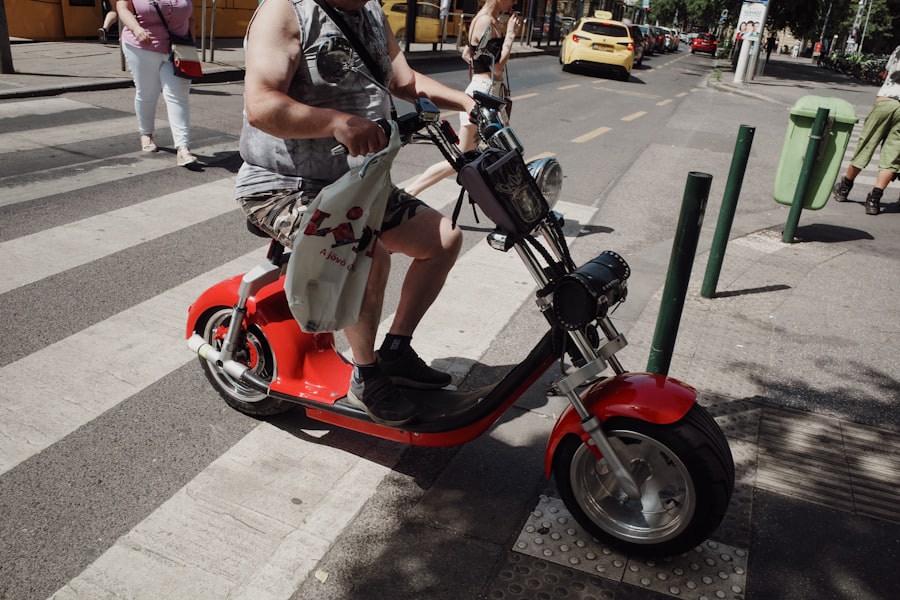
For many, electric scooters and bikes offer a more affordable alternative to car ownership or even daily public transport passes, especially for those who don’t use public transport heavily. The upfront cost of purchasing an e-bike or e-scooter can be significant, but they often pay for themselves over time through reduced fuel, insurance, and parking expenses. For rental services, the cost per trip is usually low, making them ideal for occasional use.
Reduced Congestion and Emissions
One of the key promises of micromobility is its potential to reduce urban congestion and lower carbon emissions. Each person who opts for an electric scooter or bike for a trip that would have otherwise been made by car is one less car on the road. This can lead to smoother traffic flow and cleaner air. The “electrification” of these personal transport modes means they produce zero tailpipe emissions, contributing to overall air quality improvements in cities.
The Lifecycle Impact of Batteries
While the use phase of electric scooters and bikes is generally environmentally friendly, it’s important to consider the broader lifecycle impact, particularly concerning batteries. The manufacturing of batteries, often using rare earth minerals, has an environmental cost. Furthermore, the disposal and recycling of these batteries are critical challenges that the industry and regulators are actively working to address. Ensuring responsible sourcing and effective recycling programs are vital for the long-term sustainability of these technologies.
The rise of electric scooters and bikes has significantly transformed urban commuting, offering a convenient and eco-friendly alternative to traditional transportation methods. As cities adapt to this shift, it is essential to explore the various tools and technologies that can enhance the experience for riders and city planners alike. For instance, a related article discusses the best software for online arbitrage, which can provide insights into optimizing urban mobility solutions. You can read more about it in this article. By leveraging such technologies, cities can better integrate electric scooters and bikes into their transportation networks, ultimately improving accessibility and reducing congestion.
The Future of Urban Mobility
| Metrics | Electric Scooters | Electric Bikes |
|---|---|---|
| Reduction in CO2 emissions | 50-100 g/km | 0 g/km |
| Range per charge | 15-30 miles | 20-50 miles |
| Speed | 15-30 mph | 15-28 mph |
| Cost per mile | 0.15-0.30 | 0.05-0.15 |
| Infrastructure required | Docking stations | Bike racks |
Smart City Integration and Data
The future of urban commuting with micromobility is increasingly tied to smart city initiatives. This involves using data to understand travel patterns, optimize routes, and manage fleets. For example, data from shared scooters can help cities identify areas with high demand and potential for better infrastructure. Sensors can monitor usage and identify areas where more charging points or parking zones are needed. This data-driven approach promises a more efficient and responsive urban transport network.
Emerging Technologies and Innovations
The micromobility space is constantly evolving. We’re seeing innovations in battery technology that promise longer ranges and faster charging. There’s also a push towards more durable and user-friendly designs for both personal and shared vehicles. Furthermore, developments in autonomous technology could, down the line, lead to self-driving shared scooters or bikes that can reposition themselves to areas of high demand, further optimizing the system.
Policy, Regulation, and Public Acceptance
The long-term success of electric scooters and bikes will depend heavily on thoughtful policy and regulation. Cities need to find the right balance between fostering innovation and ensuring safety, accessibility, and orderly integration into the urban landscape. Public acceptance is also crucial. As more people experience the benefits firsthand, and as the infrastructure adapts, these modes of transport are likely to become an even more integral part of the urban commuting fabric. The conversation is ongoing, and cities are continuously learning and adapting to this dynamic shift.
FAQs
1. What are the benefits of electric scooters and bikes for urban commuting?
Electric scooters and bikes offer a convenient and eco-friendly mode of transportation for urban commuters. They help reduce traffic congestion, air pollution, and carbon emissions. Additionally, they provide a cost-effective and efficient way to travel short distances within a city.
2. What are the potential drawbacks of electric scooters and bikes in urban areas?
Some potential drawbacks of electric scooters and bikes in urban areas include safety concerns for riders and pedestrians, as well as issues related to parking and clutter on sidewalks. Additionally, there may be regulatory challenges and conflicts with other modes of transportation.
3. How do electric scooters and bikes impact urban infrastructure?
The use of electric scooters and bikes can impact urban infrastructure by increasing the demand for bike lanes, parking facilities, and charging stations. This may require cities to adapt and invest in infrastructure to accommodate these alternative modes of transportation.
4. What are the current regulations and policies regarding electric scooters and bikes in urban areas?
Regulations and policies regarding electric scooters and bikes vary by city and jurisdiction. Some cities have implemented specific rules for the use and operation of electric scooters and bikes, including speed limits, parking regulations, and licensing requirements for operators.
5. What is the future outlook for electric scooters and bikes in urban commuting?
The future outlook for electric scooters and bikes in urban commuting is promising, as they continue to gain popularity as a sustainable and convenient transportation option. However, there are ongoing discussions and debates about how to effectively integrate these modes of transportation into existing urban infrastructure and regulatory frameworks.