

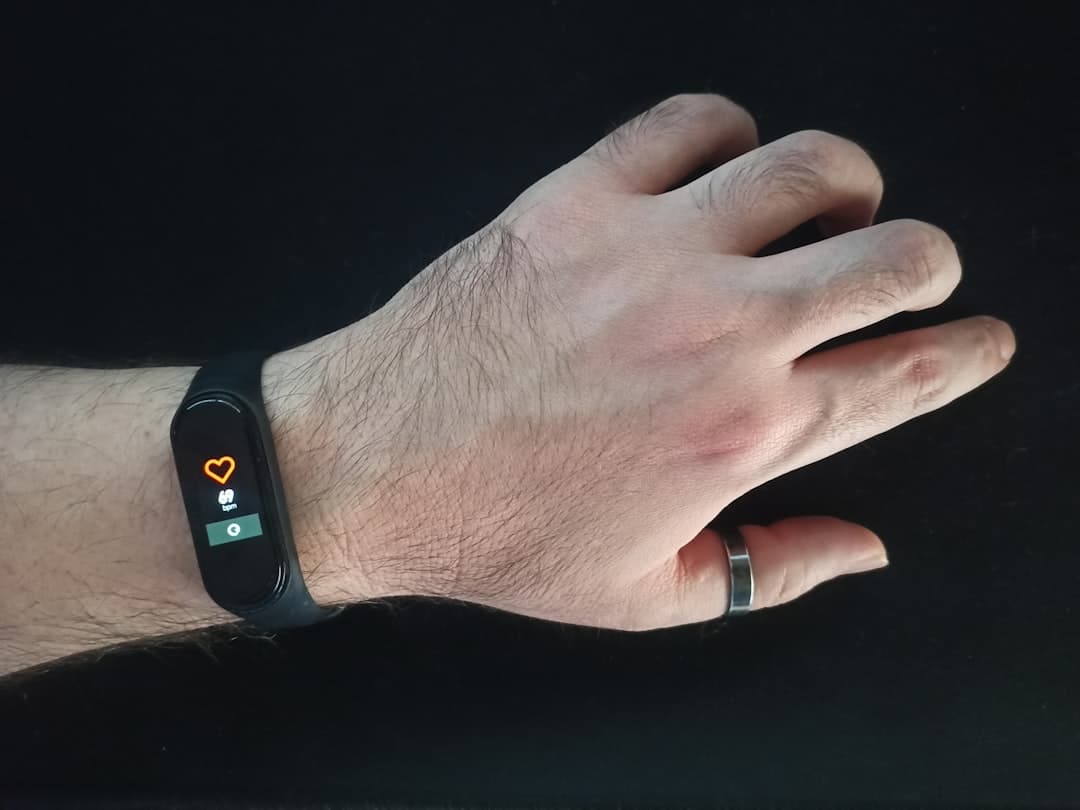
Wearable biometric security represents a significant evolution in personal security and identity verification. As technology advances, biometric systems are increasingly integrated into wearable devices such as smartwatches and fitness trackers. These devices authenticate users through unique biological characteristics including fingerprints, facial recognition, and heart rate patterns.
This transition to biometric security addresses the inadequacy of traditional passwords and PINs in today’s digital landscape. The emergence of wearable biometric security reflects a broader societal movement toward interconnected, technologically advanced lifestyles. With the growth of the Internet of Things (IoT), individuals seek enhanced personal security while maintaining convenient access to devices and data.
Wearable biometric technology provides a solution that balances security with accessibility, enabling seamless identity authentication.
Key Takeaways
- Wearable biometric security uses unique physiological traits for user authentication and access control.
- Current technologies include fingerprint scanners, heart rate monitors, and facial recognition integrated into wearable devices.
- Applications range from secure access to buildings and devices to personalized healthcare monitoring.
- Key advantages are convenience and enhanced security, while limitations involve accuracy issues and potential privacy risks.
- Future trends focus on improved sensor technology, AI integration, and addressing ethical concerns to balance security with user privacy.
Current State of Wearable Biometric Security Technology
The current landscape of wearable biometric security technology is characterized by rapid advancements and increasing adoption across various sectors. Major tech companies have invested heavily in developing devices that incorporate biometric sensors capable of capturing and analyzing unique physiological traits. For instance, smartwatches equipped with heart rate monitors can use this data not only for health tracking but also for authentication purposes.
Companies like Apple and Samsung have integrated fingerprint scanners and facial recognition technology into their wearable devices, allowing users to unlock their gadgets or make secure transactions with a simple touch or glance. Moreover, the accuracy and reliability of these biometric systems have improved significantly over the years.
For example, advancements in machine learning have enabled facial recognition systems to adapt to changes in appearance, such as aging or changes in hairstyle, ensuring that users can still be authenticated even as their physical characteristics evolve. This technological maturity has led to increased consumer confidence in wearable biometric security solutions, paving the way for broader acceptance and utilization.
Potential Applications of Wearable Biometric Security
The potential applications of wearable biometric security are vast and varied, spanning multiple industries and use cases. In the healthcare sector, for instance, wearable devices equipped with biometric sensors can monitor patients’ vital signs in real-time while simultaneously ensuring that only authorized personnel can access sensitive medical data. This dual functionality not only enhances patient care but also safeguards privacy, as healthcare providers can rely on biometric authentication to verify identities before sharing critical information.
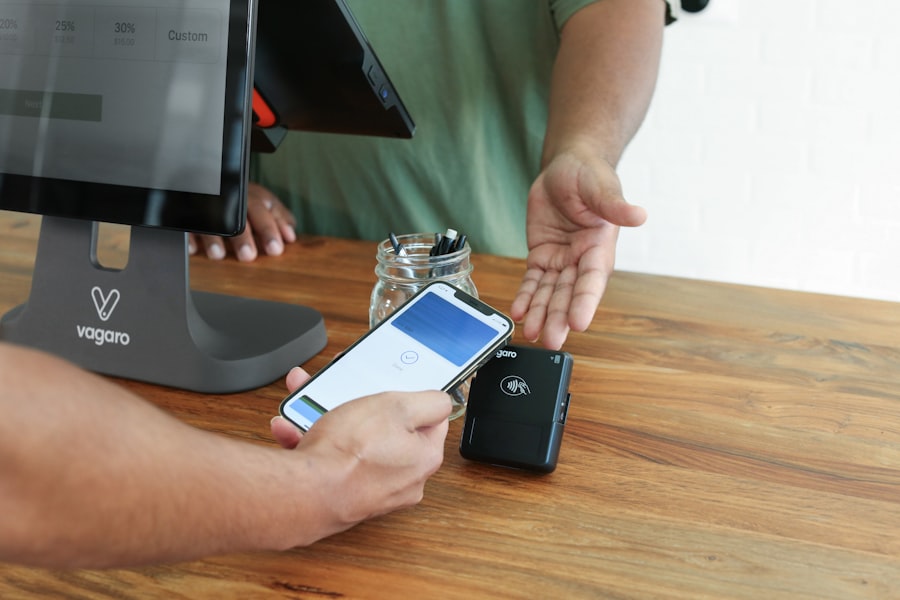
In the realm of finance, wearable biometric security is revolutionizing how transactions are conducted. Smartwatches and fitness bands equipped with biometric authentication capabilities allow users to make secure payments without needing to pull out their smartphones or enter passwords. This convenience is particularly appealing in fast-paced environments where speed is essential, such as retail settings or during travel.
Furthermore, the integration of biometric security into payment systems can significantly reduce fraud, as it becomes increasingly difficult for unauthorized individuals to replicate unique biological traits.
Advantages and Limitations of Wearable Biometric Security
The advantages of wearable biometric security are manifold, primarily revolving around enhanced security and user convenience. One of the most significant benefits is the reduction in reliance on traditional authentication methods, such as passwords or PINs, which are often vulnerable to theft or hacking. Biometric traits are inherently unique to each individual, making them far more difficult to replicate or forge.
This intrinsic security feature provides users with peace of mind, knowing that their identities are protected by something that cannot be easily stolen or forgotten. However, despite these advantages, there are limitations associated with wearable biometric security that must be acknowledged. One major concern is the potential for biometric data breaches.
While biometric traits are unique, they are not immune to theft; if an individual’s biometric data is compromised, it cannot be changed like a password. This raises significant concerns about data storage and management practices among companies that collect and store such sensitive information. Additionally, the accuracy of biometric systems can be affected by various factors, including environmental conditions or physical changes in the user’s appearance, which may lead to authentication failures.
Privacy Concerns and Ethical Considerations
| Metric | Current Status | Projected 5-Year Growth | Key Technologies | Challenges |
|---|---|---|---|---|
| Market Size (Wearable Biometric Devices) | 1.2 billion units (2023) | 15% CAGR | Fingerprint sensors, ECG, PPG, EEG | Cost, user adoption, privacy concerns |
| Authentication Accuracy | 85-90% | Improvement to 95%+ | Multimodal biometrics, AI algorithms | False positives/negatives, environmental factors |
| Battery Life | 1-3 days | 5-7 days | Low-power sensors, energy harvesting | Power consumption, device size |
| Data Security | Encryption standards evolving | Widespread adoption of blockchain & secure enclaves | End-to-end encryption, secure hardware | Data breaches, regulatory compliance |
| User Adoption Rate | 30% of smartphone users | Projected 60%+ | Seamless integration, user-friendly UX | Privacy concerns, cultural acceptance |
As wearable biometric security technology becomes more widespread, privacy concerns and ethical considerations come to the forefront of discussions surrounding its implementation. The collection and storage of biometric data raise significant questions about user consent and data ownership. Individuals may not fully understand how their biometric information is being used or who has access to it, leading to potential misuse or exploitation of sensitive data.
The lack of transparency in data handling practices can erode trust between consumers and technology providers. Moreover, there are ethical implications related to surveillance and monitoring. The ability to track individuals through their biometric data can lead to invasive practices that infringe on personal privacy rights.
For instance, employers may implement wearable biometric devices to monitor employee productivity or health metrics, raising concerns about autonomy and consent in the workplace. Striking a balance between leveraging technology for security purposes while respecting individual privacy rights is a complex challenge that requires careful consideration from policymakers, technologists, and society at large.
Emerging Trends and Innovations in Wearable Biometric Security
The field of wearable biometric security is continuously evolving, with emerging trends and innovations shaping its future trajectory. One notable trend is the integration of multi-modal biometric systems that combine various authentication methods for enhanced security. For example, a wearable device might utilize both fingerprint recognition and heart rate analysis to verify a user’s identity, significantly reducing the risk of unauthorized access.
This layered approach not only bolsters security but also provides users with greater flexibility in how they authenticate themselves. Another exciting innovation is the development of non-invasive biometric sensors that can capture physiological data without requiring direct contact with the skin. Technologies such as optical sensors can analyze blood flow patterns or even detect unique features in an individual’s voice for authentication purposes.
These advancements open up new possibilities for wearable devices, allowing for seamless integration into everyday life while maintaining high levels of security. As research continues to progress in this area, we can expect to see even more sophisticated solutions that enhance both user experience and security.
Integration of Wearable Biometric Security with Other Technologies
The integration of wearable biometric security with other technologies is a key factor driving its adoption across various sectors. One prominent example is the convergence of wearable devices with blockchain technology for secure identity management. By leveraging blockchain’s decentralized nature, individuals can maintain control over their biometric data while ensuring that it remains secure from unauthorized access or tampering.
This integration not only enhances security but also empowers users by giving them ownership over their personal information. Additionally, the incorporation of artificial intelligence (AI) into wearable biometric systems is transforming how these devices operate. AI algorithms can analyze vast amounts of biometric data in real-time, improving accuracy and responsiveness in authentication processes.
For instance, AI-driven facial recognition systems can quickly adapt to changes in lighting conditions or user expressions, ensuring reliable performance across various environments. This synergy between AI and wearable biometric technology promises to create more intelligent and responsive security solutions that cater to users’ evolving needs.
Predictions for the Future of Wearable Biometric Security
Looking ahead, the future of wearable biometric security appears promising as technological advancements continue to unfold. One prediction is that we will see an increase in regulatory frameworks governing the use of biometric data, aimed at protecting consumer privacy while fostering innovation in this space. Governments and organizations will likely implement stricter guidelines on how biometric information is collected, stored, and utilized, ensuring that individuals’ rights are safeguarded amidst rapid technological growth.
Furthermore, as consumer awareness regarding privacy issues grows, there will likely be a demand for more transparent practices from companies developing wearable biometric devices. Users will seek assurances that their data is handled responsibly and ethically, leading to a shift towards more privacy-centric designs and functionalities in future products. This evolution will not only enhance user trust but also drive competition among tech companies to prioritize ethical considerations alongside technological advancements.
In conclusion, wearable biometric security stands at the intersection of innovation and necessity in today’s digital landscape. As we navigate this complex terrain filled with opportunities and challenges, it becomes increasingly clear that the future will be shaped by our collective approach to balancing security needs with ethical considerations surrounding privacy and data protection.
In exploring the advancements in wearable technology, particularly in the realm of biometric security, it’s interesting to compare the leading devices on the market. A related article that delves into the features and functionalities of popular smartwatches is the comparison between the Apple Watch and the Samsung Galaxy Watch. You can read more about it in this article: Apple Watch vs. Samsung Galaxy Watch. This comparison highlights how these devices integrate biometric security features, making them essential tools for personal safety and convenience.
FAQs
What is wearable biometric security?
Wearable biometric security refers to the use of wearable devices, such as smartwatches or fitness trackers, that utilize biometric data—like fingerprints, heart rate, or facial recognition—to authenticate and secure access to systems or information.
How do wearable biometric devices enhance security?
These devices provide continuous and convenient authentication by monitoring unique biological traits, making it harder for unauthorized users to gain access compared to traditional passwords or PINs.
What types of biometric data are commonly used in wearable security?
Common biometric data include fingerprints, heart rate patterns, electrocardiogram (ECG) signals, voice recognition, and facial features.
Are wearable biometric security systems reliable?
While wearable biometric systems have improved significantly, their reliability depends on the quality of sensors, algorithms, and environmental factors. Continuous advancements aim to reduce false positives and negatives.
What are the privacy concerns associated with wearable biometric security?
Privacy concerns include unauthorized data collection, storage, and potential misuse of sensitive biometric information. Ensuring secure data encryption and user consent is critical.
How is the future of wearable biometric security expected to evolve?
The future will likely see more sophisticated sensors, improved accuracy, integration with AI for adaptive security, and broader adoption across industries such as healthcare, finance, and personal electronics.
Can wearable biometric security replace traditional authentication methods?
Wearable biometrics are expected to complement rather than completely replace traditional methods, providing multi-factor authentication for enhanced security.
What industries benefit most from wearable biometric security?
Healthcare, finance, government, and consumer electronics are among the industries that benefit significantly from wearable biometric security due to the need for secure and convenient authentication.
Is wearable biometric data vulnerable to hacking?
Like all digital data, biometric data can be vulnerable if not properly secured. Advanced encryption and secure storage protocols are essential to protect against hacking.
Are there any regulations governing wearable biometric security?
Yes, various regions have regulations such as GDPR in Europe and CCPA in California that govern the collection, storage, and use of biometric data to protect user privacy.