


The emergence of virtual classrooms has transformed the educational landscape, particularly in the last two decades. Initially, online learning was a niche market, primarily catering to non-traditional students or those seeking flexible learning options. However, the advent of high-speed internet and the proliferation of digital devices have catalyzed a significant shift towards virtual education.
The COVID-19 pandemic acted as a powerful accelerant, forcing educational institutions worldwide to pivot to online platforms almost overnight. This sudden transition highlighted the potential of virtual classrooms to deliver quality education regardless of geographical constraints. As a result, virtual classrooms have evolved from simple video conferencing tools to sophisticated learning environments that incorporate interactive elements, multimedia resources, and collaborative features.
Platforms like Zoom, Google Classroom, and Microsoft Teams have become household names in education, enabling real-time interaction between educators and students. The rise of Learning Management Systems (LMS) such as Moodle and Canvas has further enhanced the virtual learning experience by providing structured course materials, assessments, and forums for discussion. This evolution has not only made education more accessible but has also fostered a culture of continuous learning, where students can engage with content at their own pace and revisit materials as needed.
Key Takeaways
- Virtual classrooms have transformed education by enabling remote and flexible learning worldwide.
- Technological advancements have expanded access to quality education across diverse populations.
- Virtual classrooms help bridge cultural gaps by fostering global interaction and understanding.
- Despite challenges like digital divide and engagement, virtual learning offers significant opportunities for innovation.
- Global collaboration in virtual classrooms is crucial for preparing students for the evolving job market.
Advancements in Technology and Global Education
Technological advancements have played a pivotal role in shaping global education, particularly through the integration of virtual classrooms. The development of cloud computing has enabled educational institutions to store vast amounts of data and resources online, making them accessible to students from anywhere in the world. This democratization of information has empowered learners to pursue knowledge beyond the confines of their local educational systems.
For instance, platforms like Coursera and edX offer courses from prestigious universities such as Harvard and MIT, allowing students from diverse backgrounds to access high-quality education without the barriers of cost or location. Moreover, the incorporation of artificial intelligence (AI) and machine learning into virtual classrooms has personalized the learning experience. Adaptive learning technologies can analyze student performance in real-time and tailor educational content to meet individual needs.
This level of customization not only enhances student engagement but also improves retention rates by addressing specific learning gaps. Additionally, advancements in virtual reality (VR) and augmented reality (AR) are beginning to create immersive learning experiences that were previously unimaginable. For example, medical students can now practice surgical procedures in a simulated environment, gaining hands-on experience without the risks associated with real-life operations.
Access to Education for All
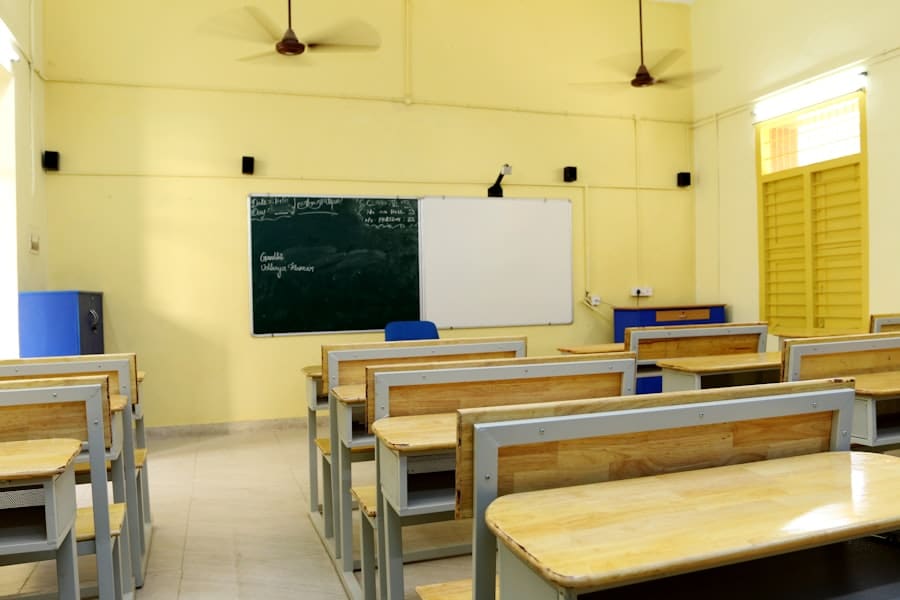
One of the most significant benefits of virtual classrooms is their potential to provide access to education for all, regardless of socioeconomic status or geographical location. In many parts of the world, traditional educational institutions are limited by infrastructure challenges, such as inadequate facilities or a shortage of qualified teachers. Virtual classrooms can circumvent these obstacles by offering a platform where students can learn from experienced educators without the need for physical proximity.
This is particularly crucial in rural or underserved areas where educational resources are scarce. Furthermore, virtual classrooms can cater to diverse learning needs by offering various formats and resources. Students with disabilities can benefit from assistive technologies that enhance their learning experience, such as screen readers or captioning services.
Additionally, language barriers can be addressed through multilingual course offerings and translation tools that make content accessible to non-native speakers. By breaking down these barriers, virtual classrooms promote inclusivity and ensure that education is a right rather than a privilege.
The Impact of Virtual Classrooms on Traditional Education Systems
The rise of virtual classrooms has prompted a reevaluation of traditional education systems worldwide. As more students opt for online learning, educational institutions are compelled to adapt their teaching methodologies and curricula to remain relevant. This shift has led to a blending of traditional and online approaches, often referred to as hybrid learning.
In this model, students benefit from both face-to-face interactions and the flexibility of online coursework, creating a more dynamic educational experience. Moreover, the competition posed by virtual classrooms has encouraged traditional institutions to innovate and improve their offerings. Schools and universities are increasingly investing in technology-enhanced learning environments, incorporating digital tools into their curricula, and training educators to effectively use these resources.
This transformation is not merely about adopting new technologies; it also involves rethinking pedagogical strategies to foster critical thinking, collaboration, and creativity among students. As a result, traditional education systems are evolving into more adaptive and responsive entities that prioritize student engagement and success.
The Role of Virtual Classrooms in Bridging Cultural Gaps
| Metric | Current Value (2024) | Projected Value (2030) | Notes |
|---|---|---|---|
| Global Virtual Classroom Adoption Rate | 45% | 75% | Percentage of educational institutions using virtual classrooms |
| Average Student Engagement Increase | 15% | 30% | Improvement in engagement due to interactive virtual tools |
| Number of Languages Supported in Virtual Classrooms | 50 | 100+ | Expansion to support global learners |
| Percentage of Courses Offering AI-Personalized Learning | 20% | 65% | Use of AI to tailor learning experiences |
| Global Student Access to High-Speed Internet | 60% | 85% | Critical for effective virtual learning |
| Virtual Classroom Market Size (in billions) | 120 | 350 | Reflects growth in virtual education technologies |
| Average Cost Reduction for Education Delivery | 10% | 40% | Cost savings from virtual vs traditional classrooms |
| Student Satisfaction Rate with Virtual Learning | 70% | 85% | Based on surveys and feedback |
Virtual classrooms have emerged as powerful tools for bridging cultural gaps and fostering global understanding among students from diverse backgrounds. By connecting learners from different countries and cultures, these platforms facilitate cross-cultural exchanges that enrich the educational experience. For instance, collaborative projects involving students from various nations can promote cultural awareness and empathy, allowing participants to gain insights into different perspectives and ways of life.
Additionally, virtual classrooms enable educators to incorporate global issues into their curricula, encouraging students to engage with topics such as climate change, social justice, and human rights from a global perspective. This exposure not only broadens students’ horizons but also cultivates a sense of global citizenship. Programs like eTwinning connect schools across Europe for collaborative projects that emphasize cultural exchange and mutual understanding.
Such initiatives highlight the potential of virtual classrooms to transcend borders and foster a more interconnected world.
Challenges and Opportunities in Virtual Classrooms

While virtual classrooms offer numerous advantages, they also present unique challenges that educators and institutions must navigate. One significant concern is the digital divide; not all students have equal access to technology or reliable internet connections. This disparity can exacerbate existing inequalities in education, leaving some students at a disadvantage compared to their peers.
Addressing this issue requires concerted efforts from governments, educational institutions, and technology providers to ensure that all learners have access to the necessary resources. Another challenge is maintaining student engagement in a virtual environment. The absence of physical presence can lead to feelings of isolation or disconnection among students.
Educators must employ innovative strategies to foster interaction and collaboration within virtual classrooms. Techniques such as breakout rooms for small group discussions, interactive polls during lectures, and gamified learning experiences can help create a sense of community among learners. Despite these challenges, the opportunities presented by virtual classrooms are immense; they encourage educators to rethink traditional teaching methods and explore new ways to engage students effectively.
The Future of Virtual Classrooms in the Job Market
As the job market continues to evolve in response to technological advancements, virtual classrooms are poised to play a crucial role in preparing students for future careers. Employers increasingly value skills such as adaptability, digital literacy, and collaboration—qualities that are often cultivated through online learning experiences.
Moreover, many industries are embracing remote work arrangements, making it essential for graduates to be comfortable with virtual collaboration tools and online communication platforms. As a result, educational institutions must equip students with the skills necessary to thrive in this new landscape. Programs that emphasize project-based learning and real-world applications can help bridge the gap between academic knowledge and practical skills required in the workforce.
By integrating career readiness into virtual classroom curricula, educators can better prepare students for success in an increasingly competitive job market.
The Importance of Global Collaboration in Virtual Classrooms
Global collaboration is a cornerstone of effective virtual classrooms, enabling students to engage with peers from around the world while working on shared projects or exploring common interests. This collaborative approach fosters teamwork skills and encourages learners to appreciate diverse viewpoints while tackling complex global challenges together. Initiatives like Global Virtual Classroom connect students across continents for collaborative projects that address pressing issues such as sustainability or public health.
Furthermore, global collaboration enhances language skills as students communicate with peers who speak different languages or dialects. This exposure not only improves linguistic proficiency but also promotes cultural exchange and understanding among participants.
By prioritizing global collaboration within virtual classrooms, educators can cultivate a generation of learners who are not only knowledgeable but also empathetic global citizens ready to tackle the challenges of an interconnected world.
In exploring the transformative potential of virtual classrooms and global education, it’s interesting to consider how technology influences learning tools. A related article that delves into the impact of modern devices on education is the review of smartwatches, which highlights their role in enhancing communication and learning experiences. You can read more about it in this smartwatch review.
FAQs
What are virtual classrooms?
Virtual classrooms are online learning environments where teachers and students interact in real-time through digital platforms, enabling education to take place remotely.
How do virtual classrooms impact global education?
Virtual classrooms make education accessible to students worldwide, breaking geographical barriers and allowing for diverse, inclusive learning experiences.
What technologies are commonly used in virtual classrooms?
Technologies include video conferencing tools, learning management systems (LMS), interactive whiteboards, and collaboration software.
What are the benefits of virtual classrooms?
Benefits include flexibility in learning schedules, access to a wide range of resources, personalized learning experiences, and opportunities for global collaboration.
What challenges do virtual classrooms face?
Challenges include digital divide issues, lack of face-to-face interaction, potential distractions, and the need for reliable internet access.
How is the future of virtual classrooms expected to evolve?
The future is expected to see increased use of artificial intelligence, virtual reality, and augmented reality to create more immersive and personalized learning experiences.
Can virtual classrooms replace traditional classrooms?
While virtual classrooms offer many advantages, they are generally seen as complementary to traditional education rather than a complete replacement.
How do virtual classrooms support lifelong learning?
They provide flexible, accessible opportunities for individuals to continue education and skill development throughout their lives.
What role do educators play in virtual classrooms?
Educators facilitate learning, provide guidance, create engaging content, and support students’ academic and social development in the virtual environment.
Are virtual classrooms effective for all age groups?
Virtual classrooms can be effective across age groups but may require different approaches and tools tailored to the learners’ developmental stages and needs.