


The concept of tokenizing real-world assets (RWAs) has gained significant traction in recent years, driven by advancements in blockchain technology and a growing interest in decentralized finance (DeFi). Tokenization refers to the process of converting ownership rights in a tangible asset into a digital token that can be traded on a blockchain. This innovation allows for fractional ownership, increased liquidity, and enhanced accessibility to a broader range of investors.
As traditional barriers to entry in various asset classes diminish, the appeal of tokenization becomes increasingly evident. One of the most compelling aspects of tokenizing RWAs is its potential to democratize investment opportunities. Historically, high-value assets such as real estate, fine art, and collectibles have been accessible primarily to wealthy individuals or institutional investors.
Tokenization breaks down these barriers by allowing multiple investors to own fractions of an asset, thereby lowering the minimum investment threshold. For instance, a luxury property valued at $1 million could be tokenized into 1,000 tokens, each representing a $1,000 stake. This model not only opens up investment opportunities to a wider audience but also fosters a more inclusive financial ecosystem.
Key Takeaways
- Tokenizing real-world assets (RWAs) is transforming traditional finance by enabling fractional ownership and increased liquidity.
- Blockchain technology underpins the secure and transparent tokenization of assets like real estate and art.
- Regulatory frameworks present both challenges and opportunities for the growth of RWA tokenization markets.
- Emerging tokenization platforms and marketplaces are evolving to support diverse asset classes and investor needs.
- Tokenizing RWAs offers new investment opportunities but also involves risks related to market volatility and regulatory uncertainty.
The Potential Impact on Traditional Financial Systems
The tokenization of RWAs has the potential to disrupt traditional financial systems significantly. By enabling the direct transfer of ownership through blockchain technology, tokenization can streamline processes that have historically been cumbersome and slow. For example, the buying and selling of real estate often involve lengthy due diligence processes, extensive paperwork, and multiple intermediaries such as brokers and lawyers.
Tokenization can simplify these transactions by automating many of the steps involved, reducing costs and timeframes associated with property transfers. Moreover, the liquidity that tokenization introduces could transform how assets are traded. In traditional markets, selling a property or a piece of art can take weeks or even months.
However, with tokenized assets, transactions can occur almost instantaneously on secondary markets. This increased liquidity not only benefits sellers but also attracts more investors who may have previously been deterred by the illiquid nature of certain asset classes. As a result, traditional financial institutions may need to adapt their business models to accommodate this shift toward more liquid and efficient markets.
Regulatory Challenges and Opportunities
Despite the promising prospects of tokenizing RWAs, regulatory challenges loom large over this burgeoning sector. The legal status of digital tokens varies significantly across jurisdictions, leading to uncertainty for businesses and investors alike. In many cases, regulators are still grappling with how to classify tokens—whether they should be treated as securities, commodities, or something entirely new.
This ambiguity can hinder innovation and deter investment in tokenized assets. However, these regulatory challenges also present opportunities for collaboration between industry stakeholders and regulators. As governments and regulatory bodies begin to understand the implications of tokenization, there is potential for the development of clear frameworks that promote innovation while ensuring investor protection.
For instance, some jurisdictions have already begun to implement sandbox environments where companies can test their tokenization models under regulatory oversight. Such initiatives could pave the way for more comprehensive regulations that foster growth in the sector while addressing concerns related to fraud, money laundering, and consumer protection.
The Role of Blockchain Technology in Tokenizing RWAs
Blockchain technology serves as the backbone for the tokenization of real-world assets, providing a secure and transparent framework for recording ownership and transaction history. The decentralized nature of blockchain eliminates the need for intermediaries, allowing for peer-to-peer transactions that can significantly reduce costs and increase efficiency. Each token created on a blockchain is unique and can be programmed with specific rules regarding ownership rights, transferability, and other conditions.
Smart contracts play a crucial role in this process by automating various aspects of asset management and transaction execution. For example, a smart contract could be programmed to automatically distribute rental income from a tokenized property to all token holders based on their ownership percentage. This level of automation not only enhances transparency but also minimizes the potential for disputes among investors.
Furthermore, blockchain’s immutable ledger ensures that all transactions are recorded permanently, providing an auditable trail that can enhance trust among participants in the market.
The Evolution of Tokenization Platforms and Marketplaces
| Metric | Current Status | Projected Growth (Next 5 Years) | Key Drivers | Challenges |
|---|---|---|---|---|
| Market Size (Tokenized RWAs) | Approximately 10 billion | Expected to reach 1 trillion | Increased adoption of blockchain, regulatory clarity, institutional interest | Regulatory uncertainty, technological integration, liquidity issues |
| Number of Tokenized Asset Types | 5-7 (Real estate, art, commodities, debt, equity) | 15-20 (Including intellectual property, carbon credits, collectibles) | Diversification of asset classes, innovation in token standards | Valuation complexities, legal frameworks |
| Average Transaction Speed | Minutes to hours (depending on platform) | Seconds to minutes | Advancements in blockchain scalability, Layer 2 solutions | Network congestion, interoperability issues |
| Liquidity Improvement | Low to moderate | High | Fractional ownership, global access, secondary markets | Market fragmentation, regulatory barriers |
| Regulatory Compliance Adoption | Emerging frameworks in select jurisdictions | Widespread global standards | Government initiatives, industry collaboration | Jurisdictional differences, enforcement challenges |
As interest in tokenizing RWAs has surged, numerous platforms and marketplaces have emerged to facilitate this process. These platforms vary widely in their offerings, from those focused on specific asset classes like real estate or art to more generalized marketplaces that accommodate a diverse range of tokenized assets. Some platforms provide end-to-end solutions that include asset valuation, legal compliance, and marketing services, while others focus solely on the technical aspects of token creation and trading.
One notable example is RealT, which specializes in tokenizing real estate properties. Investors can purchase fractional ownership in properties through RealT’s platform, receiving rental income directly in cryptocurrency. This model not only democratizes access to real estate investments but also allows for seamless transactions across borders.
As these platforms continue to evolve, they are likely to incorporate more advanced features such as enhanced user interfaces, improved liquidity options, and integration with traditional financial systems.
Tokenizing Real Estate, Art, and Other High-Value Assets
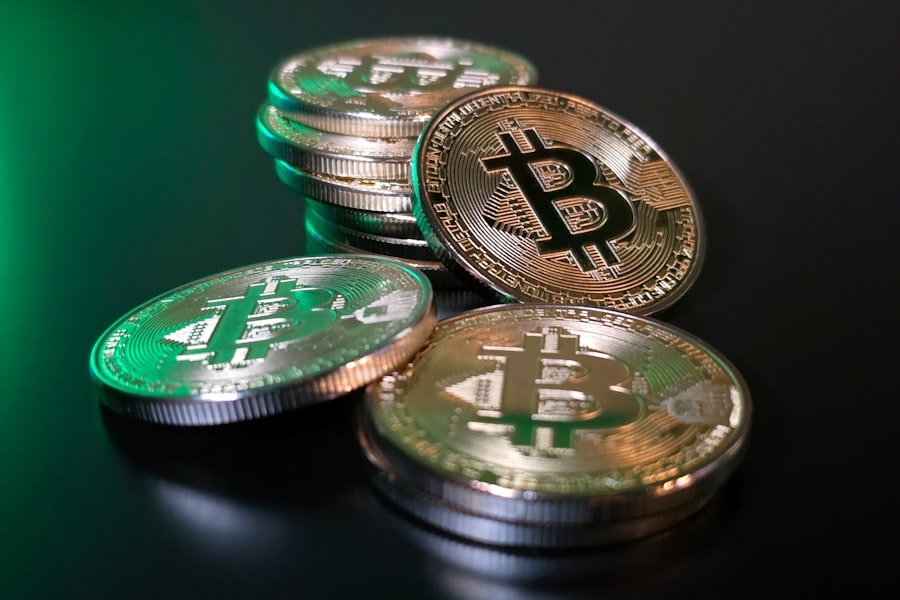
The application of tokenization extends across various asset classes, with real estate and art being two of the most prominent examples. In real estate, tokenization allows for fractional ownership of properties ranging from residential homes to commercial buildings. This approach not only lowers the barrier to entry for individual investors but also enables property owners to access capital without having to sell their entire asset.
For instance, a developer could tokenize a new apartment complex and sell shares to raise funds for construction while retaining ownership. In the art world, tokenization is revolutionizing how collectors buy and sell pieces. By creating digital tokens that represent ownership rights in artworks, artists and galleries can reach a broader audience while ensuring provenance and authenticity are maintained through blockchain records.
Platforms like Myco allow users to invest in fractional shares of high-value artworks, making it possible for art enthusiasts to diversify their collections without needing substantial capital upfront. This trend not only democratizes access to art investments but also provides artists with new revenue streams through ongoing royalties embedded in smart contracts.
The Future of Investment Opportunities for Retail and Institutional Investors
The future landscape of investment opportunities is poised for transformation as tokenization continues to gain momentum. Retail investors stand to benefit significantly from increased access to previously exclusive asset classes. With the ability to invest in fractions of high-value assets like real estate or fine art, individuals can build diversified portfolios without needing substantial capital reserves.
This shift could lead to a more equitable distribution of wealth as more people participate in investment opportunities that were once limited to affluent individuals. Institutional investors are also beginning to recognize the potential benefits of tokenized assets. As liquidity improves and transaction costs decrease, institutional players may find it advantageous to allocate portions of their portfolios to tokenized RWAs.
Furthermore, the ability to trade these assets on secondary markets could enhance portfolio management strategies by providing greater flexibility in asset allocation. As institutional adoption increases, it may further legitimize the market for tokenized assets and encourage more traditional financial institutions to explore partnerships with blockchain-based platforms.
Potential Risks and Rewards of Tokenizing RWAs
While the potential rewards of tokenizing RWAs are substantial, it is essential to acknowledge the inherent risks associated with this emerging market. One significant concern is the volatility often associated with cryptocurrencies and digital tokens. The value of tokenized assets can fluctuate dramatically based on market sentiment or regulatory developments, which may deter risk-averse investors from participating in this space.
Additionally, there are concerns regarding security and fraud within the realm of digital assets. Although blockchain technology offers enhanced security features compared to traditional systems, vulnerabilities still exist—particularly if private keys are mishandled or if platforms lack robust security measures against hacking attempts. Investors must remain vigilant about due diligence when selecting platforms for trading or investing in tokenized assets.
Increased liquidity can lead to more efficient price discovery mechanisms within markets that have historically been illiquid. Furthermore, the ability to fractionalize ownership opens up new avenues for investment diversification that were previously unattainable for many individuals.
As regulatory frameworks mature and technology continues to advance, the landscape for tokenized RWAs is likely to evolve further—offering both challenges and opportunities for investors navigating this dynamic environment.
In exploring the future of tokenizing real-world assets (RWAs), it’s essential to consider the broader implications of technology in various sectors. A related article that delves into the impact of innovative tools on business strategies is available at 2023 Best Group Buy SEO Tools Provider: Dive into Premium Tools. This piece highlights how advanced digital solutions can enhance operational efficiency, which is crucial as industries begin to adopt tokenization for RWAs.
FAQs
What are Real-World Assets (RWAs) in the context of tokenization?
Real-World Assets (RWAs) refer to tangible or physical assets such as real estate, commodities, art, or financial instruments that are represented digitally on a blockchain through tokenization.
What does tokenizing Real-World Assets mean?
Tokenizing RWAs involves creating digital tokens on a blockchain that represent ownership or a stake in a physical asset, enabling easier transfer, fractional ownership, and increased liquidity.
What are the benefits of tokenizing Real-World Assets?
Tokenization can increase liquidity, reduce transaction costs, enable fractional ownership, improve transparency, and facilitate faster and more secure transactions.
How does tokenization impact traditional asset markets?
Tokenization can democratize access to assets, open new investment opportunities, enhance market efficiency, and potentially disrupt traditional intermediaries like brokers and custodians.
What technologies are essential for tokenizing RWAs?
Key technologies include blockchain platforms, smart contracts, digital identity verification, and secure custody solutions to ensure asset representation and transaction integrity.
Are there regulatory challenges associated with tokenizing RWAs?
Yes, regulatory frameworks vary by jurisdiction and can affect compliance, investor protection, asset custody, and legal recognition of tokenized assets.
What types of assets are commonly tokenized today?
Commonly tokenized assets include real estate properties, fine art, precious metals, commodities, and financial instruments like bonds and equities.
How does tokenization affect asset liquidity?
By enabling fractional ownership and peer-to-peer trading on blockchain platforms, tokenization can significantly enhance the liquidity of traditionally illiquid assets.
Is tokenization secure?
Tokenization leverages blockchain’s cryptographic security and transparency, but security also depends on the underlying platform, smart contract code, and custody solutions.
What is the future outlook for tokenizing Real-World Assets?
The future is promising with increasing adoption, technological advancements, and evolving regulations expected to drive broader integration of tokenized RWAs into mainstream finance.