

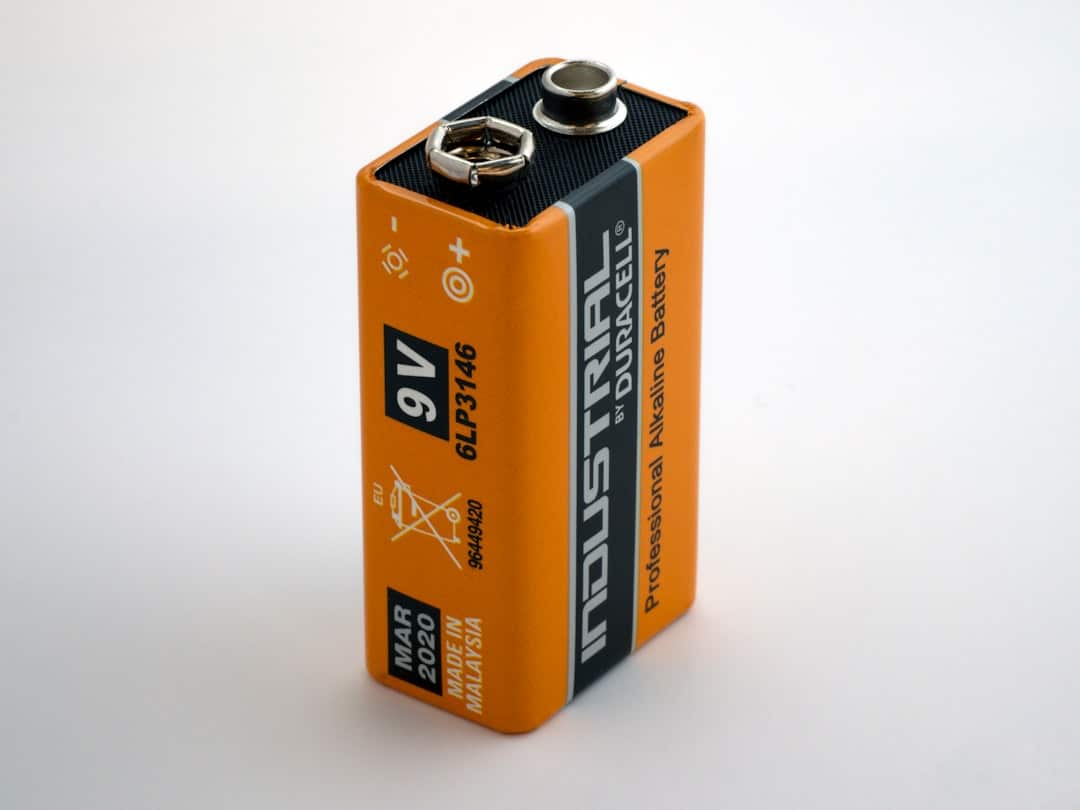
Sodium-ion batteries (SIBs) have emerged as a promising alternative to traditional lithium-ion batteries (LIBs), particularly in the context of energy storage solutions. The fundamental principle behind sodium-ion technology is similar to that of lithium-ion systems, where sodium ions move between the anode and cathode during charge and discharge cycles. However, the use of sodium as a charge carrier offers distinct advantages, primarily due to its abundance and lower cost compared to lithium. As the demand for energy storage continues to grow, particularly with the rise of renewable energy sources, sodium-ion batteries are gaining attention for their potential to provide efficient and sustainable energy solutions.
The development of sodium-ion batteries has been driven by the need for more sustainable energy storage technologies. With the increasing global focus on reducing reliance on fossil fuels and minimizing environmental impact, researchers and companies are exploring alternatives that can meet energy demands without depleting finite resources. Sodium, being the sixth most abundant element in the Earth’s crust, presents a viable option for large-scale battery production. This introduction of sodium-ion technology into the energy storage market could play a significant role in addressing both economic and environmental challenges associated with current battery technologies.
In exploring the advancements in energy storage technologies, a related article titled “The Rise of Sodium-Ion Batteries: A Sustainable Alternative to Lithium” provides valuable insights into the potential of sodium-ion batteries as a viable substitute for traditional lithium-ion systems. This article delves into the environmental benefits, cost-effectiveness, and performance metrics of sodium-ion technology, highlighting its role in the future of renewable energy storage. For more information, you can read the article here: The Rise of Sodium-Ion Batteries: A Sustainable Alternative to Lithium.
Key Takeaways
- Sodium-ion batteries offer a cost-effective and abundant alternative to lithium-ion batteries.
- Key challenges include improving energy density and cycle life for commercial viability.
- They have potential applications in large-scale energy storage and electric vehicles.
- Sodium-ion batteries present environmental benefits due to more sustainable and abundant materials.
- Market interest and investment in sodium-ion technology are growing, signaling promising future developments.
Advantages and Disadvantages of Sodium-Ion Batteries
Sodium-ion batteries offer several advantages that make them an attractive option for various applications. One of the primary benefits is their cost-effectiveness. Sodium is significantly more abundant and cheaper than lithium, which can lead to lower production costs for sodium-ion batteries. This economic advantage is particularly relevant for large-scale applications, such as grid energy storage, where cost efficiency is crucial. Additionally, sodium-ion batteries can operate effectively at lower temperatures compared to their lithium counterparts, which can enhance their performance in diverse environmental conditions.
However, sodium-ion batteries also face several disadvantages that must be addressed for widespread adoption. One notable challenge is their lower energy density compared to lithium-ion batteries. This means that sodium-ion batteries typically store less energy per unit weight or volume, which can limit their use in applications where space and weight are critical factors, such as in electric vehicles. Furthermore, the cycle life of sodium-ion batteries tends to be shorter than that of lithium-ion batteries, which raises concerns about their longevity and overall performance over time.
These limitations highlight the need for ongoing research and development to improve the efficiency and viability of sodium-ion technology.
Current Challenges and Research in Sodium-Ion Battery Technology
Despite the potential advantages of sodium-ion batteries, several challenges remain in their development and commercialization. One significant issue is the optimization of electrode materials. The performance of sodium-ion batteries heavily relies on the materials used for the anode and cathode. Researchers are actively exploring various compounds, such as transition metal oxides and polyanionic materials, to enhance the electrochemical performance of these batteries. Finding suitable materials that can accommodate the larger size of sodium ions while maintaining high conductivity and stability is a key focus area in current research.
Another challenge is improving the overall efficiency and cycle stability of sodium-ion batteries. While advancements have been made in recent years, issues such as capacity fading and poor rate capability still hinder their performance. Researchers are investigating innovative approaches, including nanostructuring and surface modifications, to enhance ion transport and reduce degradation during charge-discharge cycles. Additionally, understanding the fundamental mechanisms behind sodium ion intercalation and deintercalation processes is crucial for developing more efficient battery systems. Ongoing research efforts aim to address these challenges and pave the way for more reliable sodium-ion battery technologies.
Potential Applications of Sodium-Ion Batteries

Sodium-ion batteries hold promise for a variety of applications across different sectors. One of the most significant areas is grid energy storage, where these batteries can help balance supply and demand by storing excess energy generated from renewable sources like solar and wind. Their cost-effectiveness makes them particularly suitable for large-scale installations, where they can provide backup power during peak demand periods or when renewable generation is low. This capability can enhance grid stability and facilitate the integration of renewable energy into existing power systems.
In addition to grid storage, sodium-ion batteries may also find applications in consumer electronics and electric vehicles (EVs). While their lower energy density poses challenges for EVs compared to lithium-ion batteries, ongoing advancements in technology could make them viable for specific use cases, such as stationary applications or short-range electric vehicles. Furthermore, their ability to operate effectively at lower temperatures could make them suitable for regions with extreme climates. As research continues to progress, new applications for sodium-ion batteries may emerge, expanding their role in the energy landscape.
As the exploration of alternative energy storage solutions continues, the potential of sodium-ion batteries is gaining attention as a viable substitute for lithium-ion technology. This shift is crucial given the environmental and supply chain challenges associated with lithium extraction. For those interested in the broader implications of technology in various sectors, a related article discusses the best tablets for business in 2023, highlighting how advancements in portable devices can complement innovations in energy storage. You can read more about it here.
Environmental Impact and Sustainability of Sodium-Ion Batteries
| Metric | Sodium-Ion Batteries | Lithium-Ion Batteries | Comments |
|---|---|---|---|
| Energy Density (Wh/kg) | 90-160 | 150-250 | Sodium-ion batteries currently have lower energy density but are improving. |
| Cycle Life (cycles) | 1000-2000 | 1000-3000 | Comparable cycle life, with ongoing improvements in sodium-ion technology. |
| Raw Material Abundance | High (Sodium is abundant and widely available) | Moderate (Lithium is less abundant and geographically concentrated) | Sodium offers a more sustainable and geopolitically stable supply chain. |
| Cost per kWh | Lower | Higher | Sodium-ion batteries have potential for lower costs due to cheaper materials. |
| Operating Temperature Range (°C) | -20 to 60 | -20 to 60 | Both battery types operate effectively in similar temperature ranges. |
| Charging Speed | Moderate | Fast | Lithium-ion batteries currently support faster charging. |
| Environmental Impact | Lower | Moderate | Sodium-ion batteries use less toxic and more abundant materials. |
| Commercial Availability | Emerging | Established | Sodium-ion batteries are entering the market but not yet widespread. |
The environmental impact of battery technologies is a critical consideration in today’s energy landscape. Sodium-ion batteries present several sustainability advantages over traditional lithium-ion systems. The abundance of sodium means that its extraction has a lower ecological footprint compared to lithium mining, which often involves environmentally damaging practices. Additionally, sodium-ion batteries do not rely on cobalt or nickel, two metals associated with significant environmental and ethical concerns due to mining practices.
Moreover, the recyclability of sodium-ion batteries is an important factor in their sustainability profile. As research progresses, methods for recycling sodium-ion battery components are being developed to minimize waste and recover valuable materials. This focus on circular economy principles aligns with global efforts to create more sustainable energy systems. By reducing reliance on finite resources and promoting recycling initiatives, sodium-ion batteries could contribute positively to environmental sustainability while meeting growing energy demands.
As the demand for sustainable energy storage solutions continues to grow, the exploration of sodium-ion batteries as a viable alternative to lithium-ion technology is gaining traction. A related article discusses the innovative features of the Samsung Galaxy Z Fold4, which showcases advancements in battery technology and design that could influence the future of portable devices. For more insights on cutting-edge technology, you can read about it here. This intersection of battery innovation and consumer electronics highlights the potential for sodium-ion batteries to reshape the landscape of energy storage in various applications.
Comparison with Lithium-Ion Batteries
When comparing sodium-ion batteries with lithium-ion batteries, several key differences emerge that influence their respective applications and market potential. One of the most significant distinctions is energy density; lithium-ion batteries generally offer higher energy density, making them more suitable for applications where weight and space are critical factors, such as in portable electronics and electric vehicles. This advantage has led to widespread adoption of lithium-ion technology across various industries.
However, sodium-ion batteries present compelling advantages in terms of cost and resource availability. The abundance of sodium makes it a more sustainable option for large-scale energy storage solutions, particularly as demand for renewable energy integration increases. Additionally, sodium-ion batteries can be produced with fewer environmental concerns related to resource extraction compared to lithium-ion systems. As research continues to advance sodium-ion technology, it may carve out a niche in specific applications where cost-effectiveness and sustainability are prioritized over energy density.
Investment and Market Trends in Sodium-Ion Battery Technology
The growing interest in sodium-ion battery technology has led to increased investment from both public and private sectors. Companies are recognizing the potential of SIBs as a viable alternative to lithium-ion systems, particularly in large-scale energy storage applications. Several startups and established firms are actively developing sodium-ion battery technologies, with some already entering pilot production phases. This influx of investment is driving innovation and accelerating research efforts aimed at overcoming existing challenges associated with SIBs.
Market trends indicate a shift towards diversifying battery technologies beyond lithium-ion solutions. As global demand for energy storage continues to rise, stakeholders are exploring various options that can complement or replace existing technologies. Sodium-ion batteries are positioned to play a significant role in this evolving landscape due to their cost advantages and sustainability profile. As more companies enter the market and technological advancements are made, it is likely that sodium-ion batteries will gain traction in various sectors.
Future Outlook for Sodium-Ion Batteries
The future outlook for sodium-ion batteries appears promising as research continues to address current challenges and improve performance metrics. Ongoing advancements in materials science and battery design are expected to enhance the efficiency and longevity of SIBs, making them more competitive with established technologies like lithium-ion batteries. As researchers develop new electrode materials and optimize battery architectures, the potential for higher energy densities and improved cycle stability will likely increase.
Furthermore, as global efforts toward sustainability intensify, sodium-ion batteries may become increasingly attractive for large-scale energy storage solutions. Their cost-effectiveness and lower environmental impact position them well within the context of renewable energy integration and grid stability initiatives. As industries seek alternatives to traditional battery technologies, sodium-ion batteries could emerge as a key player in shaping the future of energy storage systems worldwide. The continued investment in research and development will be crucial in realizing this potential and ensuring that sodium-ion technology can meet the evolving demands of various applications in the coming years.
FAQs
What are sodium-ion batteries?
Sodium-ion batteries are rechargeable batteries that use sodium ions as charge carriers instead of lithium ions. They operate on similar principles to lithium-ion batteries but utilize sodium, which is more abundant and less expensive.
How do sodium-ion batteries compare to lithium-ion batteries?
Sodium-ion batteries generally have a lower energy density than lithium-ion batteries, meaning they store less energy per unit weight. However, they offer advantages such as lower cost, greater material abundance, and improved safety in some cases.
What are the main advantages of sodium-ion batteries?
The primary advantages include the abundance and low cost of sodium compared to lithium, reduced environmental impact due to more sustainable sourcing, and potential for safer battery operation with less risk of thermal runaway.
What challenges do sodium-ion batteries currently face?
Challenges include lower energy density, shorter cycle life, and the need for further development of electrode materials and electrolytes to improve performance and commercial viability.
What is the future outlook for sodium-ion batteries as a lithium alternative?
Sodium-ion batteries are considered a promising alternative for large-scale energy storage and certain electric vehicle applications, especially where cost and resource availability are critical. Ongoing research aims to enhance their performance, making them a competitive option alongside lithium-ion technology.