


Privacy coins are a subset of cryptocurrencies designed to enhance user anonymity and transaction confidentiality. Unlike traditional cryptocurrencies such as Bitcoin, which operate on transparent ledgers, privacy coins employ advanced cryptographic techniques to obscure transaction details, including sender and receiver identities as well as transaction amounts. This focus on privacy has attracted a diverse user base, including individuals seeking financial confidentiality, activists operating in oppressive regimes, and those simply interested in maintaining their financial privacy in an increasingly surveilled world.
The emergence of privacy coins can be traced back to the growing concerns over data privacy and the potential misuse of personal information. As digital transactions become more prevalent, the need for secure and private financial systems has gained prominence. Notable examples of privacy coins include Monero, Zcash, and Dash, each utilizing different methodologies to achieve anonymity. Monero, for instance, employs ring signatures and stealth addresses to obfuscate transaction details, while Zcash offers users the option of “shielded” transactions that hide sender and recipient information. This technological innovation has positioned privacy coins as a significant player in the broader cryptocurrency landscape.
In exploring the implications of privacy coins in a regulated environment, it is also interesting to consider how technology is evolving in other sectors. For instance, an article on the integration of Wear OS by Google highlights the intersection of fashion and technology, showcasing how wearable devices are becoming more stylish and functional. This evolution in wearable tech parallels the ongoing discussions about privacy and regulation in the cryptocurrency space. To learn more about this innovative trend, you can read the article here: Stay Stylish with Wear OS by Google.
Key Takeaways
- Privacy coins offer enhanced anonymity but face significant regulatory scrutiny worldwide.
- Regulatory challenges include anti-money laundering (AML) and know-your-customer (KYC) compliance issues.
- Solutions like selective transparency and improved compliance protocols are being explored to meet regulations.
- Regulation impacts adoption rates, with some users deterred by restrictions while others seek privacy features.
- Future innovations aim to balance user privacy with regulatory requirements, involving collaboration between developers and authorities.
Current Regulatory Challenges for Privacy Coins
The rise of privacy coins has not gone unnoticed by regulatory authorities worldwide. Governments are increasingly concerned about the potential for these cryptocurrencies to facilitate illicit activities such as money laundering, tax evasion, and financing terrorism. The anonymity provided by privacy coins poses a challenge for law enforcement agencies that rely on transaction transparency to track criminal activities. As a result, many jurisdictions are considering or have already implemented regulations aimed at curbing the use of privacy coins.
One of the primary regulatory challenges is the classification of privacy coins within existing financial frameworks. Many countries have yet to establish clear guidelines on how to treat these digital assets, leading to uncertainty for users and developers alike. Some regulators have taken a hardline approach, outright banning privacy coins or imposing strict compliance requirements that can stifle innovation. This regulatory ambiguity creates a complex environment for businesses operating in the cryptocurrency space, as they must navigate a patchwork of laws that vary significantly from one jurisdiction to another.
Potential Solutions for Regulatory Compliance
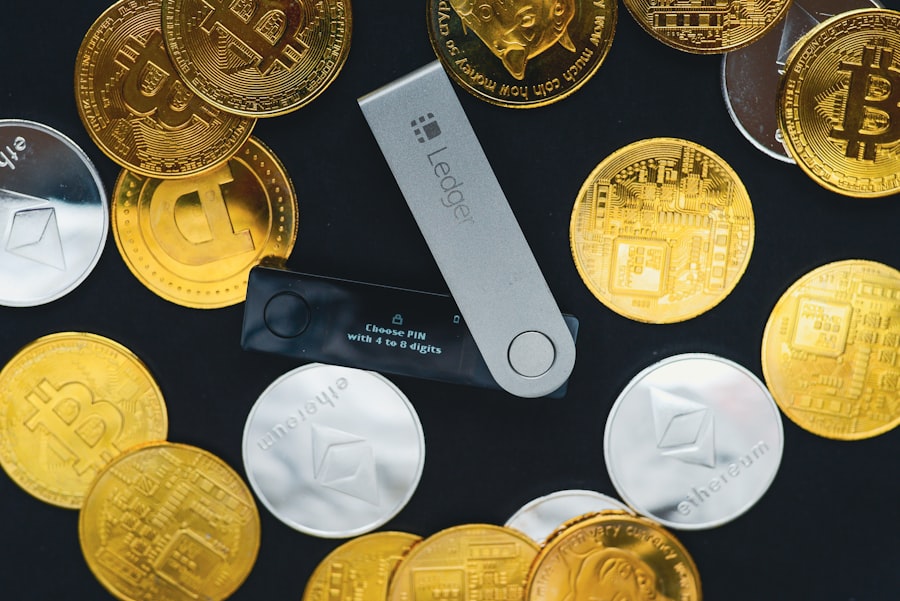
In response to regulatory challenges, several potential solutions have emerged that aim to balance the need for privacy with compliance requirements. One approach involves the development of hybrid models that incorporate both privacy features and mechanisms for regulatory oversight. For instance, some privacy coin projects are exploring ways to implement optional transparency features that allow users to disclose their transaction details when necessary, such as during audits or investigations.
Another solution is the adoption of decentralized identity systems that enable users to maintain control over their personal information while still complying with regulatory demands. These systems can provide a way for users to verify their identity without revealing sensitive data, thus addressing concerns about anonymity while still allowing for necessary oversight. Additionally, collaboration between privacy coin developers and regulatory bodies can foster a better understanding of the technology and its implications, leading to more informed and effective regulations.
Impact of Regulation on Privacy Coin Adoption

The regulatory landscape surrounding privacy coins has significant implications for their adoption and use. Stricter regulations can deter potential users who may fear legal repercussions or increased scrutiny from authorities. This hesitance can stifle innovation within the space, as developers may be less inclined to invest time and resources into projects that could face regulatory hurdles. Consequently, the overall growth of the privacy coin market may be hindered by an environment characterized by uncertainty and fear of legal repercussions.
Conversely, a clear and balanced regulatory framework could enhance user confidence and promote wider adoption of privacy coins. If users feel assured that they can engage with these digital assets without facing undue legal risks, they may be more likely to explore their benefits. Furthermore, regulations that encourage transparency while respecting user privacy could lead to a more sustainable ecosystem where privacy coins can thrive alongside traditional cryptocurrencies.
As discussions around the future of privacy coins in a regulated world continue to evolve, it is essential to consider the broader implications of digital currencies on various sectors. For instance, an insightful article on the best VPS hosting providers highlights how the infrastructure supporting cryptocurrencies can impact their adoption and regulation. Understanding these connections can provide a clearer picture of how privacy coins might navigate the complexities of compliance and user privacy in the coming years. You can read more about it in this related article.
Future Innovations in Privacy Coin Technology
| Metric | Current Status | Projected Trend (Next 5 Years) | Impact of Regulation | Notes |
|---|---|---|---|---|
| Market Capitalization | Approximately 5 billion | Moderate growth or stabilization | Potential restrictions may limit growth | Depends on regulatory acceptance and innovation |
| Number of Active Users | 1-2 million globally | Slow growth with possible regional declines | Increased KYC/AML requirements may reduce anonymity appeal | Privacy features may be adapted to comply with laws |
| Regulatory Compliance Rate | Low (10-20%) | Increasing to 50-60% | Stronger enforcement encourages compliance | Development of compliant privacy protocols ongoing |
| Transaction Volume | High in unregulated markets | Shift towards regulated exchanges and platforms | Regulations may reduce illicit use but increase legitimate use | Privacy coins may integrate selective disclosure features |
| Adoption by Financial Institutions | Minimal | Gradual increase with compliant solutions | Regulations drive cautious adoption | Partnerships with regulated entities expected |
As the cryptocurrency landscape evolves, so too does the technology underpinning privacy coins.
Future innovations are likely to focus on enhancing both security and usability while addressing regulatory concerns.
One area of development is the integration of advanced cryptographic techniques such as zero-knowledge proofs, which allow one party to prove possession of certain information without revealing the information itself. This technology could enable privacy coins to offer robust anonymity while still providing mechanisms for compliance when necessary.
Another potential innovation lies in the interoperability of privacy coins with other blockchain networks. By enabling seamless transactions between different cryptocurrencies while maintaining privacy features, developers can create a more integrated financial ecosystem. This could facilitate greater adoption by allowing users to leverage the benefits of privacy coins without sacrificing access to other digital assets or services.
As discussions around the future of privacy coins in a regulated world continue to evolve, it is essential to consider the broader implications of digital currencies on various sectors. A related article explores the best group buy SEO tools available, which can significantly enhance online visibility for businesses navigating this changing landscape. For more insights on effective strategies in the digital realm, you can read about these tools in detail here. Understanding the intersection of privacy and digital marketing is crucial as regulations shape the future of cryptocurrencies.
Balancing Privacy and Regulation in the Cryptocurrency Market
The challenge of balancing privacy with regulation is central to the ongoing discourse surrounding privacy coins. On one hand, the right to financial privacy is a fundamental aspect of individual freedom; on the other hand, regulatory frameworks are essential for preventing illicit activities and protecting consumers. Striking this balance requires thoughtful dialogue between stakeholders, including developers, regulators, and users.
One potential pathway forward is the establishment of industry standards that promote best practices for privacy coin development and usage. By creating guidelines that prioritize both user privacy and compliance with legal requirements, stakeholders can work together to foster an environment where innovation can flourish without compromising security or ethical considerations. This collaborative approach could lead to a more harmonious relationship between privacy-focused projects and regulatory bodies.
The Role of Government and Regulatory Bodies in Shaping the Future of Privacy Coins
Government agencies and regulatory bodies play a crucial role in shaping the future landscape of privacy coins. Their decisions regarding classification, compliance requirements, and enforcement actions will significantly influence how these digital assets are perceived and utilized. As such, it is essential for regulators to engage with industry experts and stakeholders to develop informed policies that reflect the complexities of cryptocurrency technology.
Moreover, international cooperation among regulatory bodies can help create a more consistent framework for addressing privacy coins across borders. Given the global nature of cryptocurrencies, harmonizing regulations can reduce confusion and provide clarity for users and businesses alike. By fostering an environment conducive to innovation while ensuring adequate protections against misuse, governments can help guide the responsible development of privacy coins in a way that benefits society as a whole.
Navigating the Future of Privacy Coins in a Regulated World
The future of privacy coins is intricately linked to the evolving regulatory landscape surrounding cryptocurrencies. As governments grapple with the challenges posed by these digital assets, finding a balance between user privacy and regulatory compliance will be essential. Innovations in technology may provide pathways for enhanced security while addressing concerns about illicit activities.
Ultimately, navigating this complex terrain will require collaboration among all stakeholders involved in the cryptocurrency ecosystem. By fostering open dialogue between developers, regulators, and users, it is possible to create a framework that respects individual rights while promoting responsible use of technology. As we move forward into an increasingly regulated world, the adaptability of privacy coins will be tested, but their potential to offer secure financial solutions remains significant.
FAQs
What are privacy coins?
Privacy coins are cryptocurrencies designed to enhance user anonymity and transaction confidentiality by obscuring details such as sender, receiver, and transaction amount.
Why are privacy coins facing regulatory challenges?
Regulators are concerned that privacy coins can be used for illicit activities like money laundering and tax evasion due to their enhanced anonymity features, leading to increased scrutiny and potential restrictions.
How might regulations impact the future of privacy coins?
Regulations could lead to stricter compliance requirements, reduced exchange listings, or even bans in certain jurisdictions, potentially limiting the adoption and use of privacy coins.
Are there any privacy coins currently compliant with regulations?
Some privacy coins and projects are exploring or implementing features to improve regulatory compliance, such as optional transparency or selective disclosure, to balance privacy with legal requirements.
What is the outlook for privacy coins in a regulated environment?
While regulatory pressures pose challenges, privacy coins may continue to evolve by adopting compliance-friendly technologies, and their demand for privacy could sustain their relevance in the cryptocurrency ecosystem.