

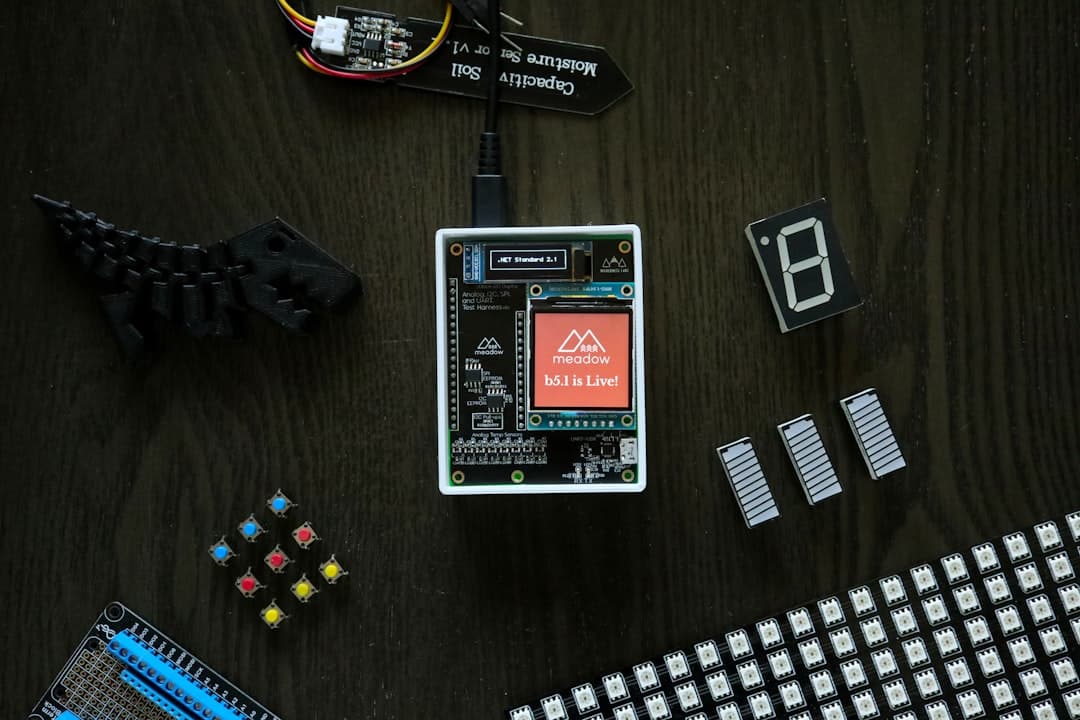
Edge AI represents the integration of artificial intelligence capabilities with Internet of Things (IoT) devices, enabling data processing at the point of collection rather than in remote cloud servers. This technology allows edge devices including sensors, cameras, and connected appliances to perform real-time data analysis and execute decisions locally. Edge AI proves essential in applications requiring minimal latency, such as autonomous vehicle navigation, industrial process control, and urban infrastructure management.
Local data processing reduces network bandwidth requirements and decreases operational expenses related to cloud data transmission. The implementation of Edge AI transforms IoT device functionality by enabling sophisticated computational tasks without continuous connection to centralized servers. This development responds to the rapid expansion of IoT deployments, with device populations expected to reach tens of billions within the next decade.
Traditional cloud-based architectures face scalability limitations when managing the massive data volumes generated by these distributed devices. Edge AI resolves this constraint by enabling on-device data processing and analysis, resulting in accelerated response times and immediate actionable insights. In manufacturing environments, Edge AI-equipped machinery can continuously monitor operational parameters, identify performance deviations, and implement corrective measures automatically, improving production efficiency and minimizing equipment downtime.
Key Takeaways
- Edge AI enables real-time data processing directly on IoT devices, reducing latency and bandwidth use.
- Current challenges include limited computational power, energy constraints, and data management issues.
- Recent advancements have improved AI model efficiency, hardware capabilities, and edge computing frameworks.
- Key applications span smart homes, healthcare monitoring, industrial automation, and autonomous vehicles.
- Integration with 5G networks enhances connectivity, enabling faster and more reliable edge AI deployments.
Current Challenges and Limitations
Despite its promising potential, the implementation of Edge AI in IoT devices is not without challenges. One of the primary hurdles is the limited computational power and storage capacity of edge devices compared to traditional cloud infrastructures. Many IoT devices are designed with cost-effectiveness in mind, which often results in hardware that lacks the necessary resources to support advanced AI algorithms.
This limitation can hinder the complexity of tasks that can be performed locally, necessitating a careful balance between the sophistication of AI models and the capabilities of edge devices. Another significant challenge is the fragmentation of standards and protocols across different IoT ecosystems.
Different manufacturers may use proprietary technologies that do not communicate effectively with one another, leading to silos of data and functionality. This fragmentation can stifle innovation and slow down the adoption of Edge AI technologies, as organizations may be hesitant to invest in solutions that do not seamlessly integrate with their current systems. Furthermore, ensuring consistent performance across diverse devices and platforms remains a complex task for developers and engineers.
Advancements in Edge AI Technology
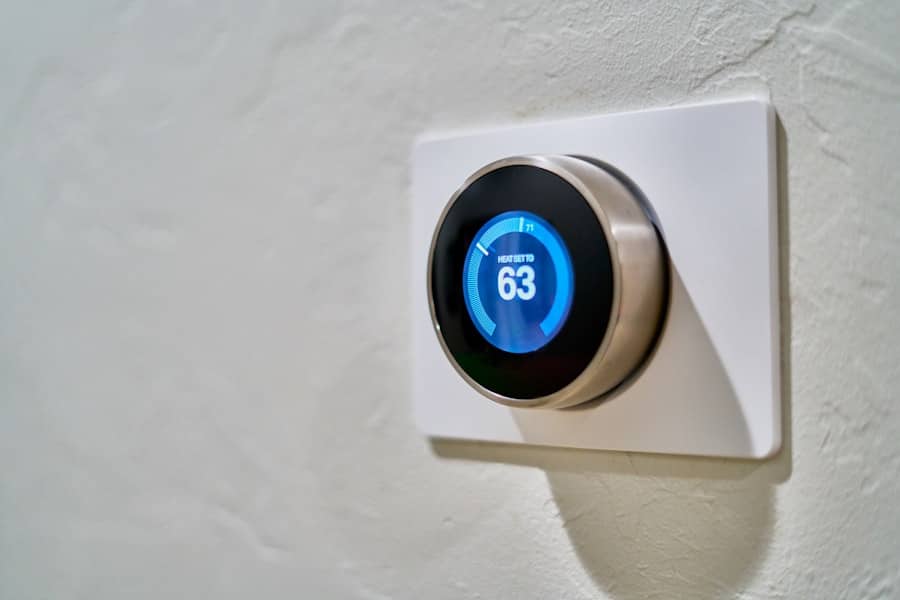
Recent advancements in Edge AI technology have begun to address some of these challenges, paving the way for more robust applications in IoT devices. One notable development is the emergence of specialized hardware designed specifically for edge computing. Companies like NVIDIA and Intel have introduced powerful edge computing chips that are optimized for running AI algorithms efficiently.
These chips enable devices to perform complex computations locally without draining battery life or requiring excessive power consumption. For example, NVIDIA’s Jetson platform provides developers with tools to create AI-powered applications that can run on small form-factor devices, making it feasible to deploy sophisticated machine learning models at the edge. In addition to hardware advancements, software frameworks have also evolved to support Edge AI deployment.
Platforms such as TensorFlow Lite and Apache MXNet have been tailored for resource-constrained environments, allowing developers to create lightweight models that can be executed on edge devices. These frameworks facilitate the development process by providing pre-trained models and tools for optimizing performance on specific hardware configurations. As a result, organizations can more easily implement Edge AI solutions that meet their unique requirements while maximizing efficiency and minimizing latency.
Potential Applications and Use Cases
The potential applications of Edge AI in IoT devices are vast and varied, spanning multiple industries and use cases. In healthcare, for instance, wearable devices equipped with Edge AI can monitor patients’ vital signs in real-time, analyzing data locally to detect irregularities that may require immediate attention. This capability not only enhances patient care but also reduces the burden on healthcare systems by minimizing unnecessary hospital visits.
Similarly, in agriculture, smart sensors can analyze soil conditions and crop health on-site, enabling farmers to make data-driven decisions that optimize yield while conserving resources. In the realm of smart cities, Edge AI can play a pivotal role in traffic management systems. By processing data from connected vehicles and infrastructure in real-time, these systems can dynamically adjust traffic signals to alleviate congestion and improve overall flow.
Additionally, surveillance cameras equipped with Edge AI can analyze video feeds locally to identify suspicious activities or recognize faces without transmitting sensitive footage to the cloud. This capability enhances public safety while addressing privacy concerns associated with centralized data storage.
Impact on Data Privacy and Security
| Metric | Current Status | Projected Status (2028) | Notes |
|---|---|---|---|
| Edge AI Processing Latency | 50-100 ms | 5-20 ms | Significant reduction due to improved hardware and algorithms |
| Energy Consumption per Inference | 100-200 mJ | 10-50 mJ | More efficient AI chips and power management techniques |
| Number of IoT Devices with Edge AI | 500 million (2023) | 5 billion | Rapid adoption driven by demand for real-time analytics |
| Data Transmission Reduction | 30% | 70% | More processing done locally, reducing cloud dependency |
| AI Model Size on Edge Devices | 50-100 MB | 5-20 MB | Model compression and pruning techniques improve efficiency |
| Security Breach Incidents | High (due to centralized data) | Reduced by 40% | Edge AI enables better data privacy and security |
| Average Cost per Edge AI Module | 30 | 10 | Cost reduction through mass production and technology advances |
As Edge AI becomes more prevalent in IoT devices, it raises important questions regarding data privacy and security. One of the primary advantages of processing data locally is that it minimizes the amount of sensitive information transmitted over networks, thereby reducing exposure to potential breaches during transmission. By keeping personal data on-device rather than sending it to centralized servers, organizations can enhance user privacy and comply with stringent regulations such as GDPR.
However, this localized approach does not eliminate security concerns entirely. Edge devices themselves can become targets for cyberattacks if not adequately secured. The proliferation of IoT devices often leads to a diverse array of hardware and software configurations, making it challenging to implement uniform security measures across all devices.
Additionally, many edge devices may lack robust security features due to cost constraints or limited processing capabilities. As a result, organizations must prioritize security during the design and deployment phases of Edge AI solutions, implementing measures such as encryption, secure boot processes, and regular software updates to mitigate vulnerabilities.
Integration with 5G Networks
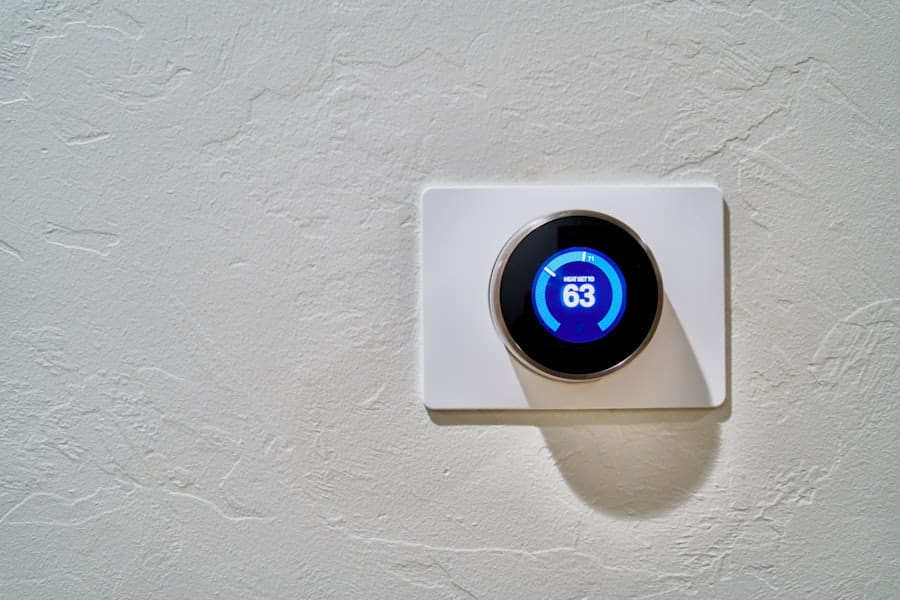
The integration of Edge AI with 5G networks represents a significant leap forward in enhancing the capabilities of IoT devices. 5G technology offers ultra-low latency and high bandwidth, which are essential for supporting real-time applications that rely on instantaneous data processing and communication. By combining Edge AI with 5G connectivity, organizations can unlock new possibilities for innovation across various sectors.
For example, in autonomous driving applications, vehicles equipped with Edge AI can process sensor data locally while leveraging 5G networks for communication with other vehicles and infrastructure. This synergy allows for rapid decision-making based on real-time information from multiple sources, significantly improving safety and efficiency on the roads. Similarly, in industrial settings, 5G-enabled machines can communicate seamlessly with each other while utilizing Edge AI for local decision-making, resulting in optimized production processes and reduced downtime.
Future Trends and Predictions
Looking ahead, several trends are likely to shape the future landscape of Edge AI in IoT devices. One prominent trend is the increasing adoption of federated learning—a decentralized approach to machine learning that allows models to be trained across multiple edge devices without sharing raw data. This method enhances privacy by keeping sensitive information on-device while still enabling collective learning from diverse datasets.
As organizations become more aware of privacy concerns and regulatory requirements, federated learning may gain traction as a preferred method for developing AI models. Another trend is the growing emphasis on sustainability within Edge AI deployments. As environmental concerns become more pressing, organizations are seeking ways to reduce energy consumption associated with data processing and transmission.
Edge AI can contribute to sustainability efforts by minimizing the need for extensive cloud infrastructure while optimizing resource usage at the device level.
Recommendations for Implementing Edge AI in IoT Devices
To successfully implement Edge AI in IoT devices, organizations should consider several key recommendations. First and foremost, it is essential to conduct a thorough assessment of existing infrastructure and identify specific use cases where Edge AI can deliver tangible benefits. This assessment should include an evaluation of device capabilities, network requirements, and potential integration challenges.
Next, organizations should prioritize collaboration between hardware manufacturers and software developers to ensure compatibility between edge devices and AI frameworks. By fostering partnerships that promote interoperability, organizations can streamline deployment processes and enhance overall system performance. Finally, investing in robust security measures is paramount when deploying Edge AI solutions.
Organizations should adopt a proactive approach to cybersecurity by implementing encryption protocols, conducting regular vulnerability assessments, and providing ongoing training for personnel involved in managing edge devices. By following these recommendations and staying attuned to emerging trends in Edge AI technology, organizations can harness the full potential of this transformative approach within their IoT ecosystems.
In exploring the advancements in Edge AI within IoT devices, it’s interesting to consider how these technologies are influencing various sectors, including mobile gaming. For instance, the article on how to choose the best smartphone for gaming highlights the importance of processing power and low-latency performance, which are critical for enhancing user experiences in gaming applications. As Edge AI continues to evolve, it will likely play a significant role in optimizing these features, making gaming on mobile devices even more immersive and responsive.
FAQs
What is Edge AI in IoT devices?
Edge AI refers to the deployment of artificial intelligence algorithms directly on IoT devices or local edge servers, enabling data processing and decision-making to occur close to the data source rather than relying on centralized cloud servers.
How does Edge AI benefit IoT devices?
Edge AI reduces latency, enhances data privacy, lowers bandwidth usage, and enables real-time analytics by processing data locally on IoT devices. This leads to faster responses and improved efficiency in various applications.
What are common applications of Edge AI in IoT?
Common applications include smart home devices, industrial automation, autonomous vehicles, healthcare monitoring, predictive maintenance, and security surveillance, where real-time data processing is critical.
What challenges does Edge AI face in IoT environments?
Challenges include limited computational resources on edge devices, energy constraints, security vulnerabilities, and the complexity of deploying and updating AI models on distributed devices.
How is the future of Edge AI expected to evolve in IoT?
The future of Edge AI in IoT is expected to see advancements in hardware efficiency, improved AI algorithms optimized for edge computing, enhanced security measures, and broader adoption across industries for smarter, more autonomous devices.
Can Edge AI operate without cloud connectivity?
Yes, Edge AI can operate independently of cloud connectivity by processing data locally. However, cloud integration is often used for model updates, data aggregation, and more complex analytics.
What role does 5G play in the future of Edge AI in IoT?
5G technology provides high-speed, low-latency connectivity that complements Edge AI by enabling faster data transfer between edge devices and cloud or edge servers, enhancing real-time processing and communication.
Is data privacy improved with Edge AI in IoT devices?
Yes, since data is processed locally on the device or nearby edge servers, Edge AI reduces the need to transmit sensitive information over networks, thereby enhancing data privacy and security.
What types of IoT devices are best suited for Edge AI?
Devices with sufficient processing power and energy efficiency, such as smart cameras, industrial sensors, autonomous drones, and wearable health monitors, are well-suited for Edge AI applications.
How do developers update AI models on edge IoT devices?
Developers use techniques like over-the-air (OTA) updates to remotely deploy new or improved AI models to edge devices, ensuring they remain effective and secure without requiring physical access.