

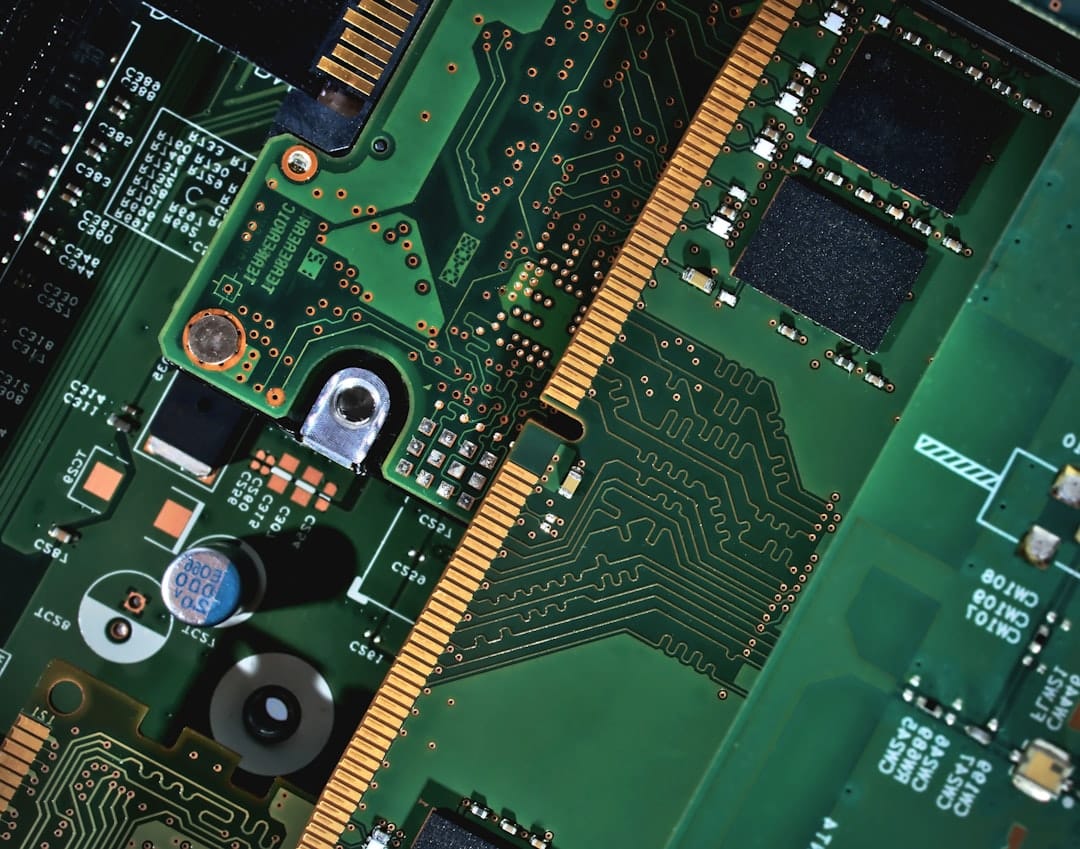
In an era where technology permeates every aspect of our lives, the environmental impact of computing has become a pressing concern. Eco-friendly computing, often referred to as green computing, encompasses a range of practices aimed at reducing the carbon footprint associated with the production, use, and disposal of computers and servers. This approach not only addresses the immediate environmental challenges but also promotes sustainable practices that can lead to long-term benefits for both businesses and the planet.
The concept of eco-friendly computing extends beyond mere energy efficiency; it involves a holistic view of the entire lifecycle of computing devices. From the sourcing of raw materials to manufacturing processes, energy consumption during operation, and eventual disposal or recycling, each stage presents opportunities for reducing environmental impact.
As organizations increasingly recognize their responsibility towards sustainability, eco-friendly server design has emerged as a critical area of focus. By integrating sustainable practices into server architecture and operations, companies can significantly mitigate their ecological footprint while also enhancing operational efficiency.
Key Takeaways
- Eco-friendly computing focuses on reducing environmental impact through sustainable server design and energy efficiency.
- Current challenges include high energy consumption and electronic waste in traditional computing infrastructures.
- Innovations in materials, cooling technologies, and power management are driving greener, more efficient servers.
- Data centers play a critical role in environmental sustainability by adopting renewable energy and optimizing resource use.
- Collaboration and industry standards are essential to accelerate the adoption of eco-friendly practices across the IT sector.
Current Challenges in Green Computing and Server Design
Despite the growing awareness and commitment to eco-friendly computing, several challenges persist in the realm of green server design. One of the primary obstacles is the inherent energy consumption associated with data centers. According to the U.S. Department of Energy, data centers accounted for about 2% of total electricity use in the United States in 2020, a figure that continues to rise as demand for cloud services and digital storage increases. This escalating energy demand poses significant challenges for organizations striving to implement sustainable practices while maintaining performance and reliability. Another challenge lies in the complexity of retrofitting existing infrastructure to meet green standards. Many organizations operate on legacy systems that were not designed with energy efficiency in mind. Upgrading these systems can be prohibitively expensive and logistically challenging, leading some companies to delay necessary improvements. Additionally, there is often a lack of standardized metrics for measuring the environmental impact of computing technologies, making it difficult for organizations to assess their progress or compare their efforts against industry benchmarks. This ambiguity can hinder investment in green technologies and practices.
Advancements in Sustainable Materials and Energy-Efficient Technologies
In response to the challenges faced by the industry, significant advancements have been made in sustainable materials and energy-efficient technologies. Manufacturers are increasingly exploring alternative materials that reduce environmental impact without compromising performance. For instance, bioplastics derived from renewable resources are being utilized in the production of computer components, offering a more sustainable option compared to traditional petroleum-based plastics.
These materials not only reduce reliance on fossil fuels but also enhance recyclability at the end of a product’s lifecycle. Energy-efficient technologies have also seen remarkable progress. Innovations such as solid-state drives (SSDs) have emerged as a more energy-efficient alternative to traditional hard disk drives (HDDs).
SSDs consume less power during operation and generate less heat, which can lead to reduced cooling requirements in data centers. Furthermore, advancements in processor design, such as ARM architecture, have demonstrated that high performance can be achieved with lower power consumption. These developments are crucial for organizations aiming to optimize their server designs while minimizing energy usage.
The Role of Data Centers in Promoting Environmental Sustainability
Data centers serve as the backbone of modern computing infrastructure, making their role in promoting environmental sustainability paramount. As they are responsible for processing vast amounts of data and hosting numerous applications, their energy consumption is substantial. However, many data center operators are now prioritizing sustainability initiatives as part of their operational strategies.
This shift is evident in the increasing adoption of renewable energy sources such as solar and wind power to offset traditional energy consumption. Moreover, data centers are implementing advanced energy management systems that monitor and optimize power usage in real-time. These systems utilize sophisticated algorithms to adjust energy consumption based on demand fluctuations, ensuring that resources are used efficiently.
Additionally, many organizations are pursuing certifications such as LEED (Leadership in Energy and Environmental Design) to validate their commitment to sustainable practices. By focusing on energy efficiency and renewable energy integration, data centers can significantly reduce their carbon footprint while setting an example for other sectors within the IT industry.
Innovations in Cooling and Power Management for Green Servers
| Metric | Current Value (2024) | Projected Value (2030) | Notes |
|---|---|---|---|
| Data Center Energy Efficiency (PUE) | 1.6 | 1.2 | Power Usage Effectiveness (PUE) improvements through advanced cooling and design |
| Renewable Energy Usage in Data Centers | 40% | 75% | Shift towards solar, wind, and hydro power for server operations |
| Carbon Emissions per Server (kg CO2/year) | 1500 | 600 | Reduction via energy-efficient hardware and green energy sources |
| Average Server Lifespan (years) | 4 | 7 | Longer lifespan due to modular and upgradeable designs |
| Use of Biodegradable Materials in Server Manufacturing | 5% | 30% | Increased adoption of sustainable materials in hardware components |
| Energy Consumption per Compute Unit (kWh) | 0.5 | 0.2 | Efficiency gains from new chip architectures and cooling methods |
| Water Usage in Cooling Systems (liters per kWh) | 2.5 | 1.0 | Innovations in waterless and closed-loop cooling technologies |
Cooling systems represent one of the most significant contributors to energy consumption in data centers. Traditional cooling methods often rely on energy-intensive air conditioning units that can consume up to 40% of a data center’s total energy usage. However, innovative cooling solutions are emerging that promise to enhance efficiency while reducing environmental impact.
For instance, liquid cooling technologies have gained traction as an effective alternative to conventional air cooling systems. By circulating coolant directly around server components, these systems can maintain optimal operating temperatures with significantly less energy. In addition to advanced cooling methods, power management technologies are evolving rapidly.
Dynamic voltage and frequency scaling (DVFS) is one such innovation that allows servers to adjust their power consumption based on workload demands. By reducing power usage during periods of low activity, organizations can achieve substantial energy savings without sacrificing performance. Furthermore, intelligent power distribution units (PDUs) are being deployed to monitor power usage at a granular level, enabling data center operators to identify inefficiencies and optimize resource allocation effectively.
The Impact of Artificial Intelligence and Machine Learning on Eco-Friendly Computing

Artificial intelligence (AI) and machine learning (ML) are transforming various industries, including eco-friendly computing and server design. These technologies enable organizations to analyze vast amounts of data related to energy consumption patterns, server performance, and environmental impact. By leveraging AI algorithms, companies can identify inefficiencies within their operations and implement targeted strategies for improvement.
For example, predictive analytics powered by machine learning can forecast server loads based on historical data, allowing organizations to optimize resource allocation dynamically. This capability not only enhances operational efficiency but also reduces unnecessary energy consumption during peak periods. Additionally, AI-driven automation can streamline processes such as cooling management and workload distribution across servers, further minimizing energy usage while maintaining performance levels.
Future Trends and Predictions for Eco-Friendly Computing and Server Design
As the demand for sustainable practices continues to grow, several trends are likely to shape the future of eco-friendly computing and server design. One prominent trend is the increasing integration of circular economy principles into technology development. This approach emphasizes designing products with their entire lifecycle in mind, focusing on durability, repairability, and recyclability.
Another trend is the rise of edge computing as organizations seek to reduce latency and improve efficiency by processing data closer to its source. Edge computing can alleviate some of the burdens on centralized data centers by distributing workloads across smaller local servers.
This decentralization not only enhances performance but also reduces energy consumption associated with long-distance data transmission.
The Importance of Collaboration and Industry Standards for a Greener IT Sector
Collaboration among stakeholders is essential for driving meaningful change in the IT sector towards greener practices. Industry standards play a crucial role in establishing benchmarks for sustainability efforts across organizations. Initiatives such as the Green Electronics Council’s Energy Star program provide guidelines for manufacturers to develop energy-efficient products while promoting transparency in environmental claims.
Furthermore, partnerships between technology companies, governments, and non-profit organizations can facilitate knowledge sharing and resource allocation towards sustainable initiatives. Collaborative efforts can lead to innovative solutions that address common challenges faced by the industry while fostering a culture of sustainability within organizations. By working together towards shared goals, stakeholders can create a more environmentally responsible IT sector that prioritizes eco-friendly computing and server design as integral components of their operational strategies.
In exploring the advancements in eco-friendly computing and server design, it’s interesting to consider how emerging technologies are shaping the future of various industries. A related article that delves into this topic is Wired.com Focuses on How Emerging Technologies, which discusses the impact of innovative technologies on sustainability and efficiency in computing. This connection highlights the importance of integrating eco-conscious practices in the development of new technologies.
FAQs
What is eco-friendly computing?
Eco-friendly computing refers to the design, manufacturing, and use of computers and related technologies in ways that minimize environmental impact. This includes reducing energy consumption, using sustainable materials, and promoting recycling and responsible disposal.
Why is eco-friendly server design important?
Eco-friendly server design is important because data centers consume significant amounts of energy and contribute to carbon emissions. Designing servers that are energy-efficient and use sustainable materials helps reduce the environmental footprint of digital infrastructure.
What are some common features of eco-friendly servers?
Common features include energy-efficient processors, optimized cooling systems, use of renewable energy sources, modular designs for easy upgrades, and materials that are recyclable or biodegradable.
How does energy efficiency impact server performance?
Energy-efficient servers are designed to deliver high performance while consuming less power. This reduces operational costs and environmental impact without compromising computing capabilities.
What role does renewable energy play in eco-friendly computing?
Renewable energy sources such as solar, wind, and hydroelectric power can be used to power data centers and computing facilities, significantly reducing reliance on fossil fuels and lowering carbon emissions.
Are there industry standards for eco-friendly computing?
Yes, there are several standards and certifications such as ENERGY STAR, EPEAT, and the Green Electronics Council that guide manufacturers and organizations in producing and using environmentally responsible computing products.
How can individuals contribute to eco-friendly computing?
Individuals can contribute by choosing energy-efficient devices, properly recycling old electronics, reducing unnecessary computing tasks, and supporting companies that prioritize sustainability in their products and operations.
What advancements are expected in the future of eco-friendly server design?
Future advancements may include the use of advanced cooling technologies like liquid cooling, AI-driven energy management, biodegradable components, and increased integration of renewable energy sources in data centers.
How does eco-friendly computing affect data center operations?
Eco-friendly computing can lead to reduced energy costs, lower heat output, and improved sustainability metrics for data centers, enabling them to operate more efficiently and with less environmental impact.
Is eco-friendly computing more expensive?
While initial costs for eco-friendly technologies may be higher, long-term savings from reduced energy consumption and maintenance often offset these expenses, making it cost-effective over time.